Quick answer: For vegetables roasted in the oven, mix the oil and ground spices (turmeric or curry) before baking at a moderate oven temperature, around 180 to 190 degrees; pepper and combava are better added at the end of cooking, to keep all their flavour. It is generally best to avoid combining more than two spices on the same tray.
Vegetables roasted in the oven take to spices well: the oil helps the powder stick, and the dry heat releases its flavour. This page offers pairings with Madagascar turmeric, curry, combava and peppers, and links to two of our recipes for a vanilla version.
The Basic Technique
In a bowl, mix the vegetables, cut into even pieces, with a drizzle of oil and the chosen ground spices, until each piece is well coated. Spread them out on a tray, in a single layer if possible, and bake at a moderate oven temperature, around 180 to 190 degrees, stirring once or twice during cooking, until golden and tender.
Turmeric: Root Vegetables and Squash
Turmeric colours and flavours carrots, parsnips, squash and sweet potatoes well. A pinch mixed into the oil before coating the vegetables is enough: its earthy, slightly peppery flavour develops during cooking without overpowering the taste of the vegetable. Our page on Madagascar turmeric presents the spice in more detail.
Curry: A Ready-Made Blend
Our Madagascar curry combines turmeric, coriander, cumin, ginger and other spices in a blend that is already balanced. It suits cauliflower, broccoli or sweet potato well: one to two teaspoons for a tray of vegetables, mixed into the oil before cooking. See our page on Madagascar curry.
Pepper, at the End of Cooking
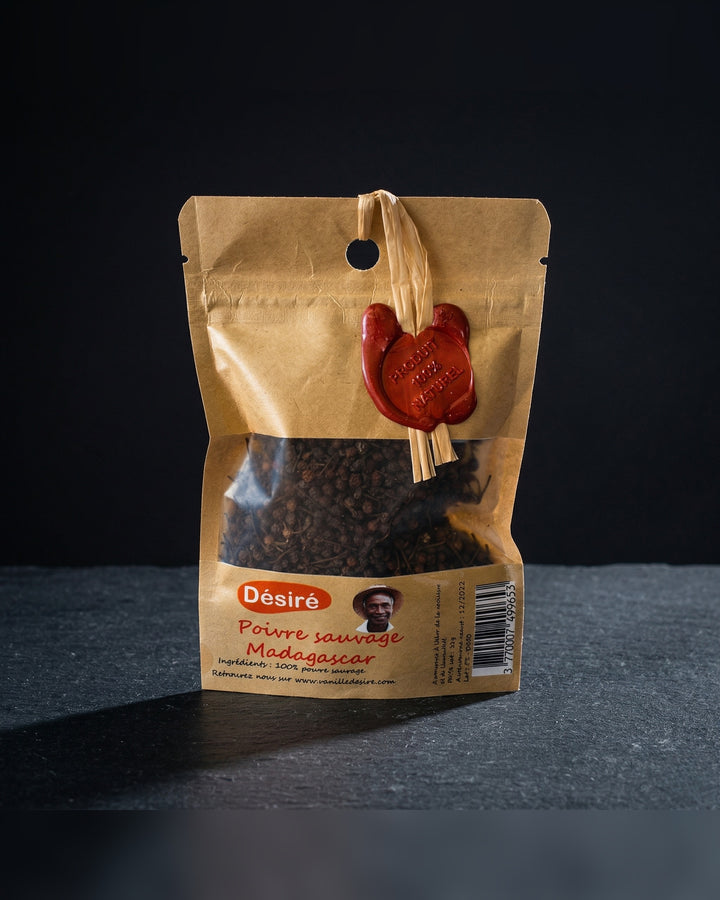
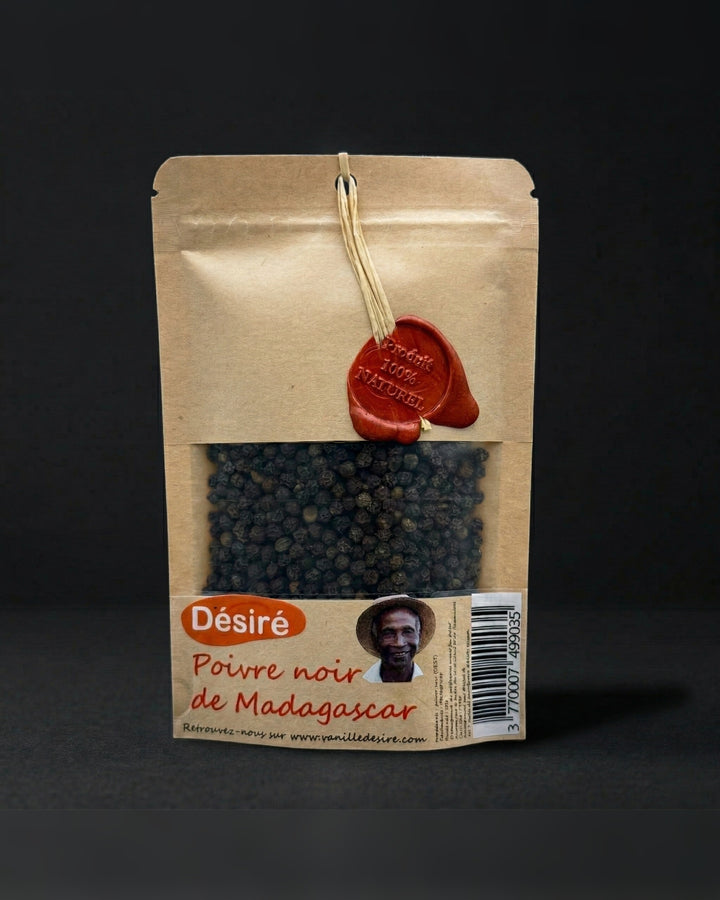
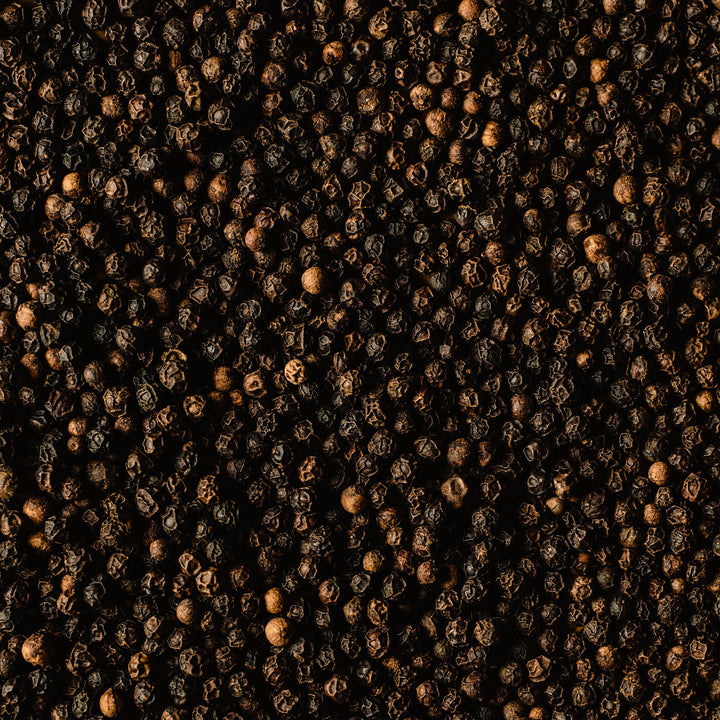
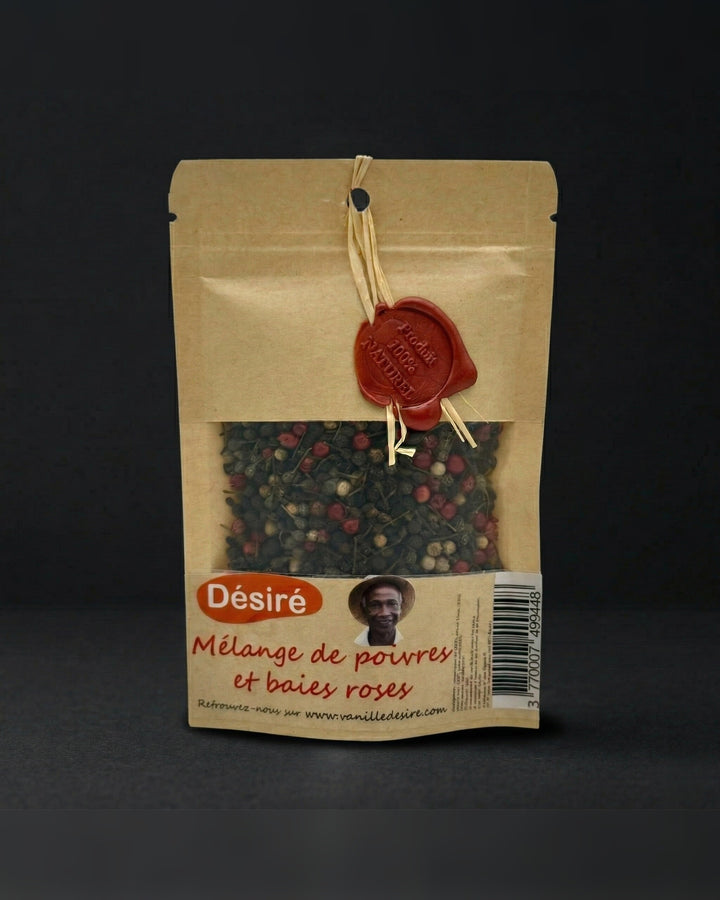
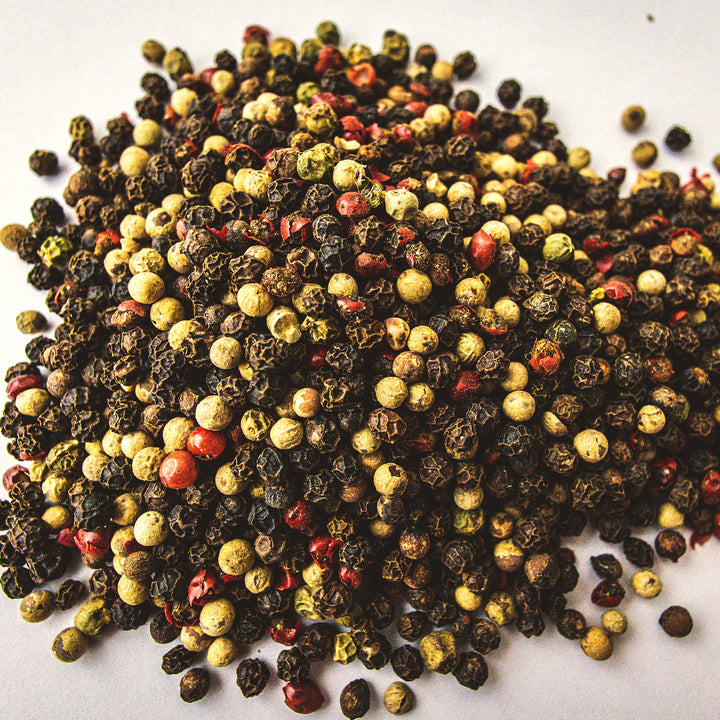
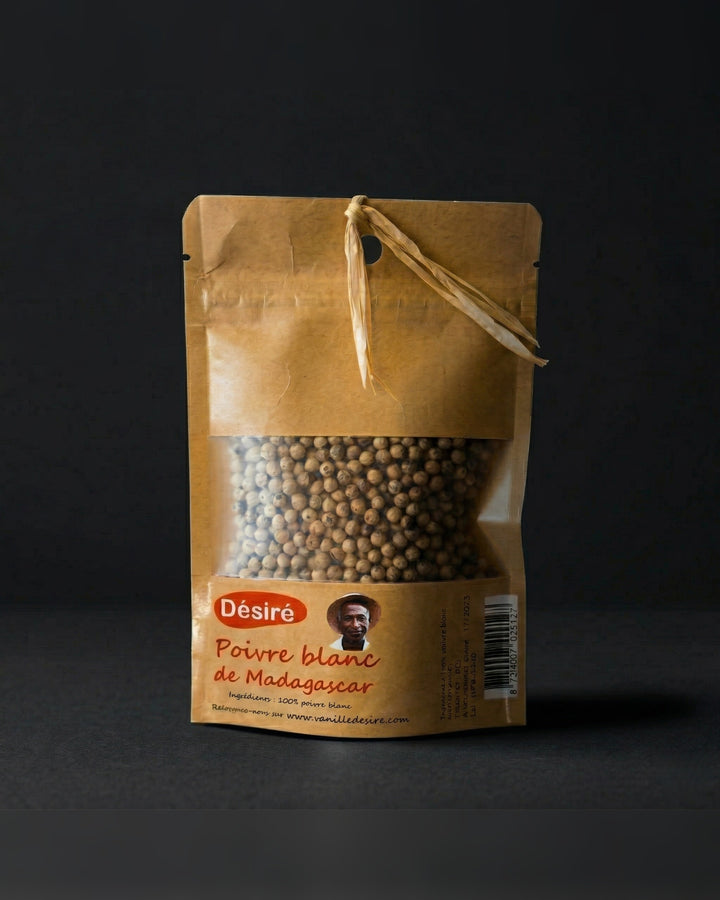
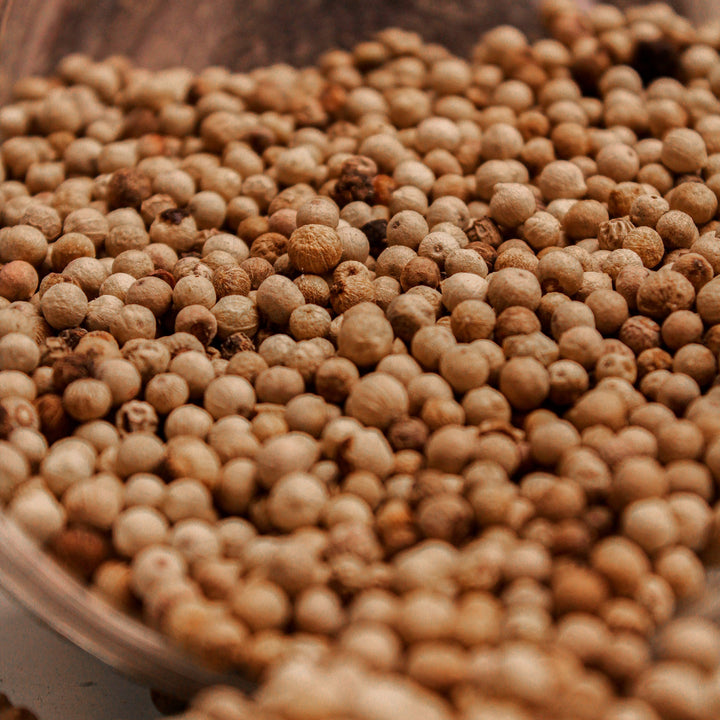
Black pepper or white pepper, ground at the last moment, is better sprinkled on when the vegetables come out of the oven, while still hot, to keep all its flavour. Our page on Madagascar black pepper goes into detail on its profile.
Combava, a Fresh Finishing Touch
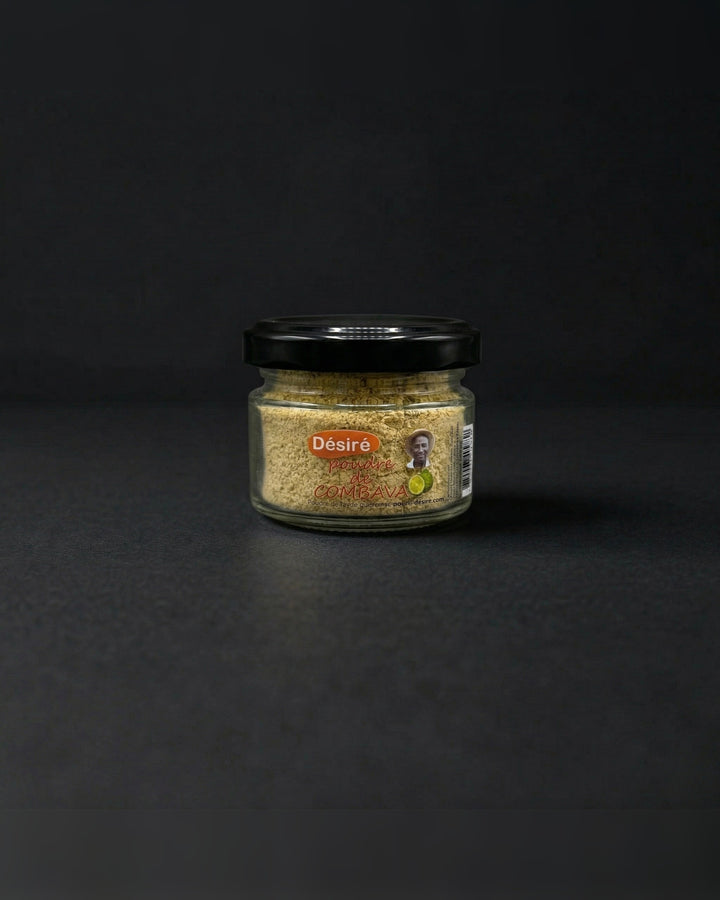
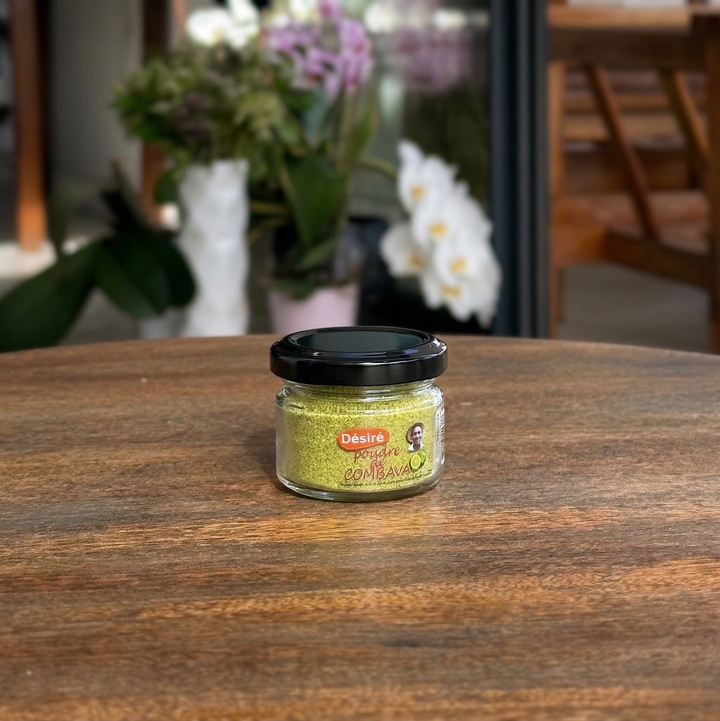
Combava is used right at the end of cooking, once out of the oven, as a pinch mixed into the still-hot vegetables: its lemony freshness contrasts with the roasted side and keeps the dish from becoming too heavy, especially after turmeric or curry. See our page on Madagascar combava.
Other Vegetables to Try
Cauliflower and broccoli, roasted in small florets, take well to curry or turmeric, which soften their natural bitterness. Courgettes and aubergines, which hold more water, need a slightly longer cooking time at a high oven temperature so the spices do not taste raw; they are cut into thicker slices so they do not dry out. Green beans, quickly roasted, pair well with a touch of white pepper at the end of cooking, more discreet than black pepper on a green vegetable.
Putting Together Your Plate
For a complete dish, you can mix turmeric or curry into the vegetables before baking, then add the pepper and combava when serving: the spices mixed in during cooking flavour the dish deeply, while those added at the end stay bright and are more noticeable. It is generally best to avoid combining more than two spices on the same tray, so each one stays identifiable to the taste.
In the Oven or in a Pan
A pan suits small amounts well, in thin pieces, for a quick side dish: the spices colour and flavour within a few minutes, over medium heat, stirring often to stop them burning. The oven, which is slower, suits larger amounts and thicker pieces better, where the spices have time to infuse into the oil throughout cooking.
And Vanilla?
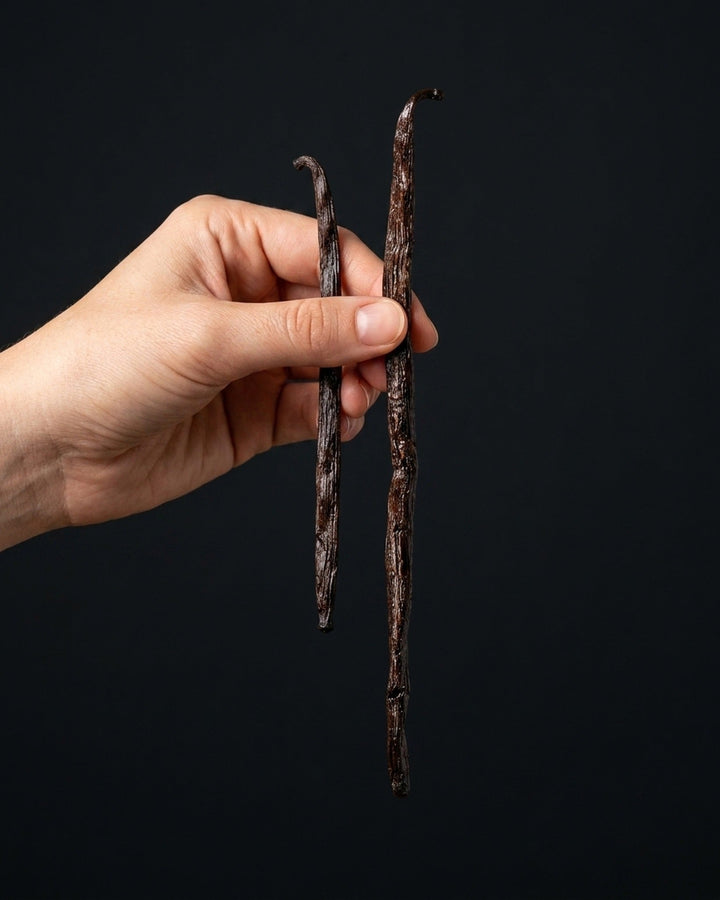
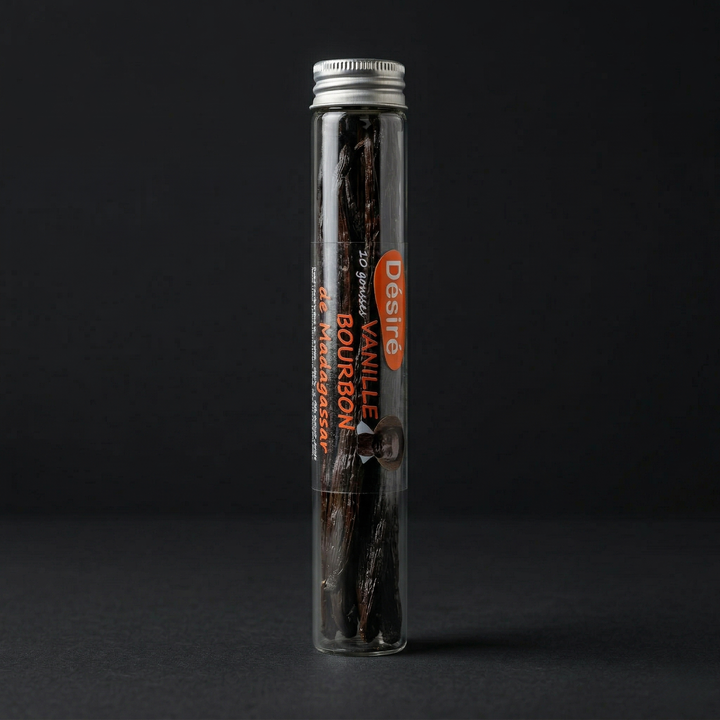
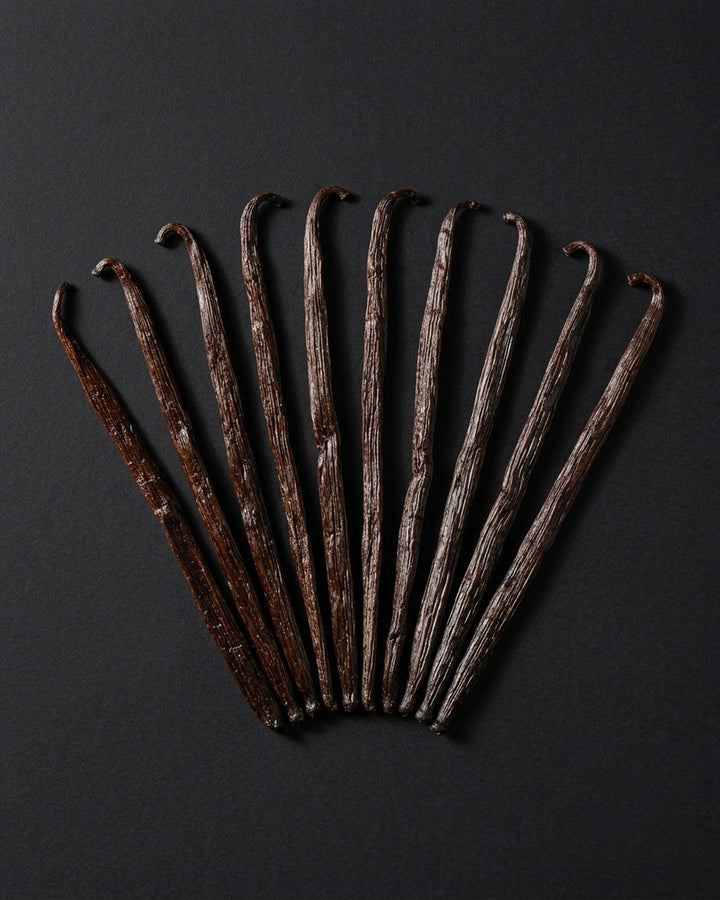
For a rounder version, where vanilla replaces the heat with a warm note, our recipes for vanilla and combava roasted carrots and vanilla and combava roasted sweet potato go into detail on this other pairing, which this page does not cover again.
Where Our Spices Come From
Our family grows turmeric and black pepper in Vangaindrano, in south-eastern Madagascar. Combava is harvested there by the family, in the same region; our curry is a blend made from Madagascar spices. We ship these products ourselves, with no middleman.
Frequently Asked Questions
At what temperature should you roast vegetables with spices?
At a moderate oven temperature, around 180 to 190 degrees, stirring once or twice during cooking, until the vegetables are golden and tender.
Should you add pepper before or after cooking roasted vegetables?
Black or white pepper is better sprinkled on at the end of cooking, ground at the last moment, over the still-hot vegetables, to keep all its flavour.
How many different spices should you put on the same tray of vegetables?
It is generally best to avoid combining more than two, so each one stays identifiable to the taste.
When should you add combava to roasted vegetables?
Right at the end of cooking, once out of the oven, as a pinch mixed into the still-hot vegetables, for a touch of lemony freshness.
Our products to go further: Madagascar turmeric · Madagascar curry · Combava powder · Madagascar black pepper
The Vanille Désiré team