Quick answer: Green vegetables, green beans, broccoli, spinach or courgettes, take well to discreet spices: pepper, turmeric, ginger, curry or a touch of toasted sesame. The key is to use little, to go with the vegetable rather than cover its taste.
Green beans, broccoli, spinach, courgettes, peas, leeks: these vegetables share a light flavour, which is usually meant to be accompanied rather than masked. The spices that suit them are mostly used sparingly, during cooking or right at the end of preparation. This page goes through the most cited pairings and how to use them, vegetable by vegetable, to build a balanced plate without covering their own taste.
Green beans
Pepper, curry and turmeric lift green beans without masking their own taste. Ginger adds a slightly sweet note, and a touch of toasted sesame adds crunch at the end of cooking. These pairings work as well steamed as pan-fried.
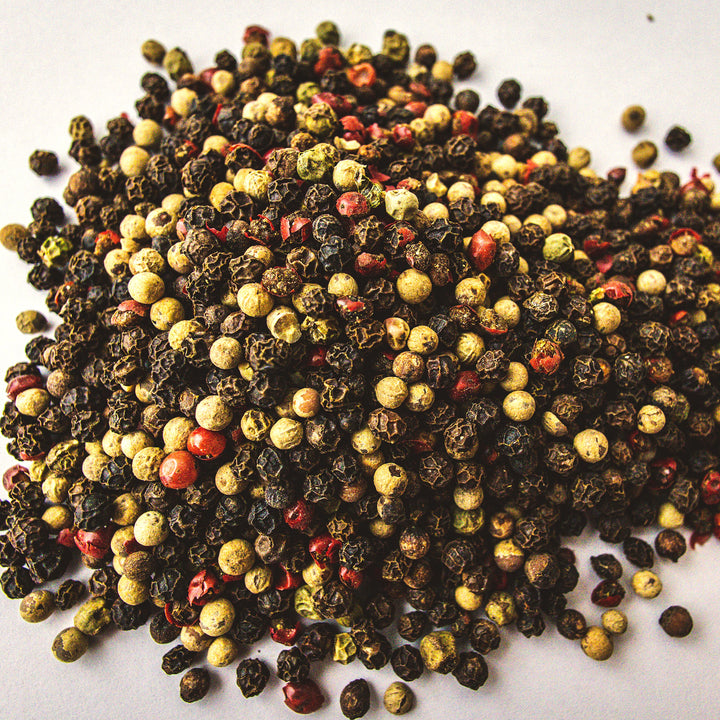
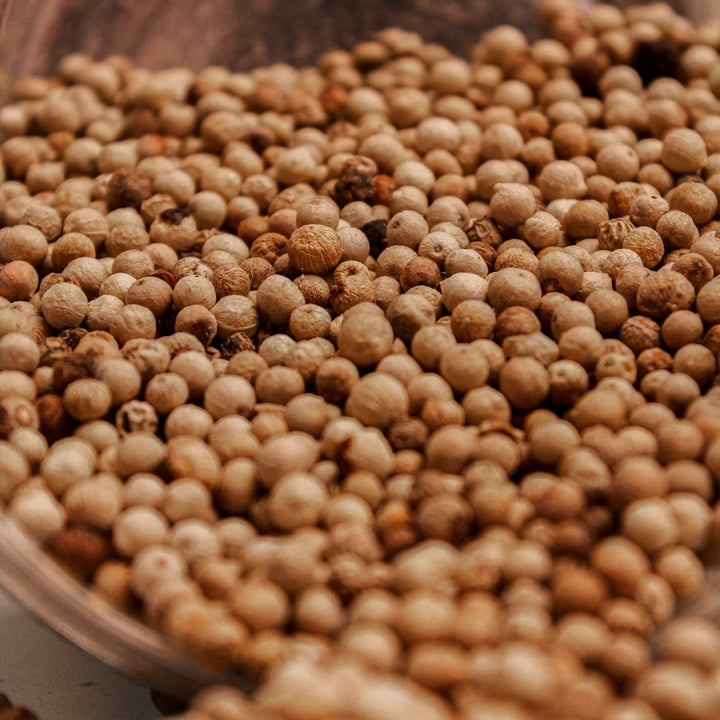
- Black or white pepper: at the end of cooking, ground just before.
- Curry or turmeric: in a small amount, from the start of cooking.
- Ginger: ground, mixed into the cooking oil.
- Toasted sesame: as a finishing touch, just before serving.
Broccoli and cabbages
Turmeric pairs well with broccoli, especially with a drizzle of oil and black pepper. Cabbages, whether green or in florets like broccoli or cauliflower, also take well to curry or ginger, used lightly so as not to dominate their natural bitterness.
Spinach and other leafy greens
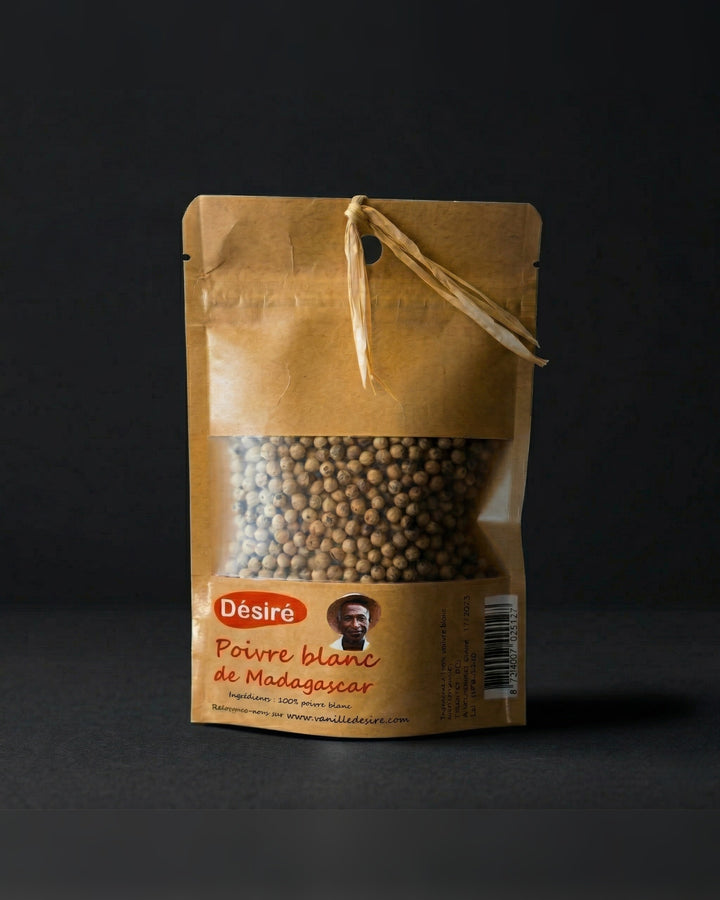
Turmeric is also found in spinach based preparations, pureed or mixed with other vegetables such as broad beans. White pepper, less visible than black pepper on a pale green vegetable, suits this kind of preparation well. Ginger, used lightly, also goes well with cooked leafy greens.
Courgettes, peas and combava
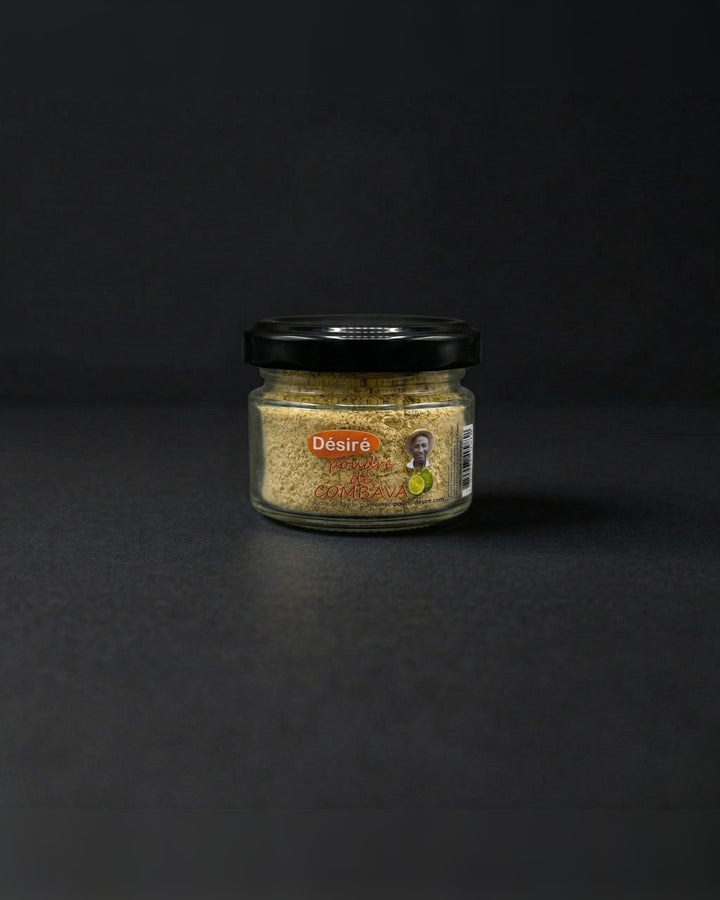
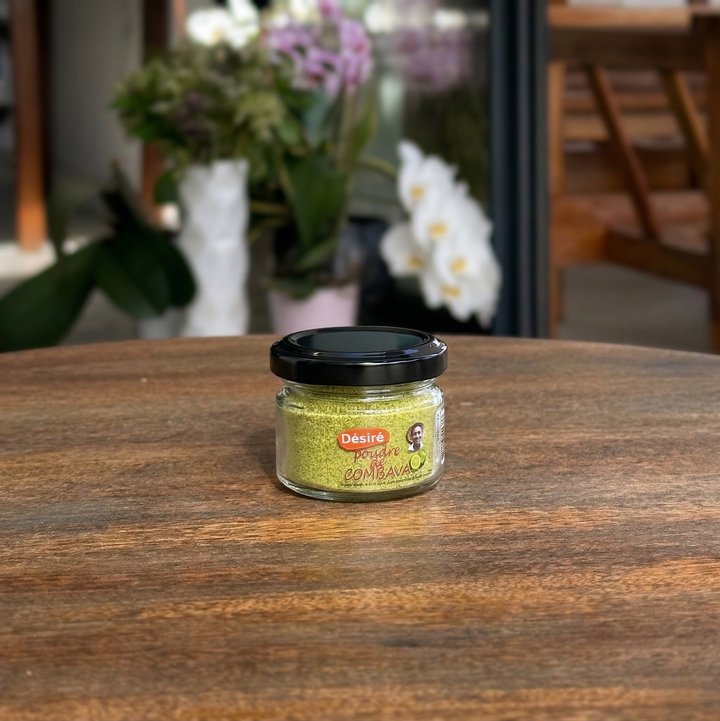
For milder green vegetables such as courgette or peas, combava adds a citrus note rather than heat: a few dried zest flakes or a touch of powder, added at the end of cooking, are enough. For broader pairings between our spices and roasted vegetables, see spices and roasted vegetables; for combava in particular, combava in savoury cooking details other uses.
Small leeks and Brussels sprouts
Leek, often cooked in soup or braised, pairs with pepper and a touch of curry, used sparingly so as not to cover its sweetness. Brussels sprouts are traditionally seasoned with nutmeg and pepper, a classic pairing in French cooking. Nutmeg is not part of our range, but black or white pepper plays a similar role, and ginger, used lightly, adds a different note without reproducing the taste of nutmeg.
Green vegetables in other cuisines
Outside French cooking, green vegetables stir-fried in a wok make bolder use of curry, turmeric, ginger and sometimes combava, in Asia as in Madagascar. See spices and Asian cuisines for these pairings, and spices and vegetarian dishes for dishes where the green vegetable takes the lead role, without meat or fish.
The method: use little, and at the right moment
For a green vegetable, the spice stays a complement, never the main taste. Pepper and sesame are best placed towards the end of cooking, to keep their flavour; curry, turmeric and ginger cope better with longer cooking, added from the start with the oil or butter. Steaming or wok cooking preserves the colour and texture of the vegetable, while still letting the added spice's flavour come through. For blanched then pan-fried green vegetables, such as green beans or broccoli, the spice is mainly added in the pan, after the boiling water, so it does not dilute into the cooking water. In all cases, start with a small amount and adjust by tasting.
Three ways to go about it
- A pinch of ground spice mixed into the cooking oil, before sautéing the vegetable in it.
- A turn of the pepper mill just before serving, to keep all its flavour.
- A touch of powder or a dried zest added right at the end of cooking, for the most fragrant spices such as combava.
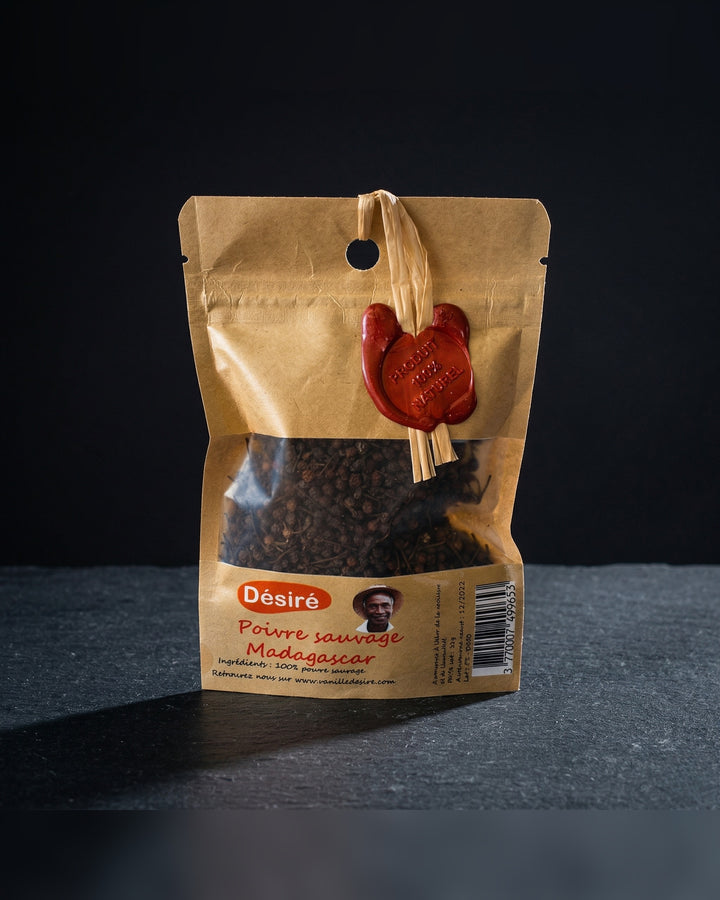
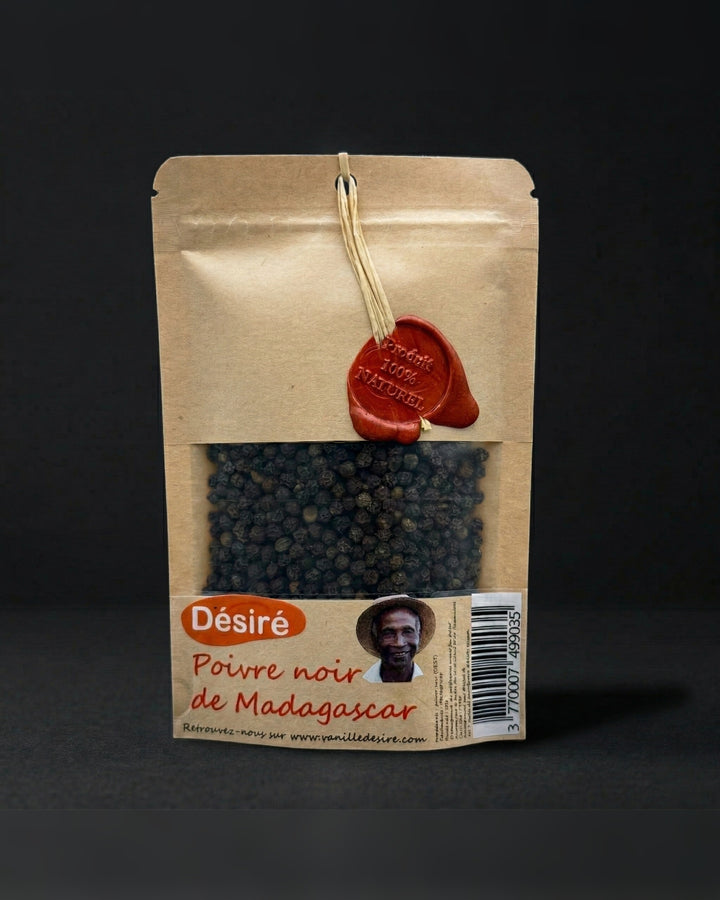
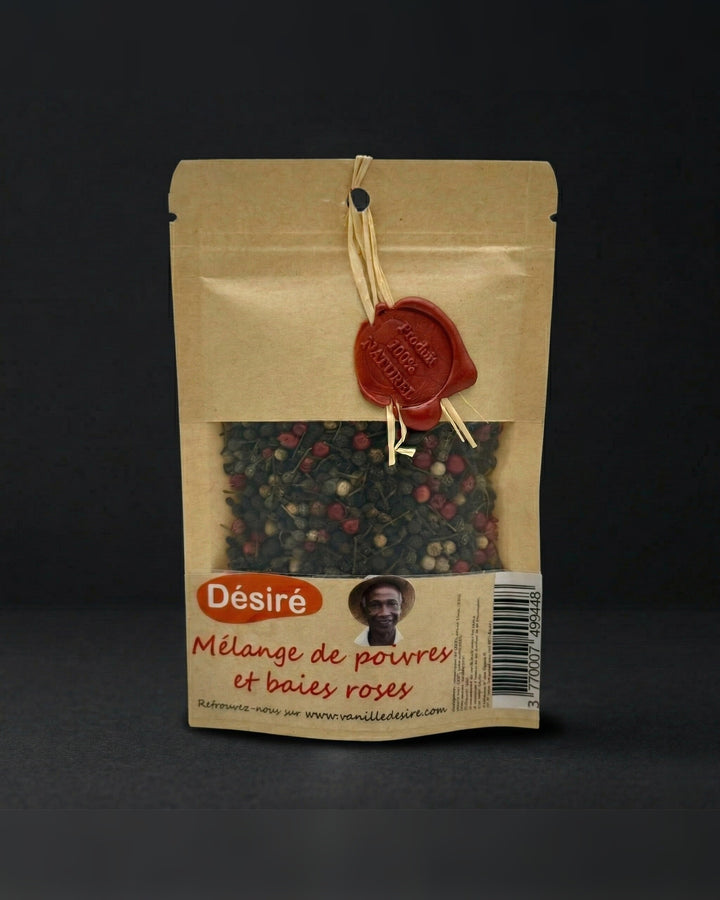
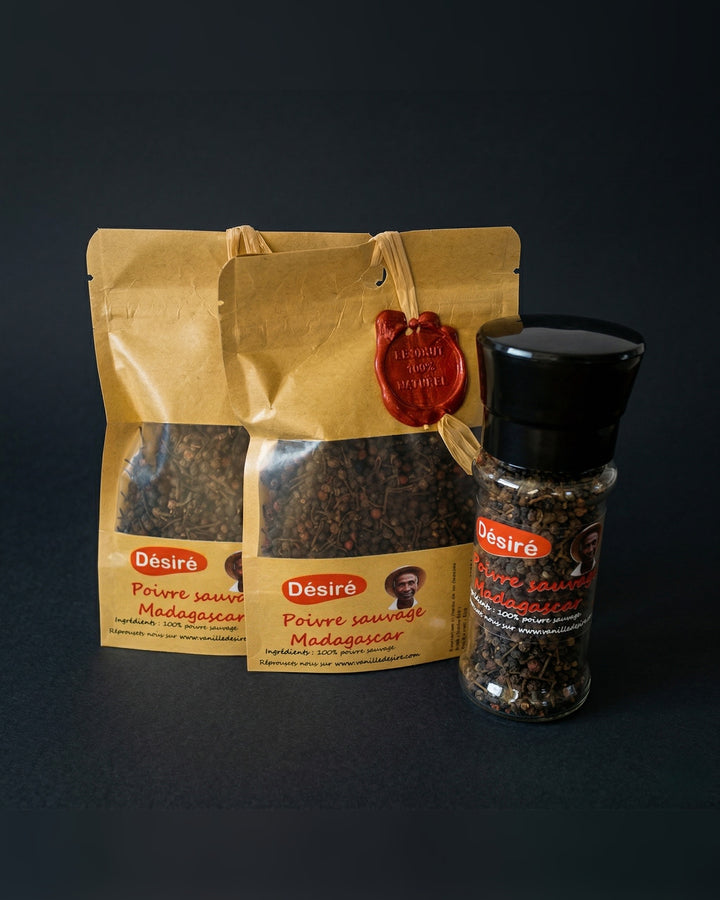
Our products: curry, turmeric, ginger, black pepper, white pepper, combava and sesame seeds. To toast sesame yourself, see toasting sesame seeds.
Frequently asked questions
Which spices go with green beans?
Pepper, curry and turmeric in small amounts, ginger for a slightly sweet note, and a touch of toasted sesame as a finishing touch.
Does turmeric suit spinach?
Yes, in a small amount, often in a puree or mixed with other vegetables such as broad beans.
Should the spice be added before or after cooking a green vegetable?
Pepper and sesame are best added towards the end of cooking to keep their flavour; curry, turmeric and ginger cope with longer cooking, added from the start.
Does combava go with green vegetables?
Yes, on milder vegetables such as courgette or peas, as zest or powder, for a citrus note rather than heat.
The Vanille Désiré team