Quick answer:Madagascar spiced punch is a rhum arrangé infused with a characteristic spice blend: Bourbon vanilla, cinnamon, clove, ginger, pepper, and sometimes cardamom and nutmeg. Maceration lasts from 2 months to 1 year, and the result is an amber spirit with a warm, complex profile, ideal as a digestif, in a cocktail or as a winter grog. One spoonful of Madagascar spice blend per 70 cl of agricultural rum is the basic ratio.
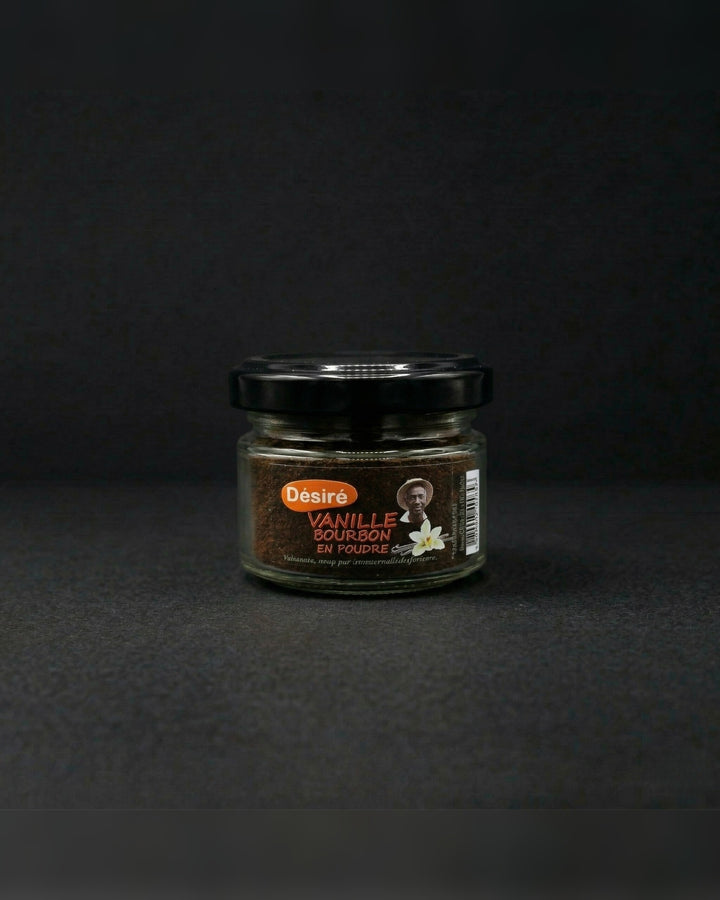
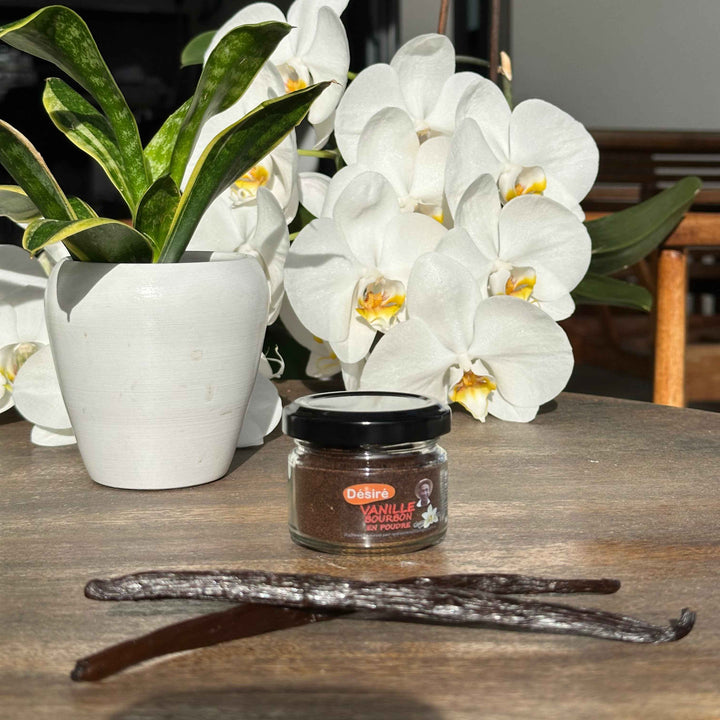
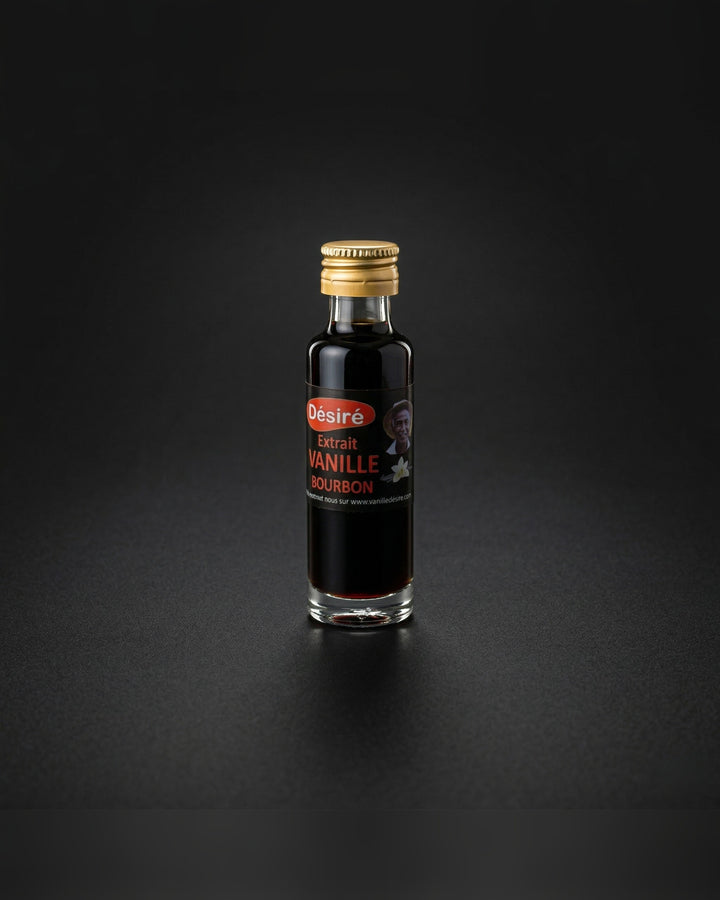
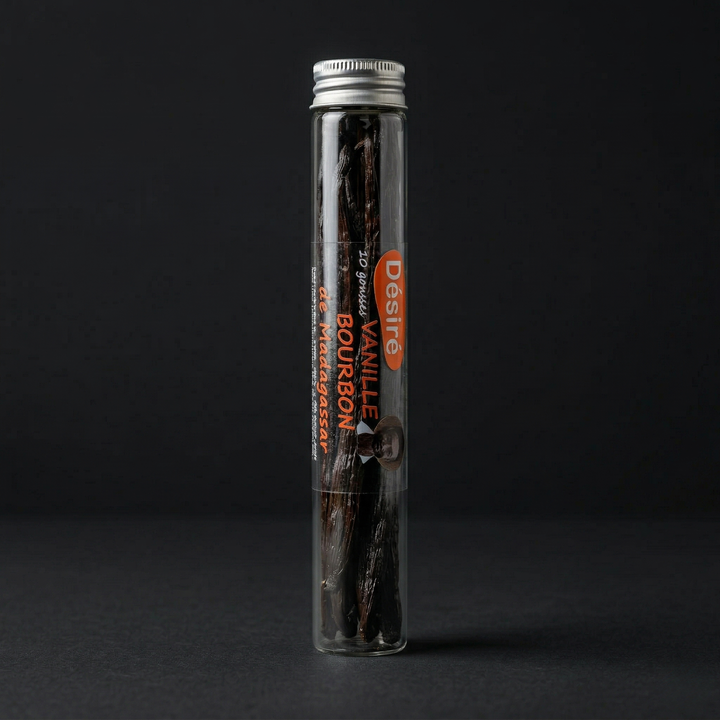
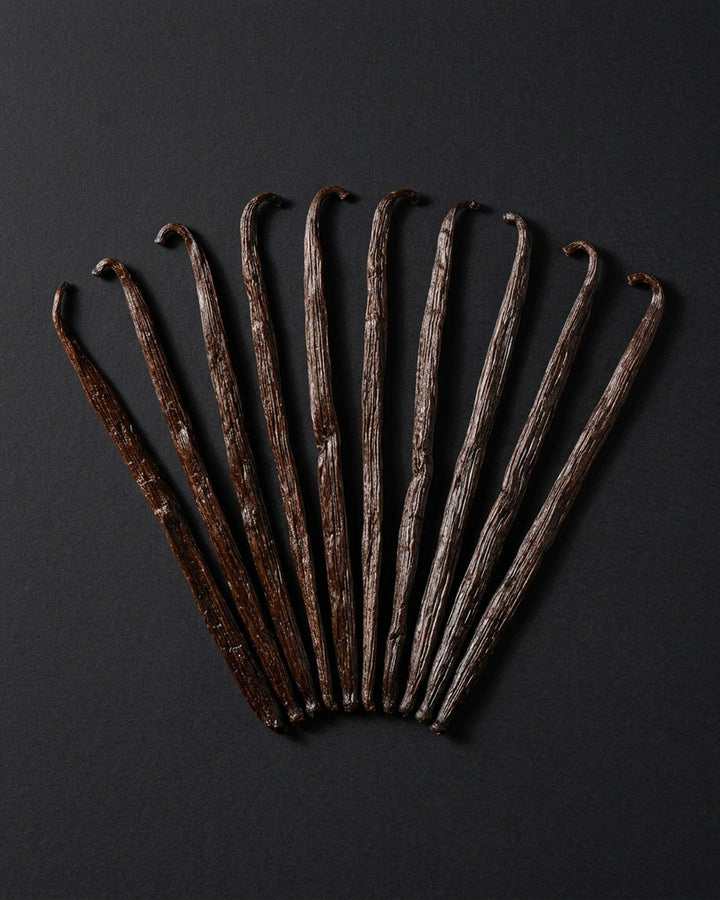
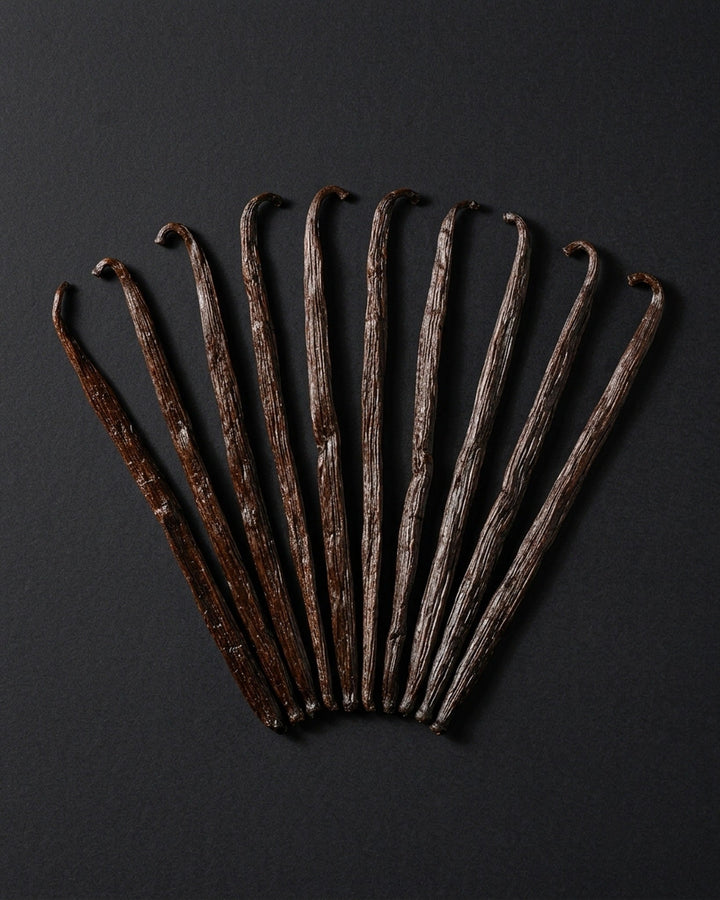
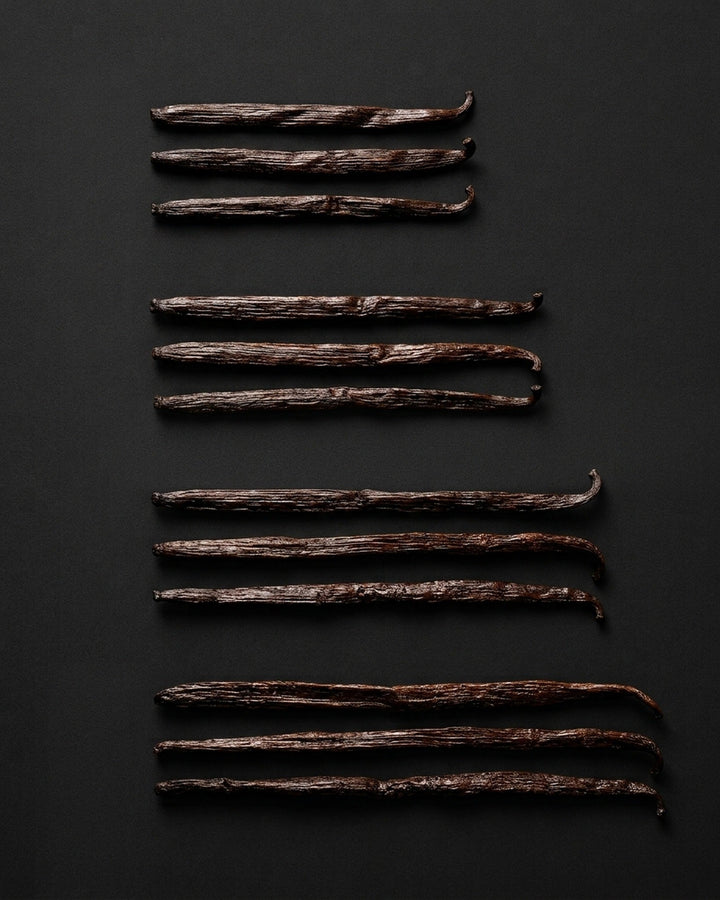
The bean used in this punch comes from our Madagascar Bourbon vanilla : the S size is more than enough for a maceration.
1. Origin and Madagascar terroir
[PHOTO_BOCAL_RHUM_ARRANGE]
Rhum arrangé is a Creole tradition shared by Madagascar, Reunion Island, Mauritius, the Comoros and the French West Indies. It began with sailors and planters flavouring their tafia (raw rum) with whatever they had on hand, vanilla, bark, fruit, spices, to soften the alcohol and make it easier to drink.
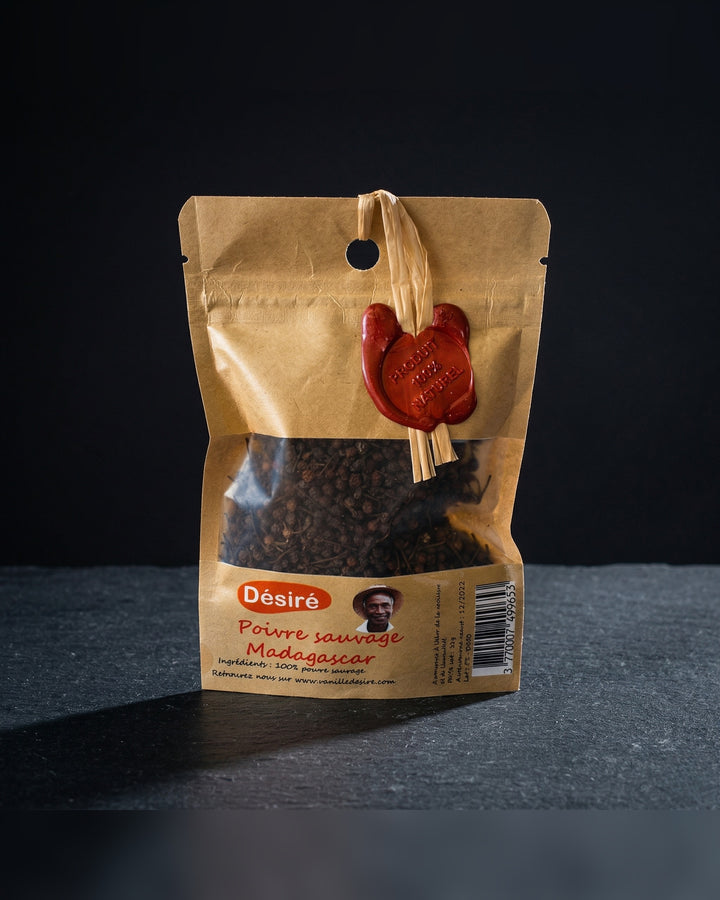
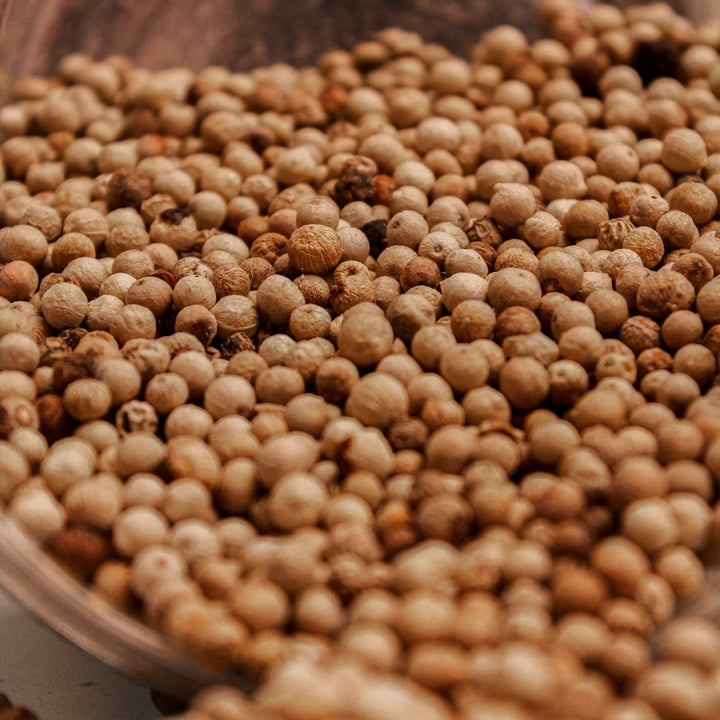
In Madagascar, local rum (toaka) has been distilled since the 19th century. Flavoured rum is called "rhum arrangé" there, as in Reunion Island, and each family keeps its own recipe, passed down orally. The spices that make up a typical spiced punch are almost all grown in Madagascar: vanilla from the SAVA region, clove from Antalaha, cinnamon from Ambanja, ginger and turmeric from the Highlands, and wild voatsiperifery pepper from the eastern forests.
This concentration of production on a single island, a rare feature in the world, explains why Malagasy spiced punch has a recognisable aromatic signature, more woody and deeper than its West Indian cousins, which are often more fruit forward.
At Vanille Désiré, the Madagascar punch blendis put together directly from spices that our family grows in Madagascar, in proportions inherited from family recipes from Tamatave and Antalaha.
2. Aromatic profile of the punch blend
The typical Madagascar spice blend for punch combines several layers:
The warm aromatic base (60%) - Ceylon or Madagascar cinnamon: a warm, gentle woody note - Clove: a piercing, balsamic point - Ginger: warmth and freshness - Cardamom: a lemony, camphor like note
The aromatic heart (25%) - Bourbon vanilla: the gourmand note - Nutmeg: tannic depth - Mace, the outer covering of nutmeg: finesse
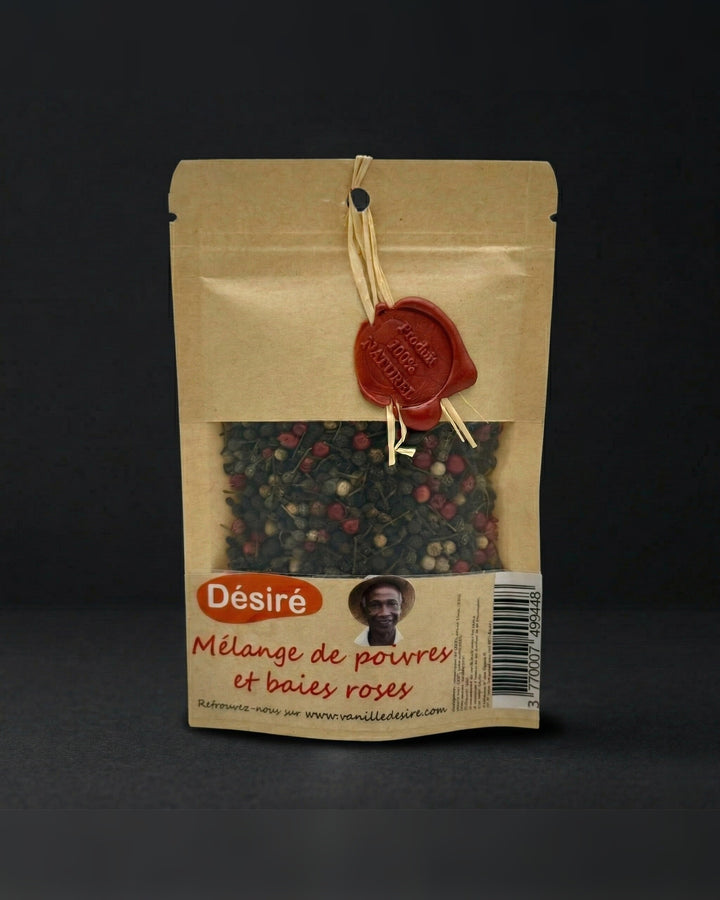
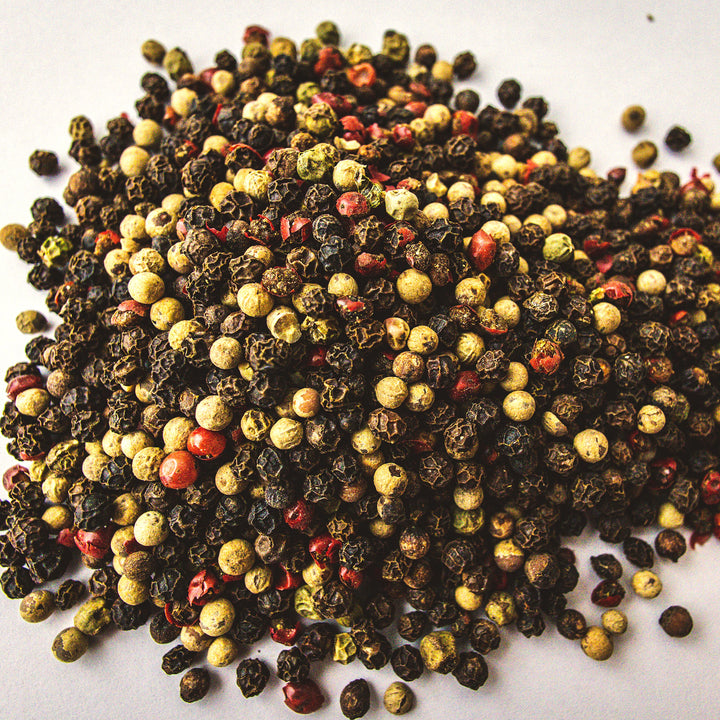
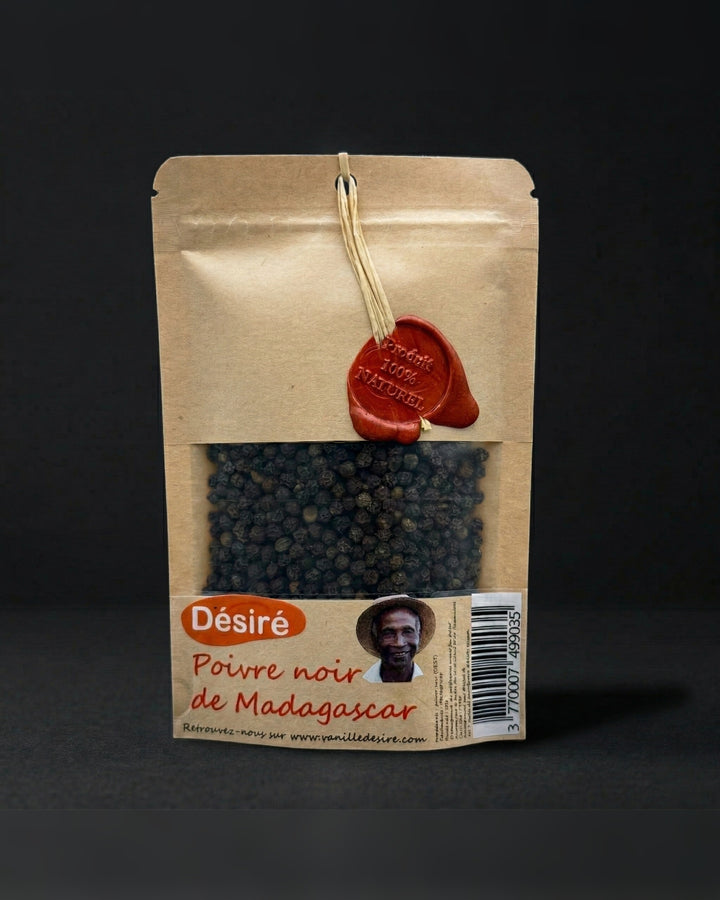
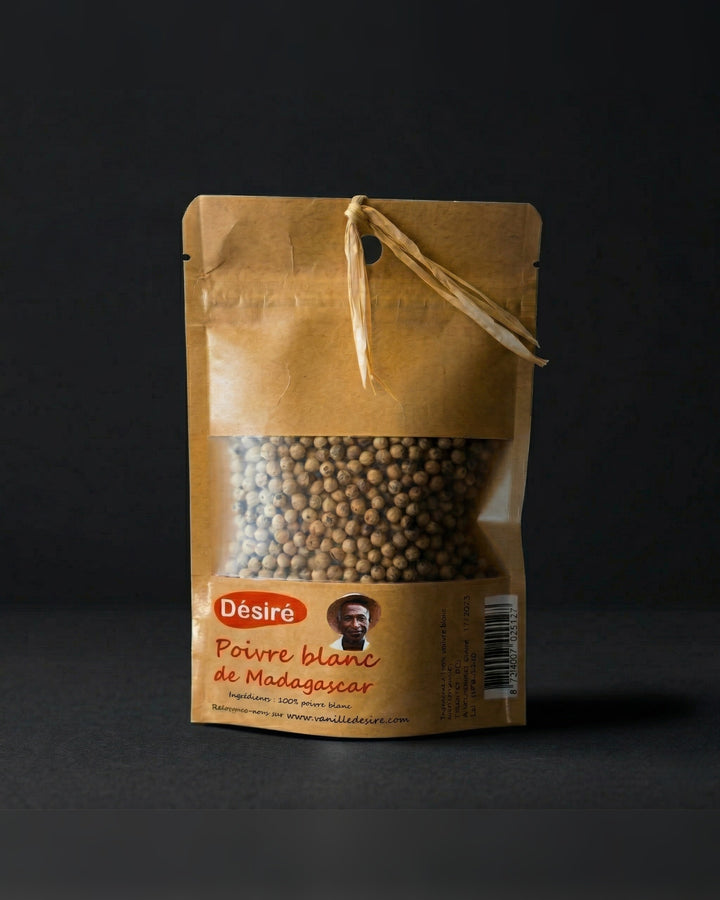
The final touches (15%) - Star anise: an anise like, fresh note - Pepper: structure - Dried citrus zest
The overall profile is warm, balsamic and gourmand, with a long, lingering finish. Ideal with an aged agricultural rum, to build a genuine aromatic signature.
3. Applied recipes
[PHOTO_PUNCH_VERRE_CITRON]
Recipe 1: Basic Madagascar spiced punch
For 70 cl
- 70 cl of white agricultural rum, 50 proof (or aged rum, 45 proof)
- 2 level tablespoons of Madagascar punch blend
- 1 Bourbon vanilla bean, split and scraped
- 80 g of brown cane sugar (or cane syrup)
- 1 zest of untreated lime
In a sterilised jar, mix the sugar and the rum until dissolved. Add the spices, the vanilla bean, and the zest. Seal tightly, and shake. Let macerate for at least 3 months, in a cupboard away from light. Shake gently once a week. Strain, or serve with the spices left in.
Recipe 2: Hot winter punch
For 4 glasses
- 50 cl of dark rum
- 10 cl of cane syrup
- Juice of 2 oranges plus 1 lemon
- 1 tablespoon of punch blend
- 1 split vanilla bean
- 1 whole cinnamon stick
- 5 cloves
Heat gently for 15 minutes without bringing to a boil (otherwise the alcohol evaporates). Strain. Serve hot in a mug. Ideal for winter evenings.
Recipe 3: Tropical Spicy cocktail
For 1 glass
- 5 cl of homemade Madagascar spiced punch
- 3 cl of fresh pineapple juice
- 1 cl of lime juice
- 1 cl of homemade ginger syrup
- Crushed ice
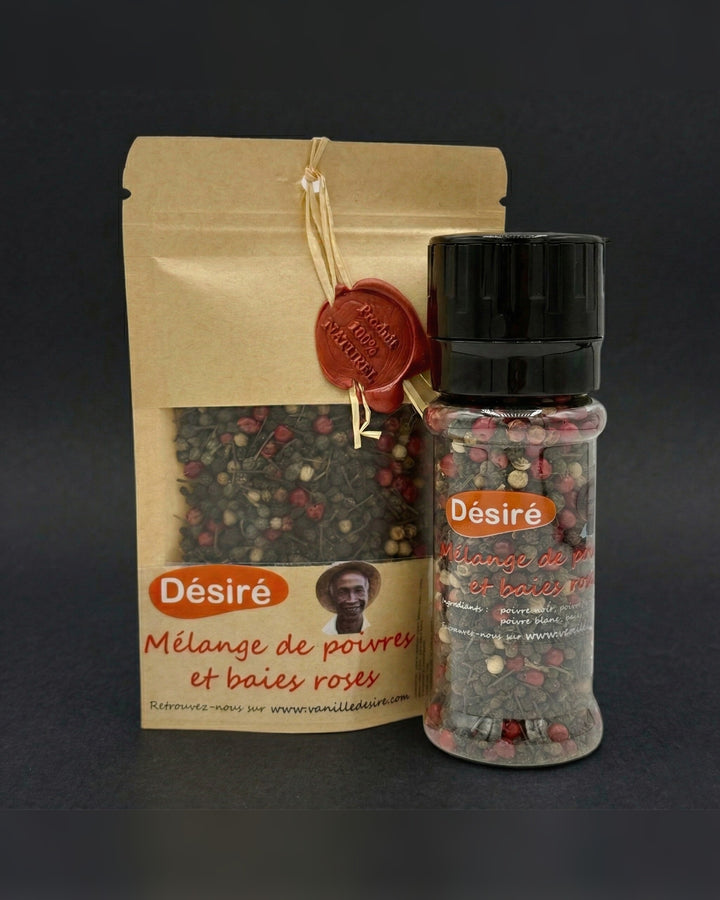
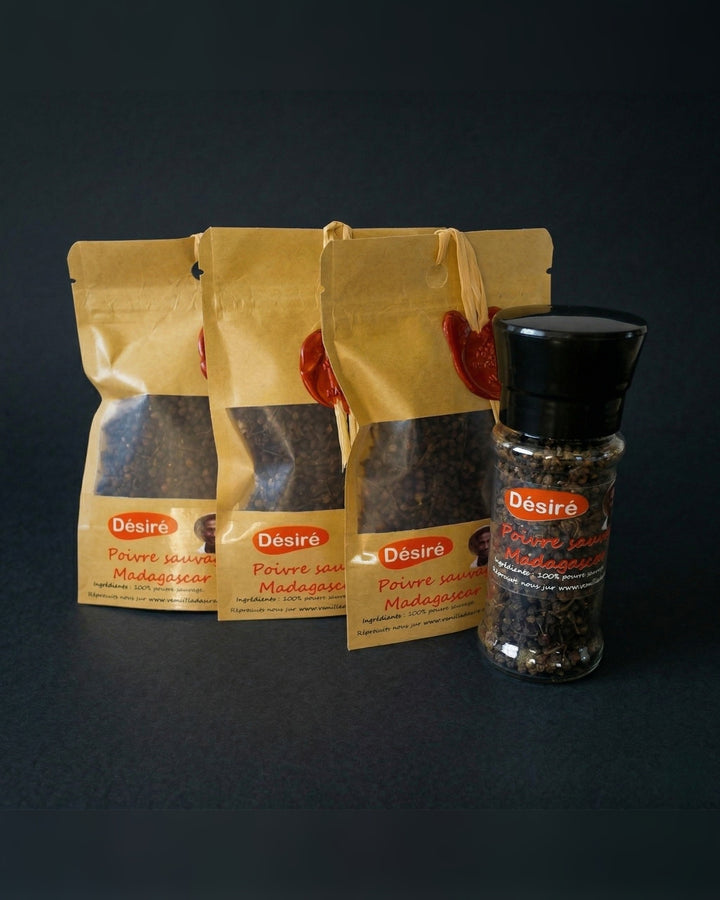
- 1 turn of the voatsiperifery peppermill on top
Shake the first four ingredients with ice, pour into an old fashioned glass, add the crushed ice, and finish with the fresh pepper. Garnish with a pineapple wedge.
Recipe 4: Long aged Christmas punch
For lovers of long maceration, prepare your punch in October for Christmas. Double the amount of vanilla (2 beans), add 3 cm of fresh ginger, 5 cardamom pods, 1 whole star anise. Macerate for 2 to 3 months, and serve well chilled as a digestif or in a kalinka cocktailwith a dash of pomegranate juice.
Recipe 5: Alcohol free punch syrup
Boil 50 cl of water and 400 g of sugar for 5 minutes. Off the heat, add 1 tablespoon of punch blend, 1 split vanilla bean, and 1 cinnamon stick. Infuse for 1 hour, covered. Strain into a bottle. Keeps for 3 months when chilled. Ideal for flavouring a hot tea, a mocktail or a yoghurt.
4. Comparison table of punches and rhums arrangés
| Criterion | Madagascar spiced punch | Reunion rhum arrangé | West Indian ti'punch | European mulled wine |
|---|---|---|---|---|
| Base | Agricultural rum | Agricultural or traditional rum | White agricultural rum | Red wine |
| Dominant aromas | Vanilla, cinnamon, clove | Vanilla, exotic fruit | Lime, sugar | Cinnamon, orange, clove |
| Maceration | 2 to 12 months | 2 months to several years | Made instantly | 30 minutes, heated |
| Serving | Chilled or hot | Chilled, as a digestif | Chilled, as an aperitif | Hot, in winter |
| Sugar | Brown, cane, honey | Cane, syrup | Raw cane | Brown sugar, honey |
5. Benefits and properties
Spiced punch, consumed in moderation, has the appeal of combining the properties of the spices it contains. Clove and cinnamon are rich in phenolic compounds with documented antioxidant properties, as noted in the references available on Wikipedia, cloveand Wikipedia, cinnamon.
Ginger is traditionally recognised for its digestive properties. Vanilla contributes its soothing notes, studied in aromatherapy.
Important : like any alcoholic product, spiced punch should be consumed in moderation. Excessive alcohol consumption is dangerous to health. No health benefit can justify excessive consumption.
6. Storage and quality
A quality spiced punch keeps for several years in a tinted glass bottle, away from light and at a stable temperature (an ideal cellar sits between 12 and 18 degrees C). The longer the maceration, the rounder and more complex the aromatic profile becomes.
A few rules: - Always use a sterilised jar(in an oven at 110 degrees C for 15 minutes) for the maceration. - Choose an AOC agricultural rum or one with another quality mark : a low grade rum makes for a mediocre punch. - Whether to strain or not is a matter of taste. Keeping the vanilla and cinnamon in the bottle looks attractive and keeps infusing gently. - The sugar should be adjusted at the end of the maceration : more can always be added, but never removed.
The dry spice blend itself keeps for 18 months in an opaque, airtight jar.
7. Extended FAQ
How long should a spiced punch macerate?
At least 3 months, 6 months for a balanced result, 1 year or more for an exceptional punch. Patience is the key.
Which rum should be used?
A quality agricultural rum, ideally from the French West Indies or Reunion Island, preferably around 50 proof to extract the aromas well. An aged rum gives a rounder result, a white rum a cleaner one.
Can punch be made without alcohol?
Yes, as a punch syrup (see recipe 5) or by infusing the punch blend in kombucha or fruit juice. Long maceration is not possible without alcohol.
Should the punch be strained before drinking?
It is a matter of taste. Keeping the spices in the bottle looks attractive and keeps infusing gently. Straining gives a more stable product over time.
How much blend per bottle?
2 level tablespoons per 70 cl is our standard recommendation. Use more for a very spicy punch, less for a delicate profile.
Can punch become too strong?
Yes, if maceration goes on for several years with the spices left in the bottle. Taste it regularly and strain if needed.
What should spiced punch be served with?
Neat as a digestif (chilled to minus 5 degrees C in the freezer), hot as a winter grog, or in a cocktail with exotic fruit and ice. Also excellent in baking, to flavour a chocolate cake or a baba.
Is the punch blend organic?
Our blend is put together from spices that our family grows in Madagascar . Check the product page for certification details.
8. Shop and related products
- Madagascar Punch Blend 40g, the heart of the recipe
- Madagascar Bourbon Vanilla, 3 beans, the vanilla note
- Pompona XXL Vanilla, for long macerations
- Madagascar Clove 25g, the balsamic depth
- Voatsiperifery Pepper 50g, for the cocktail finish