Quick answer: The most frequent mistakes with spices are poor storage (light, heat, humidity), grinding too far ahead, a poorly chosen moment to add them during cooking, and a dose poured without tasting. Avoiding them comes down to a few simple habits: closing the container properly, grinding at the last moment, adding a strong spice near the end of cooking and adjusting by taste rather than by eye.
A good-quality spice can lose much of its interest because of a few poorly judged habits, even before it reaches the plate. The most common mistakes repeat themselves from one kitchen to another: a jar left badly closed, grinding done too early, a poorly chosen moment to add it, a heavy hand with no spoonful tasted along the way. This page goes through these mistakes one by one, with, for each, the page that goes further into the right habit to adopt.
Storing spices badly
Spices have three well-known enemies: light, heat and humidity. A jar left in full sun, placed near the stove or in a damp cupboard, loses its aroma much faster than a closed jar kept somewhere cool and away from light. The easiest mistake to fix is also the most common: a lid not properly closed, a bag folded over instead of sealed shut. The detail of what works (jar, tin, cupboard) is explained in our page on storing spices. Keeping a container too long does not help either: a spice past its date, or one that has sat in a drawer for years, loses strength and ends up adding little to the dish, even in a generous dose. Our page on the minimum durability date of spices explains how to spot this moment.
Grinding too far ahead
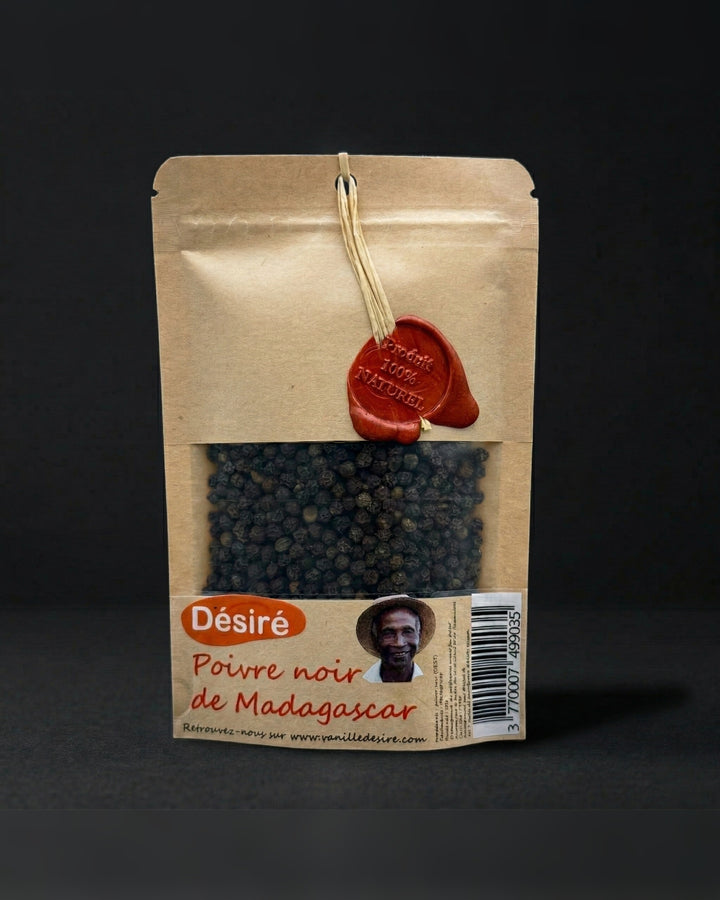
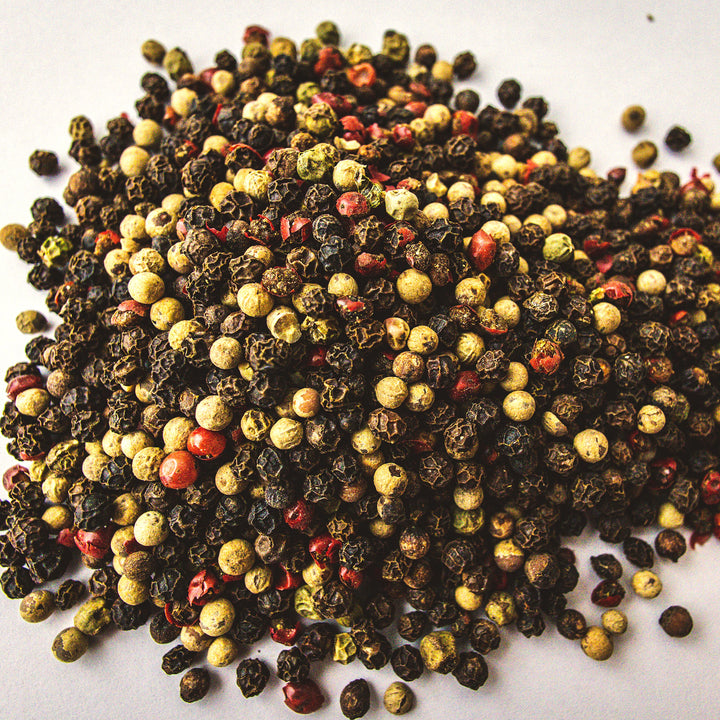
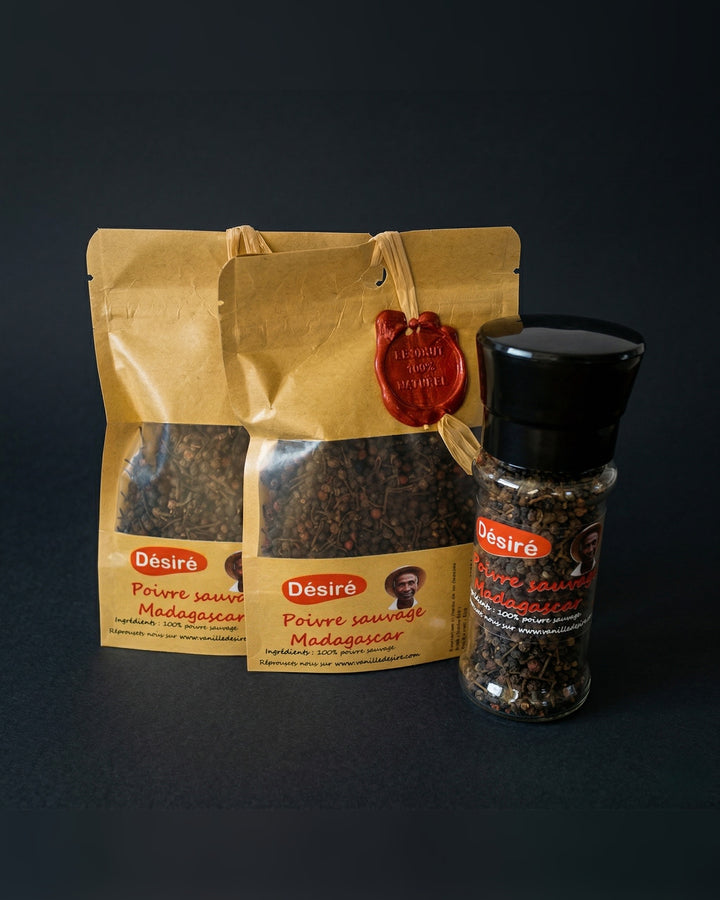
A whole spice keeps its aroma far longer than one already ground: once reduced to powder, it releases its essential oils all at once, then loses intensity much faster. Grinding pepper several weeks before using it, or buying a large quantity of powder to use only a pinch a week, is a frequent mistake. The most effective habit remains to grind just before serving, with a mill that can be refilled rather than a disposable one. Our pages on pepper ground in advance or at the last moment and on the refillable pepper mill set out how to go about it, for example with our black pepper in a refillable mill.
Forgetting to toast a spice that needs it
Some whole spices give much more once lightly dry-heated, for a few seconds, before being added to the dish or ground: this is the case, for example, with cumin, fennel or coriander seeds, spices we do not sell but that come up in many recipes. Skipping this step, or on the contrary toasting for too long until the spice burns, loses the whole point of the operation. The same principle applies to ground spices such as curry powder or turmeric, which develop their flavour by spending a few moments in hot fat before the rest of the ingredients are added. The step is set out in our pages on dry-toasting whole spices and on frying spices in oil, to try with our Madagascar curry or our Madagascar turmeric.
Adding a spice at the wrong moment
Not all spices call for the same moment of addition. The mildest, such as cinnamon, can withstand long cooking and can go in from the start or the middle of the preparation. The strongest, such as pepper or ginger, lose part of their flavour if they cook for too long: they are better added near the end of cooking, sometimes even off the heat. A clove left forgotten in a dish that simmers for hours ends up giving a different flavour from the one expected when adding it at the start of preparation. The choice of moment, spice by spice, is set out in our pages when to add pepper and spices and slow-cooked dishes, useful with our Madagascar cloves or our Madagascar cinnamon.
Dosing without tasting
Pouring a strong spice by eye, without cutting back the usual amount, is a classic mistake, particularly with chilli. Mixing several strong spices in the same dish without thinking about how they go together can also give a result where none of them really stands out, the flavours covering one another instead of adding up. The best habit remains to start with a small amount, then taste along the way to adjust, rather than following a random dose right to the end. Our page on a dish that is too spicy explains how to go back once it is done; the one on replacing a spice helps adjust when one of them is missing. Our Madagascar pili-pili chilli suits this principle well: a very small amount is enough to begin with.
Pouring the spice straight from its bag
Shaking a bag or a jar directly over a hot pan or saucepan is a common habit, but it has two drawbacks: the amount that falls is hard to control, and the rising steam can dampen the rest of the contents, which shortens its shelf life once the jar is closed again. Pouring the spice into a spoon first, over the worktop, away from the steam, makes it possible both to dose more precisely and to keep the container dry for next time.
Habits worth remembering
- Close every jar or bag carefully after use, away from light and heat.
- Grind a whole spice just before using it rather than several weeks ahead.
- Toast or fry in fat the spices that benefit from it, without letting them burn.
- Add a mild spice earlier, a strong spice later in the cooking.
- Start with a small dose, taste, then adjust.
- Pour with a spoon rather than straight from the container over a hot pan.
Starting from a quality spice
A spice that was already bland or poorly prepared at the time of purchase will not regain its aroma, even with all these habits combined. Our peppers, our cloves, our Ceylon cinnamon and our pili-pili chilli are grown and prepared in Vangaindrano, in the southeast of Madagascar. Our page on choosing quality spices sets out the criteria to check before buying, in shop or online.
Our products:
- See black pepper in a refillable mill
- See Madagascar curry
- See Madagascar turmeric
- See Madagascar cloves
- See Madagascar cinnamon
- See Madagascar pili-pili chilli
Frequently asked questions
Should pepper be ground in advance or at the last moment?
At the last moment if possible: once ground, pepper loses its aroma faster than in peppercorns, especially if kept for a long time before use.
Why should some spices be added at the end of cooking?
The strongest spices, such as pepper or ginger, lose part of their flavour if they cook for too long: they give more when added towards the end, or even off the heat.
Can spices be poured straight from the bag into a hot pan?
It is not the best habit: the rising steam dampens the rest of the bag, and the dose is less precise than with a spoon poured over the worktop.
How can a dish be kept from becoming too spicy?
By starting with a small amount and tasting along the way, rather than pouring a random dose from the start: it is easier to add more than to take it back out.
The Vanille Désiré team