Quick answer: Dry-roasting a whole spice means heating it briefly in a pan with no fat, stirring constantly, until its smell shifts from raw to toasted. You then stop it sharply on a cold plate, and grind it once fully cooled, with a mortar or a mill.
Dry-roasting a whole spice means heating it briefly in a pan, with no oil and no water, before grinding it. The technique changes the spice's aroma rather than simply intensifying it: well-handled dry heat brings out toasted notes that the raw spice does not have. This page details the technique for whole spices such as peppercorns, cloves and broken cinnamon bark. Sesame seeds, which are also dry-roasted but behave differently, are covered on our dedicated page.
Why dry heat changes the aroma
A whole spice keeps its aromatic oils inside intact cells. Dry heat makes them burst and releases these compounds all at once. At the same time, it triggers what food chemistry calls the Maillard reaction: the sugars and amino acids present in the spice react under the effect of heat and form new odorous compounds and brown pigments. These reactions mainly kick in above roughly a hundred degrees, which is why a dry pan, markedly hotter than cooking in a liquid, transforms the taste of the spice instead of simply warming it through.
The equipment
- A thick-bottomed frying pan or sauté pan, dry, with no fat at all.
- A wooden spoon to stir or to shake the pan continuously.
- A cold plate, kept within reach, to stop the cooking as soon as the spice is ready.
- A mortar or a spice mill for grinding, once the spice has cooled.
The technique, step by step
- Heat the empty pan over low to medium heat.
- Pour in the whole spices in a thin layer, without stacking them.
- Stir or shake the pan constantly: a spice left a few seconds too long burns and turns bitter.
- Watch the smell and the colour: the smell shifts from raw to toasted, almost nutty, and the colour darkens slightly.
- As soon as this change happens, immediately tip the spices onto the cold plate to stop the cooking sharply.
- Let them cool completely before grinding: a spice that is still warm holds onto moisture and clumps when ground.
Pepper, cloves, cinnamon: three different behaviours
Whole peppercorns
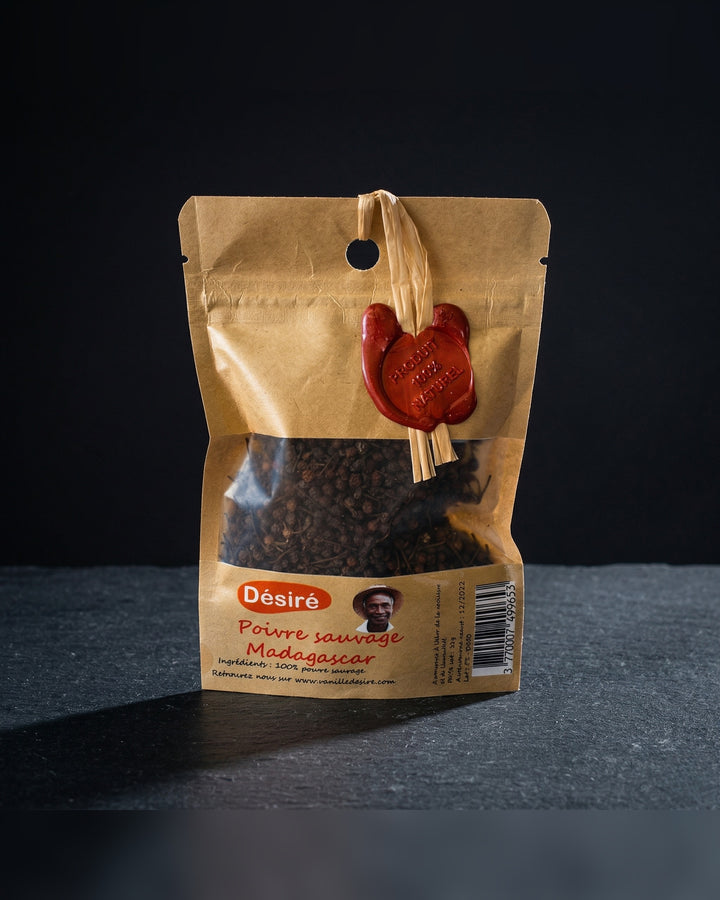
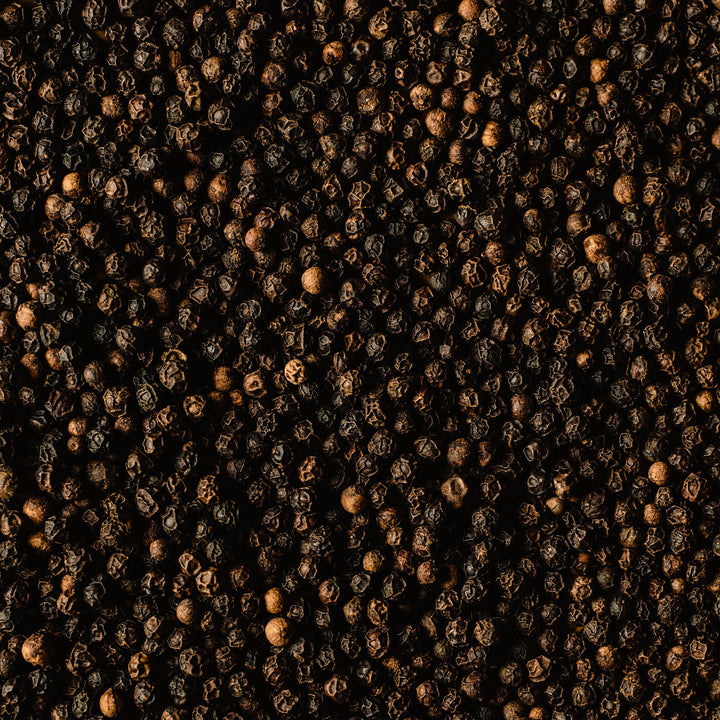
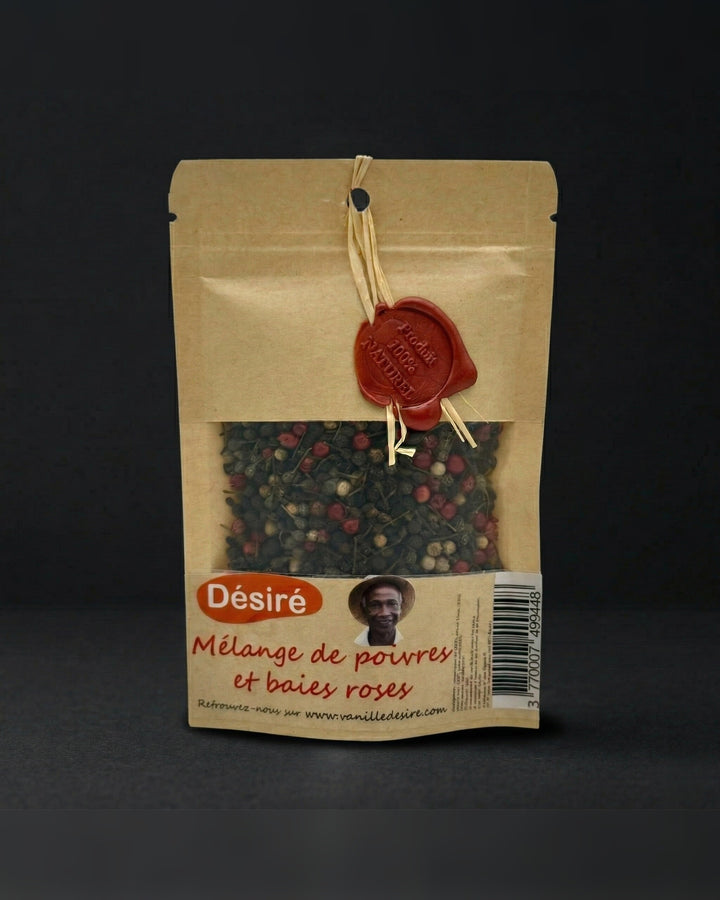
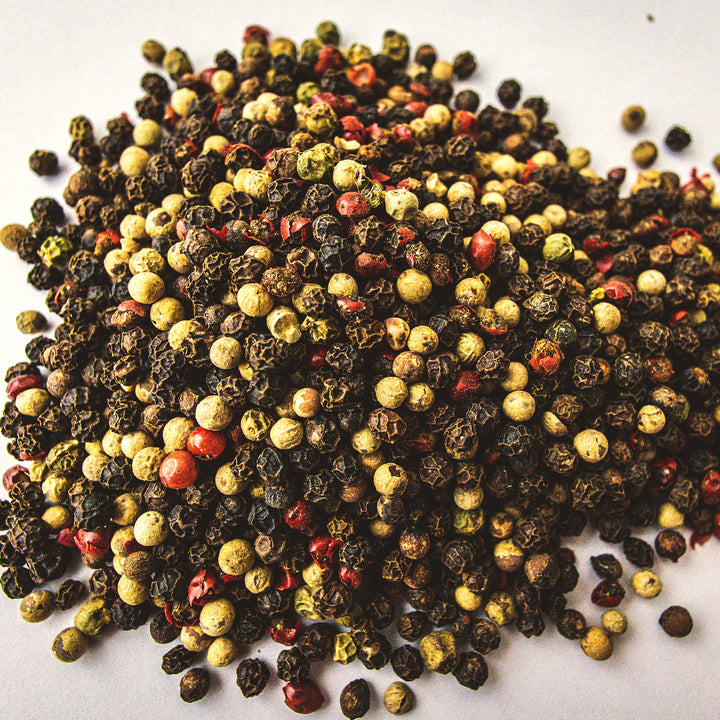
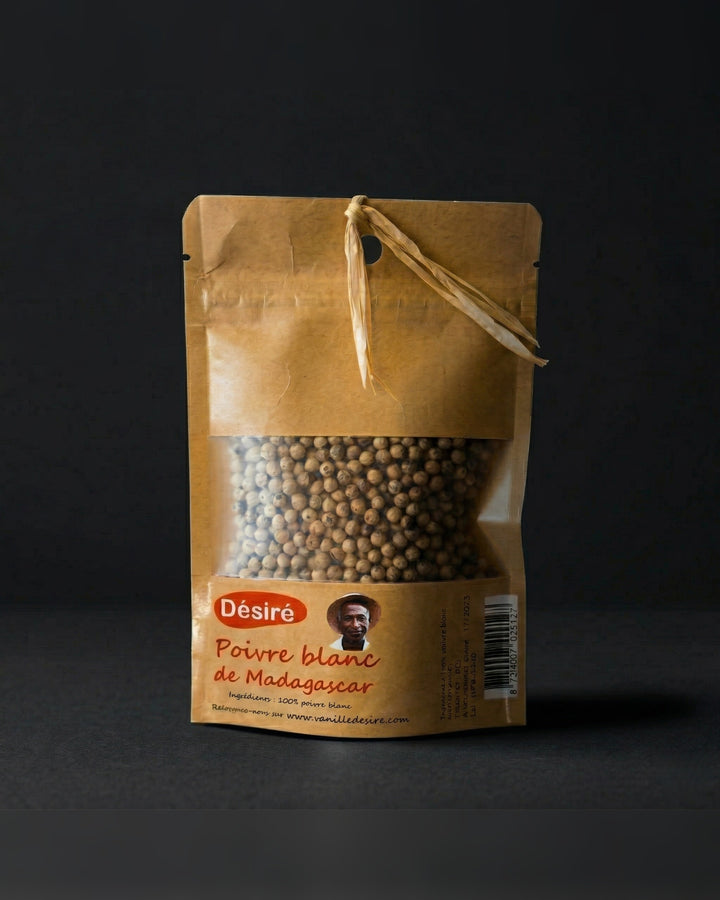
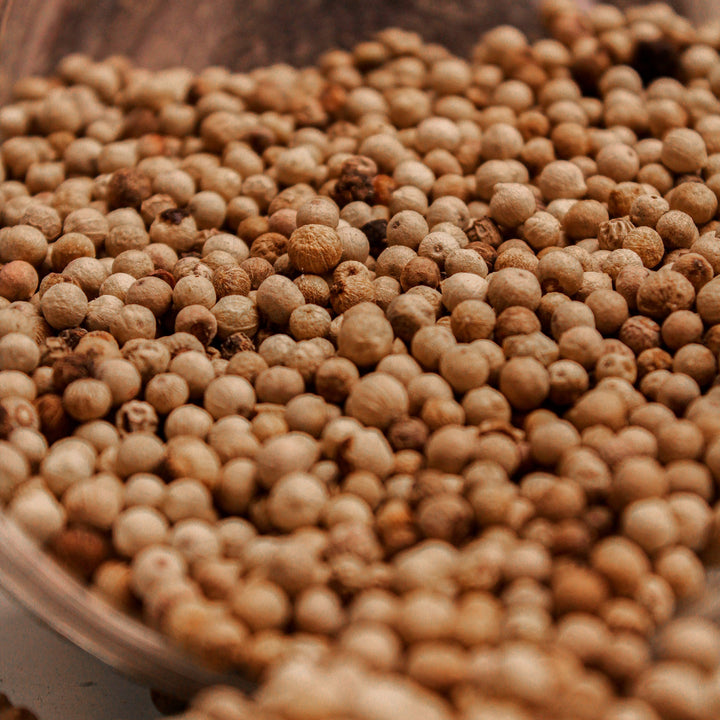
Peppercorns, black, white or wild, are small and even in size: they roast quickly, in one to two minutes over medium heat. Shake the pan rather than stirring with a spoon, for even heat. Once cooled, the berries are ground with a mortar or a mill; our page on wild pepper details both grinding methods.
Cloves
A clove is denser than a peppercorn and takes a little longer to heat through. Watch in particular the small stem of the flower bud, the thinnest part: it is the first to blacken if the heat is too high.
Broken cinnamon bark
Whole cinnamon, in bark or broken pieces, holds a lot of concentrated aromatic oils: it burns faster than you would think and can smoke if the heat is too high. Low heat and constant watching are essential. Once cooled, it is broken by hand before grinding, the pieces being too hard for a simple mortar.
Pitfalls to avoid
- Heat too high: the spice burns within seconds and takes on a bitter taste that cannot be undone.
- An overloaded pan: the spices underneath heat more than the ones on top, and the roasting becomes uneven.
- Forgetting to stir: a still patch at the bottom of the pan always heats more than you would think.
- Grinding too soon: a spice that is still hot or warm sticks and clumps.
- Grinding too far ahead: a freshly roasted powder quickly loses the benefit of the operation if it waits several weeks before being used.
Not to be confused with sautéing in oil
Dry-roasting and sautéing in oil are two different techniques. The first is done on the spice alone, with no fat, before grinding it and adding it to a recipe. The second happens while a dish is being prepared, with the spice (often already ground) heated briefly in oil before the liquid is added, as we detail for curry, turmeric and ginger on our page about spices sautéed in oil.
After roasting
Grind only the amount needed for the day's recipe: a roasted powder loses its benefit if it stays exposed to air for too long. Keep the rest of the roasted spice whole, in an airtight jar, away from light, and grind it as you need it.
Our whole spices
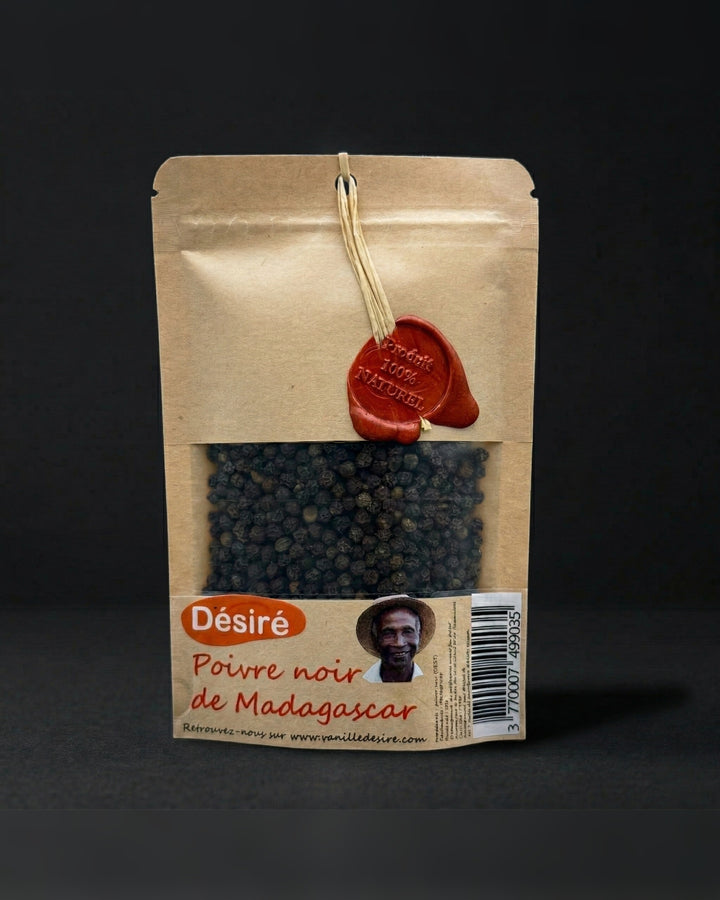
Our family grows black pepper and cloves in Vangaindrano, in south-eastern Madagascar; wild pepper is gathered there in the forest, it is not cultivated. Our cinnamon comes as a powder, for everyday use, and as raw bark, designed for larger volumes: both come from the same region.
Frequently asked questions
How do you know when a dry-roasted spice is ready?
By watching the smell rather than the clock: it shifts from raw to toasted, almost nutty, and the colour darkens slightly; at that point the spice must be tipped immediately onto a cold plate to stop the cooking.
Why let a roasted spice cool before grinding it?
Because a spice that is still warm holds onto moisture and clumps when ground.
How long should peppercorns be roasted?
Peppercorns roast quickly, in one to two minutes over medium heat, by shaking the pan rather than stirring with a spoon.
What is the difference between dry-roasting and sautéing in oil?
Dry-roasting is done on the spice alone, with no fat, before grinding it and adding it to a recipe; sautéing in oil happens while a dish is being prepared, with the spice heated briefly in oil before the liquid is added.
Our products to go further: Madagascar black pepper, whole berries · Madagascar cloves, whole buds · Madagascar cinnamon, raw bark. For grinding pepper, see our page on grinding wild pepper with a mortar or a mill, and for cooking ground spices in oil, our page on sautéing spices in oil.
The Vanille Désiré team