Quick answer: To store powdered spices well, protect them from light, heat and moisture, in an airtight jar kept in a cool cupboard, away from the stove. The refrigerator should be avoided: the condensation that forms when the jar comes out dampens the powder.
To store powdered spices well, they must be protected from three things: light, heat and moisture. A well-closed jar, kept in a cool cupboard, away from the stove, is enough in most cases. The powder is taken out with a dry spoon and the jar is closed again right away.
Why spices lose their fragrance
A powdered spice is a fragile product. Once ground, it presents a large surface to the air, and its aroma escapes little by little. Light fades it, heat speeds up this loss, and moisture causes clumping, or even mould. These three factors act together: a pot of powder placed near a hob, under a window, adds up the risks.
Choosing the right container
- An airtight jar, glass or metal, that keeps air and moisture out.
- Tinted glass or an opaque pot if the cupboard gets light. A clear glass jar should be kept in a closed drawer or behind a door.
- A size suited to the quantity. A large jar that is half empty holds a lot of air. It is better to transfer the spice into a smaller pot as the stock goes down.
- A clean, dry lid: the smallest drop of water in the jar makes the powder clump together.
Where to store your spices
A good spot is a cupboard or drawer away from heat sources: not above the stove, not next to the oven, not near a kettle or a dishwasher. Also avoid the windowsill, even if the pots look decorative there. A dry place at a steady temperature is better than a spot that keeps heating up and cooling down.
The refrigerator is not a good idea for powdered spices: once the jar comes out of the cold, it gets covered in condensation, and this moisture damages the powder.
Everyday habits
- Use a dry spoon. Never shake the jar over a steaming saucepan: the steam rises into the pot and the powder picks up moisture.
- Close it again right away. An open jar remains the main enemy of the aroma.
- Note the date it was opened on the lid or on the label. That way you know how long the pot has been in use.
- Buy in a reasonable quantity. A jar you finish is better than a large bag that fades at the back of the cupboard.
- Keep whole spices to grind as needed, when possible: they keep their fragrance longer than powders that are already ground.
Checking that a spice is still good
You do not need a precise date to judge the state of a spice. Your senses are enough.
- Smell. Pour a pinch into the palm of your hand, rub it with your thumb and smell it. If the aroma is clear, the spice is good. If it is weak or flat, it has faded.
- Colour. A powder that has faded a lot, dulled or discoloured in places has probably been exposed to light.
- Texture. Large, hard clumps signal moisture. A powder that has packed into a solid block should be thrown out if it smells musty.
- Appearance. White or green spots, filaments or a musty smell: throw out the contents of the pot.
A spice that has faded a little is not dangerous, it simply gives less flavour. It can be used in a larger quantity, or kept for a dish that simmers for a long time. But a mouldy spice should be thrown out.
What to do if there is moisture
If the powder has formed small clumps with no musty smell, they can be crushed with the back of a spoon before using the contents quickly. Then change container, since the moisture will come back. Do not dry a powder in the oven to reuse it: the heat destroys its aroma.
Special cases
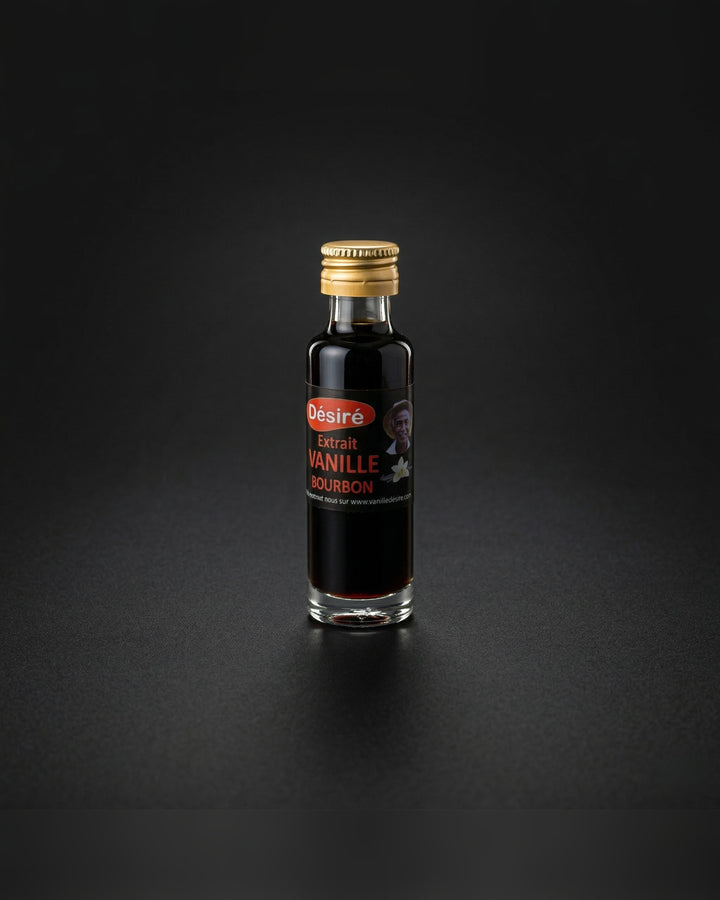
Some spices need their own particular care. Turmeric stains: keep its jar on a tray. Chilli dries out quickly and scatters, keep it in a well-closed pot. Vanilla is not stored like a powder: it has its own page, storing and preparing vanilla. Salts and blends need the same precautions as powders, especially against moisture.
Our Madagascar spices
Our family grows its spices in Vangaindrano, in the southeast of Madagascar. It grows and prepares its vanilla in the SAVA region, in the northeast of Madagascar. The two need different storage care: that is why powdered spices should be stored as described here, and vanilla as described on its own page. To discover the range and its uses, the Madagascar spices guide is the right place to start. If in doubt on a specific point, the vanilla and spices frequently asked questions page answers common questions. Technical terms can be found in the spice glossary.
Frequently asked questions
Can spices be kept in the refrigerator?
No: the jar gets covered in condensation once it comes out of the cold, and this moisture damages the powder.
How can you tell if a powdered spice is still good?
Rub a pinch between your fingers and smell it: a clear aroma signals a spice that is still good, a weak or flat aroma a spice that has faded. Hard clumps or a musty smell mean the contents should be thrown out.
What should you do if a powder has formed damp clumps?
If it does not smell musty, the clumps can be crushed and the contents used quickly, then the container should be changed, since the moisture will come back.
Can turmeric and chilli be kept like other powdered spices?
The same precautions apply, with one extra point: turmeric stains, so its jar is best kept on a tray, and chilli dries out quickly, so it should be kept in a well-closed pot.
Our products to go further: Madagascar Turmeric · Madagascar Cinnamon · Madagascar Ginger Powder
The Vanille Désiré team