Quick answer: Vanilla does not sweeten a dish: it acts on perception. Its smell, long associated with sweet taste, can make a preparation seem sweeter than it really is. A Penn State University study on flavoured milk found that added sugar could be reduced by 20 to 50% without changing how sweet the tested people perceived it to be.
The question comes up often: does vanilla help put less sugar in a recipe? The answer lies in how the brain associates a smell with a taste, rather than in any chemical property of vanilla itself. This page describes what a study on the subject shows, and its limits, purely from the point of view of the taste perceived in the plate or the glass.
A matter of perception, not less sugar on the plate
Sweet taste and the smell of vanilla have been associated since childhood, through repeatedly encountering them together in desserts, dairy products or pastries. Because of this learned association, smelling vanilla makes the brain expect something sweet, and can make a preparation seem sweeter than it really is, even though the amount of added sugar has not changed. This is what researchers call a cross-modal interaction between smell and taste: the smell does not change anything in the dish’s composition, it changes what the brain perceives of it.
What a Penn State University study on milk shows
A team from Penn State University tested this effect on flavoured milk, using a blind protocol: the people tested, who did not know that a milk contained vanilla, had to choose, among four milks sweetened to different degrees, the one that best matched the vanilla milk they had just been given to taste. Result: the vanilla milks were matched to milks far sweeter than they actually were. According to the researcher behind the study, adding vanilla could allow added sugar content to be reduced by 20 to 50% in flavoured milk, without people perceiving it as less sweet. The explanation put forward is a learned association between a smell and a taste, which “tricks the brain into believing there is enough sugar”.
The limits of this result
This figure comes from one specific product, flavoured milk, tested under laboratory conditions. It does not say that any vanilla-flavoured dessert can automatically be made with half the sugar: the effect depends on the preparation, its texture and the other flavours present. The researchers themselves acknowledge that the exercise becomes harder with a product like chocolate, whose natural bitterness complicates the balance between reducing sugar and the vanilla aroma. This page therefore draws no general rule: it reports a specific result, obtained on a specific product, to be taken as a lead rather than a formula to apply everywhere. The exact percentage (20 to 50%) comes from flavoured milk in a laboratory, not from a cake, a cream or a compote made at home, where texture, temperature and other ingredients change the way the nose and the tongue work together.
Trying the effect in your own kitchen
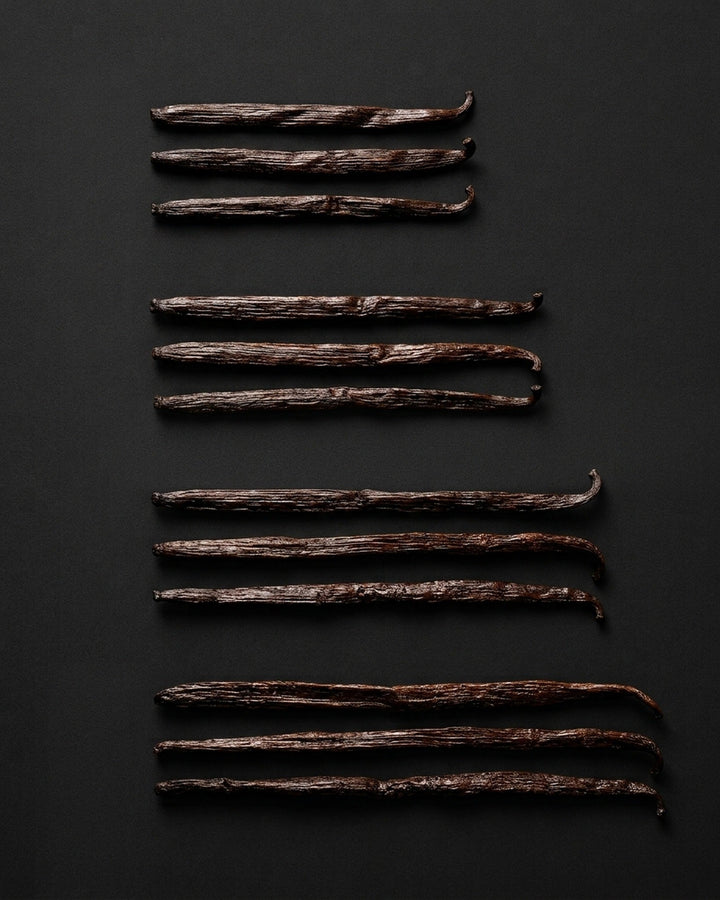
In practice, the idea is simple to test: flavour a preparation with vanilla, then slightly reduce the usual amount of sugar and taste before adjusting, rather than applying a fixed percentage. Vanilla is added in several forms depending on the preparation and the moment of cooking, detailed in our pages on dosing vanilla and on when to add it. For a dessert that calls for icing sugar, our page on vanilla sugar or vanillin sugar helps choose the right version; for a dry preparation, our page on vanilla powder explains how to use it. As with any recipe adjustment, the final step remains tasting as you go rather than following a figure to the letter.
Our products
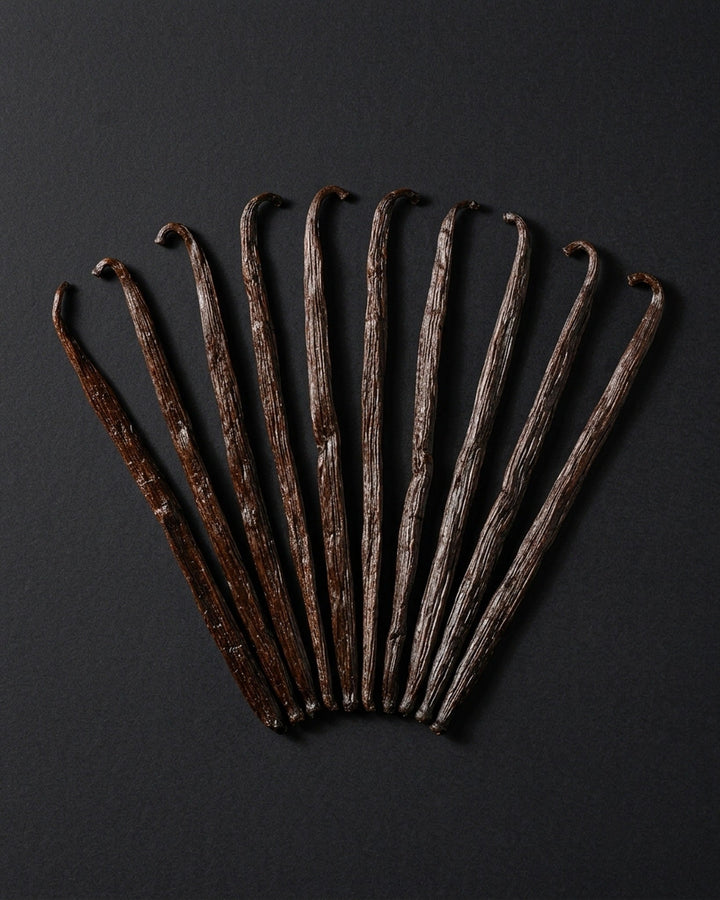
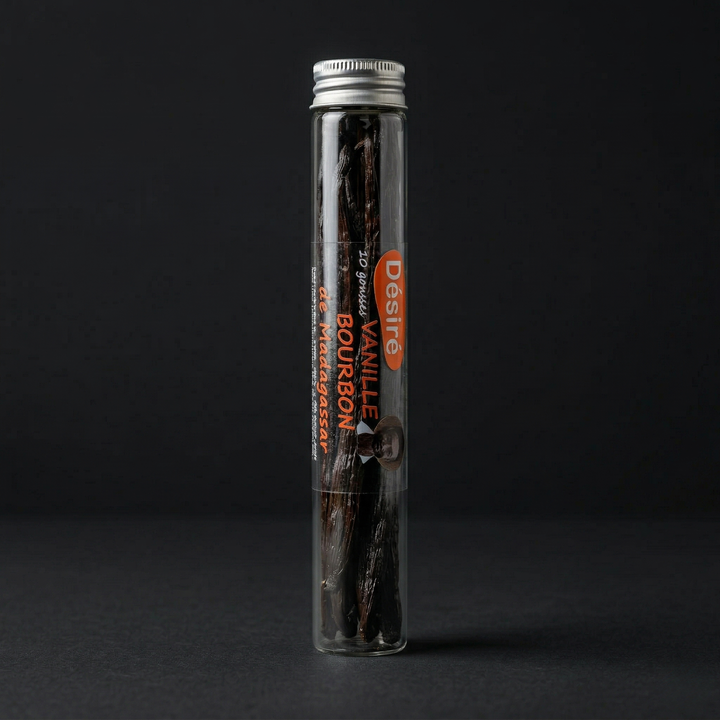
- See the Bourbon vanilla pods, small tube
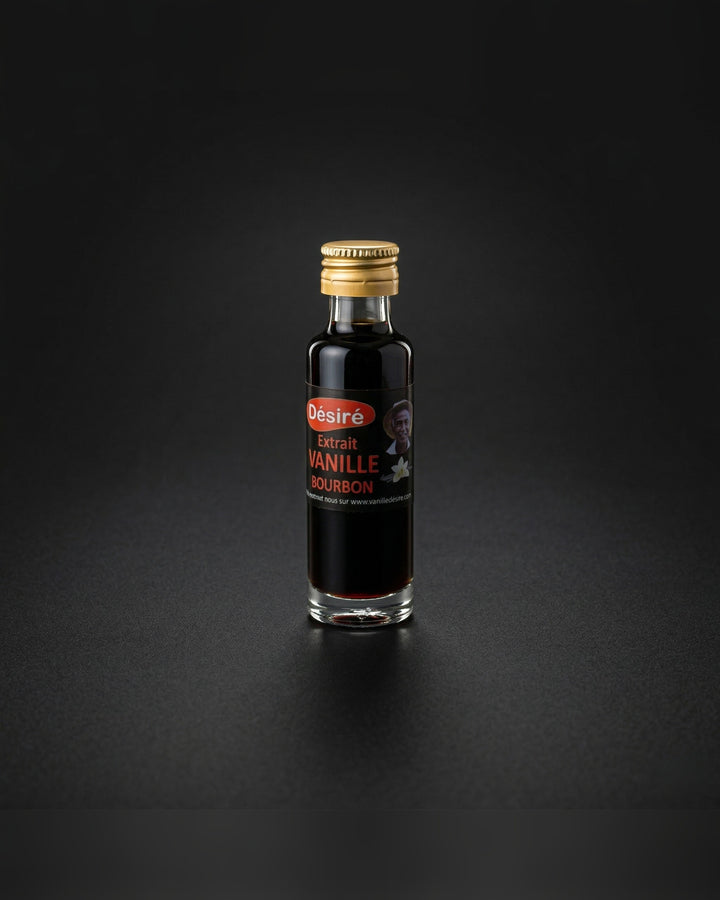
- See the Bourbon vanilla extract
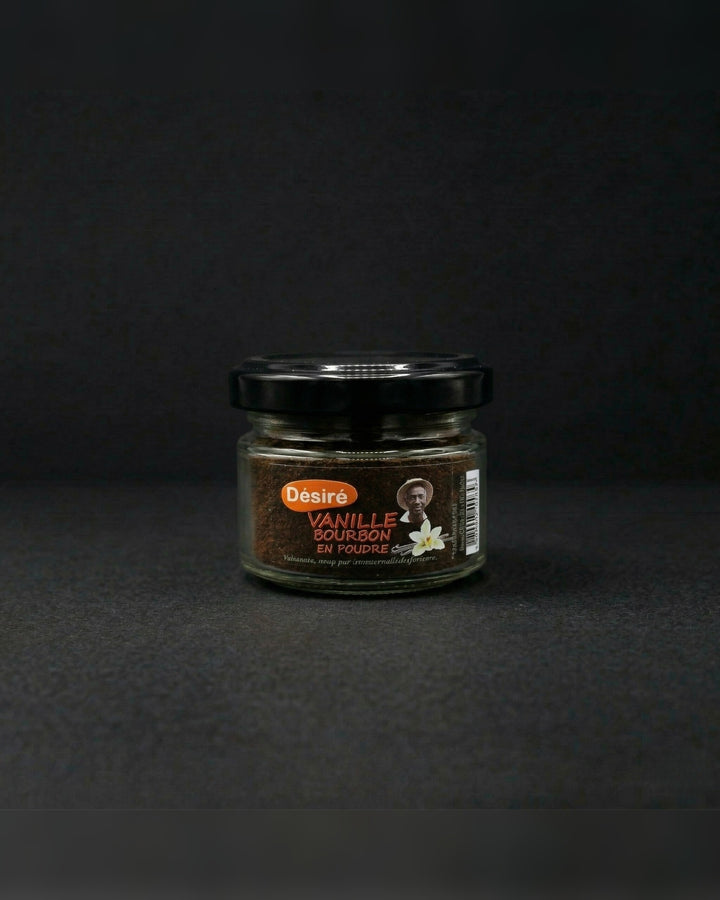
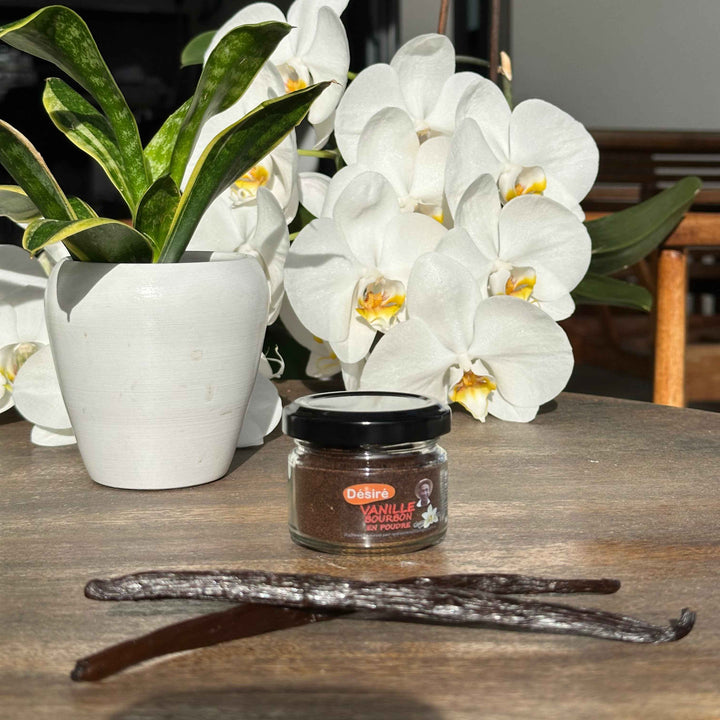
- See the Bourbon vanilla powder
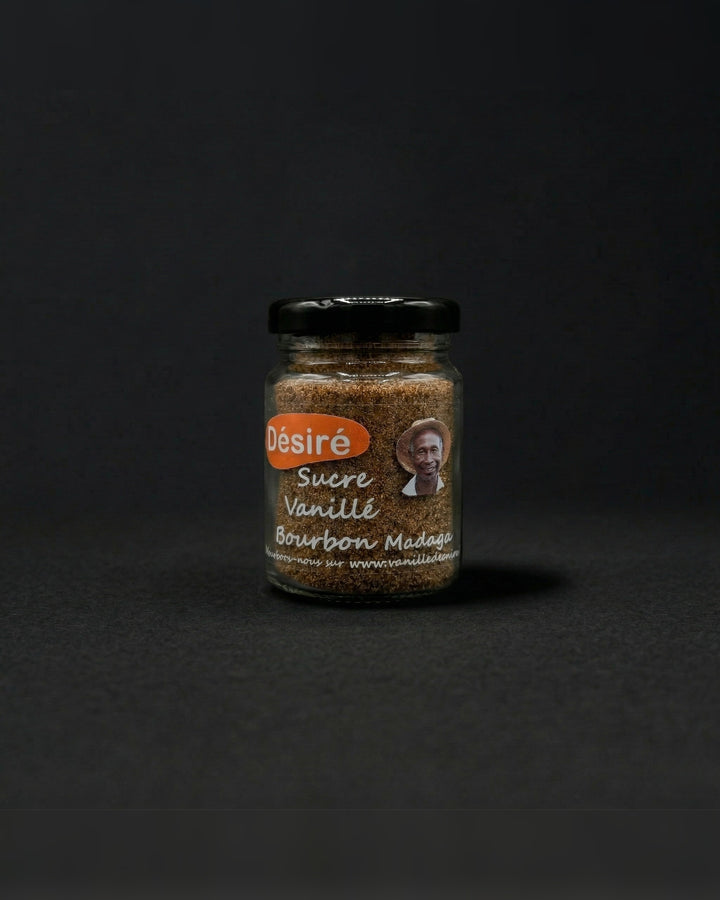
- See the Bourbon vanilla sugar
- See the Bourbon vanilla caviar
Frequently asked questions
Why does vanilla give an impression of sweetness?
Because the brain has long associated the smell of vanilla with sweet taste: in the presence of this smell, a preparation can seem sweeter than it really is, without its composition having changed.
How much can sugar be reduced thanks to vanilla?
In a Penn State University study on flavoured milk, adding vanilla allowed added sugar to be reduced by 20 to 50% without the tested people perceiving the milk as less sweet; this figure comes from a specific product and does not automatically transfer to every preparation.
Is this effect the same in every dessert?
No: the study looked at flavoured milk, and the researchers themselves acknowledge that the exercise is harder with a product like chocolate, whose natural bitterness complicates the balance. It is best to taste and adjust case by case.
How can I try this effect at home?
By flavouring a preparation with vanilla, then slightly reducing the usual sugar and tasting before correcting, rather than applying a fixed percentage from a study carried out on a different product.
The Vanille Désiré team