Quick answer: In a hot preparation, vanilla is added at the start with the milk or cream, to infuse during the heating; in a cold preparation, it's added early, then rests in the fridge. Added right at the end of cooking, it gives less fragrance, since the infusion hasn't had time to happen.
In a hot preparation, vanilla is added at the start, with the milk or cream, so it infuses while heating. In a cold preparation, it's also added early and left to rest in the fridge. This page covers only the timing and the temperature; the amount and the scraping gesture have their own pages.
The principle: vanilla releases into the liquid
For a custard, the classic method is simple: split the pod, scrape the seeds, then put the seeds and pod into the milk. Heat gently to infuse, then remove the pod before pouring the milk over the egg yolks and sugar. The liquid does the work: the longer it stays in contact with the vanilla, the more it takes on its fragrance.
This principle guides every decision on this page. Before choosing the timing, ask yourself two questions: does the preparation contain a liquid or a fat (milk, cream, butter, syrup)? And does it heat? If so, vanilla belongs there from the start.
Hot preparations: creams, milks, syrups
Custard, pastry cream, rice pudding, hot milk, syrup, compote: vanilla goes in at the start, into the cold or lukewarm liquid, before the pan reaches temperature. A few useful gestures:
- split the pod lengthwise and scrape the seeds before putting them in the pan;
- also leave the pod in the liquid, since it keeps releasing its fragrance;
- heat gently, then remove the pod once the infusion is done;
- rinse and dry the removed pod: you can reuse it for another infusion as long as it still holds aroma.
For custard in detail, see our page vanilla custard.
Batters and baked preparations
In a cake, a loaf or a shortbread, there is rarely a liquid to infuse. Vanilla is then mixed into the ingredients right at the start of mixing. Two habits help spread it:
- rub the seeds (or the caviar) into the sugar with your fingertips, before working it with the butter or the eggs;
- or mix the vanilla powder into the dry ingredients, at the same time as the flour.
If the recipe includes milk or melted butter, you can infuse the pod in it beforehand, as for a custard.
Cold preparations: whipped cream, yoghurt, mascarpone
Here, no heat helps the infusion. The right reflex is to prepare ahead: add the scraped seeds, or a split pod, to the cream or yoghurt, then let it rest in the fridge before serving or whipping. Remove the pod before whipping a cream.
For a whipped cream, vanilla caviar is handy: it mixes straight into the cream, with no pod to remove. Our page on vanilla caviar explains what it is and how to extract it.
Three step-by-step examples
A pastry cream
The milk is cold or lukewarm in the pan: this is the moment to add the split pod and the scraped seeds. The vanilla infuses while the milk heats up. The rest of the recipe then continues with the pod removed.
A whipped cream
The cream is cold. Mix in the vanilla caviar, or the scraped seeds, then let it rest in the fridge before whipping. If you used a pod, remove it before whipping the cream.
A loaf cake
Mix the vanilla powder into the flour, or the seeds into the sugar, right from the start. If the recipe calls for lukewarm milk, you can also infuse the pod in it while preparing the rest.
Vanilla at the end of cooking?
In a cream or a hot milk, adding vanilla right at the end doesn't give it time to infuse: it will give less fragrance. It's better to add it at the start and remove the pod once the infusion is done. At the end of cooking, you add a little caviar instead onto a preparation that's already ready, such as a topping or a coulis, when you want to see the little black flecks of vanilla.
Pod, caviar, powder, vanilla sugar: which one and when
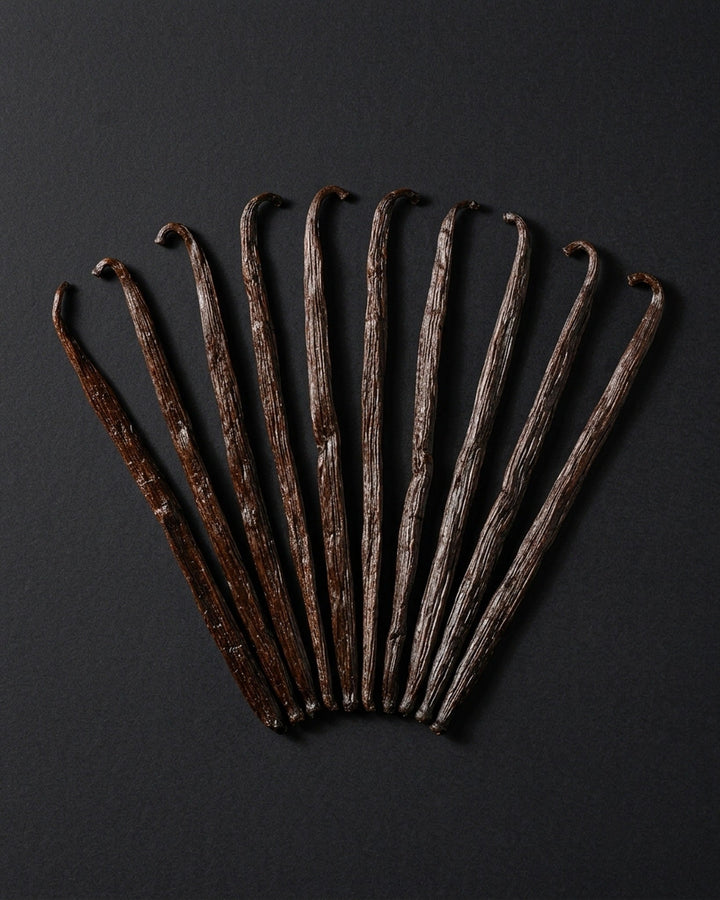
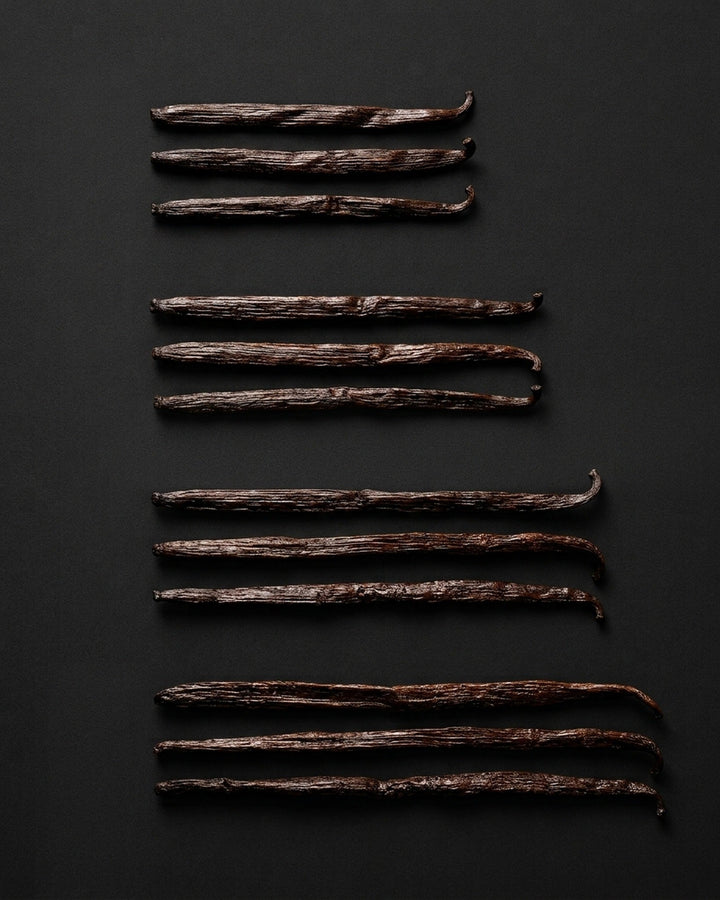
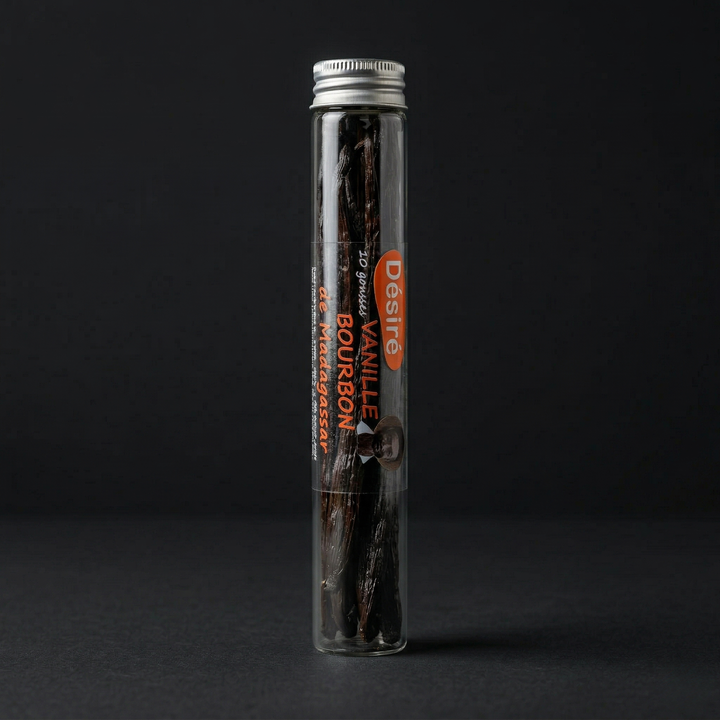
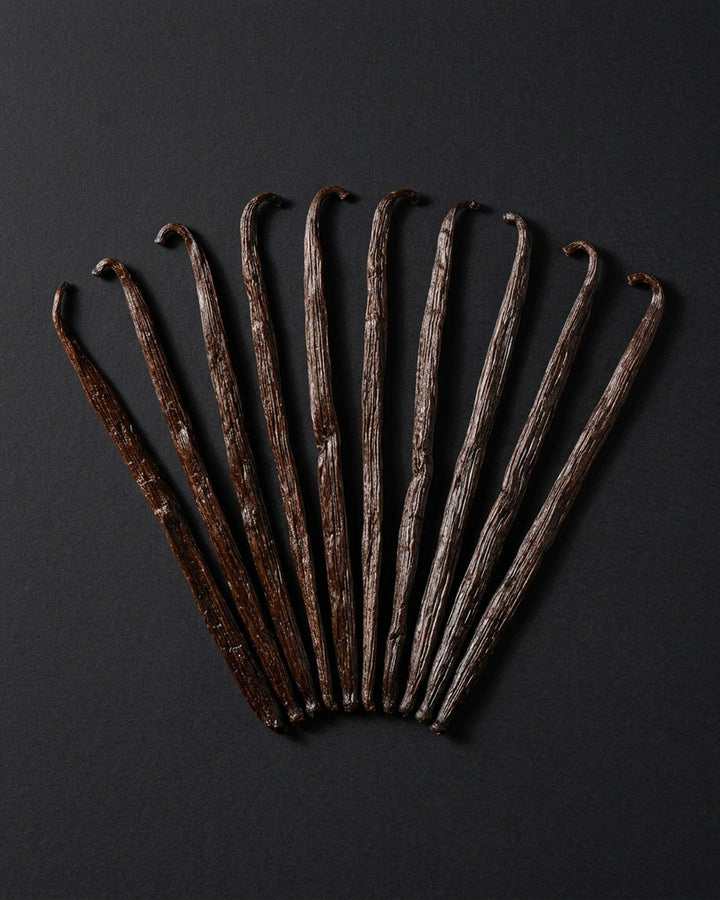
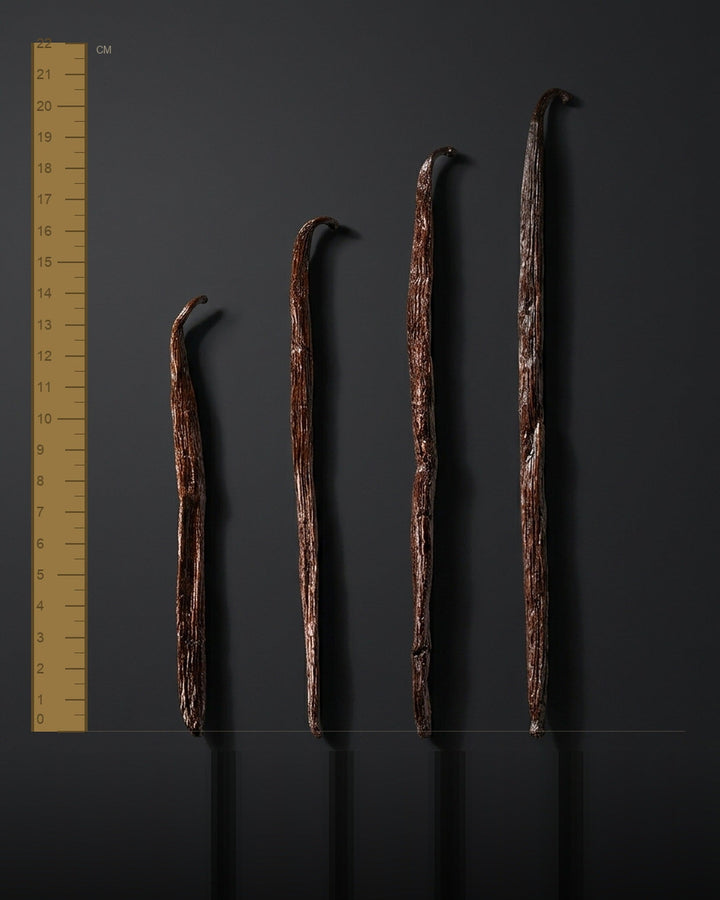
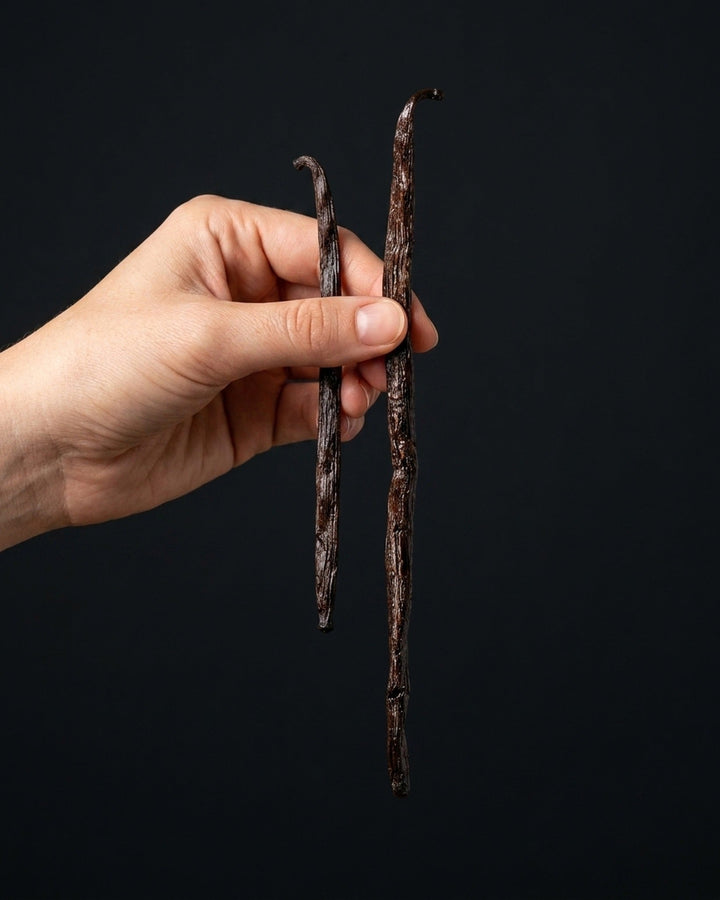
- Pod: for everything that infuses, hot or cold. It's the form to choose when there's a liquid. See our Bourbon vanilla pods from Madagascar.
- Caviar: for preparations where you don't want a pod to remove, such as a whipped cream, a cold cream or a topping. See the vanilla caviar.
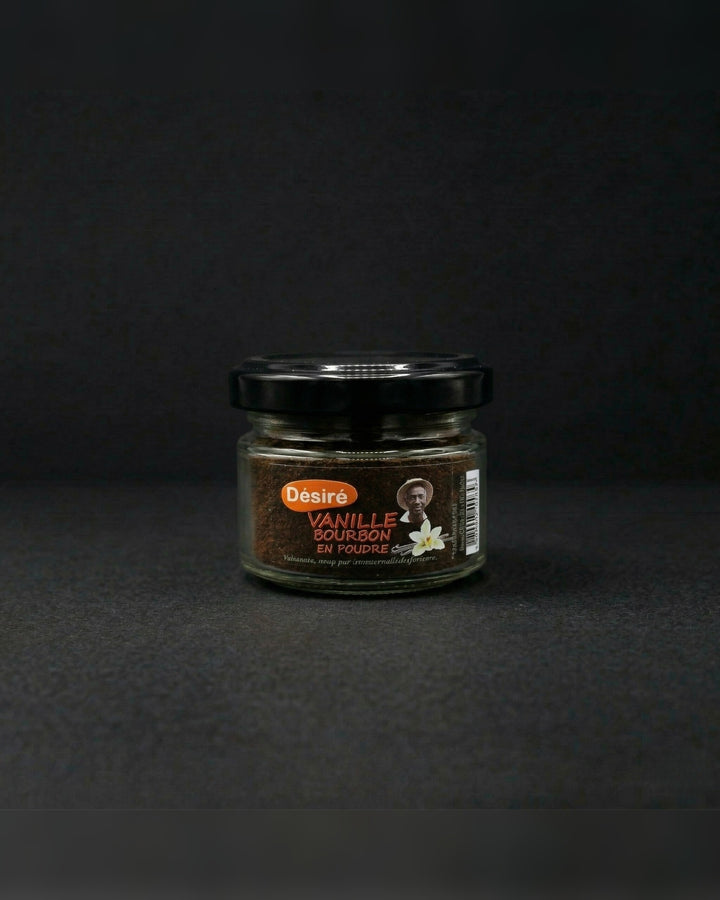
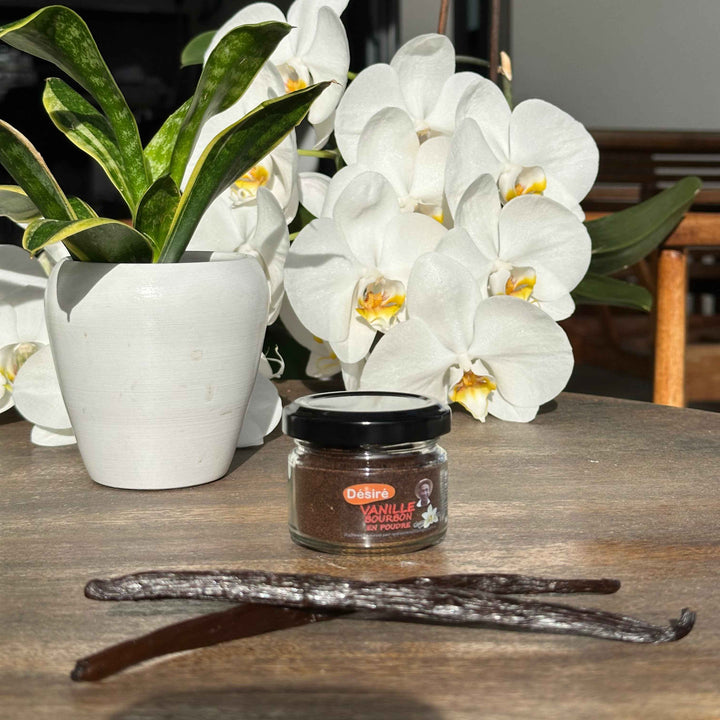
- Powder: for batters, biscuits and dry mixes. See the vanilla powder.
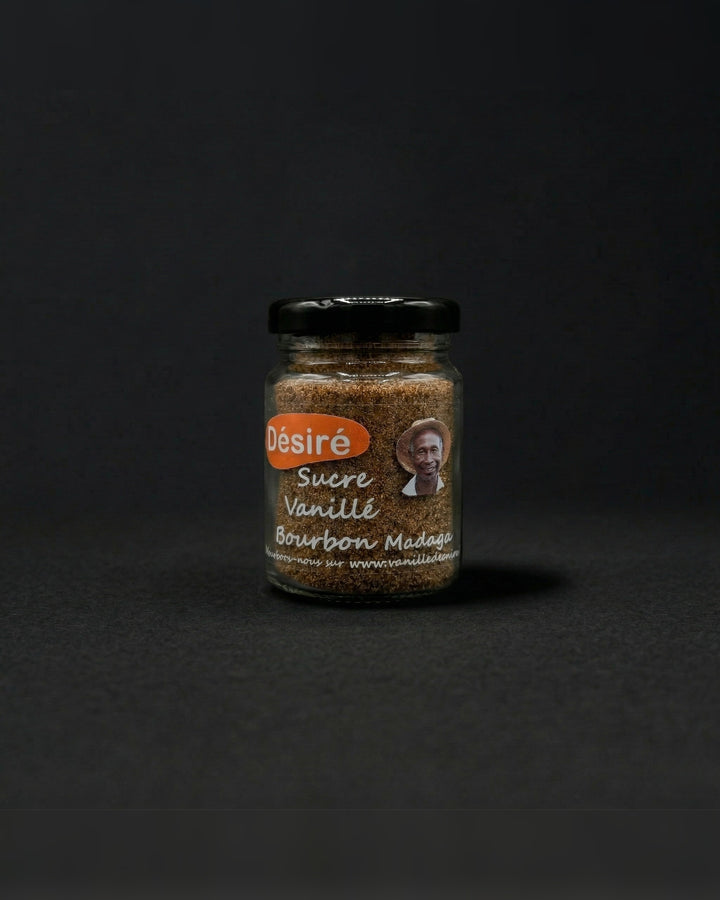
- Vanilla sugar: for sprinkling, or to replace part of the sugar in a recipe. See the vanilla sugar.
To go further
- How much vanilla to use: dosing vanilla.
- How to split and scrape a pod: using a vanilla pod.
- All the uses in cooking: vanilla in cooking and recipes.
Where this vanilla comes from
Our family grows and prepares this vanilla in the SAVA region, in north-east Madagascar. It is then shipped by us, with no middleman between our land and your kitchen.
Frequently asked questions
When should you add vanilla to a custard or a pastry cream?
At the start, into the cold or lukewarm milk, before the pan reaches temperature, so it infuses while heating.
Can you add vanilla at the end of cooking?
That doesn't give it time to infuse and gives less fragrance; it's better to add it at the start and remove the pod once the infusion is done.
How do you add vanilla to a whipped cream?
Mix in the vanilla caviar, or scraped seeds, then let it rest in the fridge before whipping; if a pod was used, remove it before whipping the cream.
Do you need a liquid for vanilla to infuse?
In a cake or a shortbread, where there's no liquid to infuse, vanilla is mixed into the dry ingredients instead, by rubbing the seeds into the sugar or mixing the powder into the flour.
The Vanille Désiré team