Quick answer: Vanilla is native to Mexico, where the Totonac people grew it before the Aztecs. It long grew only there, for lack of a pollinator elsewhere, until a manual pollination method was discovered in 1841 on Réunion Island. It is grown today also in Madagascar, Uganda, India and Papua New Guinea.
Before being a spice sold around the world, vanilla is a specific plant, native to a single region. Its history explains why it long grew in one place only, then why it spread to a handful of particular tropical regions, including Madagascar. This page traces these geographical origins, without comparing the vanillas against one another.
Mexico, the cradle of vanilla
Vanilla is an orchid native to Mexico, in the Veracruz region. The Totonac people grew and used it well before the arrival of Europeans; in the fifteenth century, the Aztecs made it a tribute imposed on the Totonacs after annexing their territory. It was from this region that the orchid now called Vanilla planifolia was later brought to Europe.
Mexico still grows vanilla today, particularly around Papantla, in the state of Veracruz, where most of the country's production is concentrated on small family farms. But its current volumes remain modest compared with the world market, far from the place it held before vanilla spread to other tropical regions.
A pollinator, then a method: why vanilla spread so late
Outside Mexico, transplanted vanilla orchids did not produce pods: their natural pollination depends on a bee specific to that region, the Melipona. For nearly three centuries, vanilla could therefore only be harvested in Mexico. In 1841, on Réunion Island, a twelve-year-old boy, Edmond Albius, devised a method of hand-pollinating the flower, using a thin stick. This method, still used today, spread from Réunion to Madagascar and other tropical regions.
Madagascar, today the world's leading producer
Vanilla arrived in Madagascar in the mid-nineteenth century, brought from Réunion. Thanks to the climate and the manual pollination method, the island became, over the decades, the world's leading vanilla producer, particularly in its north-eastern region. Our family grows its vanilla in the SAVA region, in north-eastern Madagascar.
Uganda, a now notable producer
Outside Madagascar, Uganda is today one of the countries producing the most vanilla in the world. It is grown in several regions of the east and centre of the country. According to market data citing the FAO, Uganda produced around 183 tonnes of vanilla in 2024, far behind Madagascar but among the world's top ten producers.
India, vanilla mainly for the domestic market
Vanilla was also introduced to India, notably in the state of Kerala, on the Malabar coast, in the nineteenth century, through colonial botanical gardens. Its cultivation boomed there in the early two-thousands, driven by high world prices, before declining: Indian production today remains modest and serves mainly local consumption.
Papua New Guinea, a more recent producer
Vanilla is also grown in Papua New Guinea, particularly in East Sepik province. According to market data citing the FAO, the country produced around 493 tonnes of vanilla in 2024, which would make it one of the notable producers alongside Madagascar and Uganda.
Why these origins cannot be compared
This page does not aim to say which vanilla would be the best: it only states where the plant originated and where it is grown today. Climate, soil and know-how change from one region to another, but none of these origins is presented here as superior to another.
One plant, different varieties
These regions do not all grow the same variety of vanilla. For the differences between Bourbon, Tahitensis and Pompona, see our page Bourbon, Tahiti and Pompona vanilla, and for all the varieties, Bourbon, Tahitensis or Pompona: which variety to choose.
Our vanilla, from the SAVA region
Our family grows and prepares its vanilla in the SAVA region, in north-eastern Madagascar. To find out more about this variety and about buying direct from the producer, see Madagascar Bourbon Planifolia vanilla and buying vanilla direct from the producer.
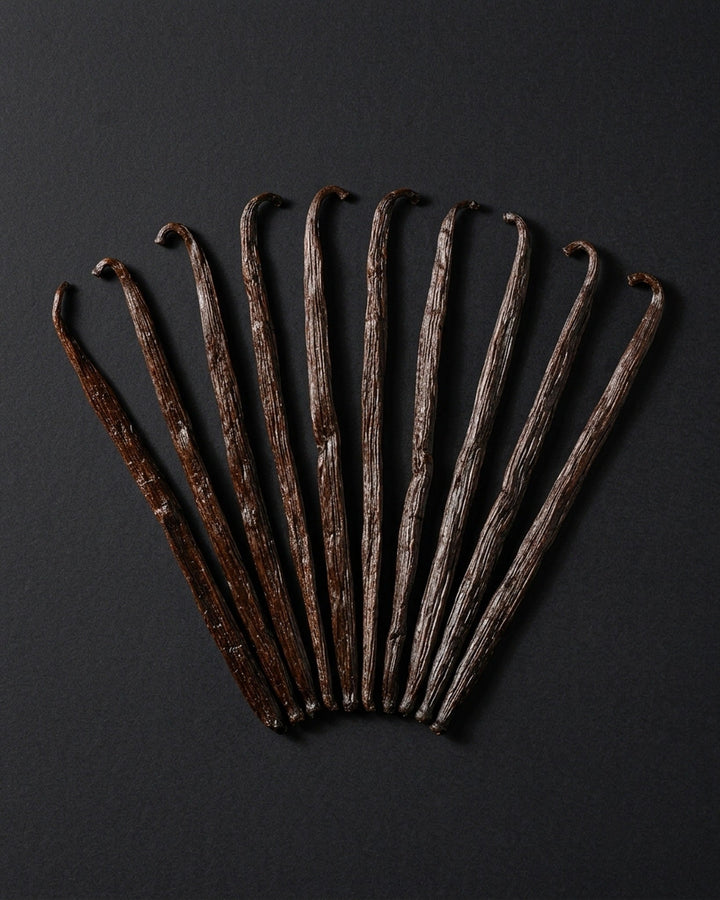
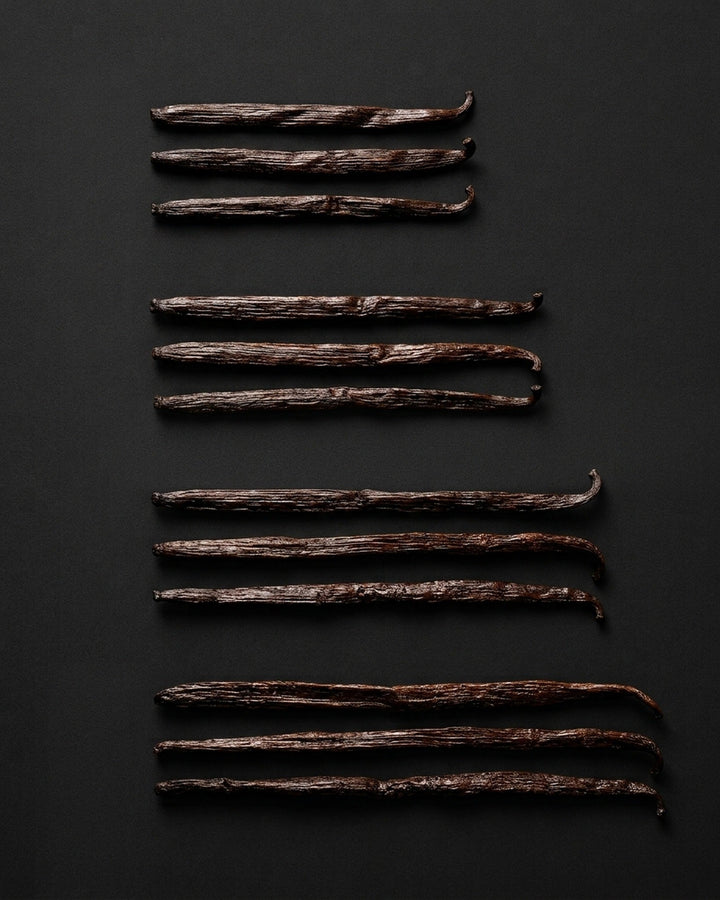
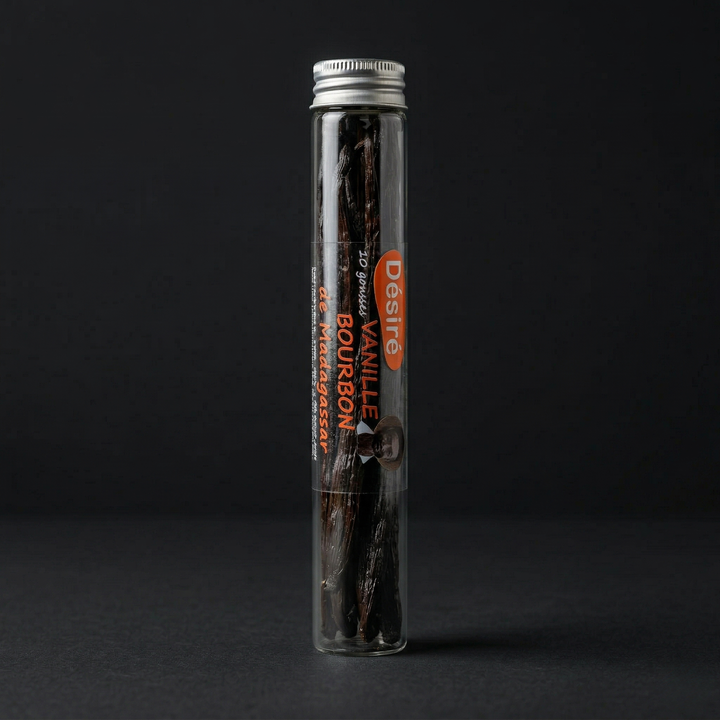
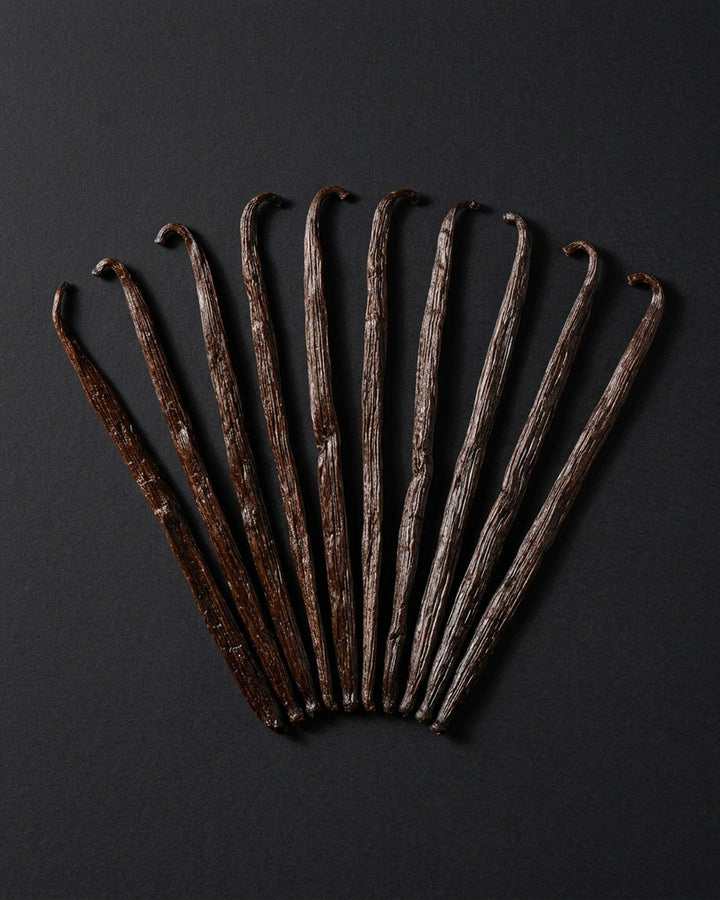
- Madagascar Bourbon vanilla pods
- Madagascar Bourbon vanilla powder
- Madagascar Bourbon vanilla extract
- Madagascar Bourbon vanilla caviar
- Madagascar Bourbon vanilla sugar
Frequently asked questions
Where does vanilla really come from?
Vanilla is an orchid native to Mexico, where the Totonac people grew it before the arrival of Europeans.
Why did vanilla long grow only in Mexico?
Because its pollination depended on a local bee, the Melipona, absent elsewhere. A manual pollination method, devised in 1841 on Réunion Island, made it possible to grow it in other tropical regions.
What are the major vanilla-producing countries today?
Madagascar is today the world's leading producer. Uganda, India and Papua New Guinea also produce it, in more modest volumes.
Are Madagascar vanilla and Mexican vanilla the same plant?
It is the same orchid species, native to Mexico and grown since the nineteenth century in Madagascar and other tropical regions.
The Vanille Désiré team