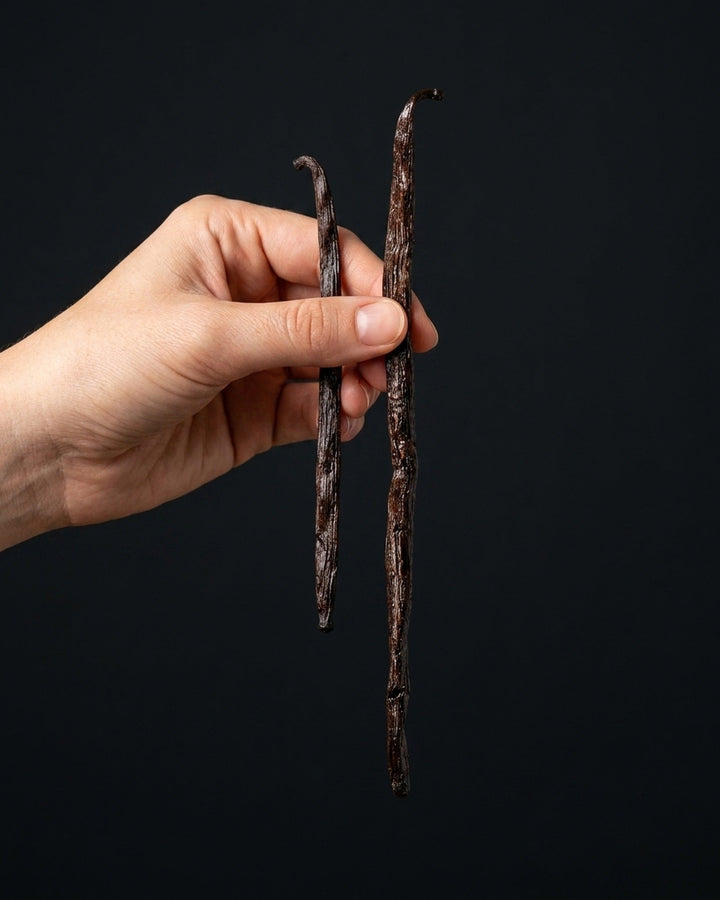
Quick answer: buying vanilla direct from the grower means buying from the family that grew and cured it, with no trader, no broker, no buying agency in between. With us, the bean leaves the SAVA region, in north-eastern Madagascar, where our family grows it, and it arrives at your door. In practice, that changes three things: the price, the traceability and the freshness.
1. What "direct from the grower" means, and what it doesn't
The phrase is used everywhere, often loosely. It does not mean "importer", it does not mean "grower partner", and it does not mean "short supply chain". It means one thing only: the person selling you the bean is the person who grew it.
That is our case. Our family grows and cures this vanilla in Madagascar. We do not buy lots on the Sambava market to resell them. That is also why we can tell you which harvest your bean comes from, and why a bean of a given size looks like the one before it.
The test is simple. Ask a vanilla seller where their plantation is, and who pollinated the flowers. If the answer mentions "sourcing", "partners" or "rigorous selection among our suppliers", you are not buying direct from the grower. You are buying from a reseller, which is entirely legitimate, but it is not the same thing.
2. Why the price is not the same
A vanilla bean usually passes through several hands before reaching a shop: the grower, the local collector, the exporter, the importer, the packer, the distributor. Each link takes its share, and that is normal, each one does real work. But when the grower and the seller are the same family, those middlemen's margins simply do not exist.
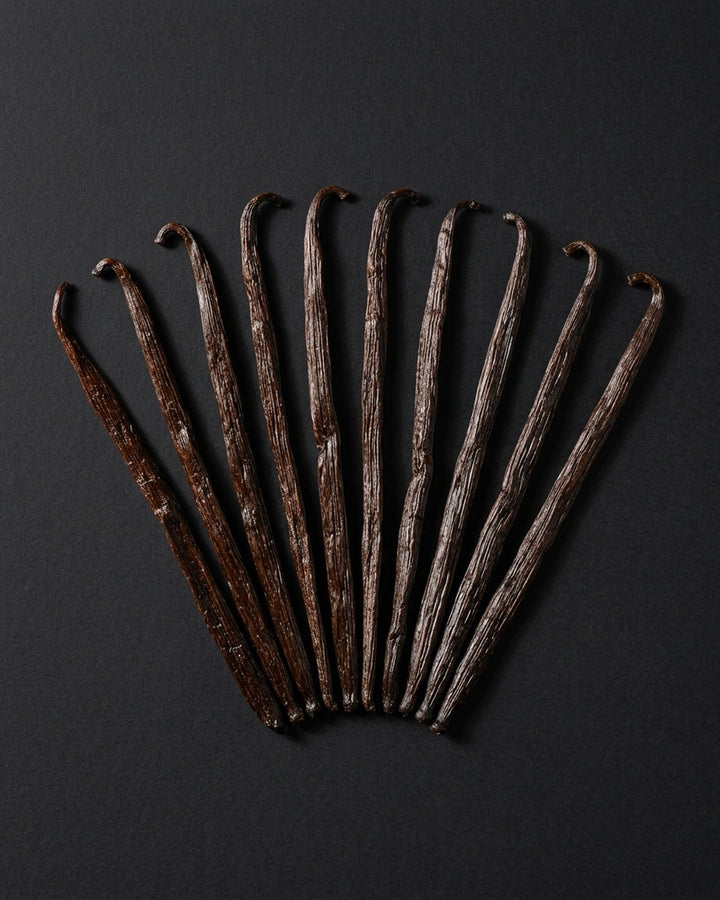
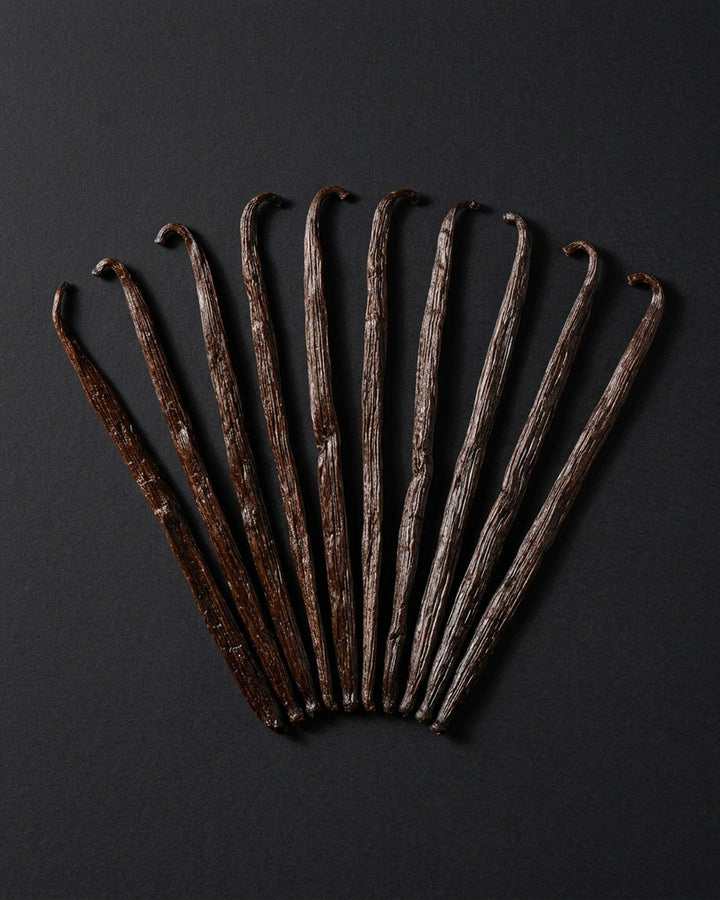
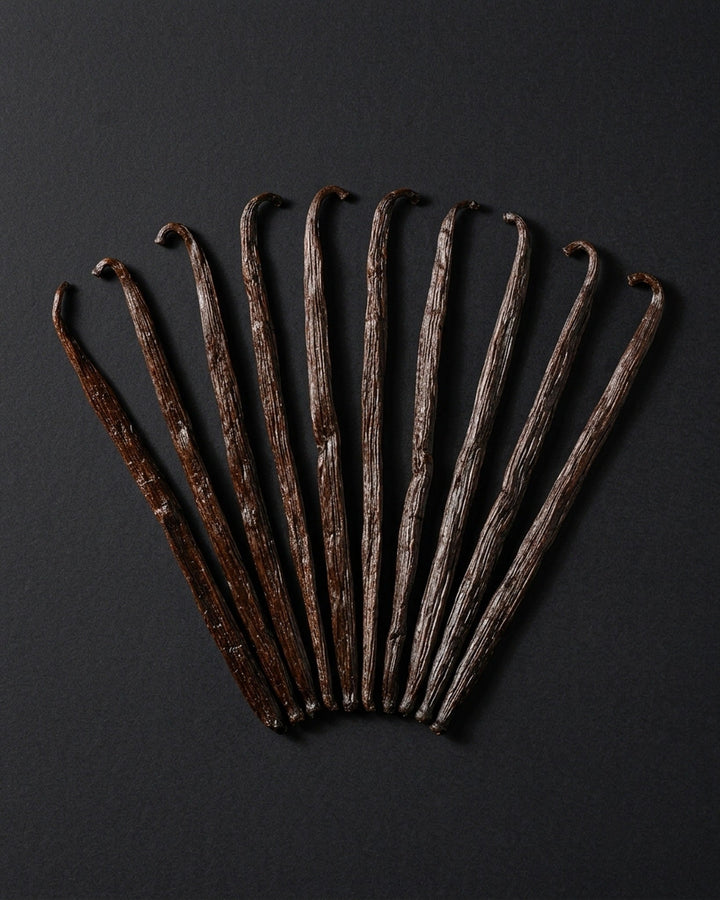
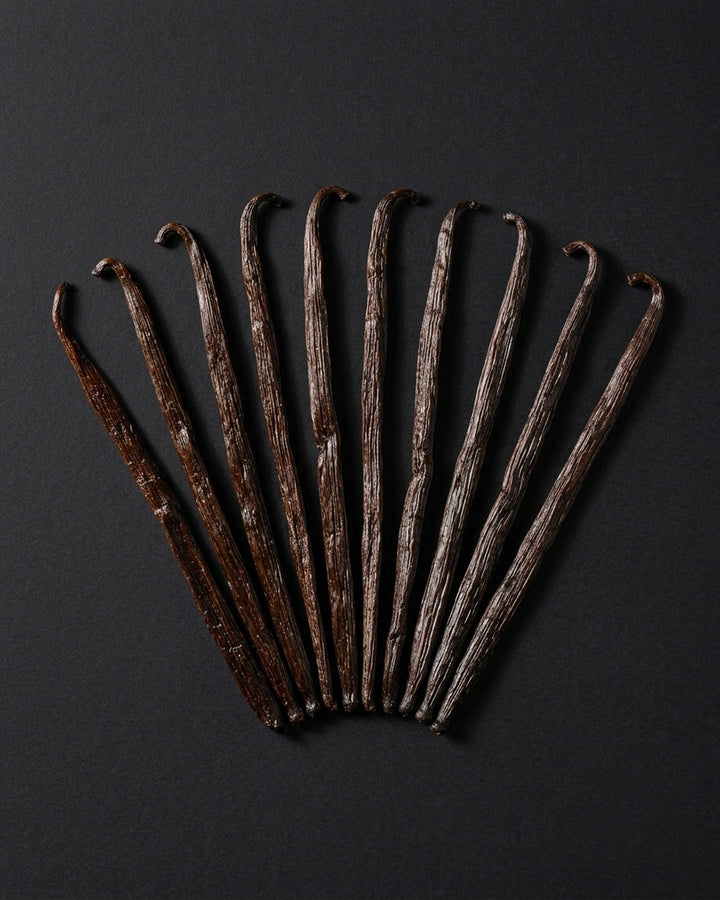
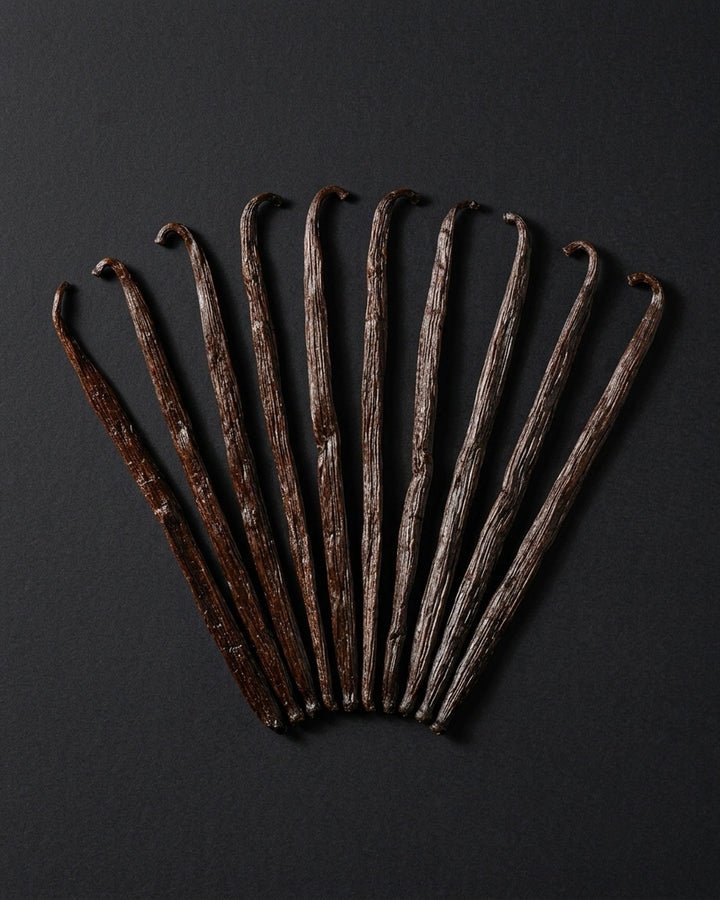
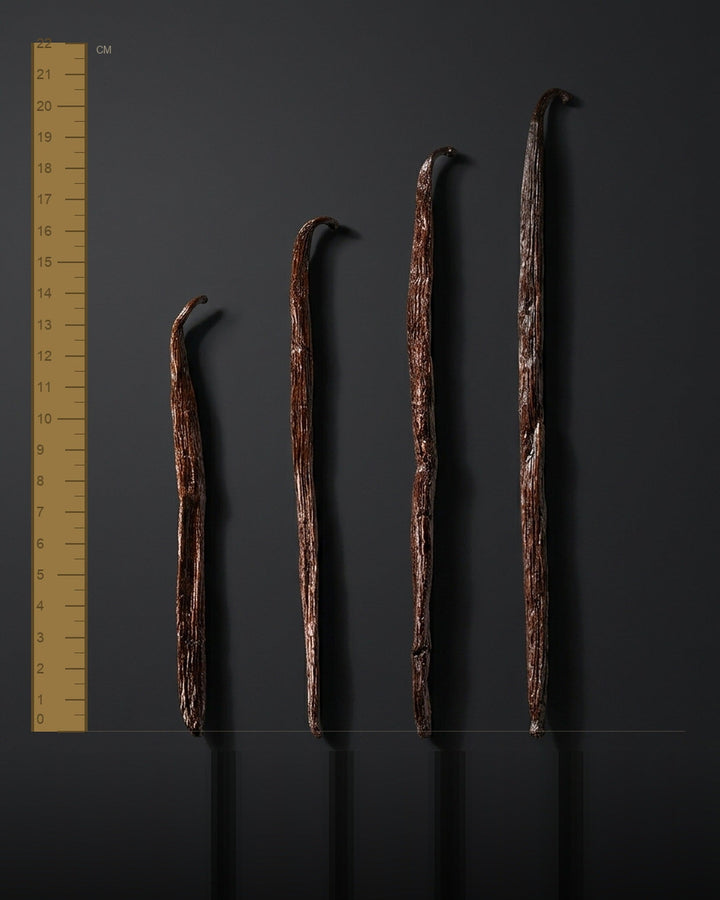
That is what lets us show the price per bean next to every format, so you can compare without doing the math. You will find that detail on our Bourbon vanilla beans from Madagascar, sold by size, from 10 to 20 cm.
One caution, though: direct from the grower does not mean cut-price. Vanilla remains a long, entirely manual crop. An unusually cheap vanilla bean is almost always a dry, short, or lower-grade bean. We explain what a bean really costs in How much a vanilla bean really costs.
3. The work behind one bean
What you are paying for is not an ordinary farm product. It is a sequence of gestures done by hand, one at a time.
- Pollination. The vanilla flower opens for one morning only. Outside its native range, no insect fertilises it: every flower is pollinated by hand, one at a time, at the right hour.
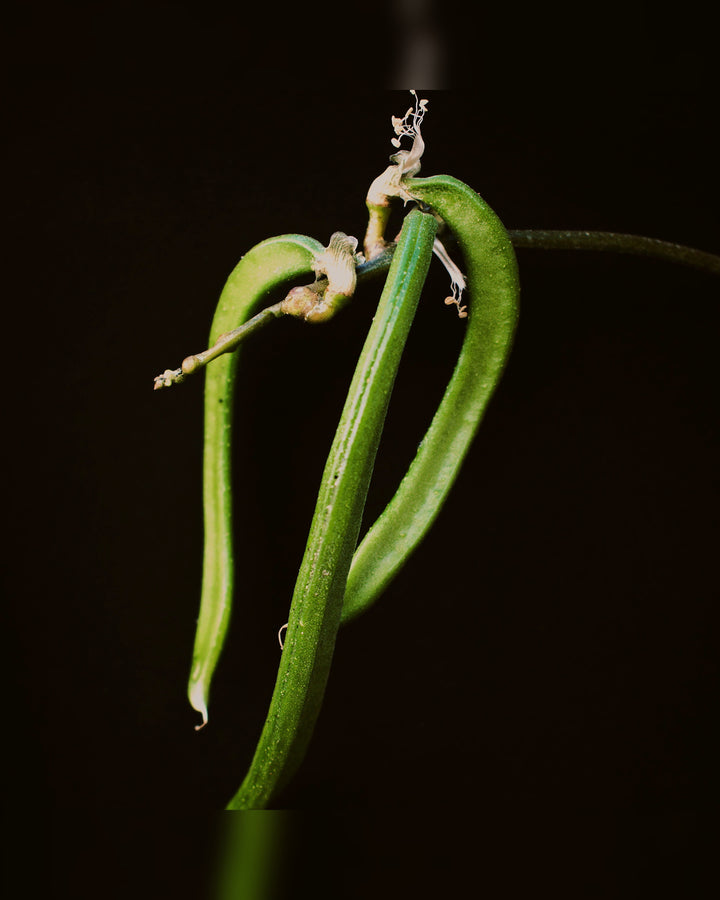
- The wait. The bean stays on the vine for months before it is picked, green and scentless.
- Curing. Blanching, sun-drying, then slow curing. This is where vanilla gets its aroma, not before.
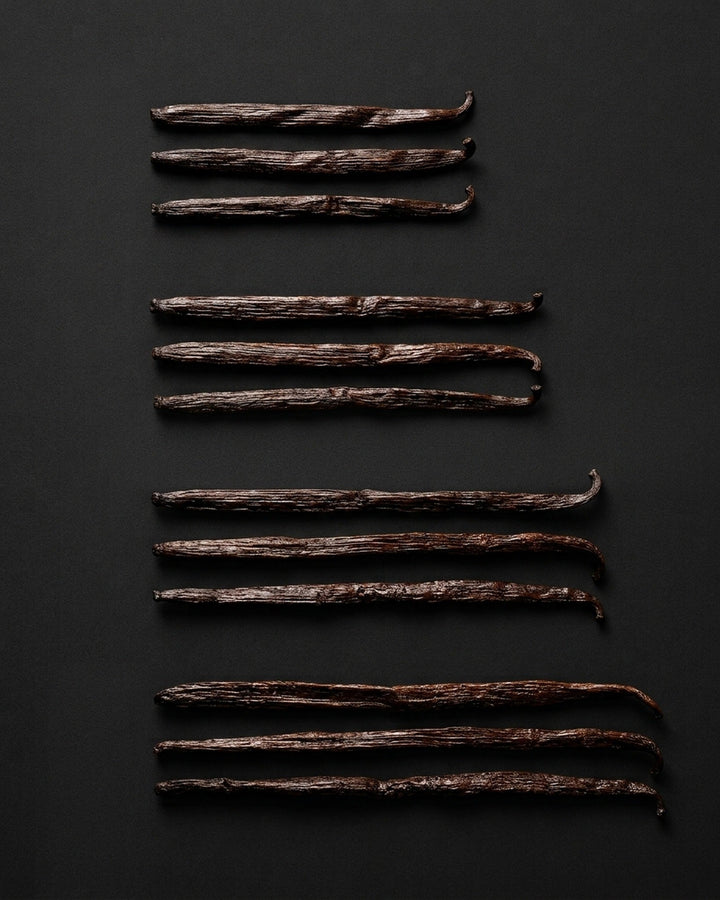
- Sorting. The beans are measured with a gauge and sorted by hand, lot by lot, by size.
These are the steps we film and photograph on our site, because they are the only real proof of what we claim.
4. What you actually get
Traceability. We know where every lot comes from, because we cured it ourselves. No blending of origins, no mixing of provenances.
Freshness. A bean that sits for two years in a trading warehouse no longer has the same suppleness. Suppleness is the first sign of quality, even before length. We cover this in Recognising a poor-quality bean.
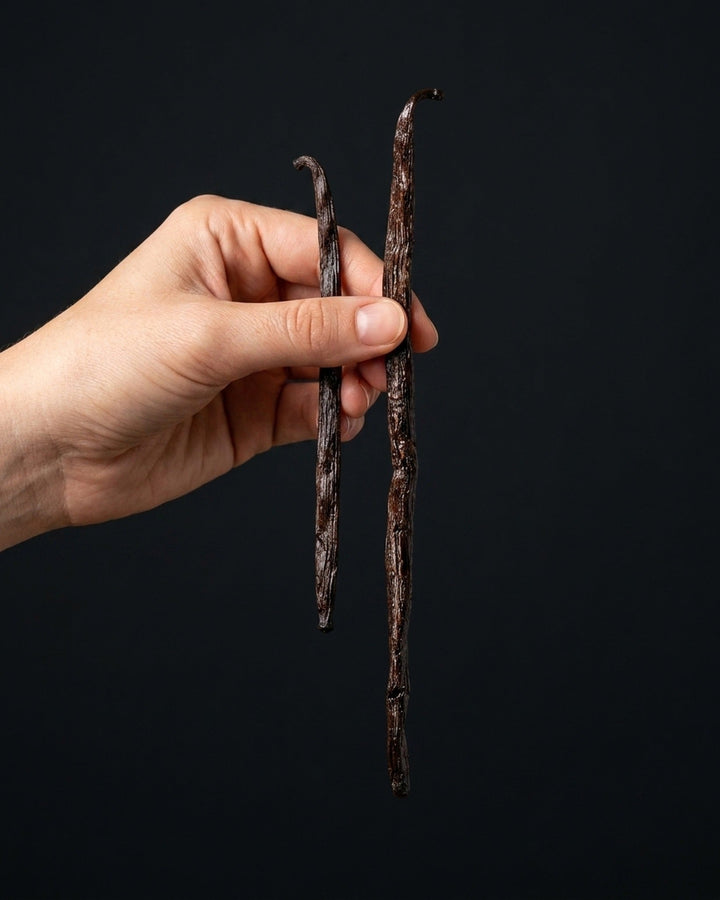
Choice of size. A reseller sells "vanilla". Buying direct, you choose the length that fits your use: a small size is enough for a spiced rum or vanilla sugar, a large size earns its keep in a custard or an entremets. The detail is in Choosing your Bourbon vanilla.
5. Buying from us, in practice
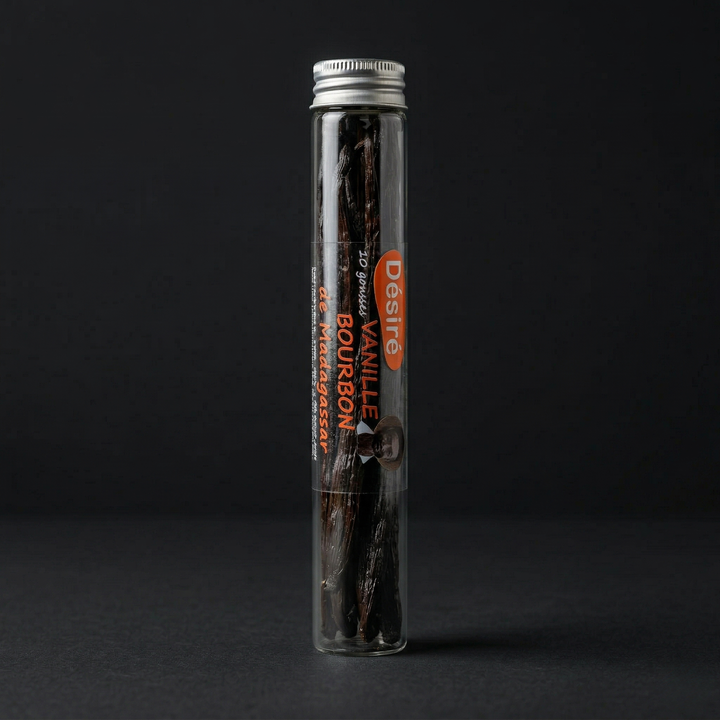
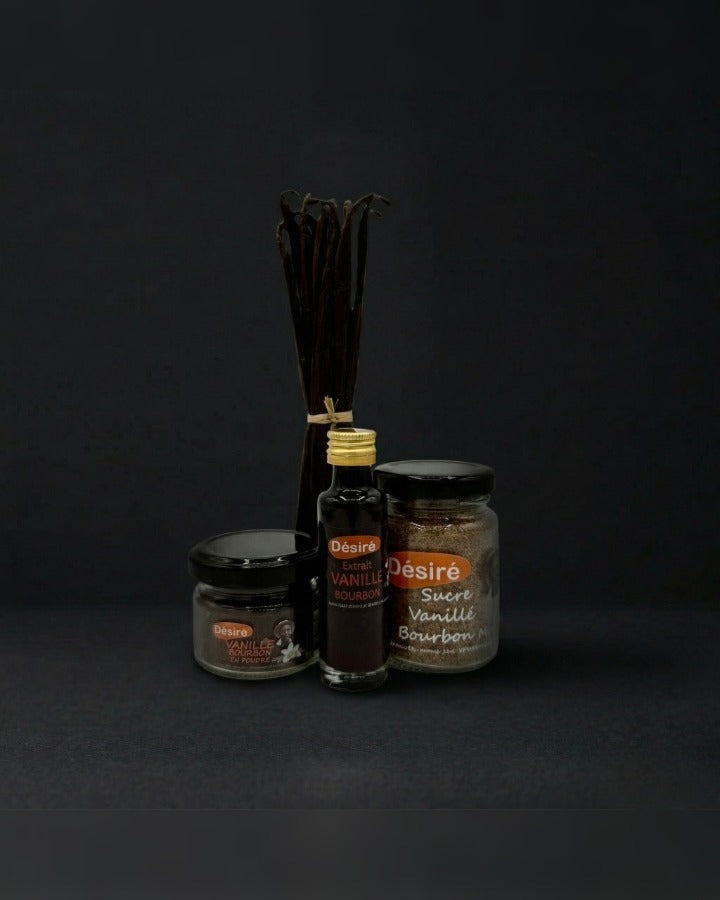
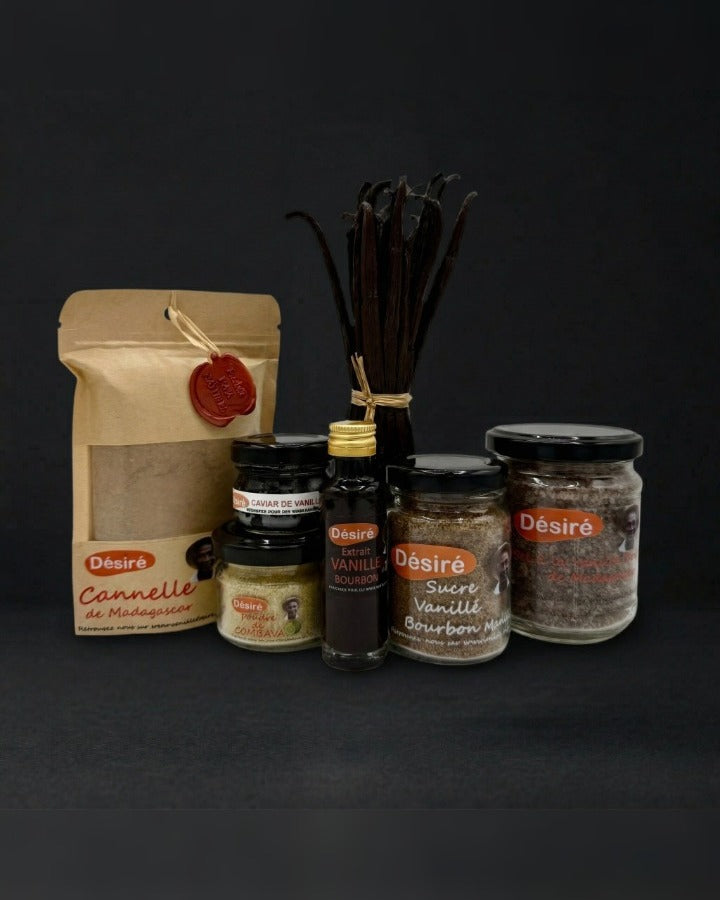
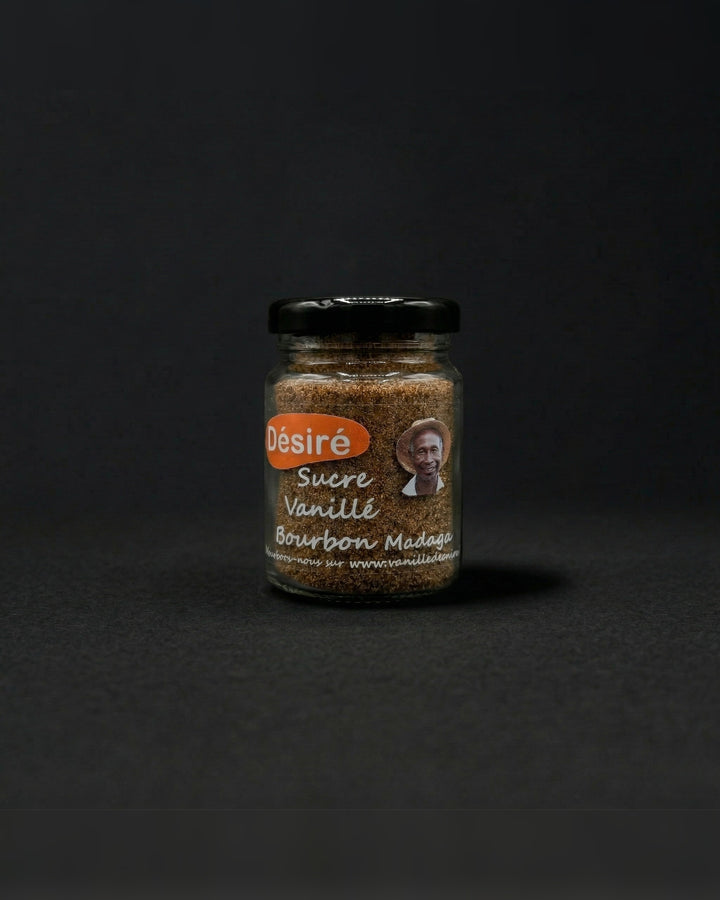
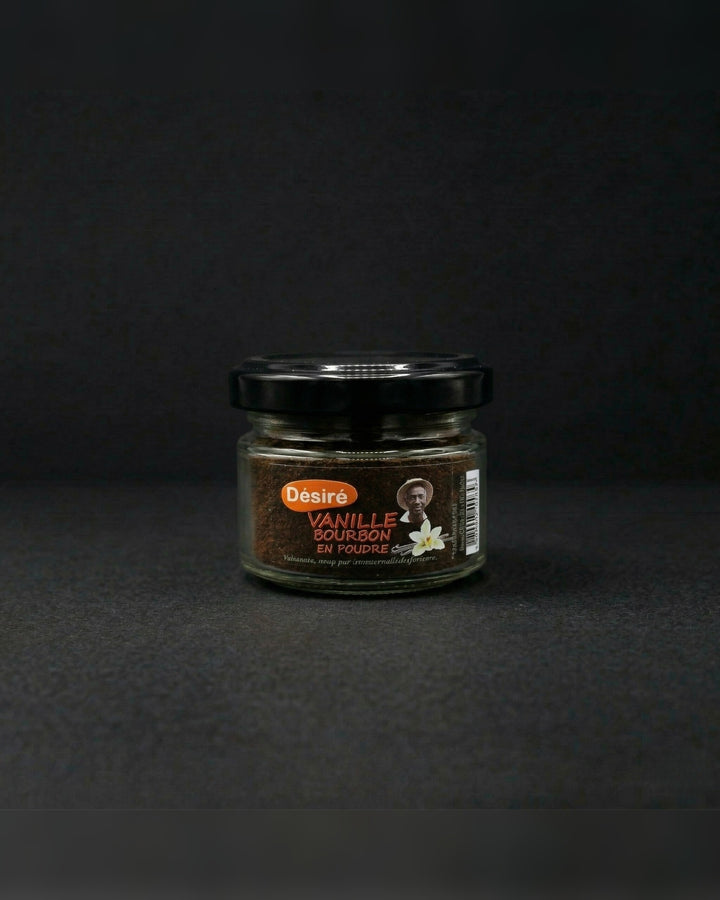
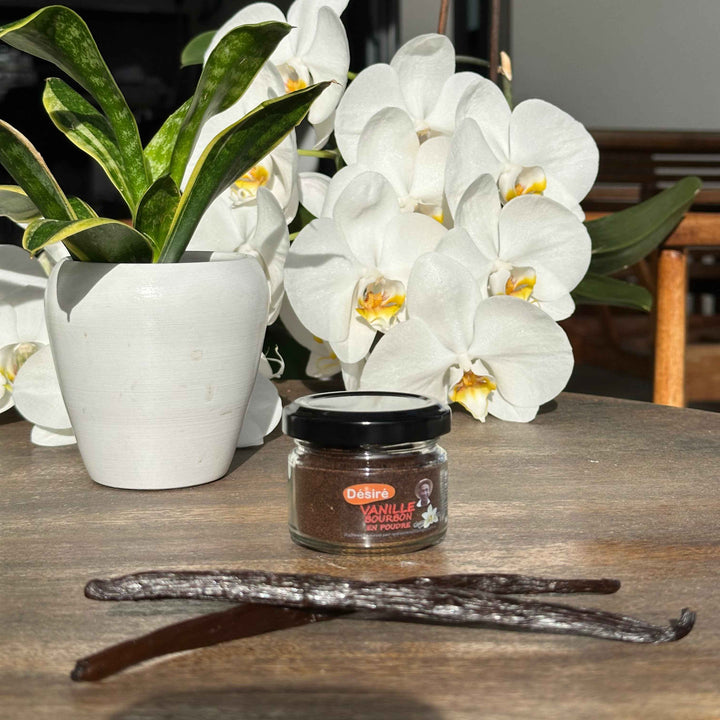
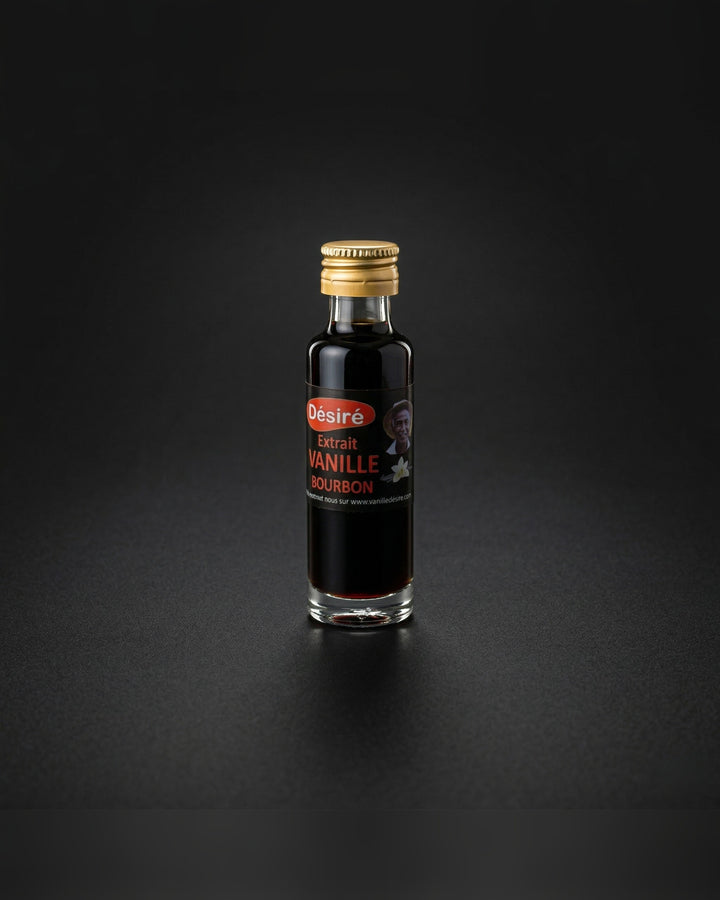
Our whole range sits on one page: Bourbon vanilla from Madagascar. There you will find whole beans by size, glass tubes, pouches, caviar, powder, extract and vanilla sugar. It is the same lot, in whichever format suits you.
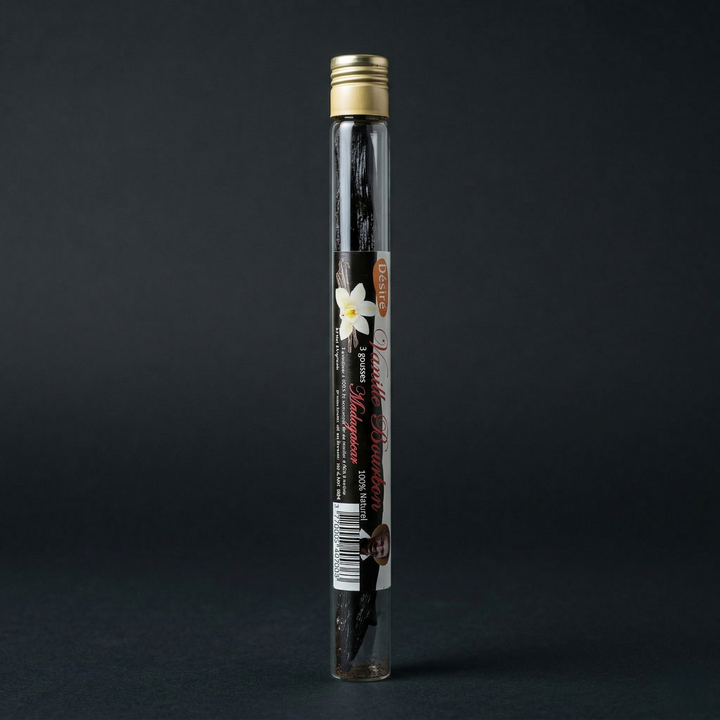
- To discover it: the small glass tube of 3 beans.
- For regular cooking: the large tube of 10 beans or the pouches.
- To understand sizes: the four-size gift set.
Free delivery from 40 € to a pickup point, mainland France. Dispatched within 48 h, with tracking.
Frequently asked questions
How can I check that a seller really is a grower?
Ask where the plantation is, who pollinates the flowers, and which harvest the lot comes from. A grower answers with a place and with gestures. A reseller answers with buying vocabulary: sourcing, partners, selected suppliers.
Is vanilla bought direct from the grower cheaper?
It is sold without middlemen's margins, so yes, at equal quality. But it cannot be cheap: the crop is long and entirely manual. A very low price almost always signals a dry or lower-grade bean.
Where exactly does your vanilla come from?
From the SAVA region, in north-eastern Madagascar, where our family grows and cures it. Our spices and peppers come from Vangaindrano, in the south-east.
Which size should I start with?
For a first order, a medium size suits almost everything. If you already know you will mostly be making infusions or spiced rum, the smallest size is the most economical per bean.