Quick answer: Vanilla flavours very different desserts depending on the country: custard and crème brûlée in France, American-style ice cream popularised by Thomas Jefferson, flan in Spain and Latin America, and set milk puddings and creams found all over Europe. Our Bourbon vanilla pods, extract, powder and caviar all suit these different uses.
Few products run through as many sweet traditions as vanilla. This page links a few major dessert families to vanilla, without going into the detail of a specific recipe, and points to our own versions already published.
Custard and crème brûlée, two French bases
In France, vanilla first infuses in milk or cream, then ends up in two distinct preparations: custard (crème anglaise), a thin sauce that is poured, cooked in a saucepan while stirring constantly, and crème brûlée, thicker, baked in a water bath then caramelised with a blowtorch just before serving. The first accompanies another dessert, the second is eaten on its own. This vanilla-flavoured cream base, in related forms, appears in much of the desserts described below: flan, panna cotta, rice pudding.
See our own versions: Bourbon vanilla crème brûlée, vanilla custard and Bourbon vanilla panna cotta.
Vanilla ice cream, a more recent story than you’d think
The earliest known written ice cream recipe dates back to 1665, in the recipe book of Lady Anne Fanshawe, in England, but it was then flavoured with orange blossom water or rose water, not vanilla. Vanilla, rare and costly until the mid-19th century, only appears in ice cream recipes from the 1760s onwards, and still fairly rarely. Thomas Jefferson, who had discovered this dessert in France, is said to have brought a recipe back to the United States in the 1780s: the document is now kept at the Library of Congress. Vanilla ice cream, with a custard base enriched with egg yolks, then became far more widespread in the United States than in France.
For a homemade version without an ice cream maker, with our pods or our vanilla caviar, see our vanilla ice cream without an ice cream maker.
Flan, from Mexico to Spain
Flan, an egg custard baked in a water bath and topped with caramel, is said to have originated in the Roman Empire, where surplus eggs were already used to make a custard close to today’s flan. It was the Spanish who, later, added the caramel poured into the bottom of the mould, giving the dessert its best-known form today, very present in both Spain and Latin America, where it varies from family to family. There, vanilla flavours the egg and milk mixture, for a smooth texture, typically less firm than that of a crème brûlée.
Rice pudding and set creams, a very broad family
Beyond France and Spain, many countries have their own version of a sweetened set milk or cream, flavoured with vanilla: rice pudding, citrus or coconut flans, crème renversée. All these preparations rest on the same principle, milk or cream, sugar, sometimes eggs, and vanilla as the central flavour, before varying according to the texture sought and the ingredients added. Rice, coconut or citrus change the texture and background flavour, but vanilla remains the common thread linking these desserts together.
See our own versions: tonka bean and vanilla rice pudding, vanilla and citrus rice pudding and vanilla caramel crème renversée.
Our Bourbon vanilla in these desserts
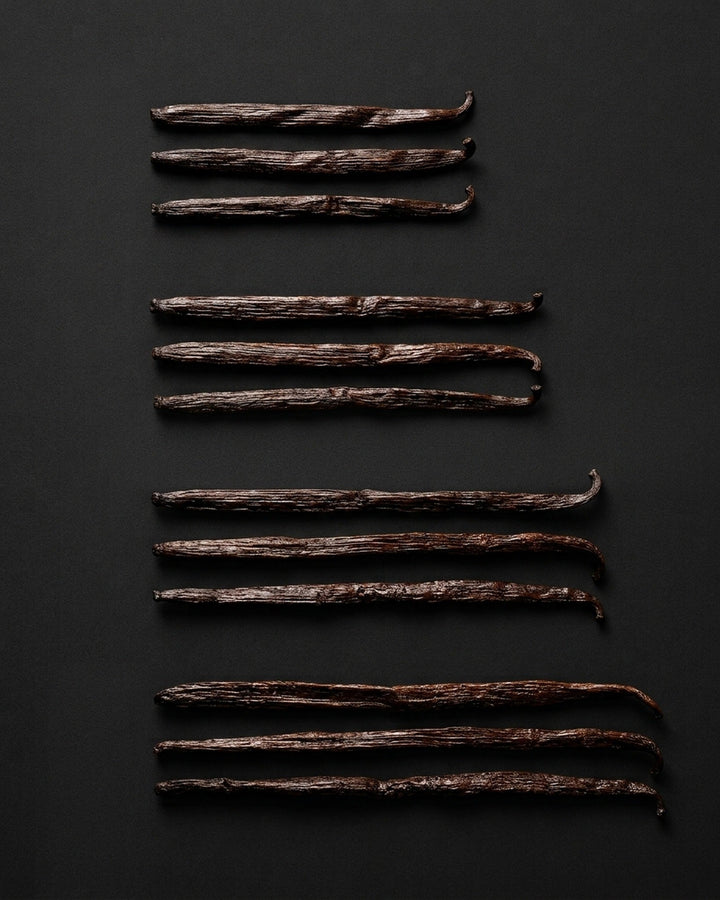
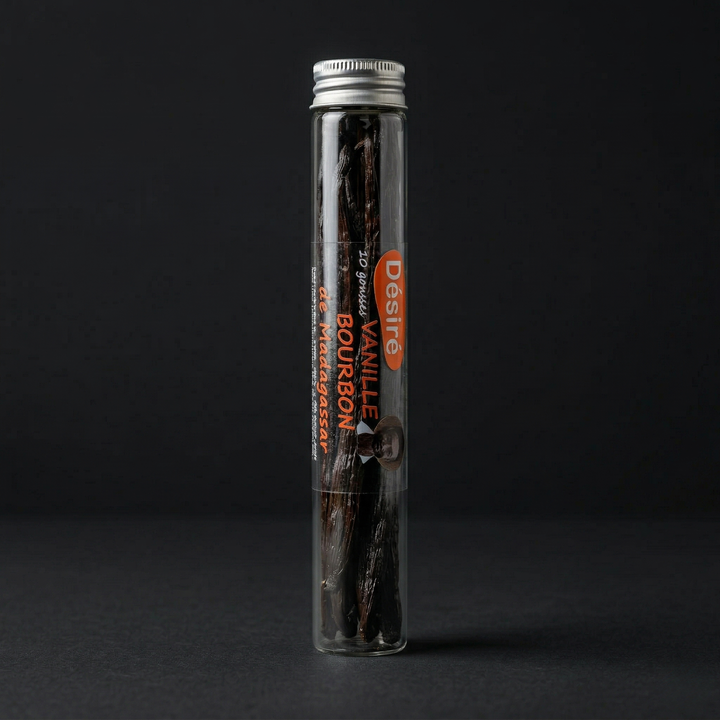
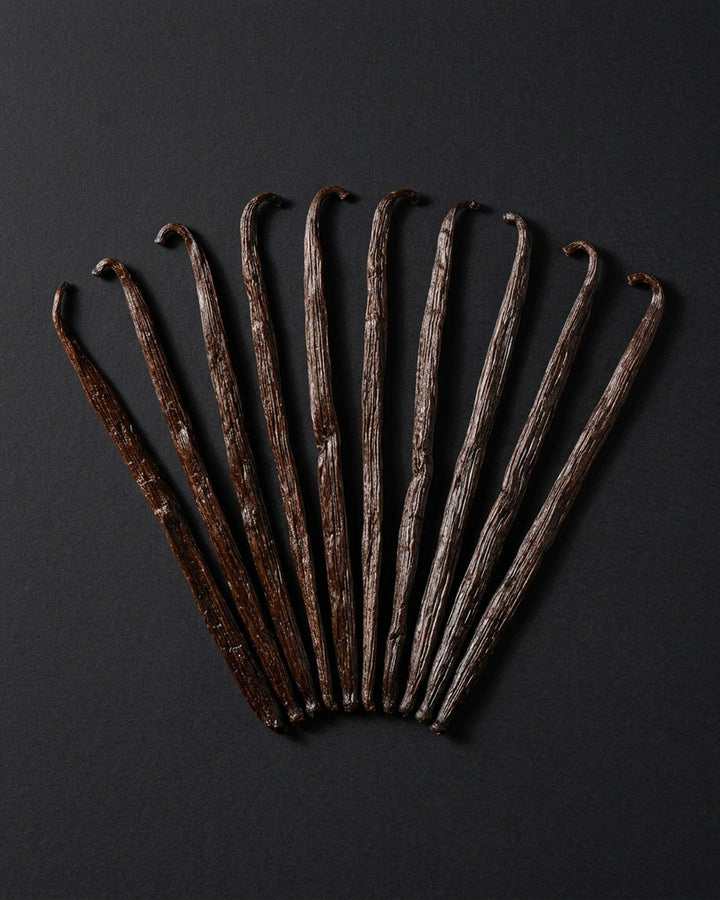
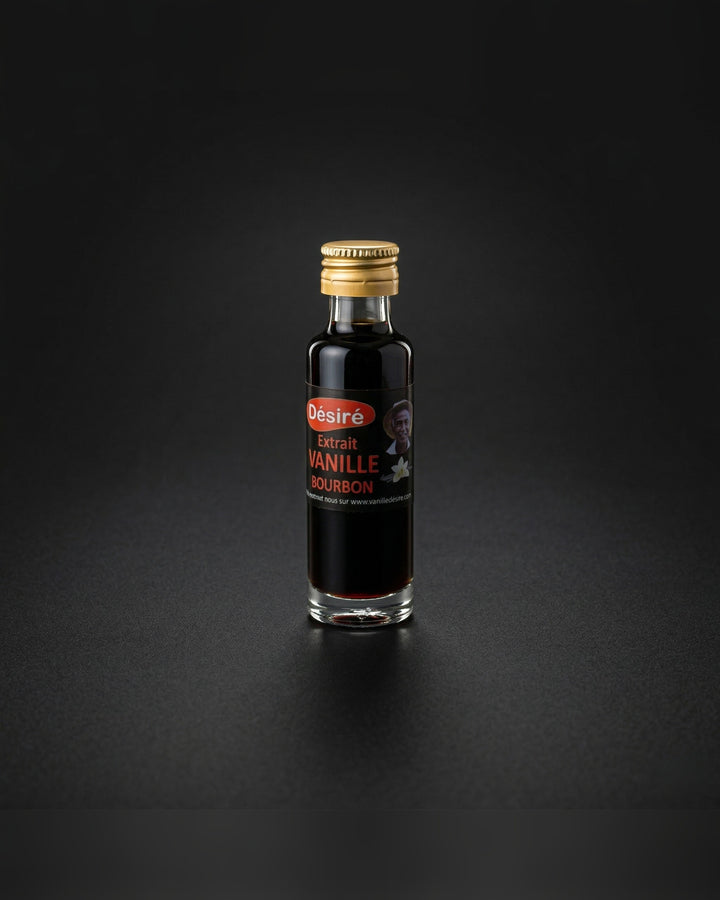
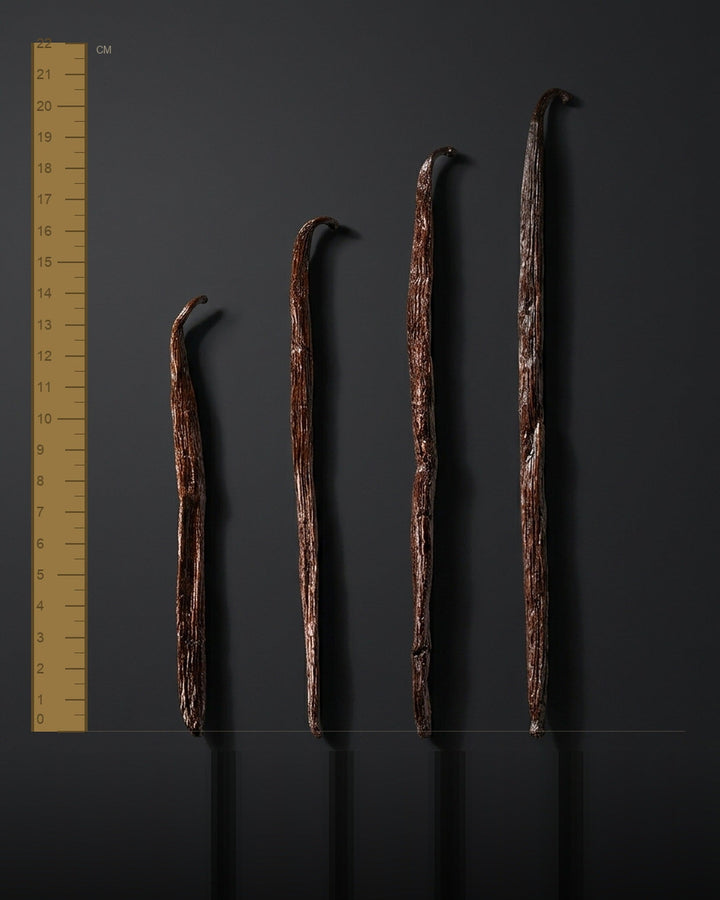
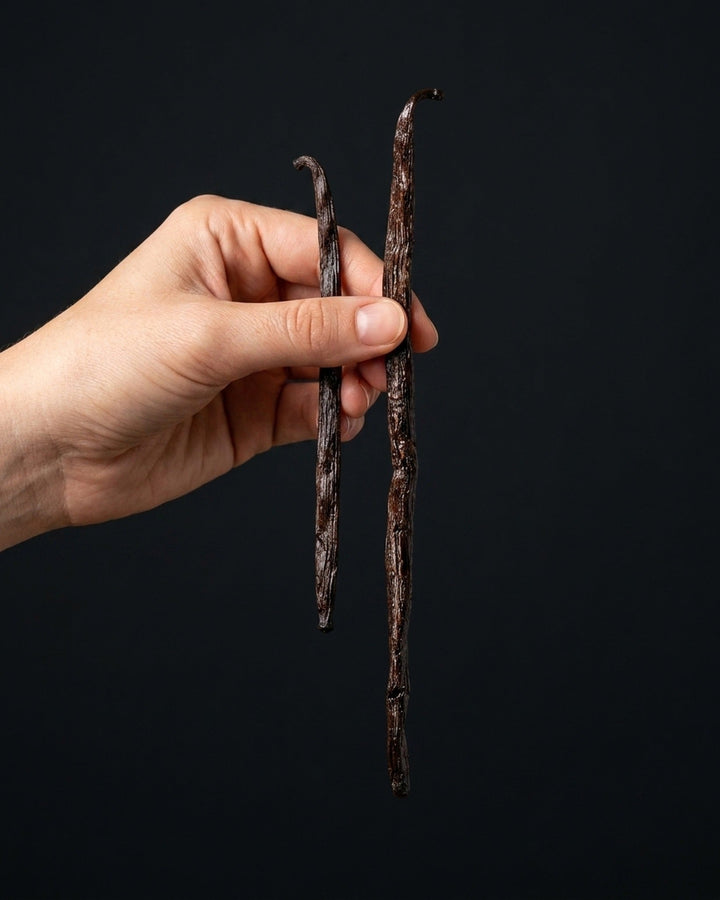
We grow and prepare our vanilla in the SAVA region, in the northeast of Madagascar. Pods, extract, powder and caviar each suit a different use: pods for infusing milk or cream, extract for flavouring a mixture that is already liquid, powder for a dry mix, caviar for a result that is visible in a pale preparation. To choose between these formats depending on the preparation, see our vanilla uses and recipes and dosing vanilla by preparation.
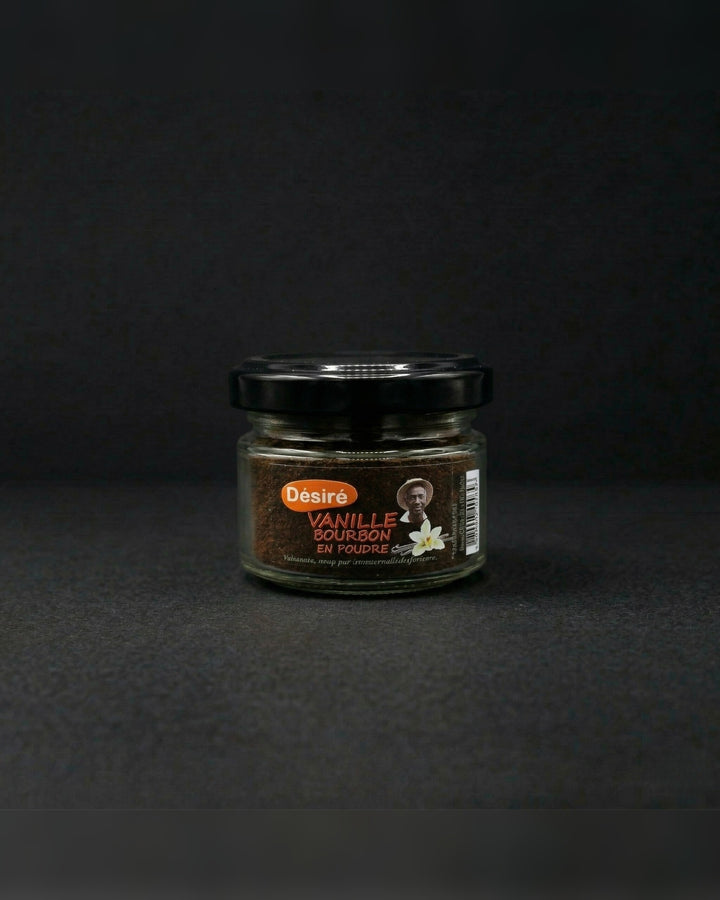
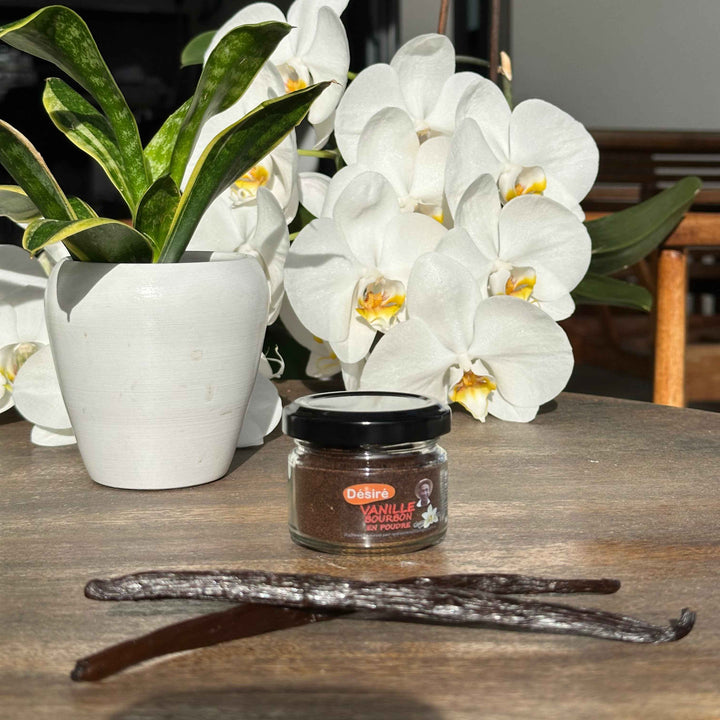
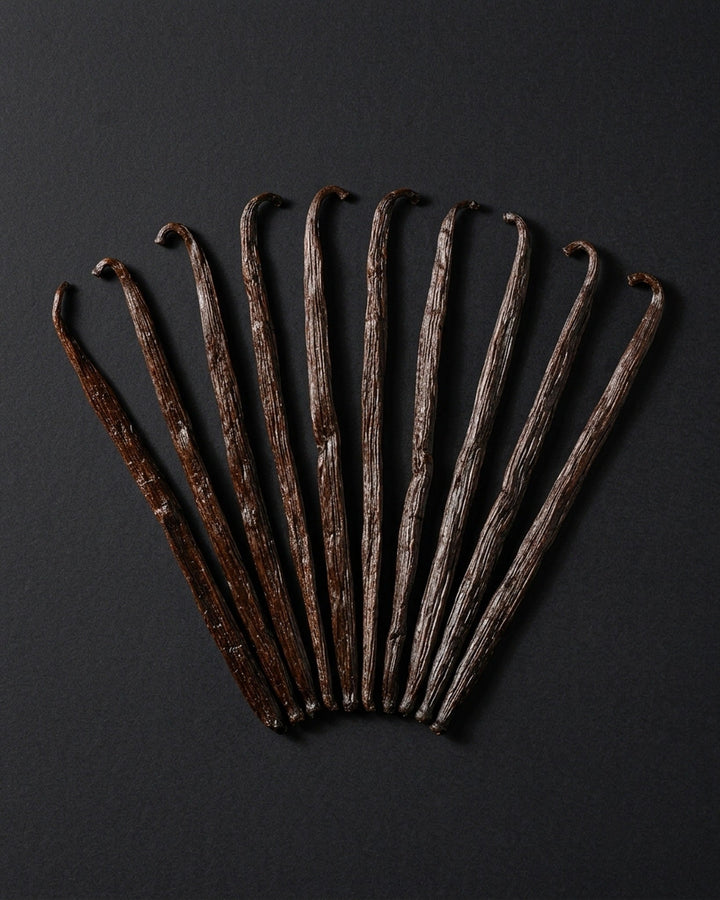
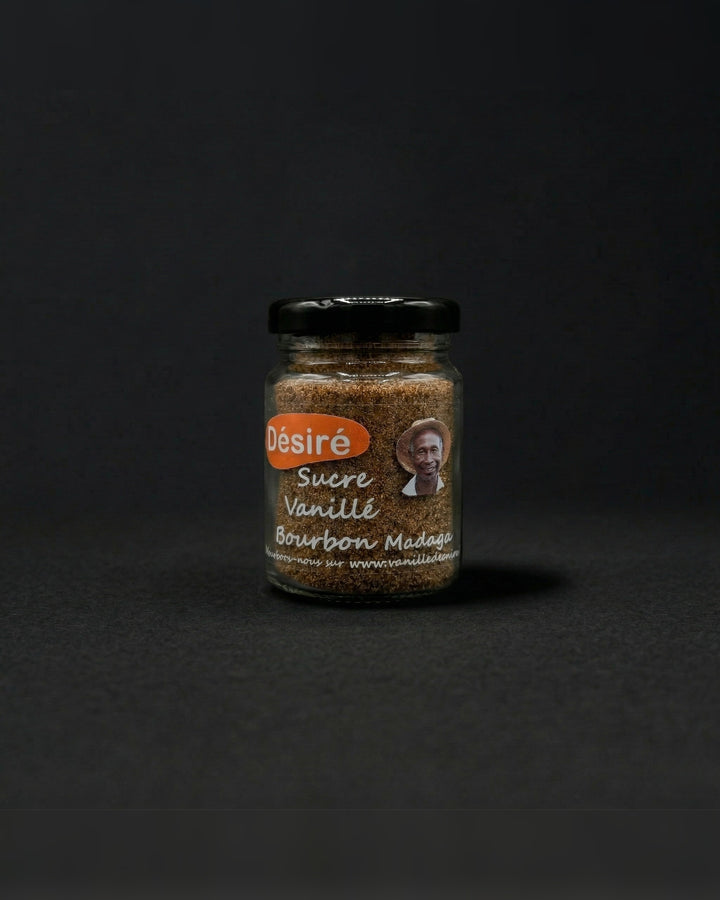
Our Madagascar Bourbon vanilla: pods, extract, powder and caviar.
Frequently asked questions
What is the difference between custard and crème brûlée?
Custard is a thin sauce, cooked in a saucepan and served with another dessert; crème brûlée is thicker, baked in the oven then caramelised, and is eaten on its own.
Is vanilla ice cream a French invention?
Not exactly. The first English ice creams of the 17th century were flavoured with orange blossom or rose; vanilla only appears there from the 1760s, and the dessert then became widespread mainly in the United States.
Is flan a Spanish or a Mexican dessert?
Its principle is said to come from the Roman Empire; it was the Spanish who added the caramel. It is now very present in both Spain and Latin America.
Which vanilla format should I choose for a cream-based dessert?
Pods for a long infusion in milk or cream, caviar for a result that is visible in a pale preparation such as a crème brûlée or a panna cotta.
The Vanille Désiré team