Quick answer: In Italy, the central spice of pasta is black pepper, in cacio e pepe, or dried chilli, in garlic and oil pasta. Our black pepper suits both traditions; our pili-pili chilli can add heat to a sauce, without reproducing the taste of Italian chilli.
Italian pasta does not call for a wide range of spices: its classic recipes rely on few ingredients, well chosen. Black pepper and dried chilli are its two pillars. Outside Italy, other pasta or noodle dishes call on other spices, such as ginger. This page goes through these uses and the part played in them by our products.
Cacio e pepe: black pepper, with no other spice
Cacio e pepe is a dish from Roman cooking, in the Lazio region. Its origin is linked to shepherds who moved with their flocks: pecorino and black pepper kept well in their bags, to season dried pasta over long periods away from home. The name comes from the Roman dialect: "cacio" for cheese, "pepe" for pepper.
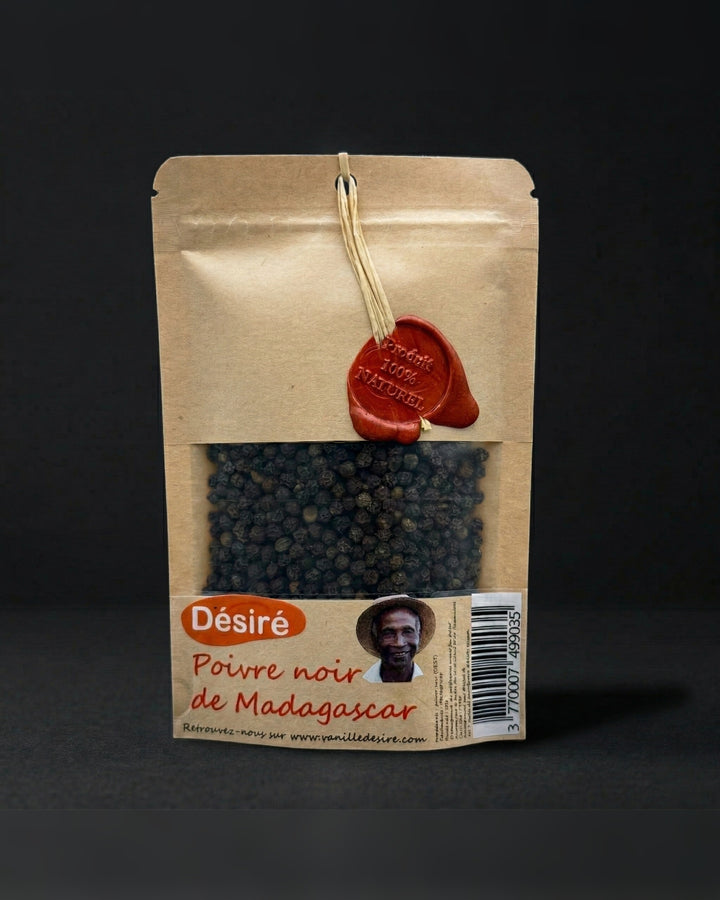
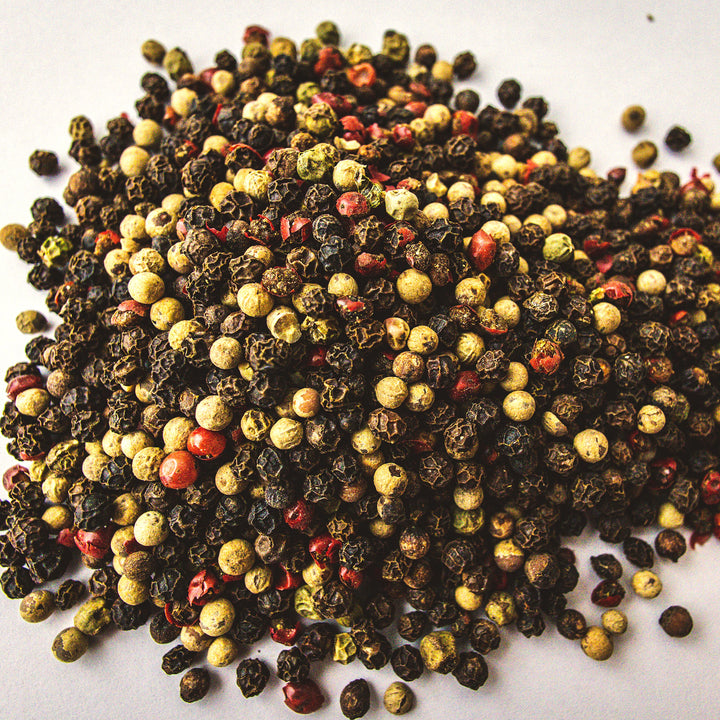
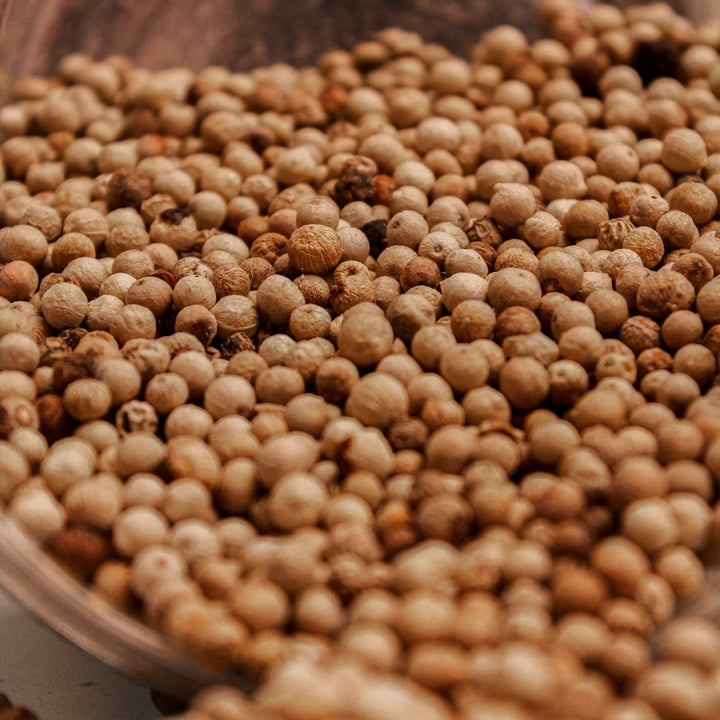
The recipe combines only pasta, pecorino romano and black pepper, with no other spice. Its success lies in the mantecatura, the technique that emulsifies the cheese and the starchy cooking water into a creamy sauce, without lumps. Our spaghetti cacio e pepe with Madagascar black pepper follows this method.
The pepper is ground just before adding it, never ahead of time: see pepper ground ahead or at the last minute for the technique and the reason.
Aglio, olio e peperoncino: garlic, oil and chilli
Spaghetti aglio, olio e peperoncino is a dish from Neapolitan cooking, valued for its simplicity and its cheap, easy to keep ingredients. Olive oil is heated with sliced garlic and a finely cut dried chilli, until the garlic turns lightly golden, then the cooked pasta is coated in it.
The dried chilli used in Italy is not the same as our pili-pili chilli, picked in Vangaindrano: two chillies from different origins and climates, giving notes that do not quite overlap. Our Madagascar chilli paste can add heat to a pasta sauce in the same spirit, without reproducing the taste of Italian peperoncino.
Filled pasta: nutmeg, not from us
Italian filled pasta, tortellini, tortelli or cappelletti, stand out through their filling rather than through a spice added to the pasta itself. Nutmeg comes up often in them, though: in the filling of Modena's tortellini, made from cured ham, mortadella, pork and parmesan, in that of Mantua's pumpkin tortelli, with parmesan and amaretti, or in a potato filling seasoned with parmesan and nutmeg. We do not sell nutmeg: it is a spice found in this tradition without being part of our range.
For a vegetable filling seasoned with our products rather than nutmeg, black pepper or ginger can play a similar role, as a discreet touch, without reproducing the taste specific to nutmeg.
A flavoured salt as a finishing touch
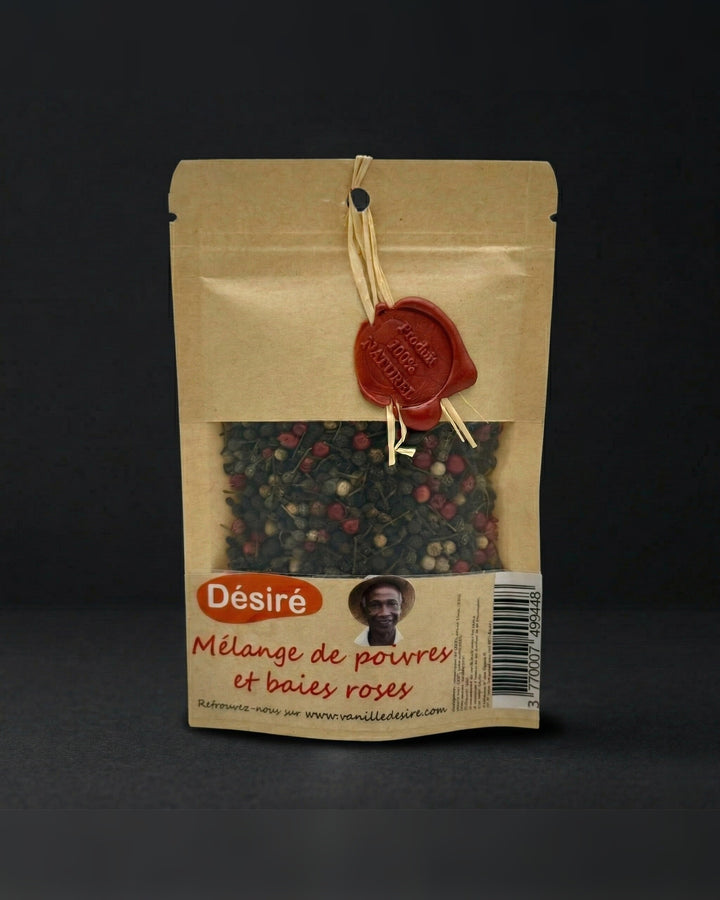
Beyond spices, a flavoured salt can replace a turn of pepper at the end of cooking. Our Camargue salt flavoured with pili-pili chilli or our salt flavoured with peppers and pink peppercorns can be sprinkled over buttered or olive oil pasta, in place of fine salt, for a finish different from cacio e pepe or aglio e olio.
Beyond Italy: noodles and other spices
Pasta is not an Italian exclusive. Other cuisines flavour their noodles with spices that have no place in a classic Italian dish: ginger, for example, in stir-fried noodles. See our recipe for Madagascar ginger stir-fried noodles, which follows a quite different tradition from cacio e pepe or aglio e olio. In France, the habit of "curry pasta", with cream and curry powder, owes more to home cooking than to any precise Italian or Asian tradition; it works just as well with our curry as with our turmeric.
For pasta served with fish or seafood, other spices from our range can come into play more widely: see which spices with fish.
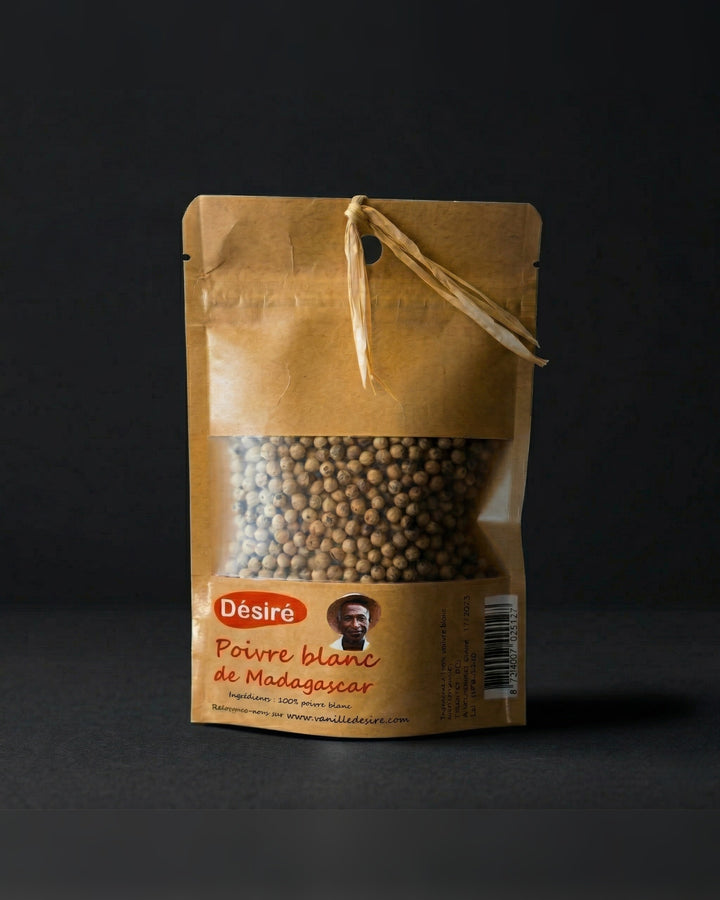
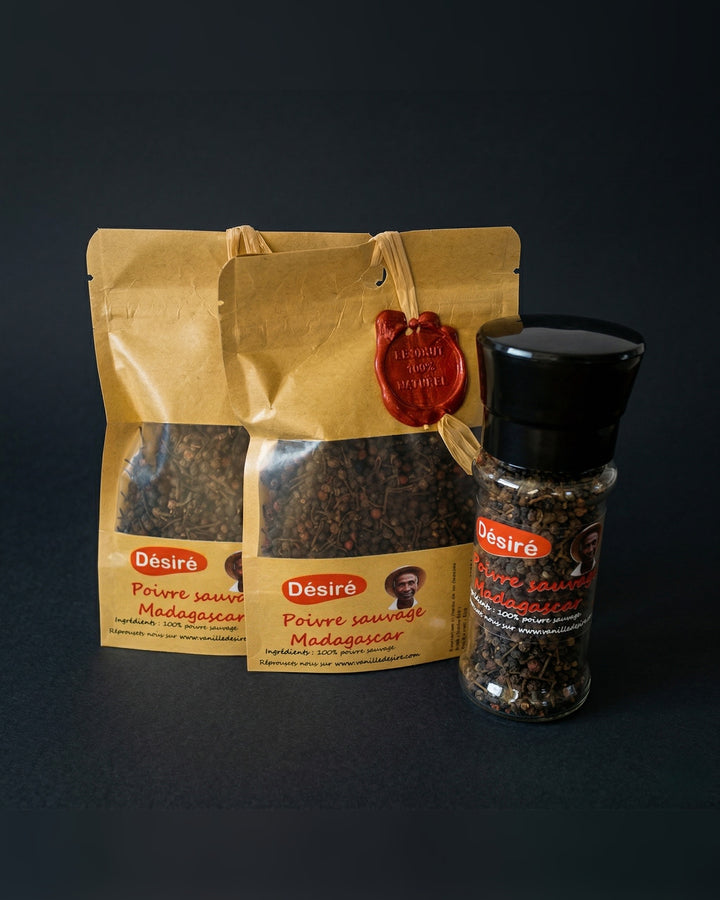
Our products: black pepper, wild pepper, chilli paste, ginger, salt flavoured with pili-pili chilli and salt flavoured with peppers and pink peppercorns.
Frequently asked questions
Which spice is essential to cacio e pepe?
Black pepper, ground at the moment, paired with pecorino romano. It is a dish from Roman cooking, with no other spice added.
Can pili-pili chilli replace Italian peperoncino in garlic and oil pasta?
It can add heat to the sauce in the same spirit, but it is a different chilli, picked in Madagascar under another climate: the taste will not be identical to that of Italian dried chilli.
Do turmeric or curry have a place in Italian pasta?
Not in the classic Italian recipes presented here. These spices are found instead in noodle dishes from other cuisines, such as our ginger stir-fried noodles.
Should pepper be ground ahead of time for a cacio e pepe?
No, the pepper is ground just before adding it, to keep its flavour. Ground ahead of time, it loses some of its aroma.
The Vanille Désiré team