Quick answer: Maghrebi cooking relies on blends such as ras el hanout and harissa, built first on cumin, coriander, caraway and dried chilli. Several of our Madagascar spices, turmeric, cinnamon, ginger, cloves and black pepper, are also found in it, alongside spices we do not offer.
Morocco, Algeria and Tunisia do not share a single cuisine, but they do share part of their spice repertoire. Ras el hanout, harissa and tagine are its best known expressions in France. This page places the spices that make up these blends, what they bring to a dish, and the part played by our own Madagascar spices.
Ras el hanout, a blend of dozens of spices
Ras el hanout is a spice blend put together in the Maghreb, mostly in Morocco. Its composition varies from one merchant to another and from one family to another: common recipes list turmeric, black pepper, cumin, cinnamon, nutmeg, cardamom, coriander, chilli and ginger as the base, sometimes topped up with cloves, galangal or dried flowers. Some versions count around twenty spices, others many more.
The name comes from two Arabic words: ras, head, and hanout, shop. It therefore literally means "head of the shop", a reference to the assortment that the spice merchant put together himself, from what he had in stock.
Among these spices, five are familiar to us:
- Turmeric: one of the colour and flavour bases of the blend, also used on its own in some tagines.
- Cinnamon: present in sweet-savoury versions, alongside dried fruit.
- Ginger: adds depth to meat tagines as well as vegetable dishes.
- Cloves: go into some versions of the blend, in small amounts.
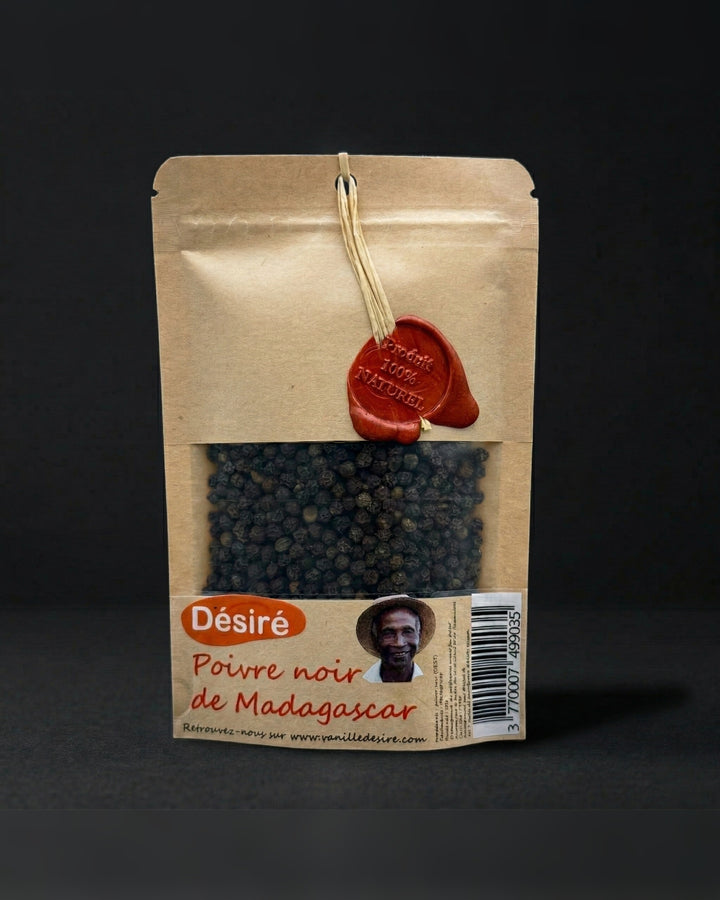
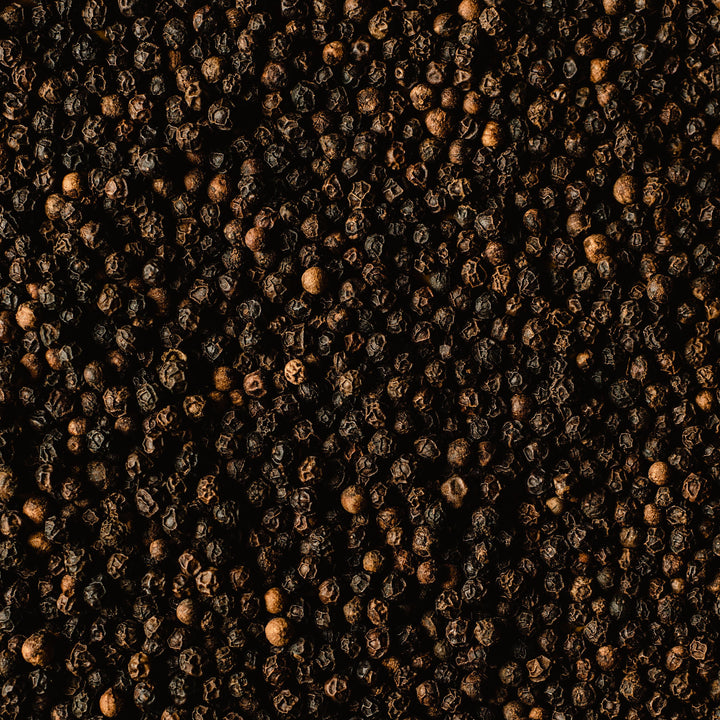
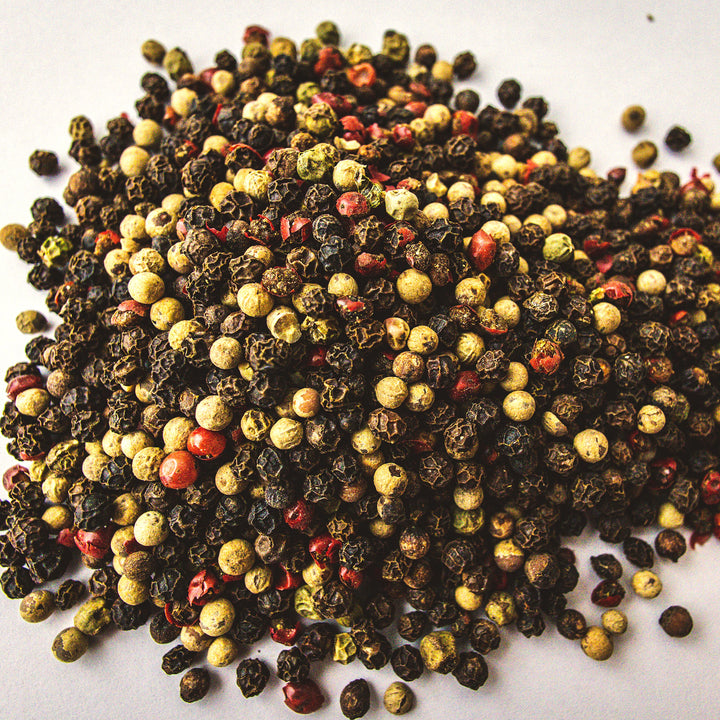
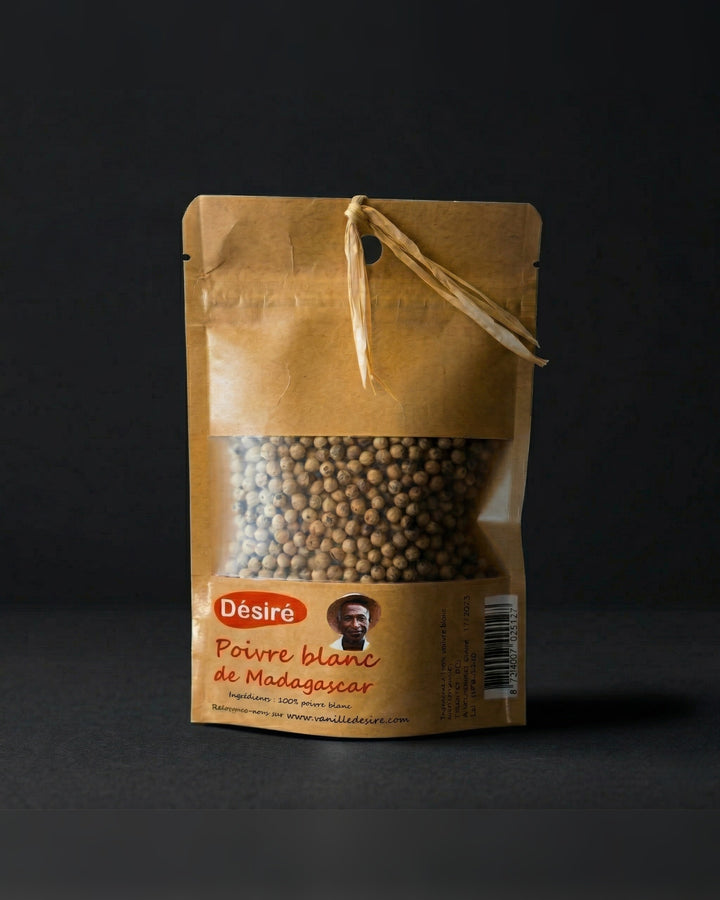
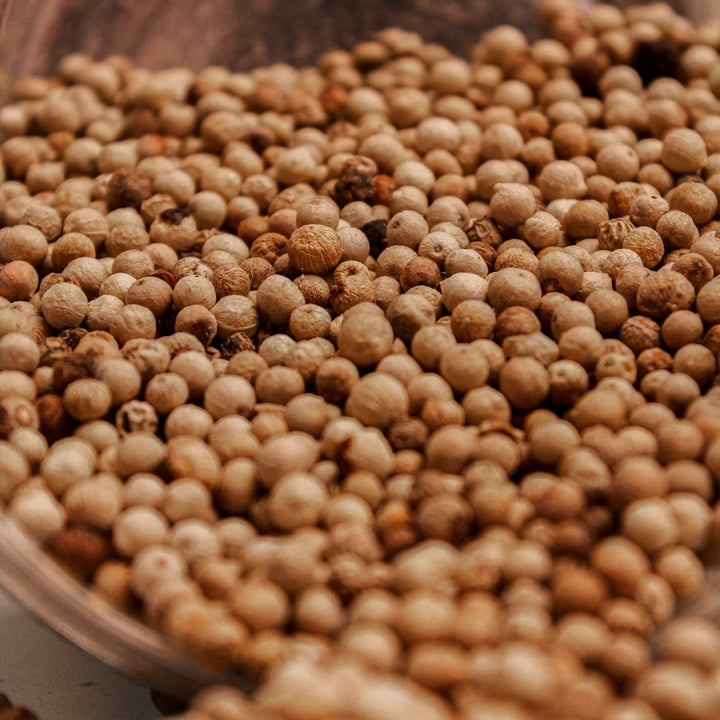
- Black pepper: a base present in almost every version.
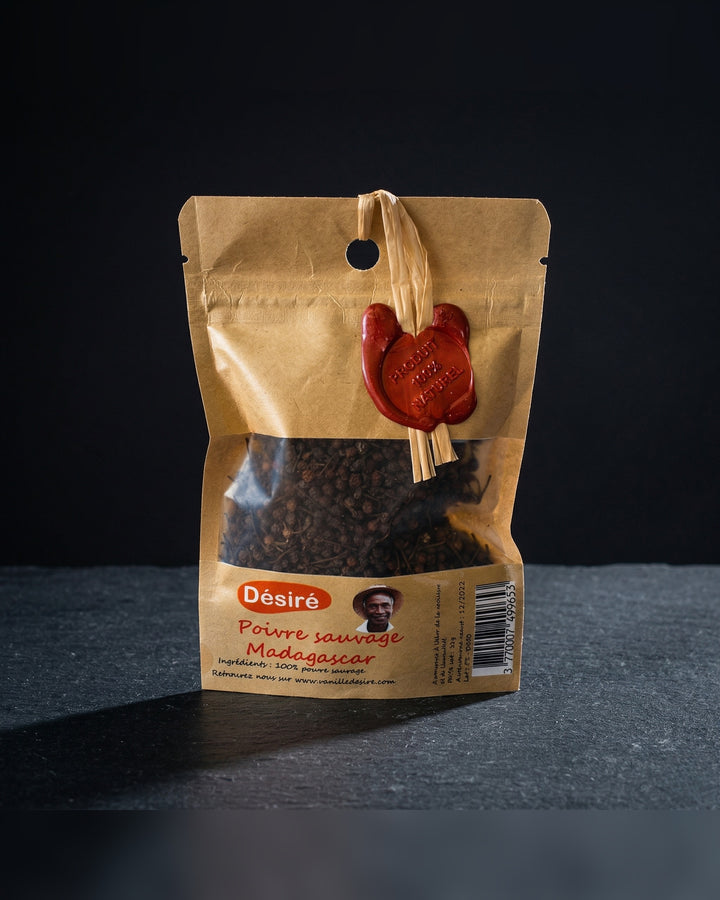
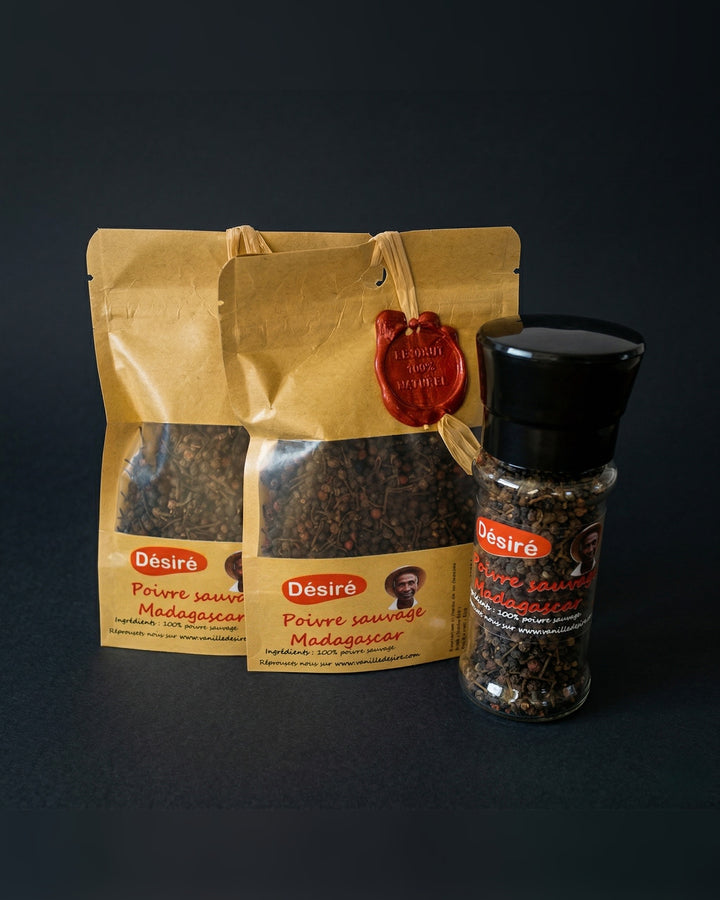
We offer them ground or whole, grown in Vangaindrano, in south-east Madagascar. Cumin, coriander, cardamom, nutmeg and galangal, however, are not part of our range: these are spices specific to this cooking, found with other spice merchants.
Harissa: chilli, and a touch of caraway
Harissa is a chilli paste originally from Tunisia, listed since 2022 on Unesco's intangible cultural heritage of humanity. Its most traditional version combines dried red chilli, garlic, caraway, coriander, olive oil and salt. Caraway, less well known than cumin, is its signature: it is often left out, or wrongly replaced with cumin in simplified versions, which changes the taste of the condiment.
This paste should not be confused with our Madagascar chilli paste, made from pili-pili chilli picked in Vangaindrano and packaged in France. The two pastes start from a different chilli, grown under a different climate, for a balance of flavour that is not the same.
The dishes where these spices appear
Tagine, cooked slowly in a covered clay dish, and couscous, made from rolled semolina then steamed, are the two best known preparations of this cooking in France. Ras el hanout often flavours the meat or vegetables in it. Cinnamon and ginger also appear in tagines that combine savoury and sweet, with dried fruit or prunes. Black pepper and turmeric appear more occasionally, as a background note rather than the star.
Working with our Madagascar spices
Without cumin, coriander or cardamom, a full ras el hanout cannot be put together with our range alone. You can, however, draw on this cooking with what we do offer: a vegetable stew with cinnamon and ginger, a meat dish seasoned with black pepper and turmeric, or a sauce where our chilli paste adds depth, without claiming to replace harissa. Composing your own homemade spice blend gives a method for measuring and storing a blend, whatever cooking style you are aiming for.
Our Madagascar spices: turmeric, cinnamon, ginger, cloves, black pepper and chilli paste. For an overview of our range, see the page on Madagascar spices.
Frequently asked questions
Is ras el hanout one of Vanille Désiré's products?
No, we do not sell ready made ras el hanout. Five of the spices that often go into it, turmeric, cinnamon, ginger, cloves and black pepper, are in our range, but the full blend also needs cumin, coriander and cardamom, which we do not offer.
Does our Madagascar chilli paste replace harissa?
No. Traditional harissa combines a Maghrebi chilli, garlic, caraway and coriander; our paste is made from pili-pili chilli from Vangaindrano. The two pastes have a different balance of flavour.
What is the difference between cumin and caraway in harissa?
Caraway is the seed that traditionally signs Tunisian harissa; cumin, better known, often replaces it in simplified versions, which changes the taste of the condiment.
Which Madagascar spices to use to draw on a tagine?
Cinnamon and ginger for a sweet-savoury version, black pepper and turmeric for a simpler one. Neither recreates a full ras el hanout.
The Vanille Désiré team