Quick answer: Cooking changes the way you spice a fruit. In a compote, a whole spice such as vanilla or cloves has time to infuse slowly. Pan-fried, cooking is fast: a powder or a dash of extract is used instead. In the oven, the spice holds through the whole roasting time, from start to finish.
An apple compote, a pan-fried banana and a pear roasted in the oven do not cook the same way, and they do not pair with spices the same way either. Cooking time, the presence or absence of liquid and the oven's direct heat change the moment to add vanilla, cinnamon, cloves, ginger, wild pepper or pink peppercorns. This guide goes through three common cooking methods and gives, for each one, the technique that works.
Compote: a long cook, a spice that has time to infuse
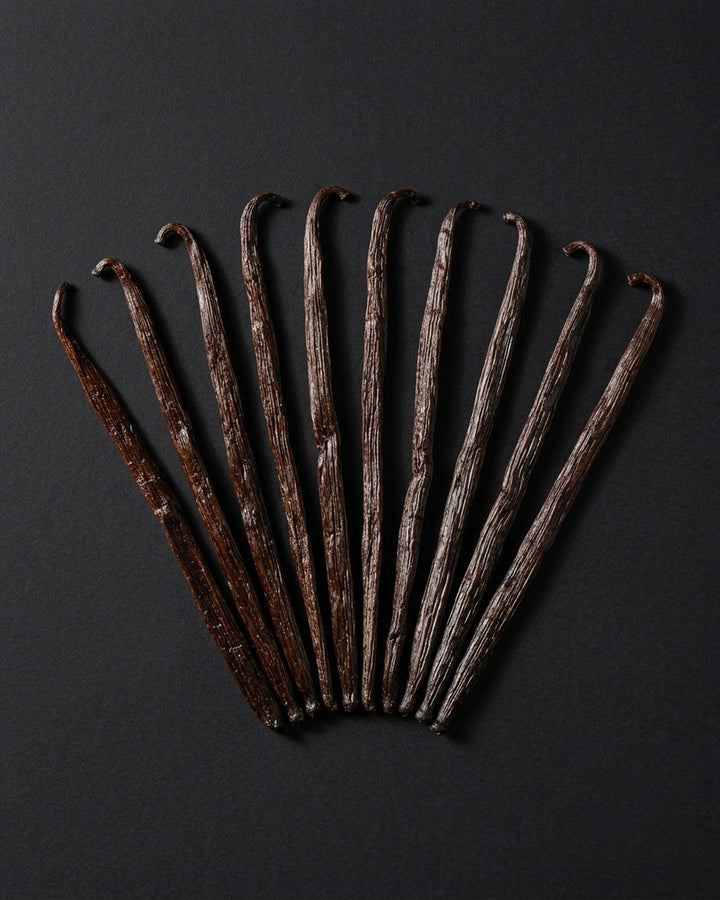
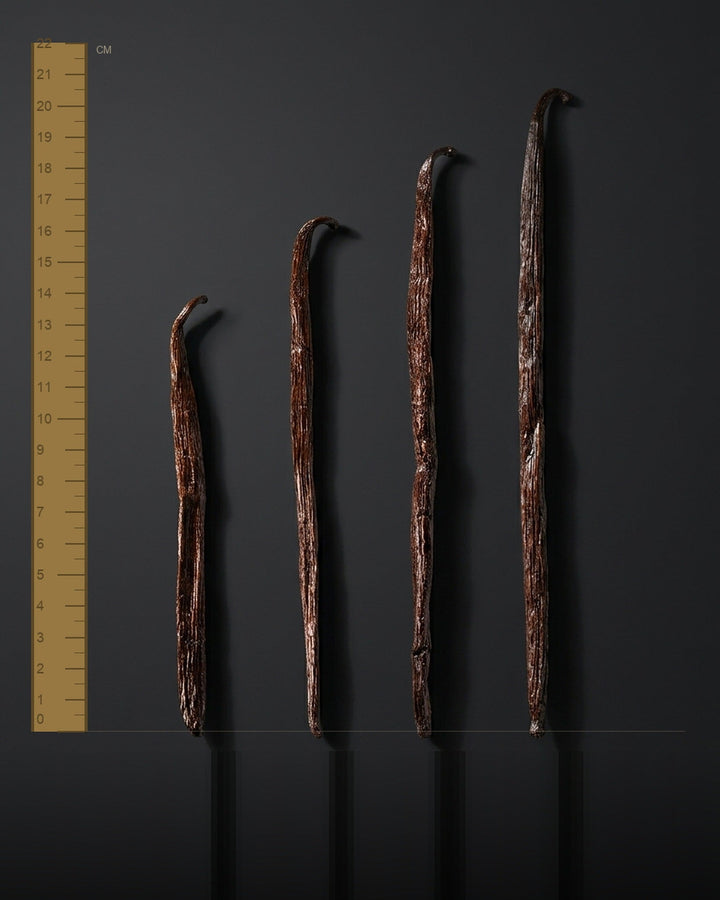
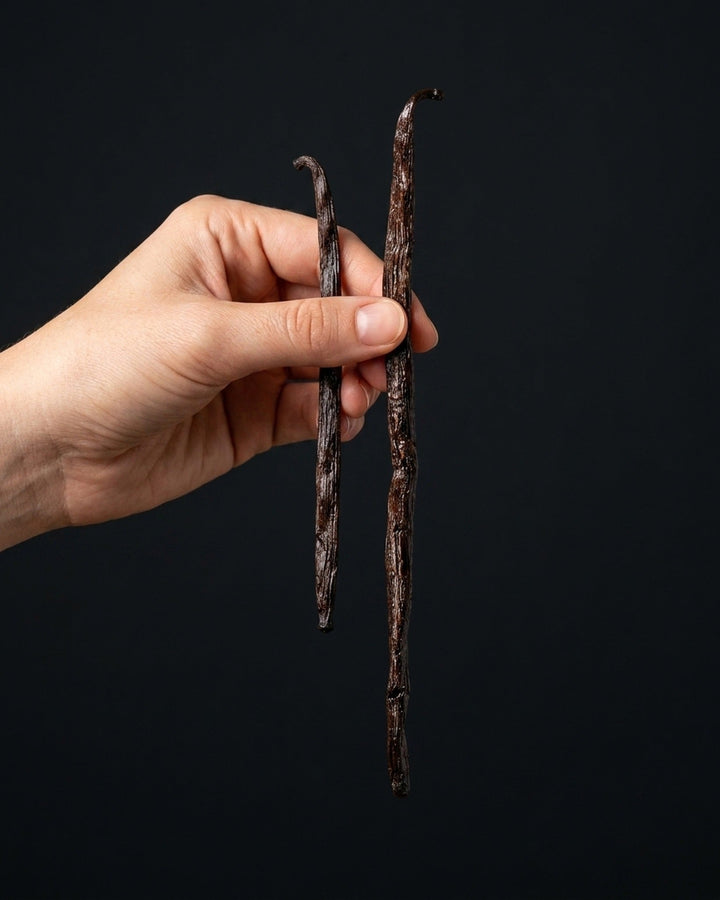
A compote cooks for a long time, over low heat, with a little liquid that escapes from the fruit or is added at the start. A whole spice therefore has time to give all its flavour: a vanilla pod split in two, or a whole clove. They are removed before blending, or left in if you prefer a compote with small visible pieces. Ground cinnamon and ground ginger, on the other hand, are measured by the pinch and added more towards the end of cooking, to keep all their flavour.
For the amount of vanilla according to the weight of fruit, our page on dosing vanilla gives reference points by preparation.
Pan-fried: a spice that has to work fast
In a frying pan, cooking is fast and over higher heat. A whole vanilla pod does not have time to infuse: powdered vanilla or caviar is used instead, sprinkled in during cooking, or a dash of extract added off the heat at the end so it does not lose its flavour to the heat. Ground cinnamon and ground ginger mix well into sugar or melted butter before the fruit is cooked in it. For pan-fried pineapple or mango, a few turns of a wild pepper mill at the end of cooking add a fragrant touch without overpowering the fruit.
Roasted in the oven: a spice that holds through the whole cook
In the oven, the fruit cooks longer and dry, or with a little butter and sugar. Ground or whole spices hold up well over this time: cinnamon and cloves flavour apples or pears cut in half, a little ground ginger mixes into the sugar that will caramelise on the surface. Wild pepper finds its place on bolder fruit such as roasted pineapple, at the end of cooking or just before serving, to keep its woody, floral flavour without cooking it too long: see our recipe for pineapple roasted with vanilla and wild pepper.
Cloves, a whole bud to keep whole or to grind
With us, cloves are sold as whole buds. In a compote or pan-fried dish, one or two buds are enough to flavour the whole fruit: they are removed before serving, like a sweet bouquet garni. For a roast in the oven where you want a more present, more even flavour, a few buds can be ground when preparing the fruit, in a mortar or a spice mill. Ground cloves quickly lose their flavour in the air: prepare a small amount, just before using it.
Vanilla, a spice for every cooking method
Vanilla adapts to all three cooking methods, but not in the same form. In a compote, the split pod infuses for a long time. Pan-fried, the powder or caviar mixes quickly into an already hot fruit. In the oven, the extract is poured into the sugar or butter before baking, or the scraped seeds of a pod flavour the fruit directly. To pair vanilla with other spices on a fruit, our page on vanilla and fruit, the pairings details the combinations that work, and vanilla and spices those with cinnamon, cloves and pepper.
Pink peppercorns, as a finish rather than in cooking
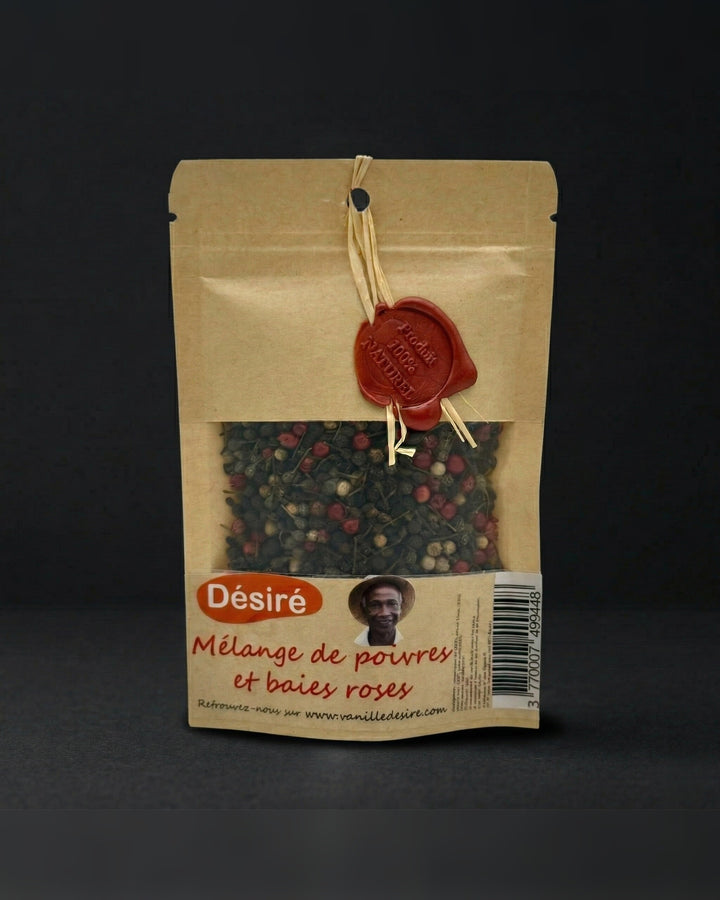
Pink peppercorns do not cope well with long cooking: their thin skin quickly loses its fruity flavour to the heat. They are therefore added crushed, right at the end of roasting or pan-frying, or even directly onto the fruit still warm out of the oven. That is the principle behind our recipe for figs roasted with honey and pink peppercorns. For other sweet pairings, see pink peppercorns in desserts.
Examples to follow
Several cooked fruit recipes go through these steps in detail: apple compote with vanilla and cinnamon, baked apples with vanilla and cinnamon, poached pears with vanilla, apple, cinnamon and vanilla crumble, pear and vanilla clafoutis and vanilla tarte Tatin.
Our products for spicing cooked fruit
Our family grows vanilla in the SAVA region, in north-east Madagascar, and the other spices in Vangaindrano, in the south-east, except wild pepper, which is picked in the forest.
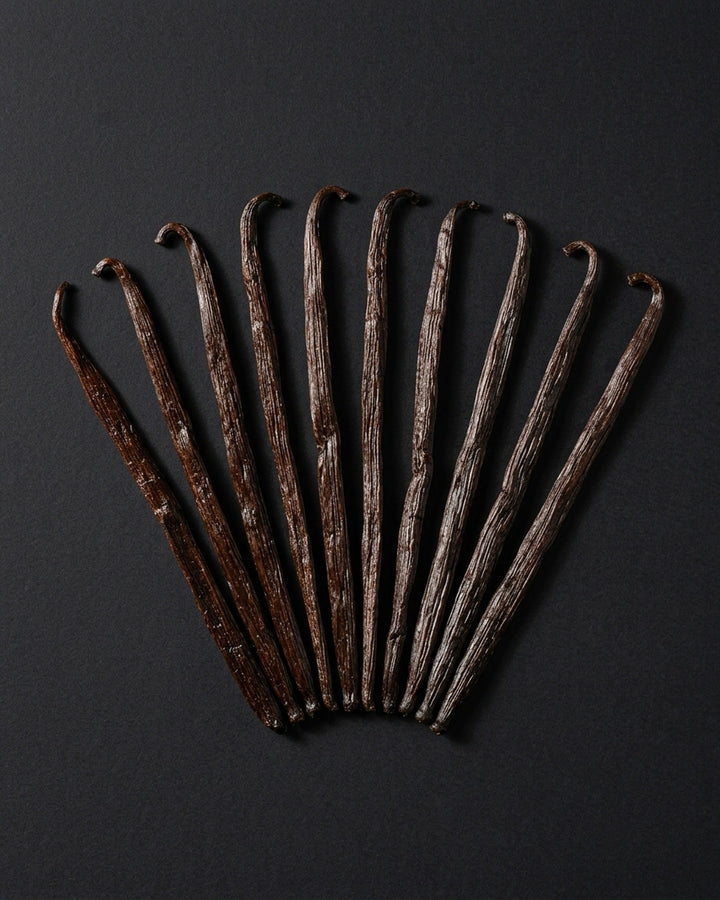
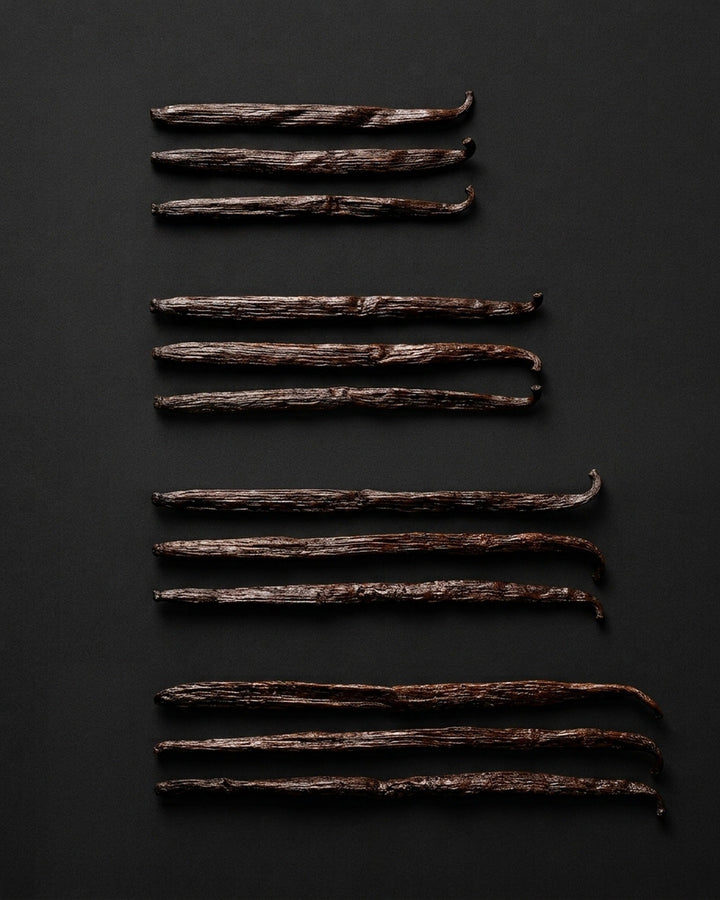
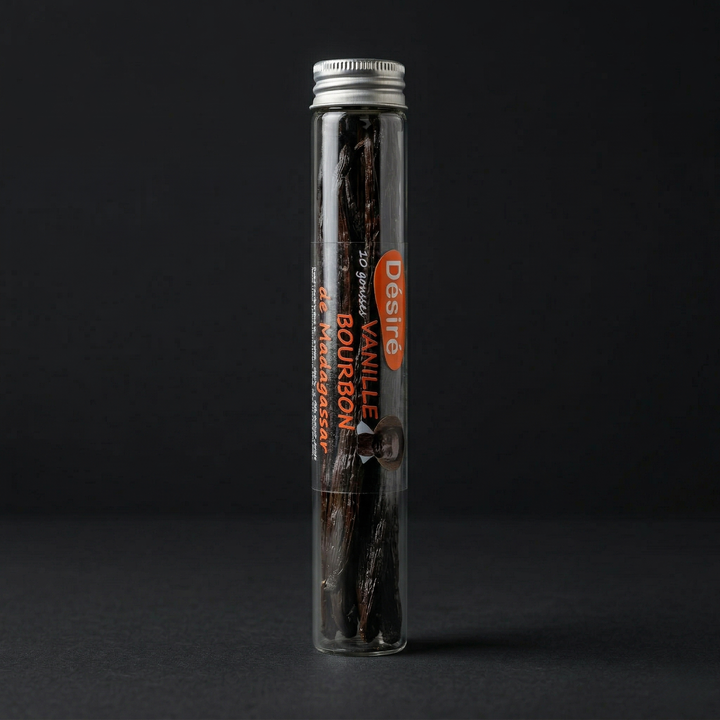
- Madagascar Bourbon vanilla pods
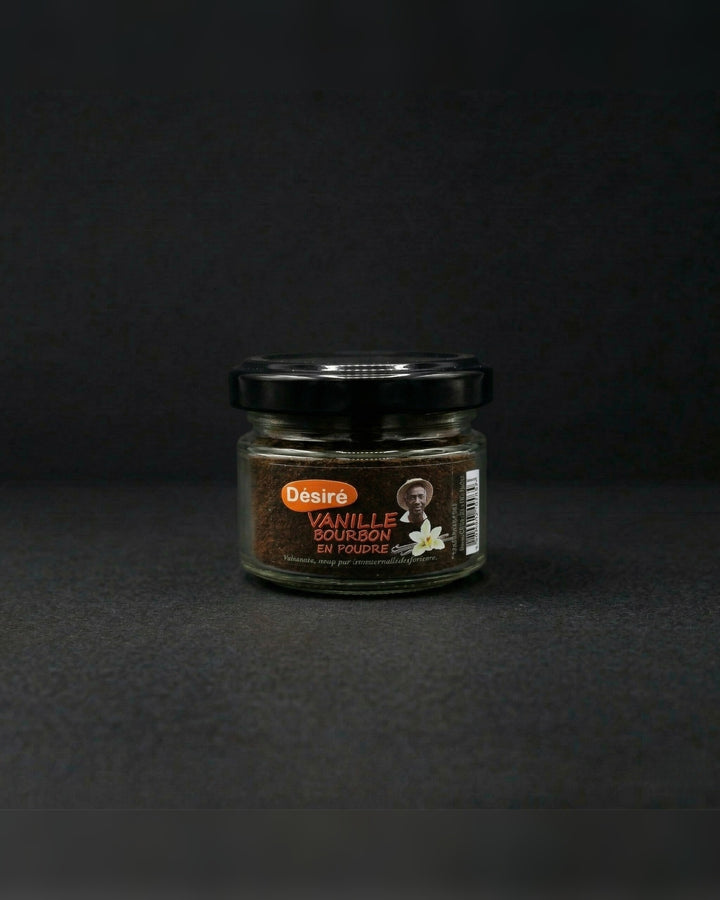
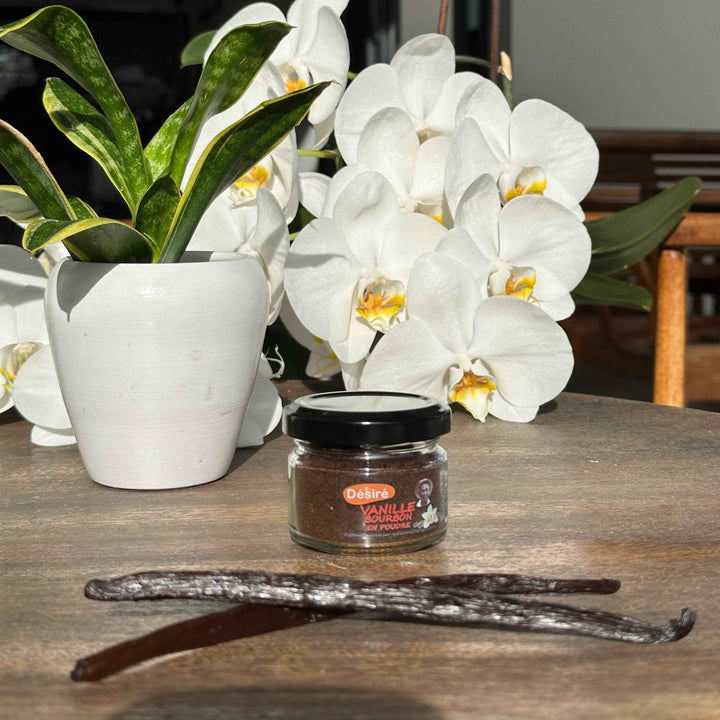
- Madagascar Bourbon vanilla powder
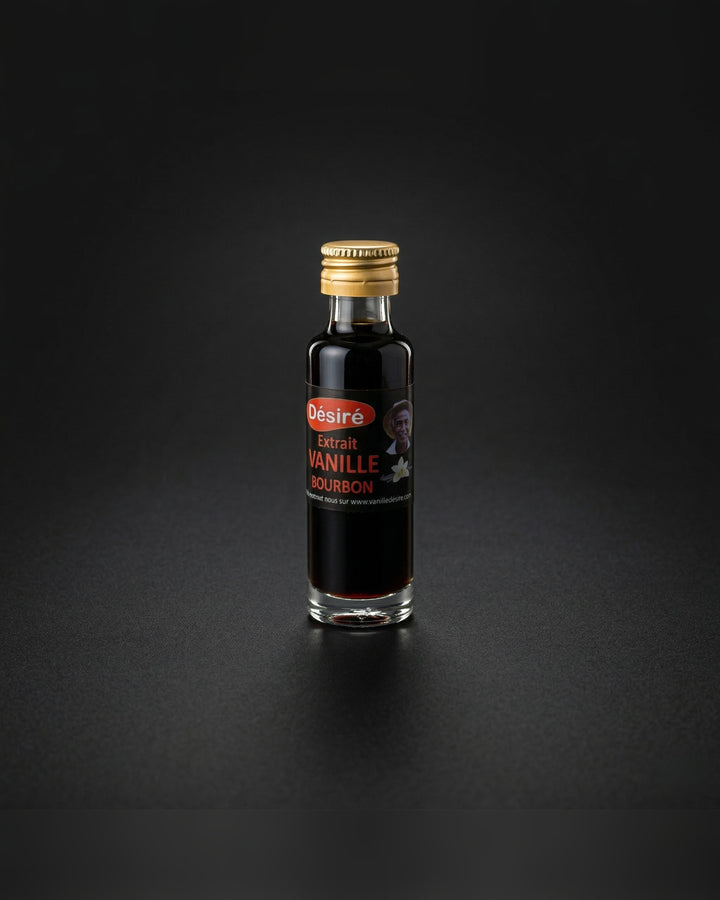
- Madagascar Bourbon vanilla extract
- Madagascar cinnamon
- Madagascar cloves
- Madagascar ginger powder
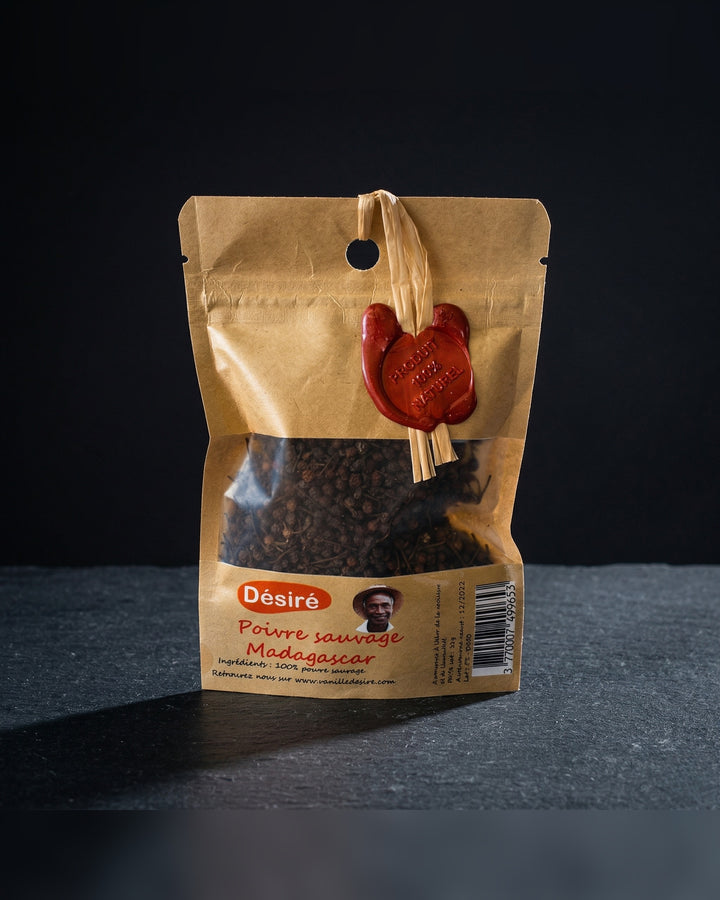
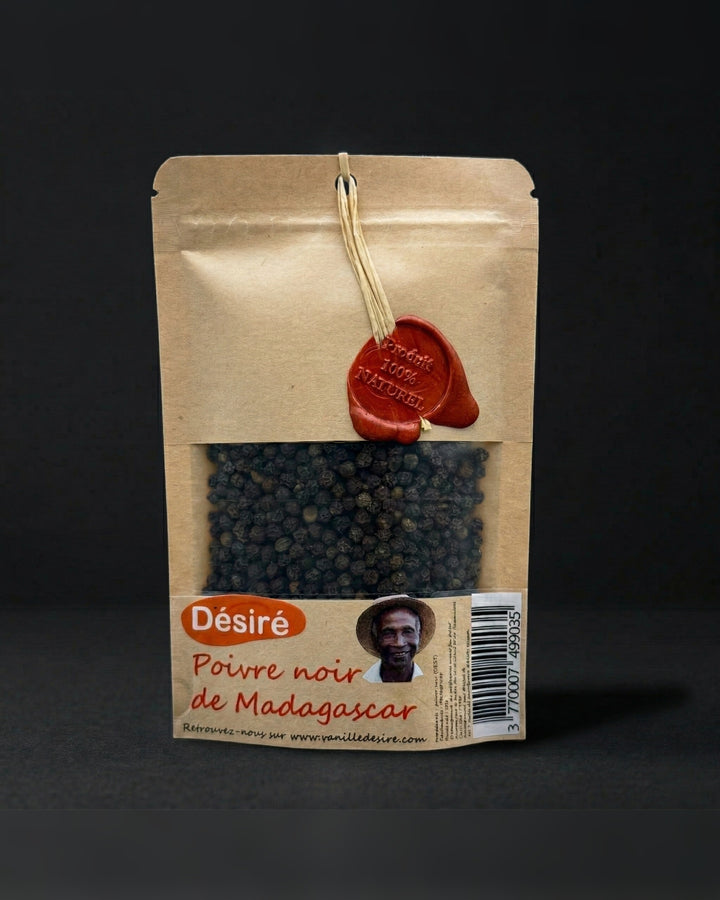
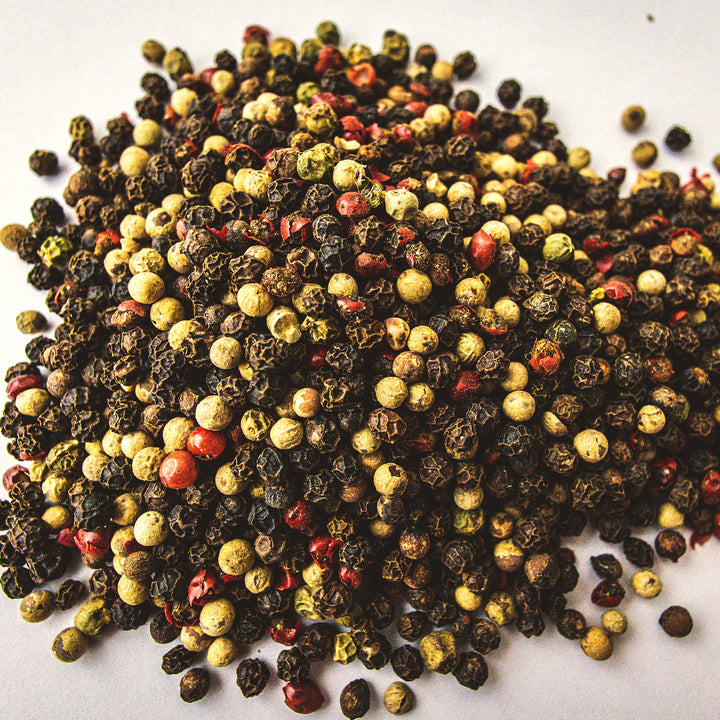
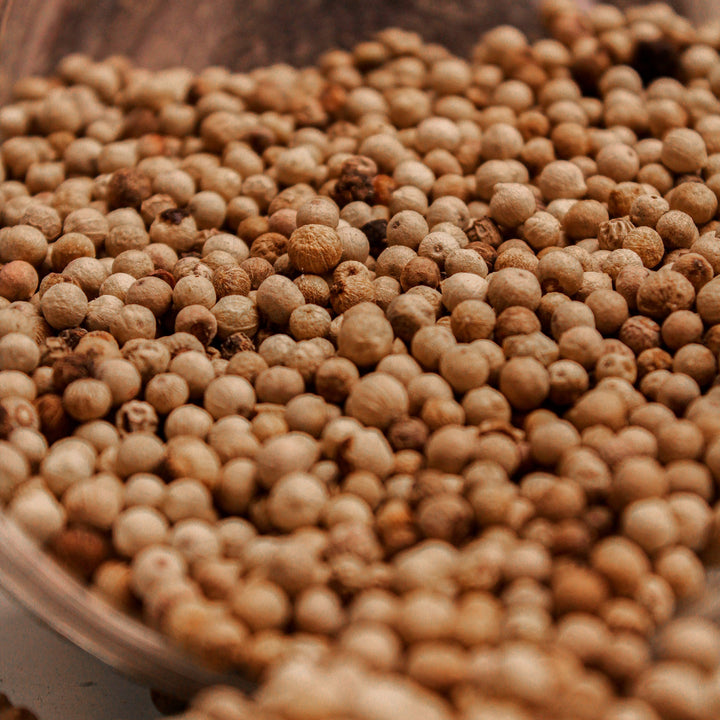
- Madagascar wild pepper
- Madagascar pink peppercorns
Frequently asked questions
Should the vanilla pod or clove be removed before serving a compote?
It is not required, but it is simpler before blending the compote or serving it to children: the pod and the clove come out easily once cooking is finished.
Can a whole vanilla pod be used in a quick pan-fried dish?
It is possible, but the pod will not have time to infuse for long: vanilla powder or a dash of extract added off the heat gives a more consistent result over a short cook.
When should ground ginger be added to a fruit baked in the oven?
The simplest way is to mix it into the sugar or butter before baking, so it spreads over the whole surface of the fruit during cooking.
Do pink peppercorns cope with oven cooking?
Not well: their skin is thin and quickly loses its flavour to heat. They are added crushed right at the end of cooking, or directly onto the fruit while still warm.
The Vanille Désiré team