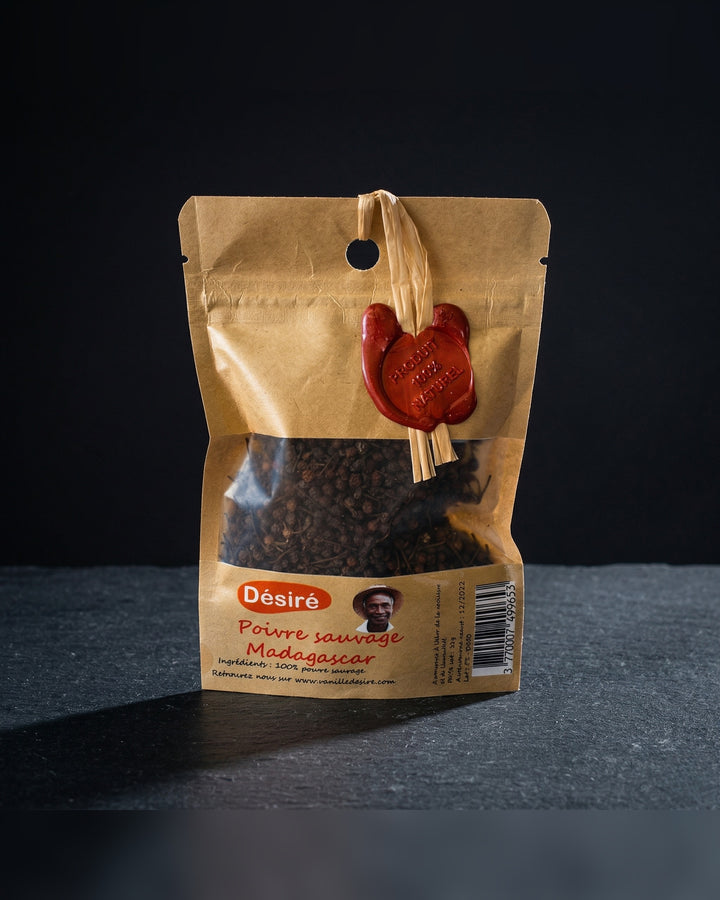
Quick answer: Madagascar pink berries are used in desserts for their mild, fruity taste, not for heat: with dark chocolate, red berries, a cream or a shortbread. They are added at the end of preparation, crushed at the last moment, because their aroma evaporates quickly once crushed.
Pink berries are not a pepper, but their mild, fruity taste makes them a fine spice for desserts. Chocolate, red berries, cream or shortbread: this page details these sweet uses. For the botanical question, see our page pink berries, a pepper or not, and for a general overview of the spice, Madagascar pink berries: we do not repeat either one here.
A mild fruit, not a heat
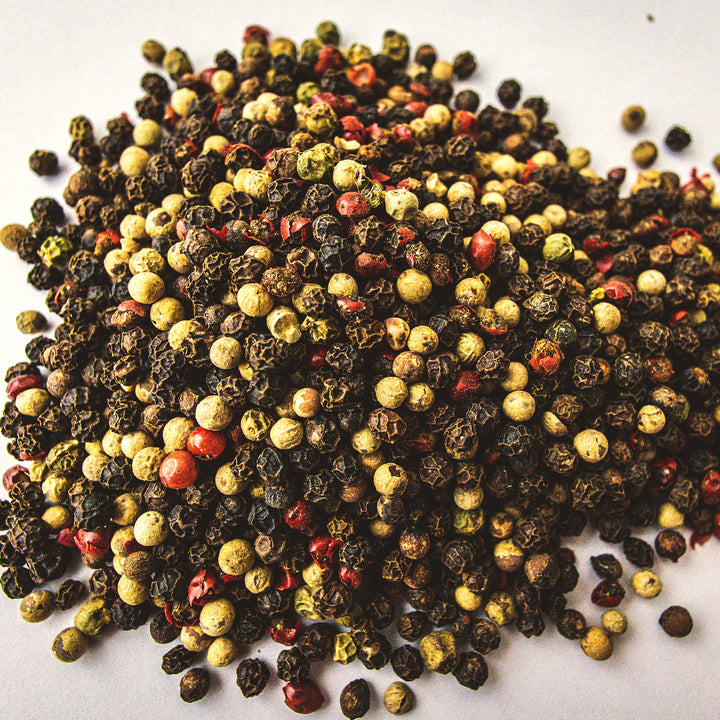
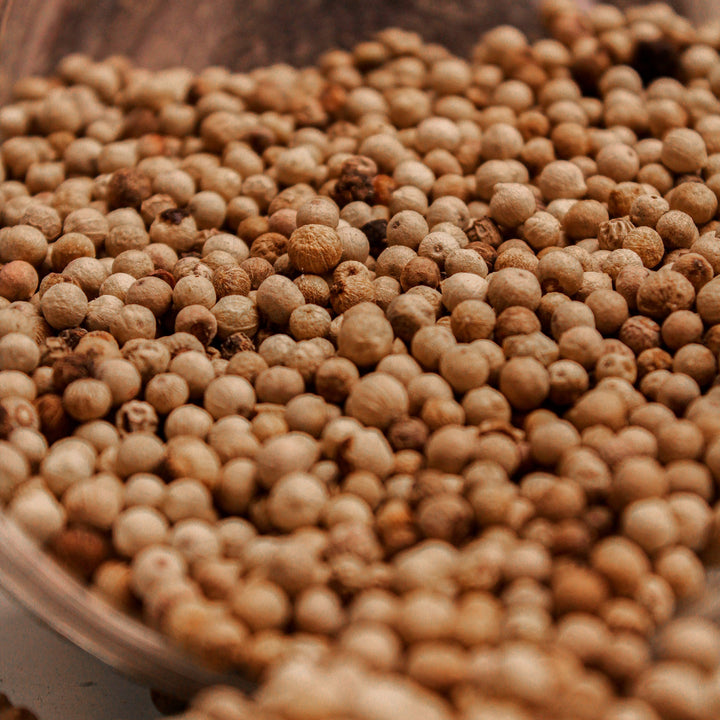
The pink berry comes from a tree of the genus Schinus, with no family link to the pepper plant. Its taste is mild, fruity and slightly resinous, with barely a peppery edge at the finish. It is this sweet profile that opens the door to desserts, where a true pepper would stay too fiery.
Pink berries and chocolate
On dark chocolate, the crushed pink berry softens the bitterness and adds a warm, fruity note. It is placed on a square of chocolate before it sets, mendiant-style, or a few finely ground pinches are mixed into an already-whipped chocolate mousse. The amount stays small: two or three pinches are enough for a preparation meant for several people.
Pink berries and red berries
The pink berry's aromatic profile already echoes certain red berries, redcurrant, raspberry or prune. It therefore pairs naturally with a red-berry salad, a coulis or a compote, where it adds an extra fruity touch rather than a flavour foreign to the fruit.
In a cream, a shortbread or a macaron
Crushed and mixed into the dough, pink berries flavour a shortbread or a macaron shell. In a cream, a panna cotta or a whipped cream, they infuse briefly before being removed, or are scattered crushed right at the end of preparation to keep their colour and crunch.
When to add them
The pink berry's skin is thin and brittle: it bursts and loses its aroma fairly quickly once crushed. It is therefore better to crush it at the last moment, just before serving or sealing the preparation, rather than in advance. On a hot preparation, it is added at the end of cooking: prolonged cooking does it no good, its fragile texture does not stand up to heat for long.
How to dose it
The pink berry gives a supporting note, not a dominant flavour. Two to three pinches, crushed in a mortar or between the fingers, are enough for a preparation for several people. Taste before adding more: its fruity aroma comes through quickly, but it also fades quickly once the dish has been started.
With a sweetened fresh cheese
A lightly sweetened fresh cheese, in a small glass or as faisselle, takes well to a few crushed pink berries on top: their fruity sweetness answers the cheese's acidity, and their colour stands out nicely against the white.
Pink berries and citrus fruit
On orange or grapefruit segments, a few crushed pink berries add depth without overpowering the fruit. The pairing also appears in an orange syrup, where the pink berry infuses briefly with the zest before being strained or left whole depending on the effect wanted.
Pairing pink berries and vanilla
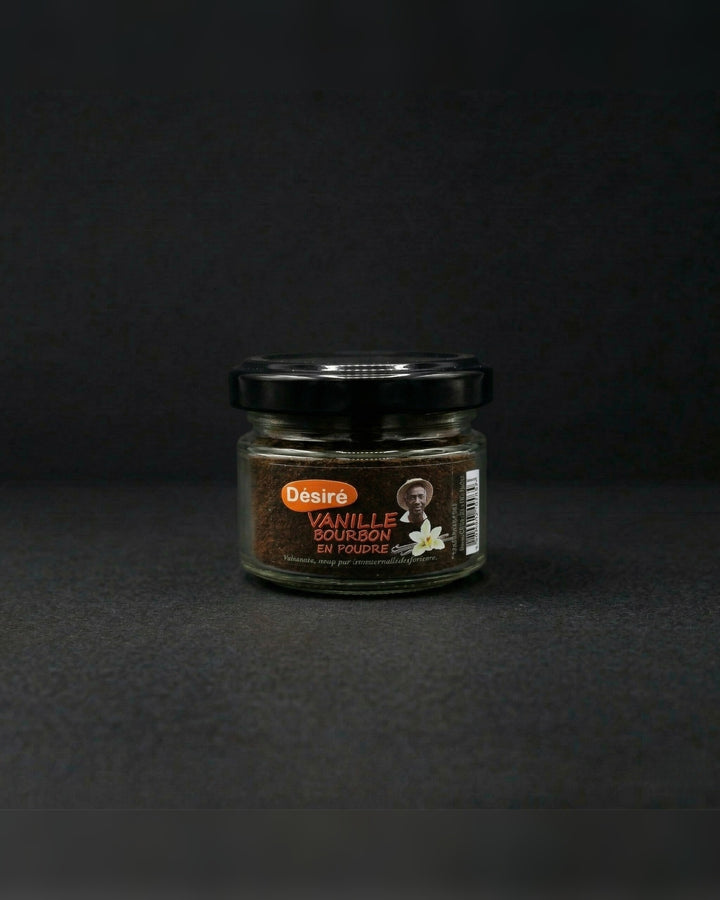
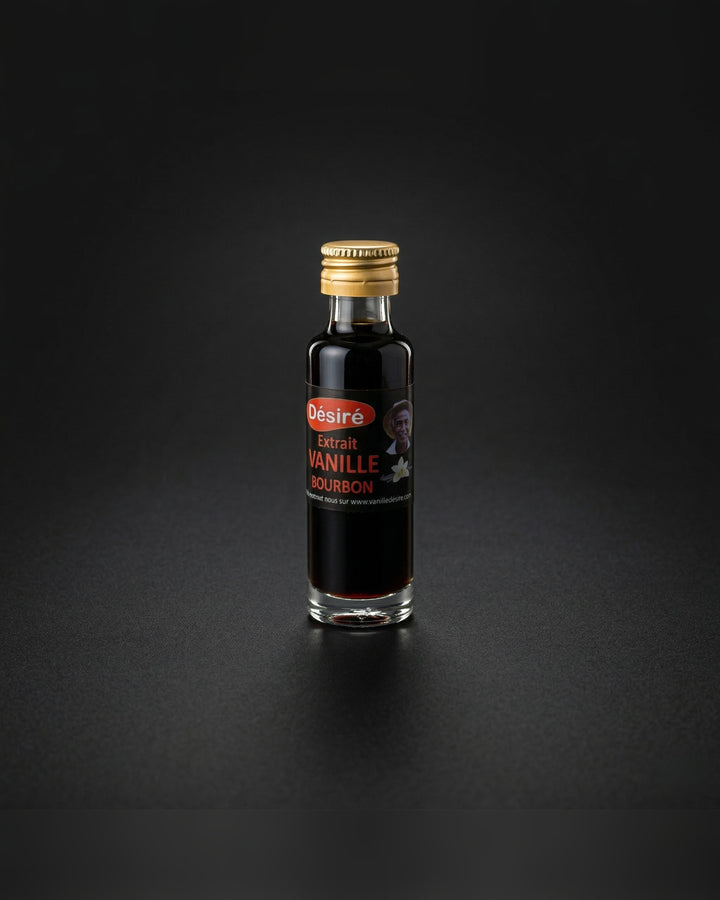
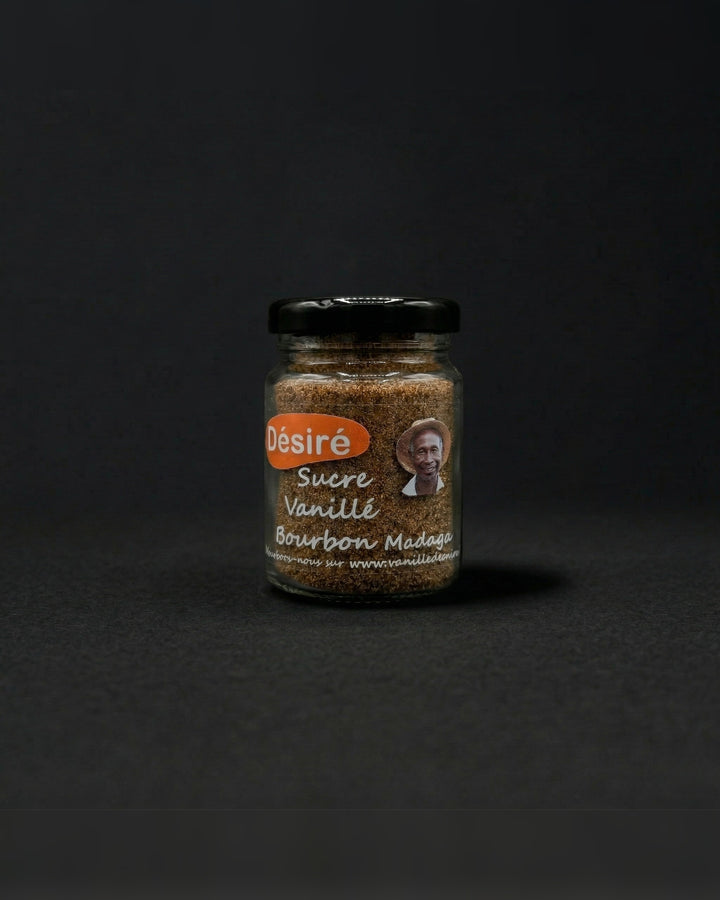
Vanilla and pink berry pair well in the same cream or the same syrup: vanilla brings roundness, the pink berry a fruity touch with a slightly peppery edge at the finish. The pod is infused as usual, and the crushed pink berry is added only at the end, so as not to lose its aroma during cooking.
Where our pink berries come from
Our family grows these pink berries in Vangaindrano, in south-eastern Madagascar. We harvest, dry and sort them ourselves, with no middleman.
Frequently asked questions
Can pink berries be used in a dessert?
Yes: their mild, fruity, slightly resinous taste, with barely a peppery edge at the finish, makes them a dessert spice rather than a heat to avoid.
When should pink berries be added to a preparation?
At the end of preparation or cooking, crushed at the last moment: their thin skin bursts and loses its aroma fairly quickly once crushed, and prolonged cooking does it no good.
How many pink berries should go into a recipe?
Two to three pinches, crushed in a mortar or between the fingers, are enough for a preparation for several people: the pink berry gives a supporting note, not a dominant flavour.
What is the difference between pink berries and pepper?
Pink berries come from a tree of the genus Schinus, with no family link to the pepper plant; their taste is mild, fruity and slightly resinous, with barely a peppery edge at the finish.
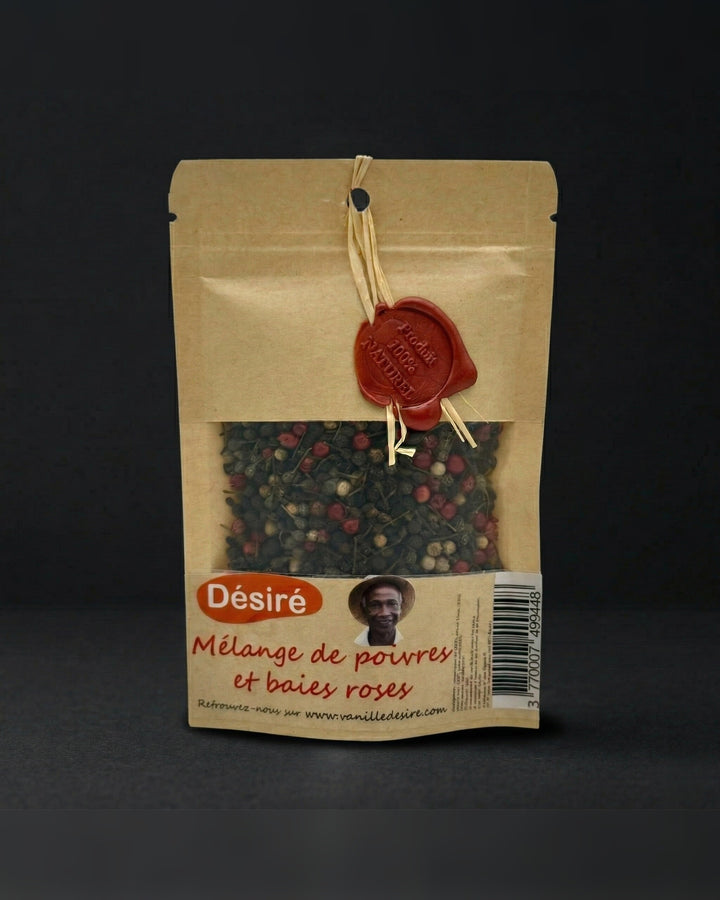
Our product to go further: Madagascar pink berries
The Vanille Désiré team