Quick answer: On squash, cinnamon, cloves and ginger make up a sweet-spiced dessert or tart version, while curry and white pepper lift a savoury version, in a soup or a velouté. These two registers are not mixed in the same preparation.
Pumpkin, butternut, squash or marrow all take spices from two quite distinct registers, from the sweet blend of a tart to the curry of a savoury velouté. This page presents these two paths, without overlapping with recipes already published.
Cinnamon, cloves and ginger, for a squash dessert
A blend of cinnamon, ginger, cloves and sometimes nutmeg and allspice makes up, in Anglo-Saxon baking, a seasoning created to flavour the filling of a pumpkin pie. This sweet-spiced pairing also suits a cake, a compote or a squash bread, where the cinnamon dominates and the cloves are used only in a small amount.
Curry, for a velouté or a savoury roast squash
Curry, a spice blend made of turmeric, ginger and pepper depending on the recipe, also goes with squash in an entirely savoury register: it is fried in the oil with the onion before adding the diced squash and the cooking liquid, for a velouté or a simmered dish. Our Madagascar curry suits this preparation as well as a squash roasted in the oven.
White pepper, to finish a velouté
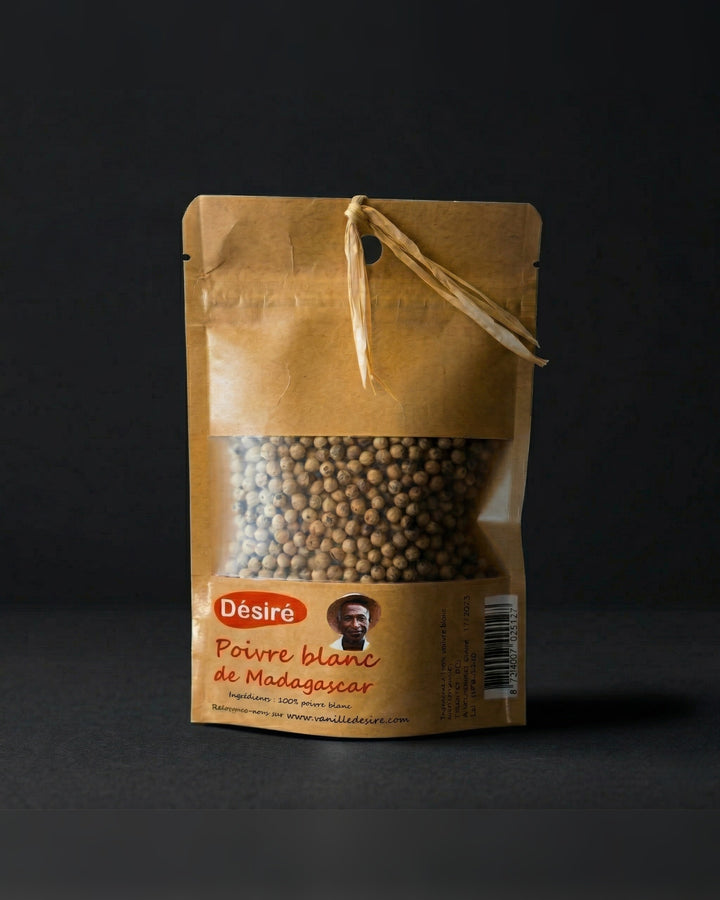
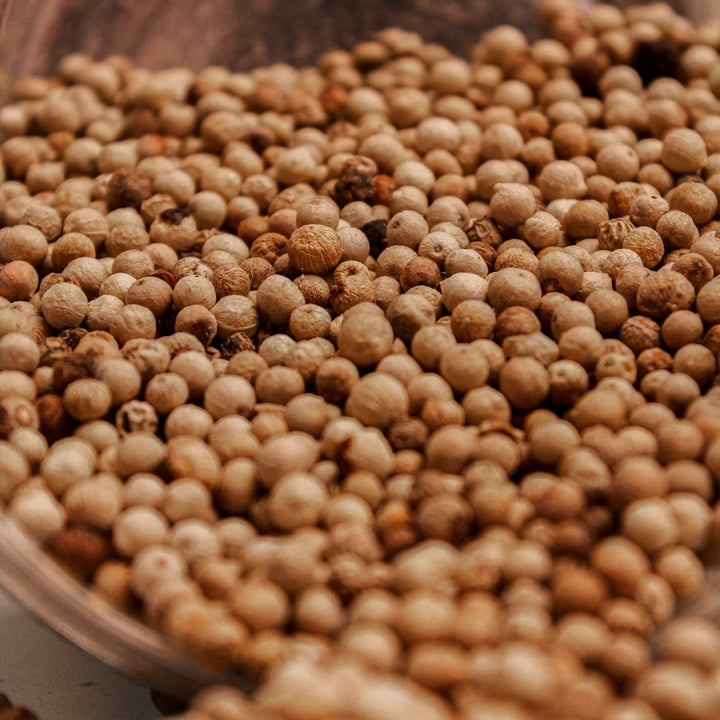
In a light-coloured squash velouté, white pepper is added at the end of cooking without leaving visible black flecks on the surface. It brings a gradual warmth, more discreet than that of black pepper, which blends into the smooth texture of a purée or a velouté.
Ginger on its own, for a spicy note
Beyond the sweet blend, ginger on its own also fits into a savoury version: in powder form, it lifts a squash roasted in the oven or a velouté, with a spicy note that suits the vegetable's natural sweetness. Our recipe for butternut velouté with ginger details one savoury example, which this page does not repeat.
Sweet or savoury: do not mix the registers
The cinnamon, cloves and ginger blend stays tied to sweet dishes, in a squash tart or cake. Curry and white pepper, on the other hand, belong to the savoury register, in a soup, a velouté or a simmered dish. The two registers are not combined in the same preparation.
Before or after cooking
In the sweet version, the cinnamon, cloves and ginger are mixed into the batter or the squash purée before baking, so their fragrance spreads during cooking. In the savoury version, the curry is fried at the start of preparation, while the white pepper is kept for the end, once the velouté has been blended. For other roast vegetables, a related page details other spice pairings.
Where our spices come from
Our family grows ginger, cloves and white pepper in Vangaindrano, in the southeast of Madagascar. Our Ceylon cinnamon comes from the same region; our curry is a blend made from spices that also come from there.
Frequently asked questions
Which spices for a pumpkin pie?
A blend of cinnamon, ginger and cloves, where the cinnamon dominates and the cloves are used only in a small amount, flavours the filling.
Can curry be added to a squash velouté?
Yes, it is fried in the oil with the onion before adding the squash and the cooking liquid, for an entirely savoury velouté.
Why use white pepper in a squash velouté?
Because it does not leave visible black flecks in a light-coloured preparation, unlike black pepper.
Can cinnamon and curry be paired on the same squash?
The two belong to different registers, sweet for cinnamon and savoury for curry, and are not combined in the same preparation.
Our products to go further: Madagascar Cinnamon · Madagascar Cloves · Ginger Powder · Madagascar Curry · Madagascar White Pepper
The Vanille Désiré team