Quick answer: To replace a missing spice, first look for a spice from the same flavour family, then adjust the amount: a stronger spice is used in a smaller dose, and a powder does not always substitute for a whole spice at the same quantity. The last step remains tasting as you cook.
A recipe calls for a spice missing from the cupboard. Rather than stopping the preparation, there is a simple method for choosing another one: look at the flavour family, revisit the quantity, and take into account the form, whole or ground. This page gives the method and a few known equivalences, without replacing the cook's own judgement at the moment of tasting.
Look within the same flavour family
The most reliable rule is to stay within a close flavour family. Spices or herbs with a similar profile swap more easily than ingredients with nothing in common. For an herb such as rosemary, you look for plants with a comparable flavour: thyme, oregano, basil, savory, tarragon or marjoram are good substitutes. The same principle applies to ground spices: missing turmeric powder can be replaced with curry, which already contains turmeric in its composition.
Adjust the quantity, not just the ingredient
Changing spice often changes the intensity of a dish. Some are much stronger than others: to replace sage with rosemary, you use roughly three times less, rosemary having a more pronounced flavour. The rule to remember: when replacing a spice with another one known to be stronger, reduce the starting dose, then adjust by tasting, rather than pouring the same amount out of habit.
Whole or ground: the rule changes
A fresh or whole spice does not have the same profile as a powder of the same name. Fresh coriander, for example, has little in common with ground coriander: if a recipe calls for ground coriander, a possible substitute lies more on the side of caraway, ground cumin, garam masala or curry, not fresh herbs. Conversely, if caraway is missing, a mix of cumin and fennel can come close. Before replacing a whole spice with a powder or the other way round, it is worth checking that the recipe really means the same form: a spoonful of grains is not equivalent to a spoonful of powder.
Spices that are not in our range
Some recipes call for spices Vanille Désiré does not sell: cumin, coriander, cardamom or ras-el-hanout, for example. These are common ingredients in many cuisines, but they are not part of our range. For these cases, the method stays the same: look for a close flavour family among the spices available at home, starting with a small amount.
A few equivalences for our own spices
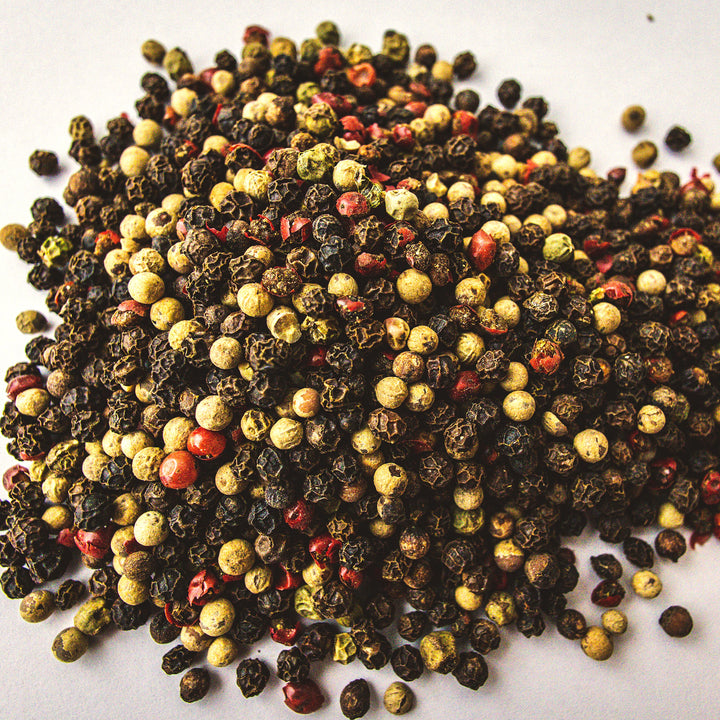
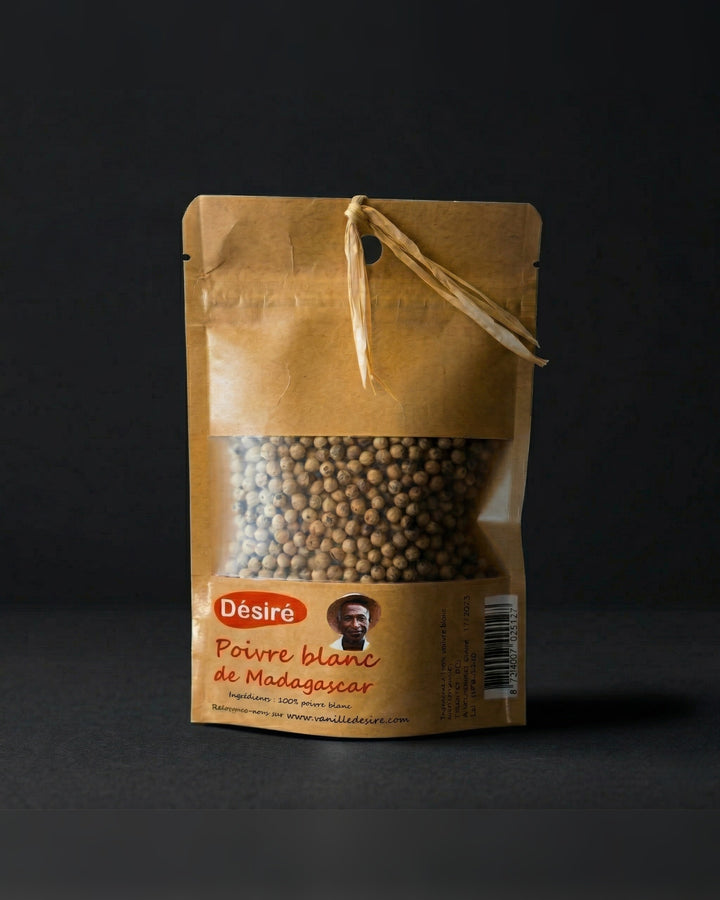
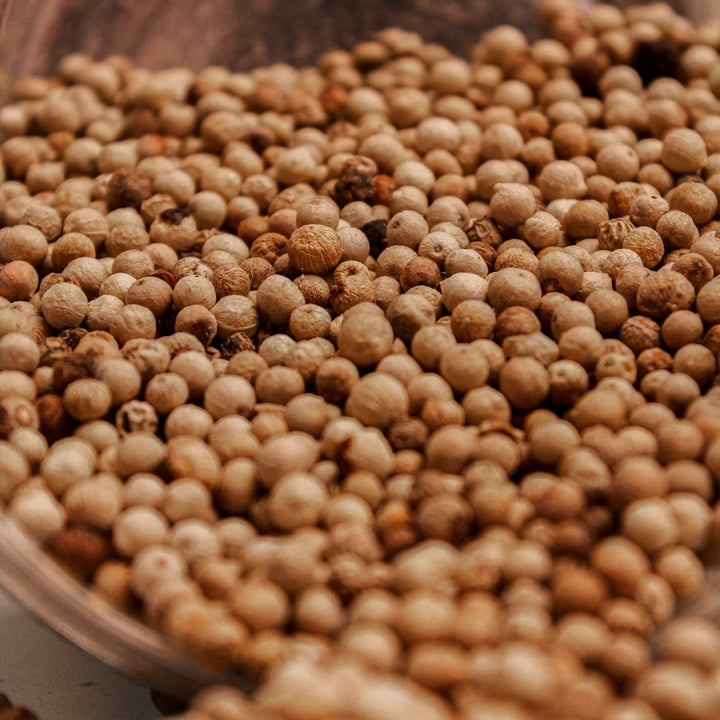
- White pepper can replace black pepper in a sauce or during cooking, with a slightly milder heat and without the dark specks visible in a pale dish.
- Curry already contains turmeric: it can help out if turmeric is missing, keeping in mind that the taste of the dish changes, curry being a blend and not a single spice.
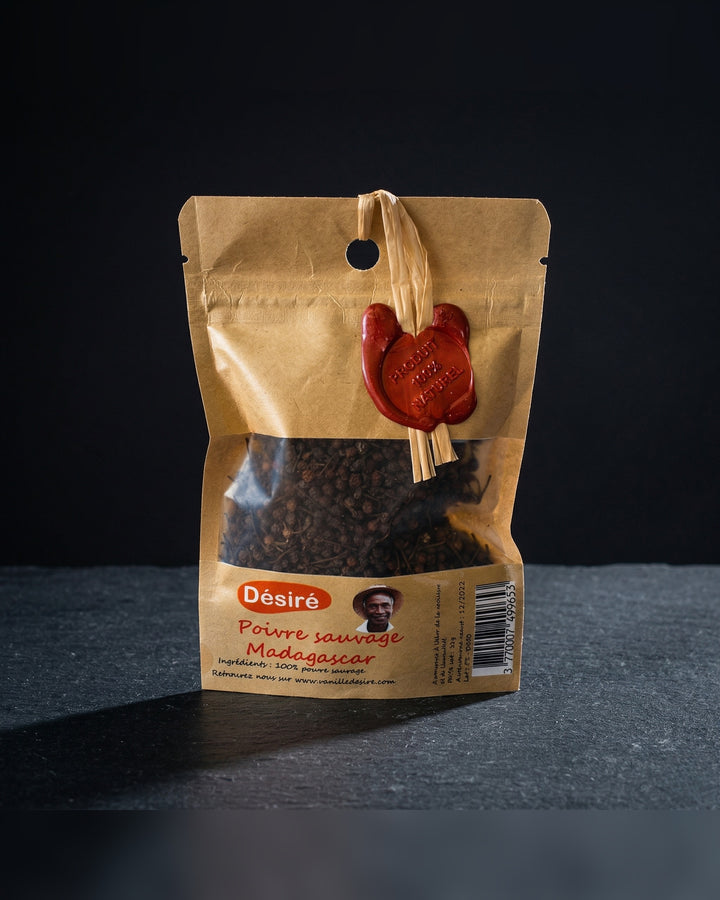
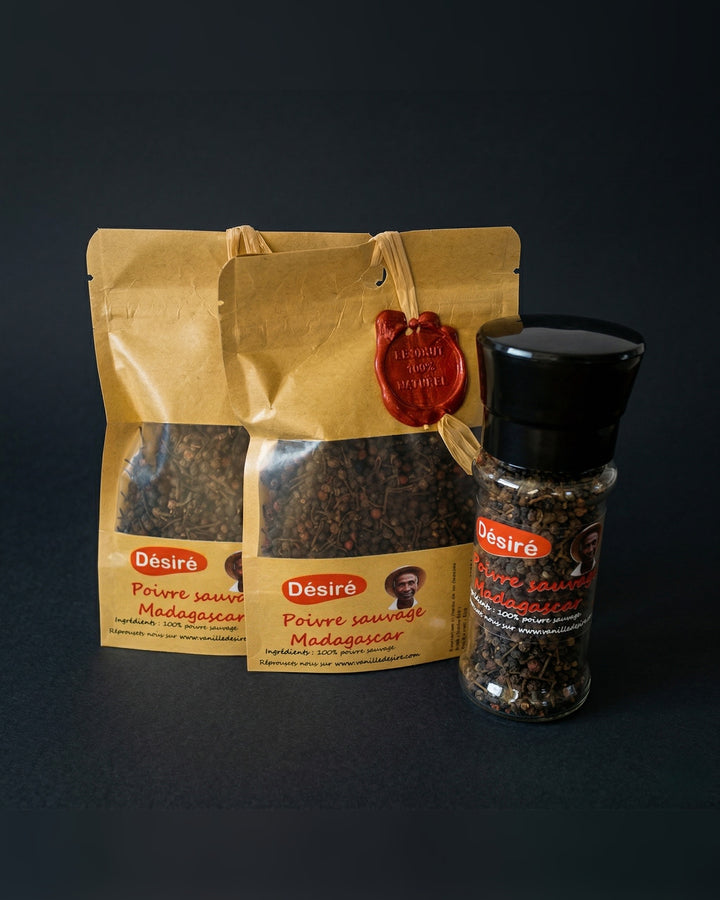
- Wild pepper (voatsiperifery) can take the place of black pepper on a finished dish: it is less sharp, with woody and citrus notes, and is ground at the last moment.
Taste before concluding
No equivalence replaces the final taste of the dish. After choosing a substitute and adjusting the dose, the reflex remains to taste as you cook and to correct if needed, rather than following a rule to the letter all the way through. This is especially true for a strong spice such as chilli, where a small amount is often enough to find the balance you want.
Building your own range to run out less often
Having a few basic spices at home limits shortages: a pepper, a turmeric, a curry and a cinnamon already cover a large part of savoury and sweet recipes. Our family grows these spices in Vangaindrano, in south-east Madagascar, and prepares them itself before sending. See our pages on Madagascar turmeric, Madagascar curry and Madagascar black pepper.
- See the curry from Madagascar
- See the turmeric from Madagascar
- See the black pepper from Madagascar
- See the cloves from Madagascar
Frequently asked questions
What can replace turmeric if you do not have any?
Curry can replace missing turmeric: it already contains some, even if the taste of the dish changes slightly, curry being a spice blend.
Should you use the same amount when changing spice?
Not necessarily: a spice with a stronger flavour is used in a smaller amount than the one it replaces, then you adjust by tasting.
Can a whole spice be replaced by the same spice ground?
Yes, but the powder is more concentrated and spreads faster through a dish: use less to start with, then add more if needed.
What to do if the recipe calls for a spice that cannot be found in regular shops?
Look for a spice from the same flavour family among those available at home, starting with a small amount before adjusting.
The Vanille Désiré team