Quick answer: Fresh turmeric has a sharper, earthier, slightly peppery taste; once dried and ground into powder, it becomes milder, with woody notes. Fresh turmeric is grated or blended into marinades, juices or broths, while the powder is sprinkled on directly and keeps for much longer. Both are used in small amounts, adjusted to taste.
Turmeric exists in two quite different forms in cooking: the fresh root, to be peeled and grated, and the powder, ready to use. Both come from the same plant, but their taste, texture and use do not really resemble one another. This page compares the two forms to help you choose, without setting one against the other: each has its place depending on the recipe.
Two textures, two tastes
Fresh turmeric rhizome has an intense taste, with a sharp, earthy aroma and a peppery edge, almost spicy-hot. Once dried and ground into powder, turmeric changes register: it develops milder, woodier notes, with a golden colour and a slightly spiced flavour, less pronounced than the fresh root. Neither is better in itself: fresh turmeric brings bite to a raw or lightly cooked preparation, the powder gives colour and a more discreet aroma to a slow-cooked dish.
How they are used in cooking
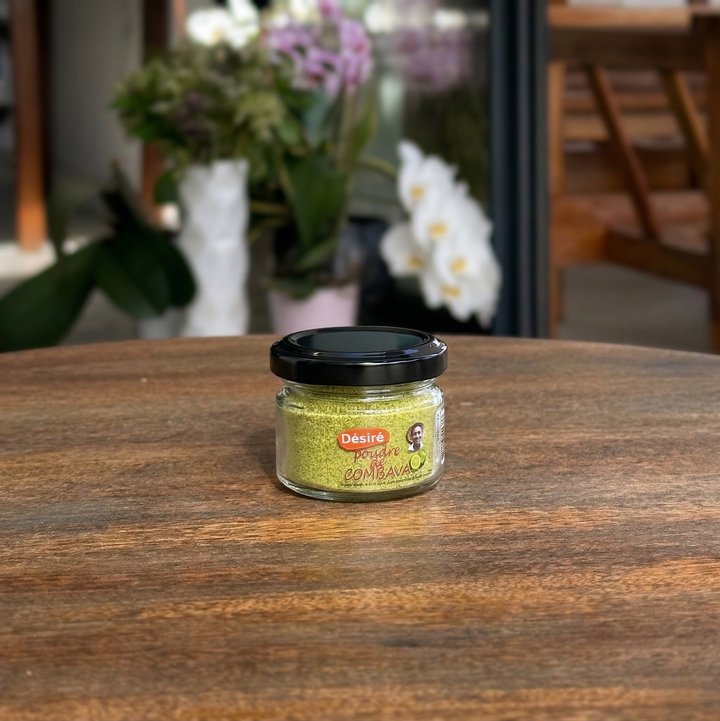
Fresh turmeric is grated into a marinade or a vinaigrette, blended into a juice or a hot infused drink, or added to a broth to bring out its aromas. It can also replace lemon juice in a fruit salad, for an unexpected spicy note. Turmeric powder, meanwhile, needs no preparation: it is sprinkled over vegetables before roasting, mixed into a creamy sauce, or added to a curry or a slow-cooked dish right from the start of cooking. Our page on turmeric in cooking details how to dose it and pair it, and our page on frying spices in oil explains how to get the best from it in hot fat, with our Madagascar turmeric powder or our Madagascar curry powder, which already contains it.
Choosing and preparing fresh turmeric
At the market or at a grocer's, a fresh turmeric root should be chosen with unbroken skin and flesh that is both firm and juicy, orange-yellow in colour. Before using it, a good scrub under water is enough to remove the soil; the root can then be peeled, grated, diced or blended according to the recipe, and does not need peeling if it goes straight into a juicer. As with ginger, wearing gloves during preparation avoids staining your hands, as turmeric easily colours skin and utensils. Our page on fresh or powdered ginger covers a very similar comparison for another root.
Storage: a notable gap between the two forms
The fresh root keeps for a few weeks at room temperature, one to two weeks in the fridge in a sealed container, and up to several months in the freezer, whole or already grated, with no need to thaw before use. Turmeric powder, by contrast, keeps for several months, even several years, as long as it stays dry and away from light. Our pages on storing your spices and on spices and freezing go into these two techniques in more detail.
A small amount is enough
About one centimetre of fresh turmeric is enough to flavour a dish for six people: it is better to use a little and add more if needed, rather than pouring in the whole root at once. With the powder, the same caution applies: a small pinch already flavours a dish, and it is easier to add more than to take it out once poured in. Our page on how much a spoonful of spice weighs gives useful figures for dosing the powder by the spoon.
Our turmeric is grown and prepared into powder in Vangaindrano, in south-eastern Madagascar.
Our products
- See Madagascar turmeric (pouch)
- See Madagascar turmeric (spice jar)
- See Madagascar curry powder
- See the curry, turmeric and ginger trio
Frequently asked questions
Can fresh turmeric be replaced with turmeric powder?
Yes, starting with a small amount: the powder has a milder taste and a more concentrated dry aroma than fresh turmeric, so it should be tasted before adding more.
Why does fresh turmeric taste different from the powder?
The fresh rhizome has a sharp, earthy aroma, with a peppery edge; once dried and ground, it develops milder, woodier notes, less pronounced.
How should fresh turmeric be stored?
In the fridge, in a sealed container, for one to two weeks; or frozen, whole or already grated, for several months. The powder, meanwhile, keeps for much longer, dry and away from light.
Does fresh turmeric need to be peeled before use?
Not always: a good scrub under water is enough if the root then goes into a blender or juicer; for grating, light peeling is more practical. Wearing gloves avoids staining your hands.
The Vanille Désiré team