Quick answer: With pork, whole cloves flavour a ham or a long-simmered pot-au-feu, black pepper is rubbed onto a cut before searing it, and ginger with curry make up an Asian-inspired marinade. Pili-pili chilli, as a condiment, goes alongside grilled pork.
Pork takes well to spices from quite different registers, from cloves studded into a ham to a ginger marinade for grilled ribs. This page sets out these pairings, without repeating the techniques already covered for pepper or ginger on their own.
Cloves, studded into a ham
Whole cloves traditionally flavour a ham: the surface is scored in a diamond pattern with a knife and a clove is pushed into each diamond, or simply pressed into the rind. The cloves then release their aroma slowly throughout the cooking, rather than all at once. The same spice goes into pot-au-feu and marinades, alongside cinnamon in biscuits such as speculoos.
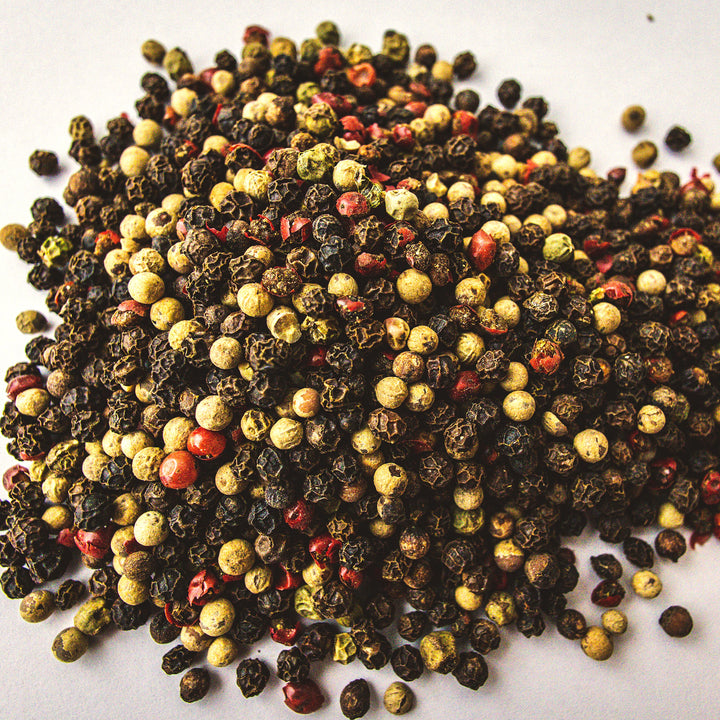
Black pepper, rubbed on or as a crust
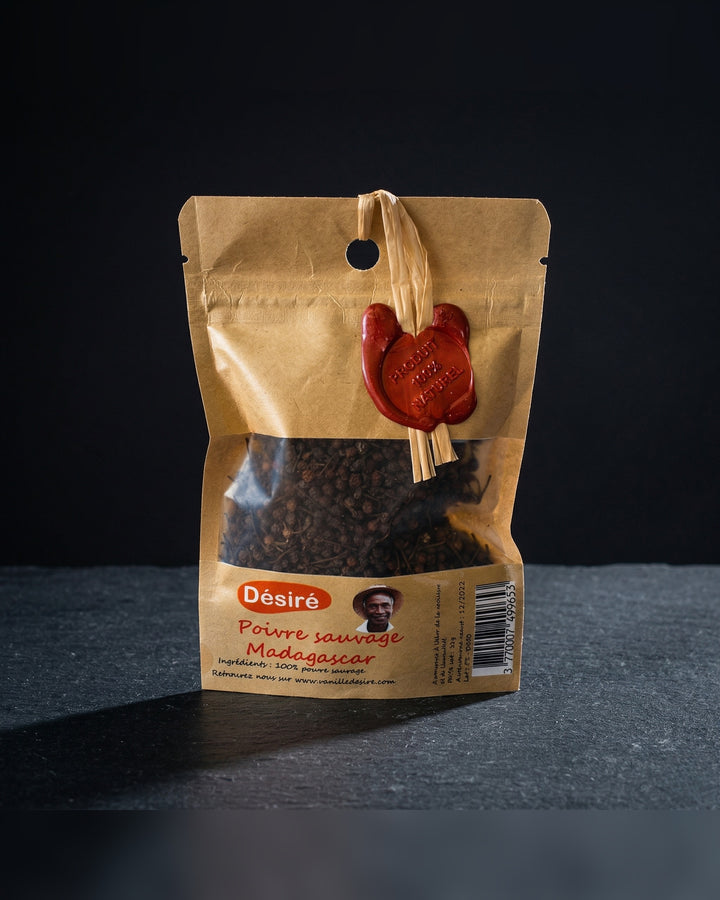
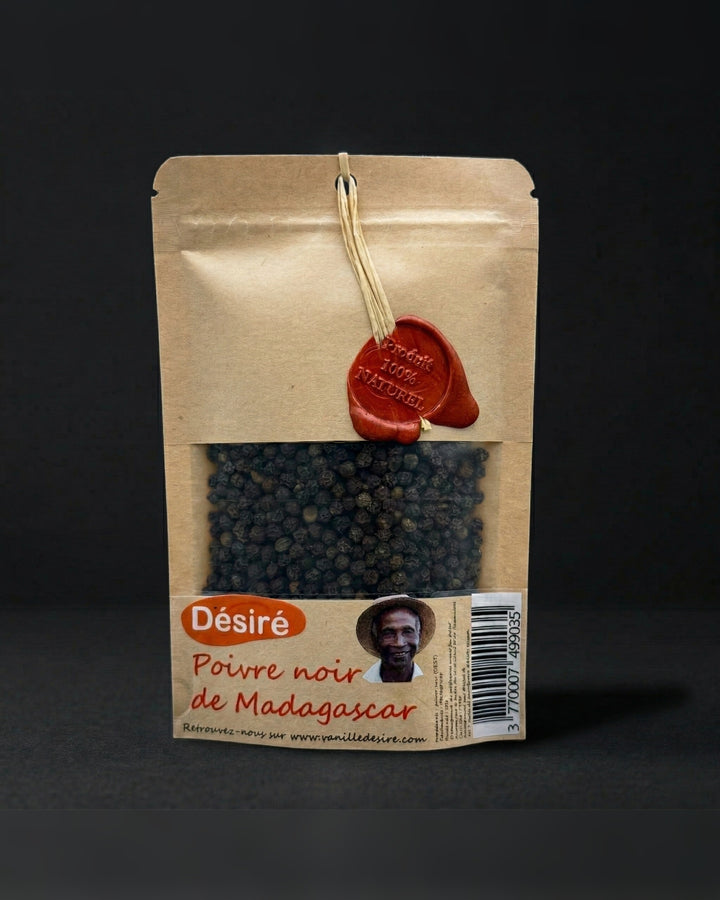
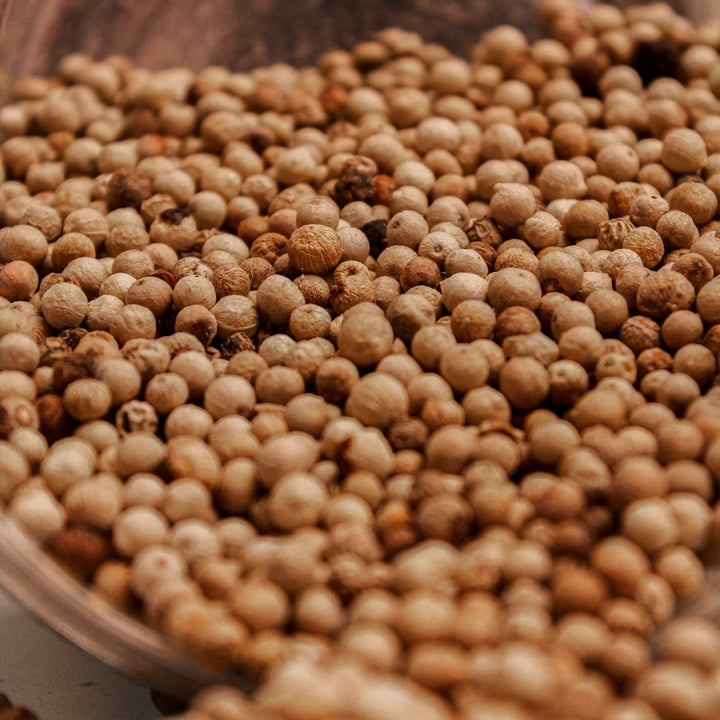
Cracked black pepper, rubbed dry onto a pork chop or fillet before searing, forms a fragrant crust as it cooks. Our recipe for caramel pork with black pepper pairs this same pepper with a sweet-and-savoury sauce, which this page does not go into.
Ginger and curry, for an Asian-inspired marinade
Ginger is a common ingredient in Chinese, Korean, Japanese and Vietnamese cooking, where it goes with meat dishes as well as fish dishes; chopped, it pairs with meat before cooking. For pork ribs or shoulder, it goes into a marinade with garlic and a little oil. Curry, a spice blend made up of turmeric, ginger and pepper depending on the recipe, also goes with pork in simmered dishes, where it is fried with the onion before the meat is added.
Pili-pili chilli, as a condiment rather than in the cooking
Grilled or roast pork is often served with a chilli condiment rather than a spice added during cooking: our recipe for tomato rougail with pili-pili is one example, served alongside the meat rather than mixed into it.
Before or after cooking
Cloves and curry show their full character when added at the start of cooking, in the water of a pot-au-feu or the oil of a simmered dish, so that their aroma infuses the whole cut. Pepper, on the other hand, is rubbed on before cooking to form a crust, but is also ground at the end, at the table, so as to lose none of its finer notes.
Fatty cut or lean cut: matching the spice
A fatty cut, such as belly or shoulder, takes well to a bold ginger and curry marinade, which carries through the fat without disappearing. A fillet or chop, being leaner, benefits more from pepper rubbed on dry just before cooking, so as not to mask the taste of the meat.
Where our spices come from
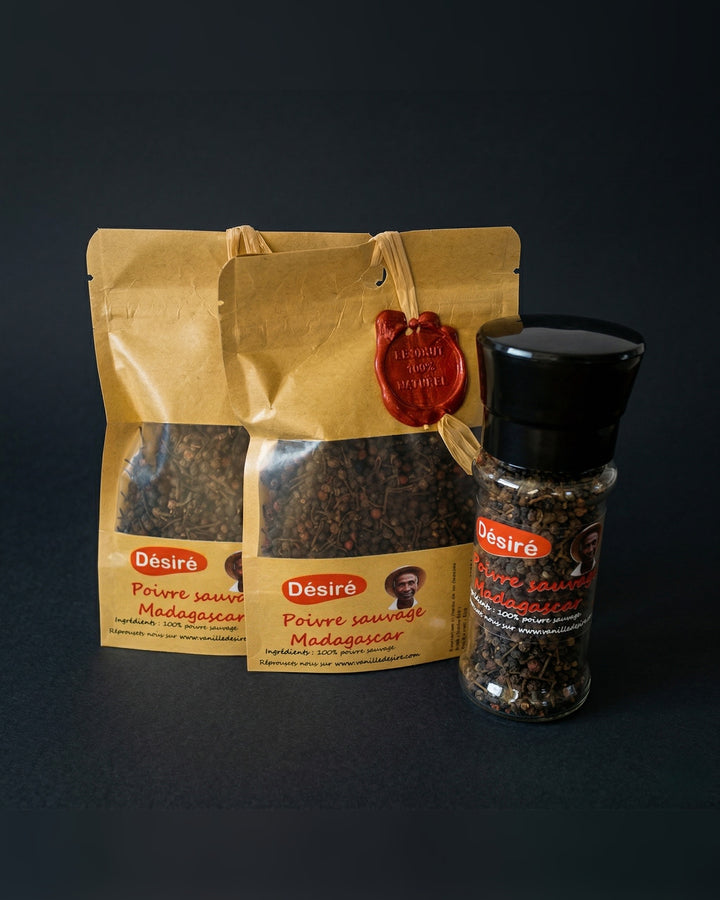
Our family grows black pepper, ginger and cloves in Vangaindrano, in south-eastern Madagascar. Our curry is a blend made from spices from the same region.
Frequently asked questions
How do you stud a ham with cloves?
The surface of the ham is scored in a diamond pattern with a knife and a whole clove is pushed into each diamond, so the aroma is released slowly during cooking.
When should you rub pepper onto a cut of pork?
Cracked black pepper is rubbed on dry before searing the meat, to form a crust; it is also ground at the end of cooking or at the table.
Does curry suit a simmered pork dish?
Yes, curry is fried in oil with the onion before the meat and cooking liquid are added, just as for poultry or fish.
Is pili-pili added during the cooking of pork?
It often accompanies grilled pork as a condiment, such as a tomato rougail, rather than being mixed into the meat during cooking.
To go further, our products: Madagascar cloves · Madagascar black pepper · Ginger powder · Madagascar curry
The Vanille Désiré team