Quick answer: Nordic cooking pairs cardamom with cinnamon, ginger and cloves in gingerbread, the Sunday bun and winter mulled wine. Cardamom is not part of our range, but our Madagascar cinnamon, ginger and cloves have a place in these recipes.
In Sweden, Norway, Denmark and Finland alike, spices hold a place of their own: they mark winter and festive occasions more than everyday cooking. Gingerbread, cardamom buns and mulled wine are the three best-known uses. We already deliver to these countries, and this page sets out the spices behind these recipes, with respect for uses we do not claim to reinvent, and the place held in them by our own Madagascar spices.
Northern gingerbread: pepparkakor and pepperkaker
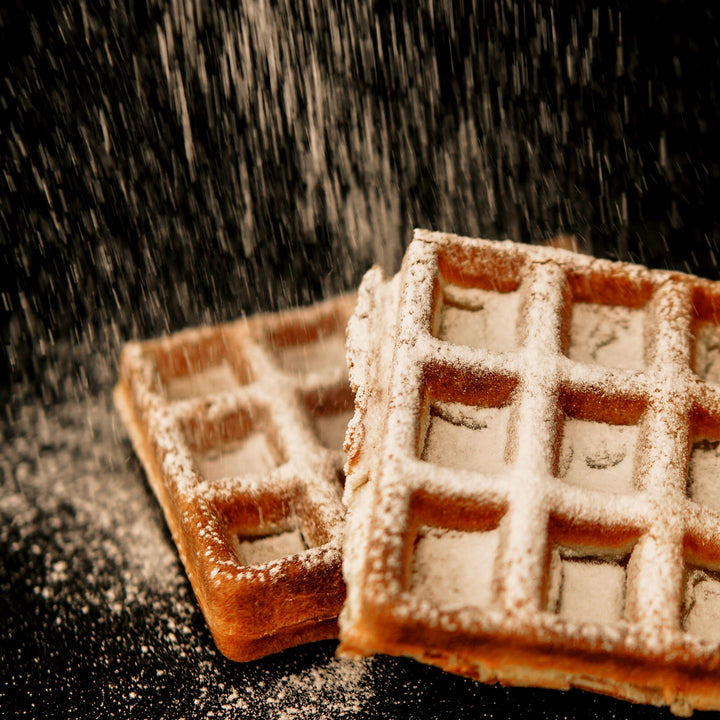
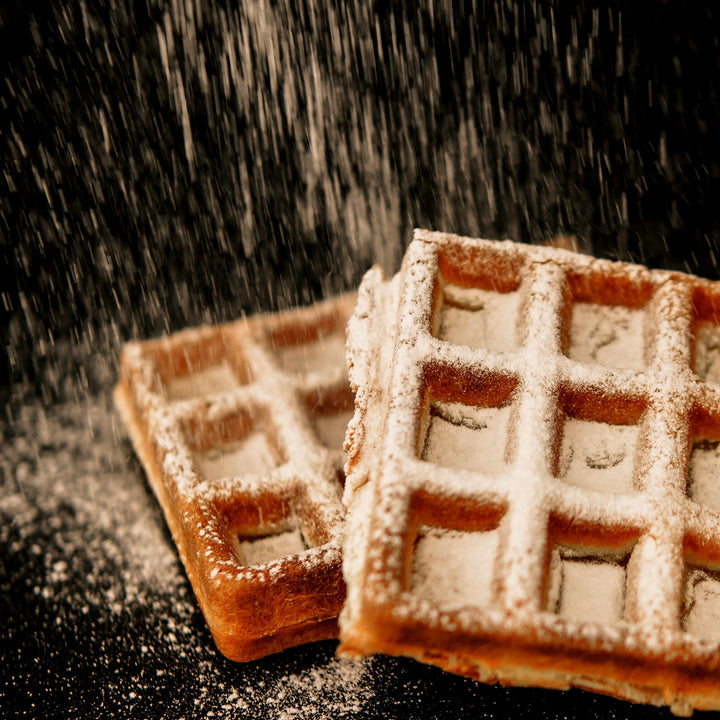
Swedish pepparkakor and Norwegian pepperkaker are thin, crunchy biscuits, raised with bicarbonate and flavoured with a spiced sugar syrup. Their name comes from the word "peppar", pepper: that was the original spice in this biscuit, before cinnamon, ginger and cloves took over. A Swedish recipe from 1755, attributed to Cajsa Warg, already flavoured these small biscuits with cardamom, mace, cinnamon, cloves, bitter orange zest, lemon zest and grains of paradise.
Today's recipes vary from one family to another, but the base stays stable: cinnamon, ginger and cloves, most often with cardamom too. Three of these spices are familiar to us.
The final flavour comes down to the balance between these spices more than to any one of them in particular: cinnamon brings a sweet, warm base, ginger a sharper edge, cloves a deeper, almost peppery note. Cardamom, when present, adds a citrusy, resinous scent that neither cinnamon nor ginger reproduces.
The cardamom bun, alongside the cinnamon bun
Swedish Sundays have their bun: kanelbullar, cinnamon rolls, and kardemummabullar, the same risen dough, but shaped into a knot and flavoured with cardamom rather than cinnamon. Cardamom, native to India, is thought to have reached Scandinavia along Viking trade routes, via Russia and Constantinople. It settled into Swedish baking over time, to the point that Sweden was, in the nineteenth century, among the largest consumers of cardamom per head. Cardamom buns, wreaths and cakes, however, only became widespread later, in the twentieth century.
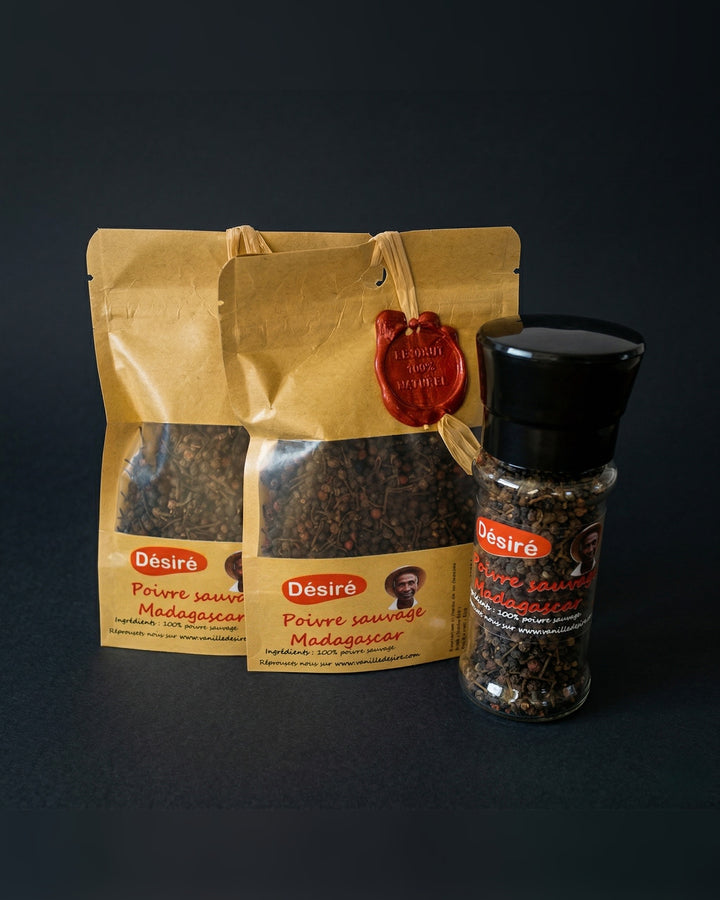
Cardamom is not part of our range: it is a spice we do not offer, but one that remains central to this Nordic baking. Our Madagascar cinnamon, with its soft, slightly floral scent typical of Ceylon cinnamon, lends itself directly to a home-made version of kanelbullar.
Northern mulled wine: glögg
Scandinavian glögg is a spiced mulled wine, served in winter and often around Christmas. Its name is said to come from "glödgat vin", literally a wine made to glow on the fire, shortened to "glögg". The most common versions infuse cinnamon sticks, cardamom pods, cloves, fresh ginger and a strip of orange zest in the wine, sometimes with a little port or brandy. The spices go in whole, never ground, so that the wine stays clear.
Glögg is traditionally served with raisins and flaked almonds, dropped straight into the glass. Some recipes replace part of the wine with brandy flavoured with caraway or dill, two spices we also do not offer.
For a home-made version with our products, our cloves, sold as whole buds, go straight into the wine. Our cinnamon and ginger, sold as powders, are better placed in an infusion bag or a spice ball, to be removed before serving without leaving a sediment at the bottom of the glass.
Our Madagascar spices in these recipes
We offer our cinnamon, cloves and ginger grown in Vangaindrano, in the southeast of Madagascar. Cardamom, caraway and dill remain spices we do not sell: common ingredients of this cuisine, but not Vanille Désiré products. For a home-made version of a gingerbread or a mulled wine, see our home-made gingerbread and our mulled wine with Madagascar spices, and for the whole range of seasonal spices, spices in Christmas baking. Putting together your own spice blend gives a method for dosing and storing a blend, whatever cuisine it is aimed at.
Our Madagascar spices: cinnamon, cloves and ginger.
Frequently asked questions
Is cardamom a Vanille Désiré product?
No. Cardamom is a common spice in Nordic cooking, in gingerbread as much as in the Sunday bun, but it is not part of our range.
Can cardamom be replaced with cinnamon in a Nordic bun?
It can be done, but the result changes in nature: cinnamon kanelbullar and cardamom kardemummabullar are two distinct buns, not a variant of one another.
How should our cinnamon powder be used in a mulled wine?
In an infusion bag or a spice ball, dropped into the mulled wine then removed before serving, to avoid a powdery sediment at the bottom of the glass.
Do our cloves suit a glögg or a mulled wine?
Yes. Our whole cloves can be used directly in mulled wine, as in traditional glögg recipes.
The Vanille Désiré team