Quick answer: French cooking uses few complex spice blends: pepper, whole or ground, vanilla and cinnamon in baking, and quatre-épices, which originated in France, for charcuterie, are the most common uses. Nutmeg, used in béchamel and gratins, remains a common ingredient that we do not sell.
French cooking relies less on large spice blends than on a few specific uses: pepper on meat and in sauces, vanilla and cinnamon in baking, quatre-épices in charcuterie. This page sets out these uses, and the place held in them by Madagascar pepper, cloves, vanilla and cinnamon.
Quatre-épices, a blend born in France
The blend known as quatre-épices traditionally brings together pepper, cloves and nutmeg, always present, with a fourth spice, cinnamon or ginger depending on the recipe and the use. It has been known since the Middle Ages: fourteenth-century recipes already recommended combining these spices in sauces to go with meat. It was later described and formalised in nineteenth-century cookery books as one of the great traditional blends of French cooking. French charcutiers have used it for centuries in preparing terrines, pâtés, rillettes, sausages and other pork-based preparations.
Two of the four spices in this blend are in our range: black pepper and cinnamon, when that is the fourth spice chosen. Cloves go into it whole: see whole or ground cloves for grinding them yourself. Nutmeg remains a spice we do not offer. To put together your own blend at home, see home-made quatre-épices, which gives a method and proportions.
Pepper, from the table to the pan
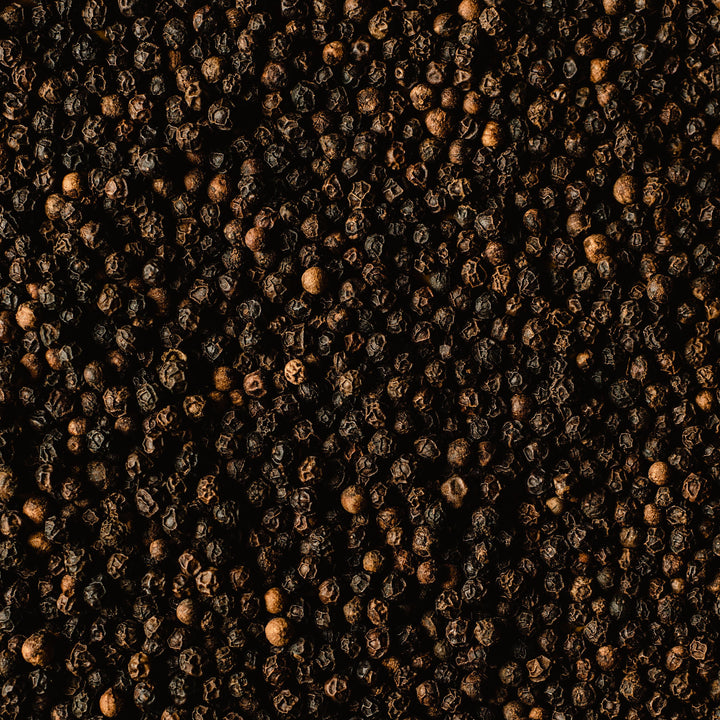
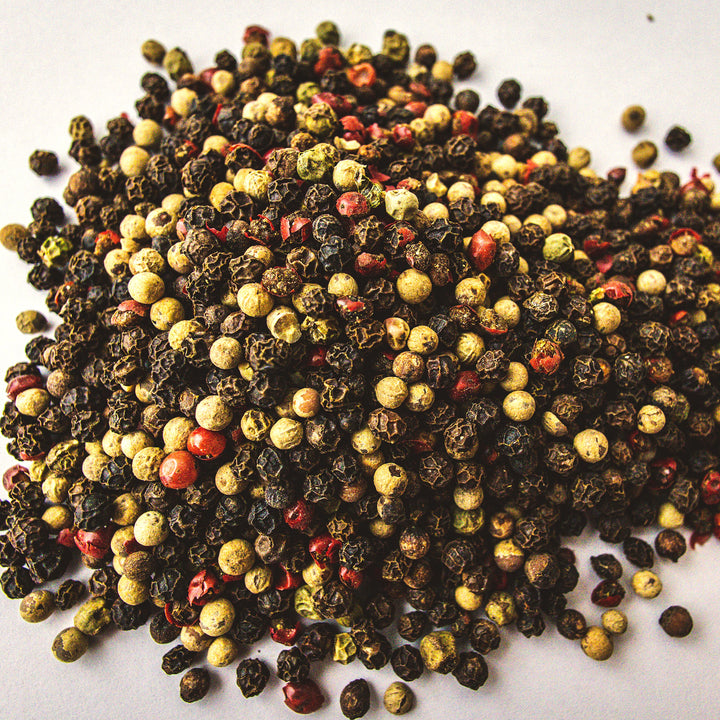
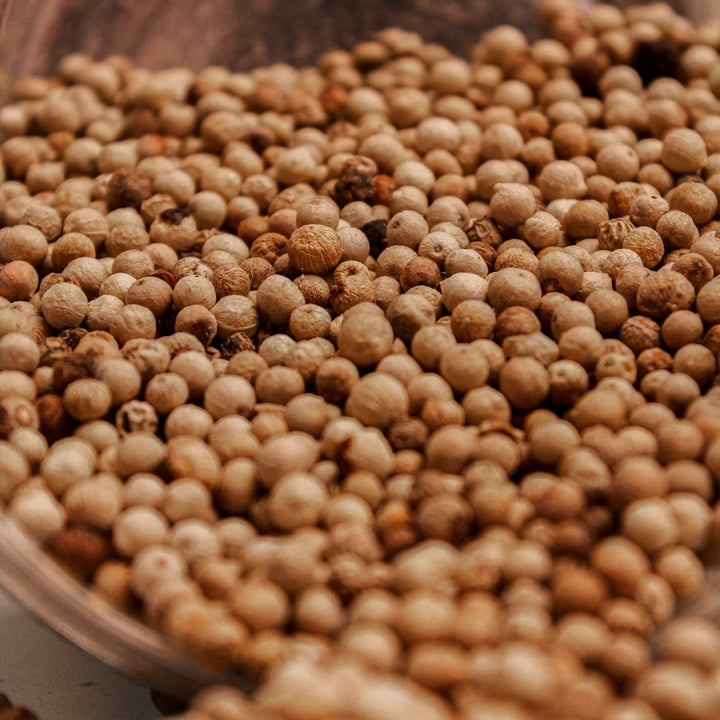
Pepper is probably the most present spice in French cooking, in its four colours: black, white, green and, more rarely, pink berries, which come close to it in use without being a botanical pepper. Black pepper goes with red meat and sauces, often cracked for a steak au poivre. White pepper, less noticeable visually, suits pale sauces, purées and gratins, where a black fleck would stand out against the colour of the dish.
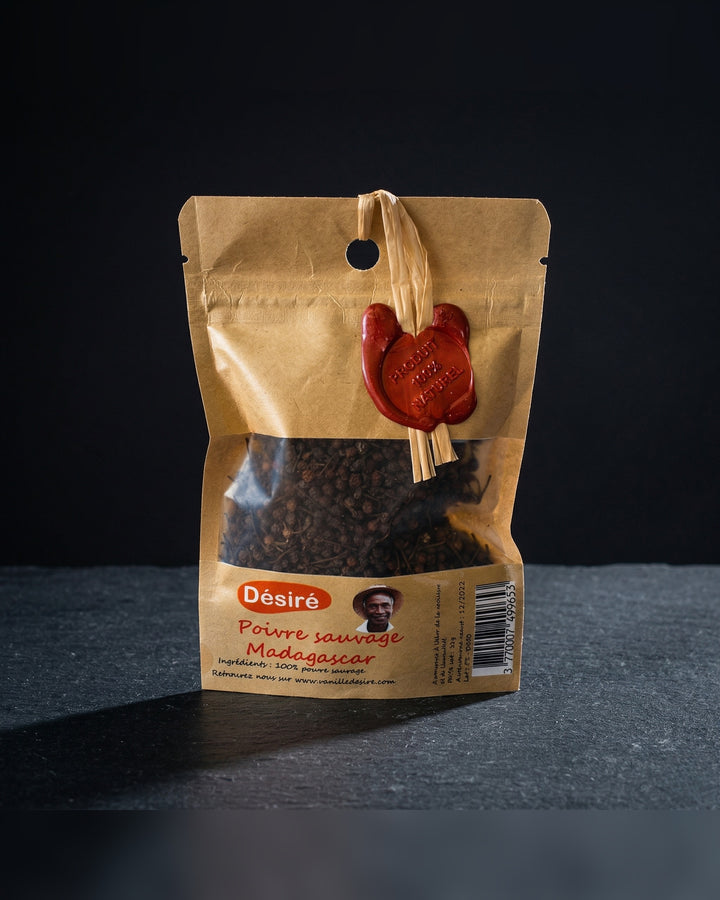
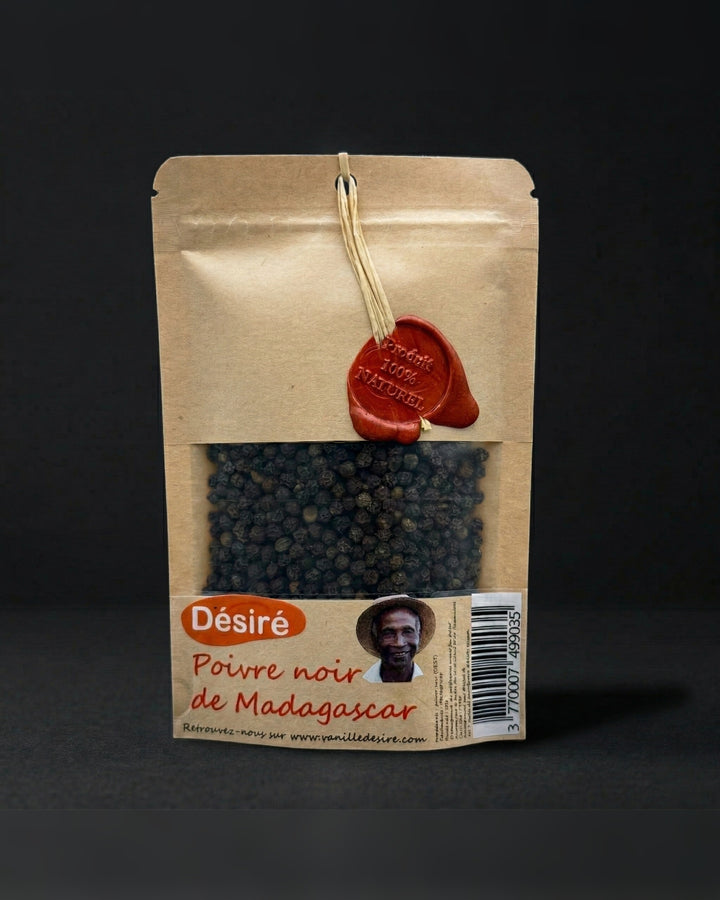
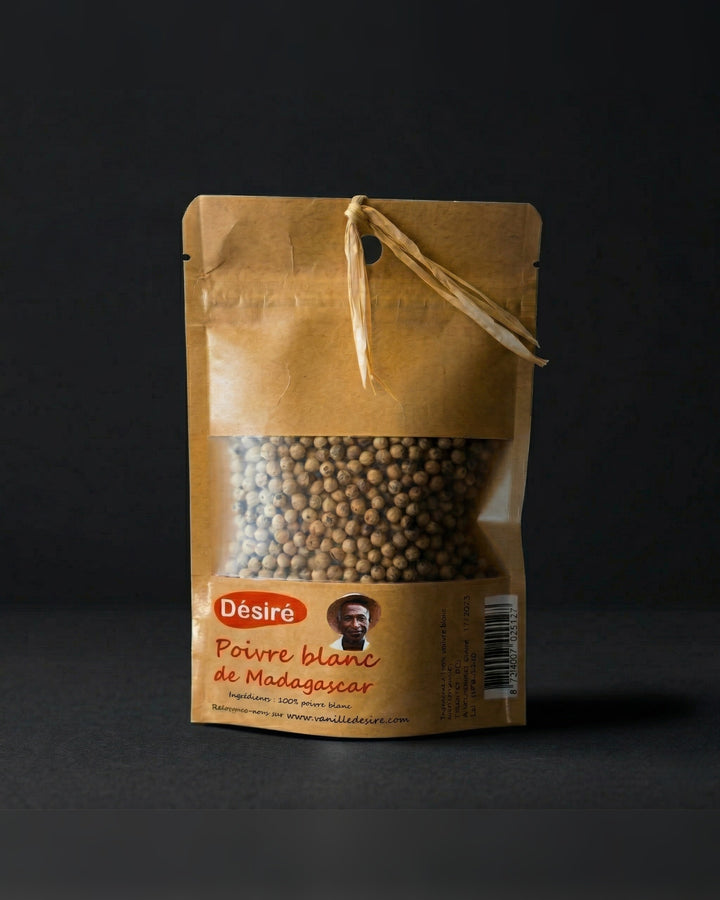
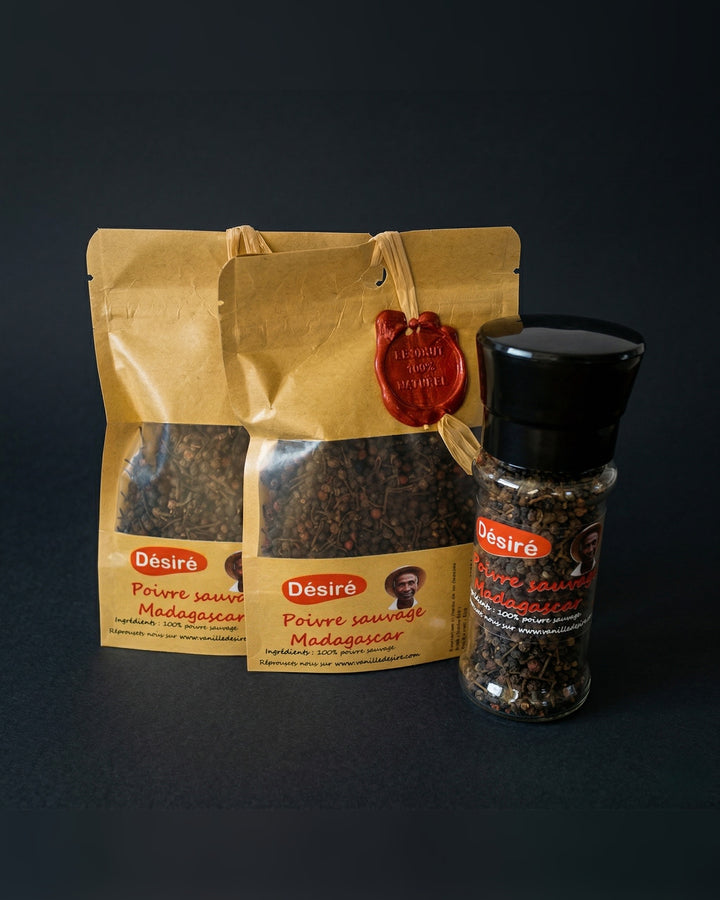
Our black, white, green and wild peppers, the last one picked in the forest rather than cultivated, all come from Vangaindrano, in the southeast of Madagascar. For a dish where green pepper is central, see our recipe for steak with green pepper sauce, and for white pepper, our roast cod with white pepper or our gratin dauphinois with white pepper. For a more advanced preparation method, see pepper sauces, the basics and spices and red meat.
Vanilla and cinnamon in French baking
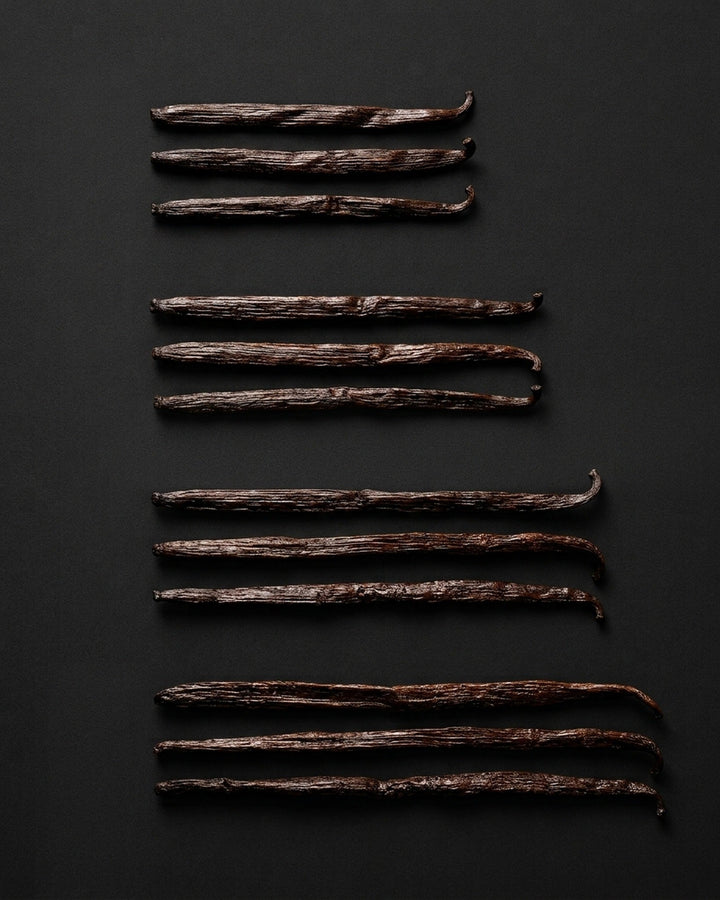
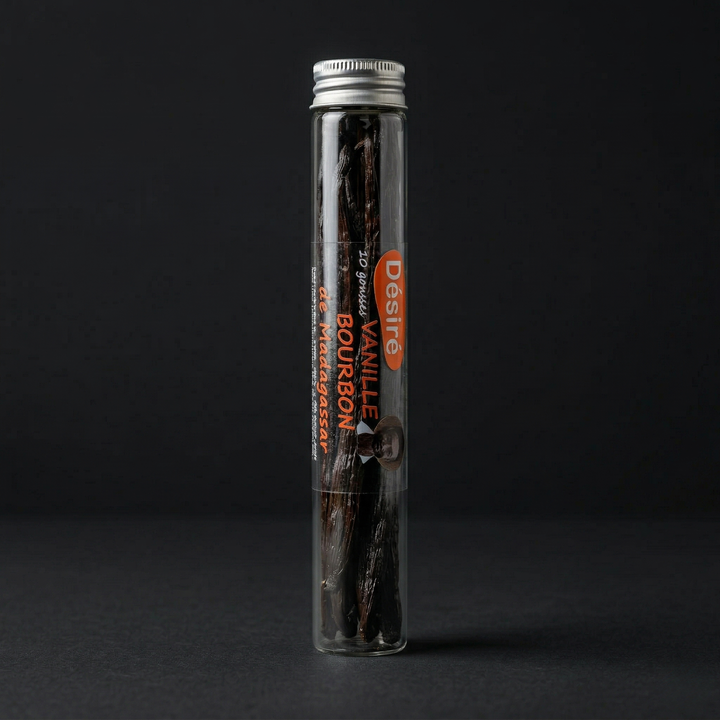
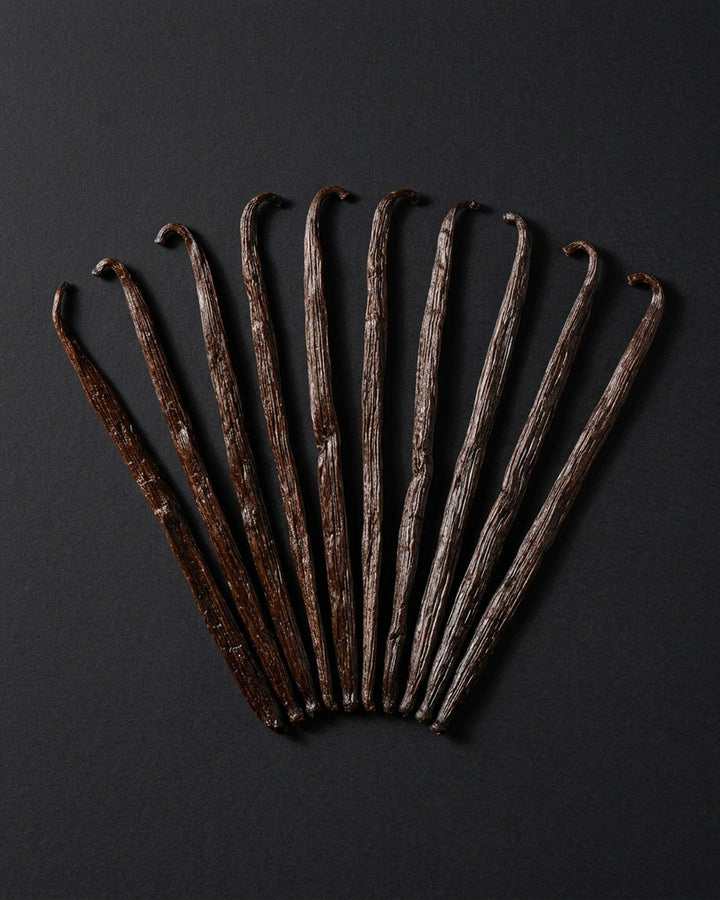
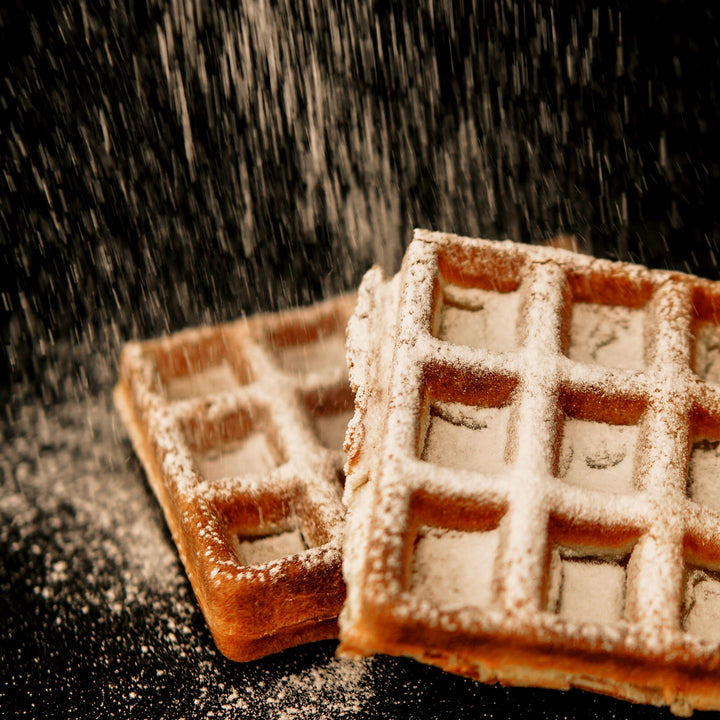
In French baking, vanilla holds a central place, from custards to cakes, while cinnamon appears more in fruit tarts and some autumn and winter cakes. Both are used as pods, in powder or in extract depending on the preparation, with neither dominating the other across the whole repertoire: their use depends mostly on the recipe chosen.
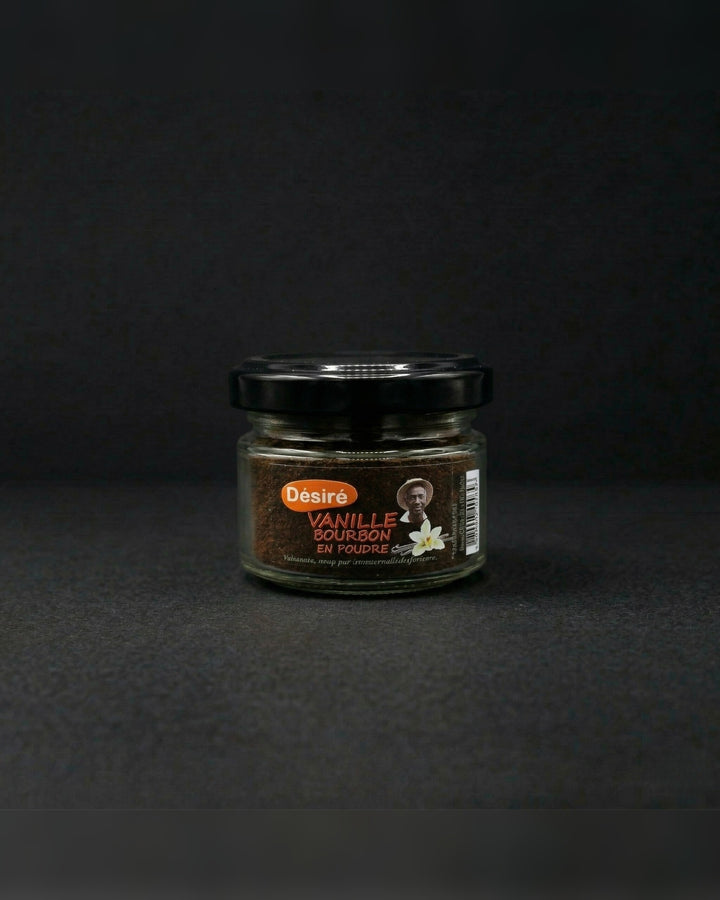
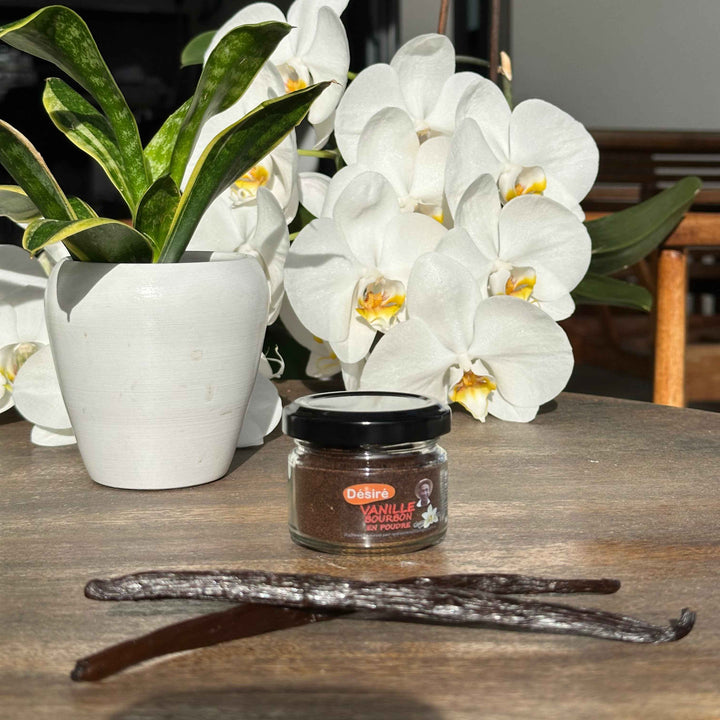
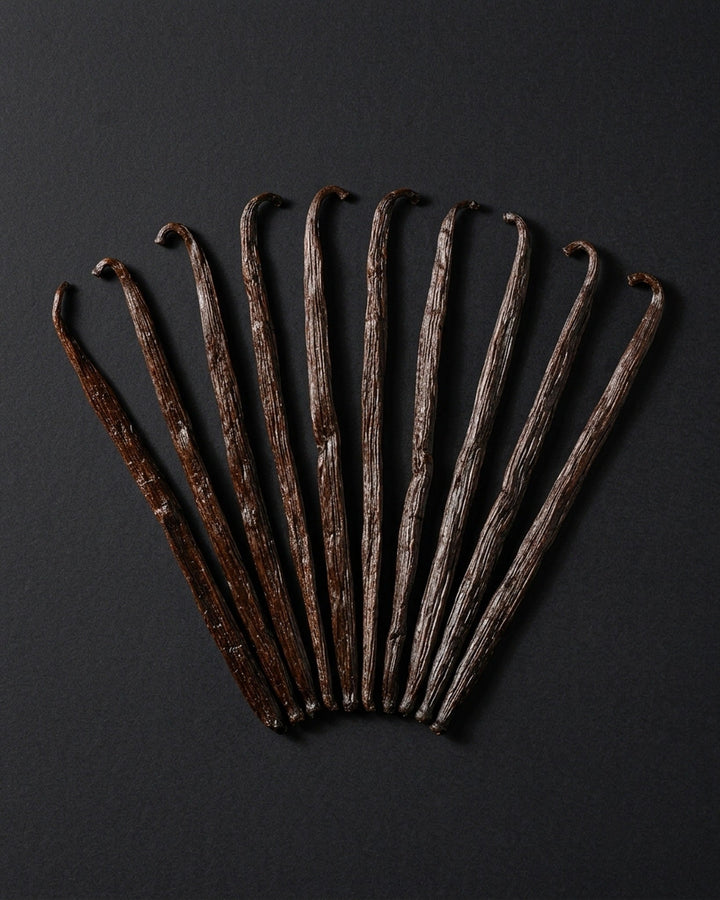
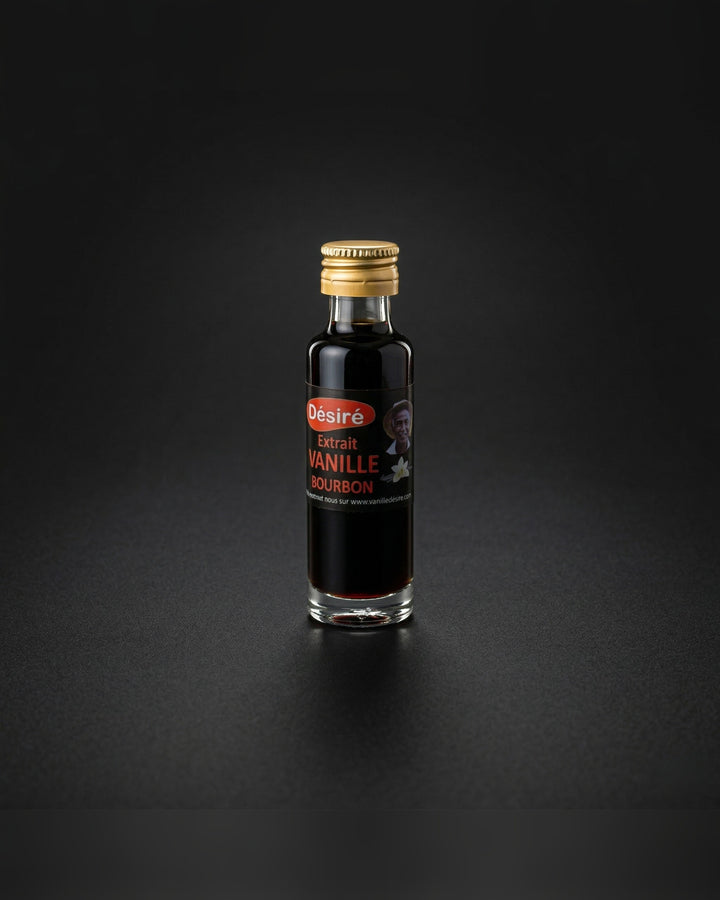
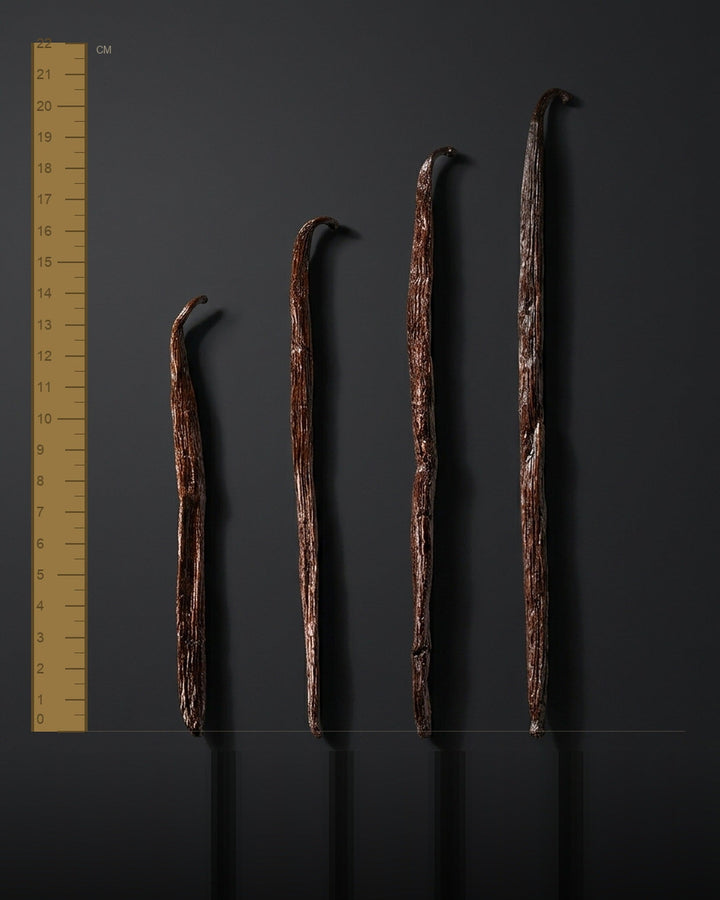
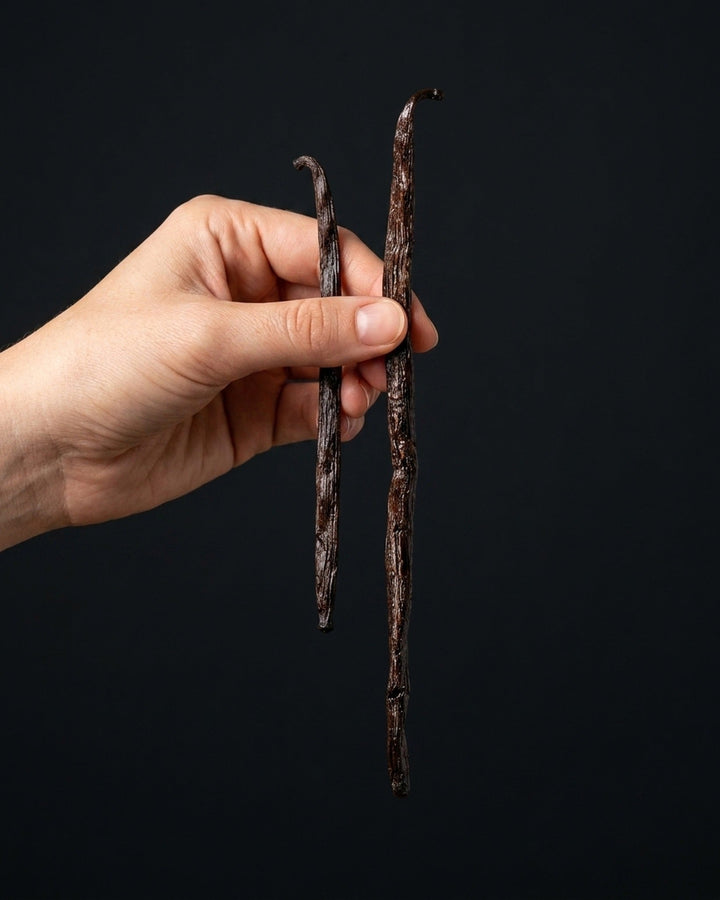
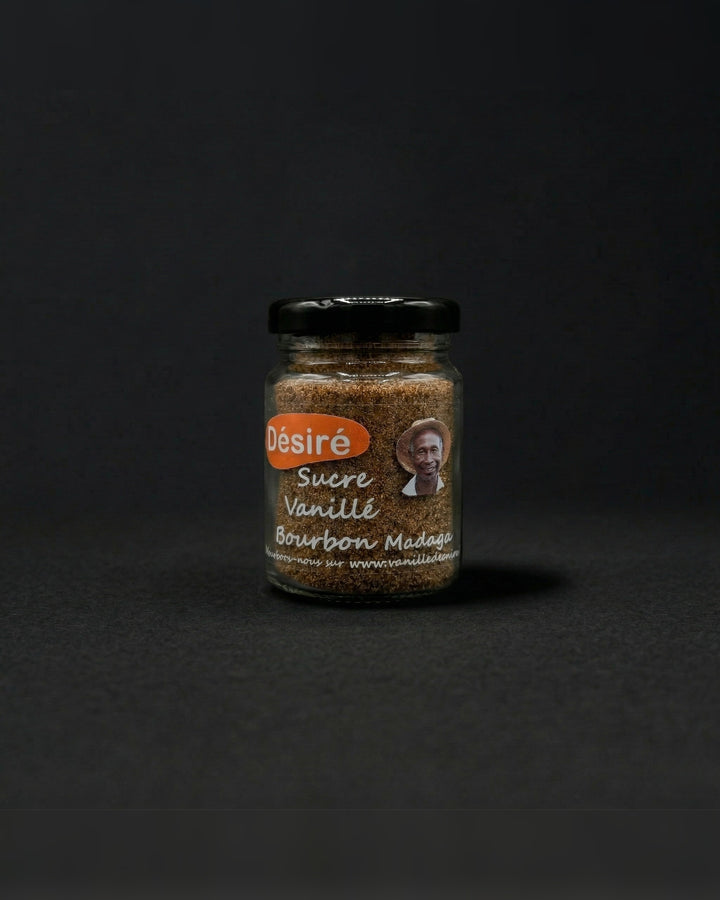
Our Bourbon vanilla, grown in the SAVA region, and our cinnamon, grown in Vangaindrano, suit these uses. For a tart that brings the two together, see our vanilla tarte Tatin or our soft vanilla and cinnamon cake.
Nutmeg and cloves, discreet in savoury cooking
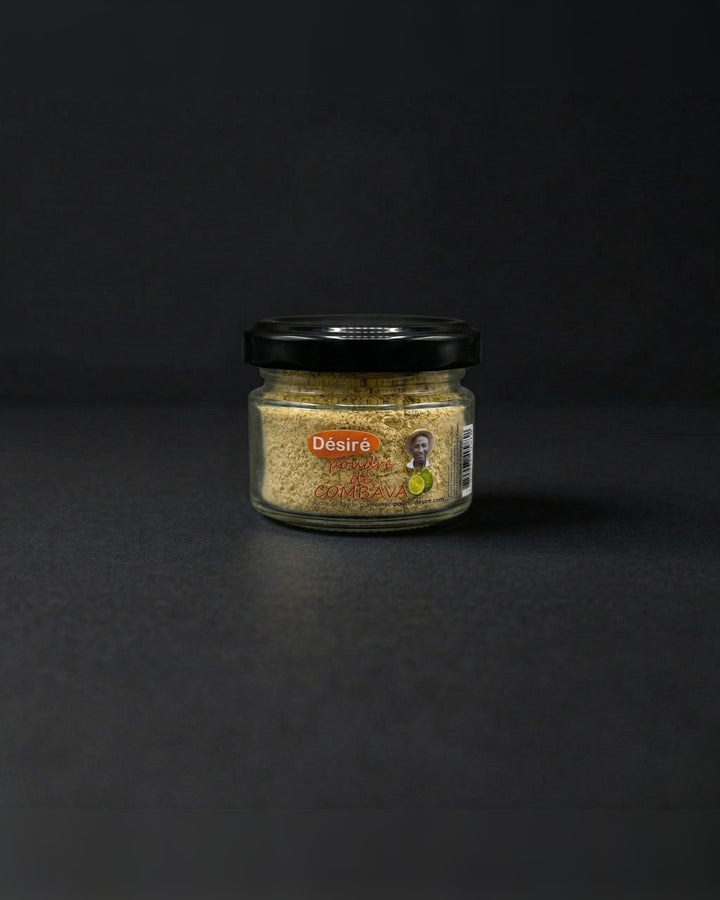
Nutmeg is a classic ingredient in béchamel and many French gratins, where a pinch is enough to round off the taste of the milk and cheese. Cloves, meanwhile, traditionally stud the onion that flavours the stock of a pot-au-feu, before being removed at the end of cooking.
Nutmeg remains a spice we do not offer. Cloves, on the other hand, are part of our range, grown in Vangaindrano. To choose between whole and ground, see whole or ground cloves.
Working with our Madagascar spices
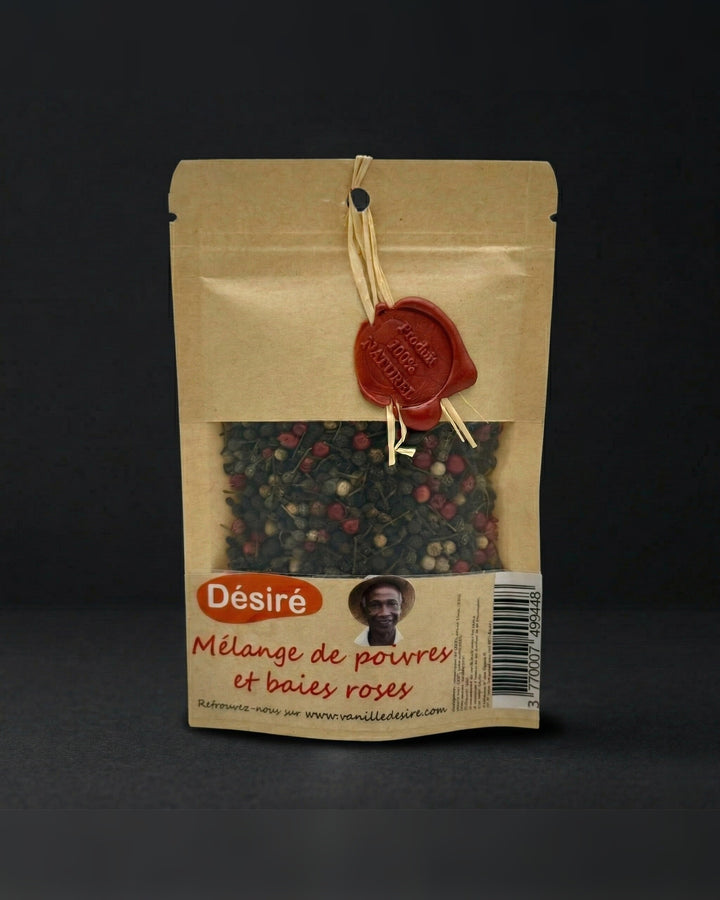
Without nutmeg, our range alone will not recreate a quatre-épices or a classic béchamel. It can, however, cover most everyday French cooking: black pepper, white pepper, green pepper, wild pepper, cloves, cinnamon and Bourbon vanilla pods. For a ready-made blend of several of our peppers, see our blend of black pepper, wild pepper, white pepper and pink berries, which should not be confused with the quatre-épices used in charcuterie.
Frequently asked questions
What are the four spices in the quatre-épices blend?
Pepper, cloves and nutmeg, always present, joined by cinnamon or ginger depending on the recipe.
Why use white pepper rather than black pepper in a sauce?
So as not to leave black flecks in a pale sauce, a purée or a gratin, where white pepper blends in better visually.
Does vanilla outweigh cinnamon in French baking?
Neither outweighs the other: vanilla features mostly in custards and cakes, cinnamon more in fruit tarts and winter cakes.
Does our pepper blend replace the quatre-épices used in charcuterie?
No. Our blend brings together black pepper, wild pepper, white pepper and pink berries; the traditional quatre-épices also includes cloves and nutmeg.
The Vanille Désiré team