Quick answer: Cinnamon and cloves have long been paired with orange, in mulled wine or Christmas pomanders, while ginger is traditionally paired with lemon, in tea or a hot drink. Combava, gathered wild in Madagascar, adds a citrus note all on its own that is already present in Malagasy cooking.
Spices and citrus fruit have long been paired in several cuisines, each bringing a different note, warm for the spice, sharp and fragrant for the citrus.
Cinnamon, cloves and orange, a long-standing pairing
The pairing of cinnamon, cloves and orange peel goes back several centuries in Europe: traditional mulled wine, such as the Glühwein served at Christmas markets in German-speaking Europe, has long mixed cinnamon, cloves and orange peel. The same pairing, cloves pushed into a whole orange, was also used to make Christmas pomanders, small fragrant balls hung up or placed in a room, a practice whose known form goes back at least to the 18th century in Europe.
Ginger and lemon, a common pairing
Ginger and lemon form a common pairing in many cuisines, the sharp freshness of the citrus tempering the spiciness of the ginger. This pairing is found in hot drinks such as ginger tea, often served with a slice of lemon.
Combava, a citrus note already Malagasy
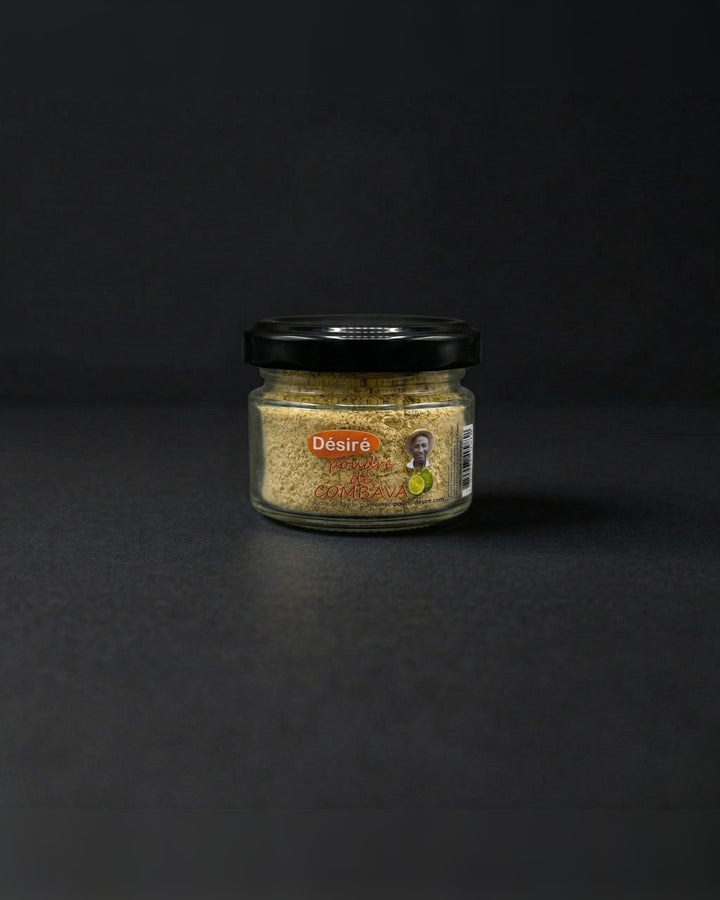
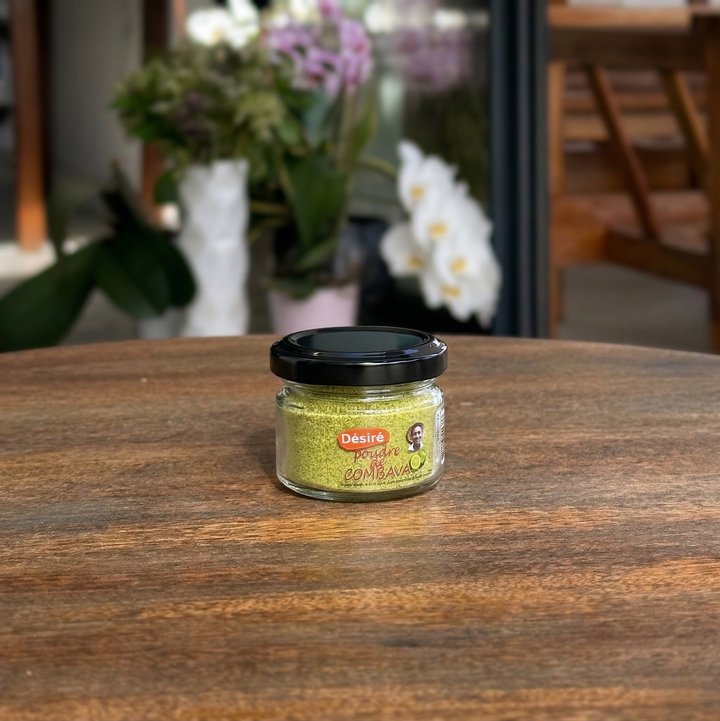
Combava, gathered wild in Vangaindrano, in the southeast of Madagascar, itself brings a very pronounced citrus note, both in its peel and in its powder, with no need to add another citrus fruit to get this fragrance.
Pairing a spice and a citrus fruit in cooking
To pair a spice with a citrus fruit in a preparation, a common approach is to infuse the spice, a cinnamon stick, a clove or ginger powder, with the zest or juice of the citrus fruit, in a hot liquid, before straining and serving.
Beyond the hot drink
Beyond hot drinks, an orange studded with cloves today keeps mainly a decorative and fragrant use rather than a culinary one, while ginger and lemon also appear in sweet preparations such as biscuits or cakes.
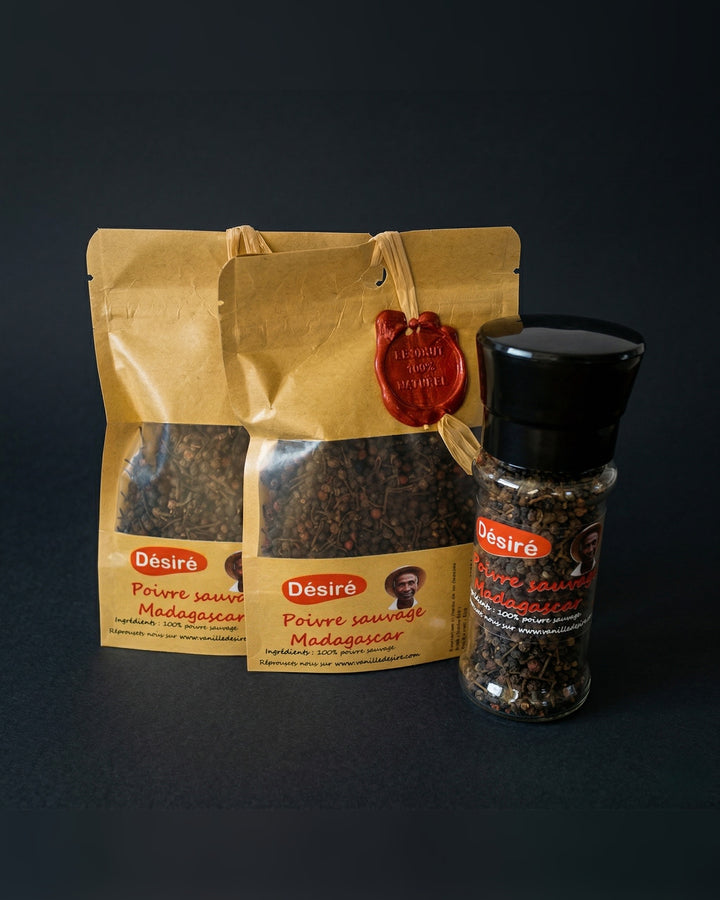
Pairing peppers with a citrus fruit
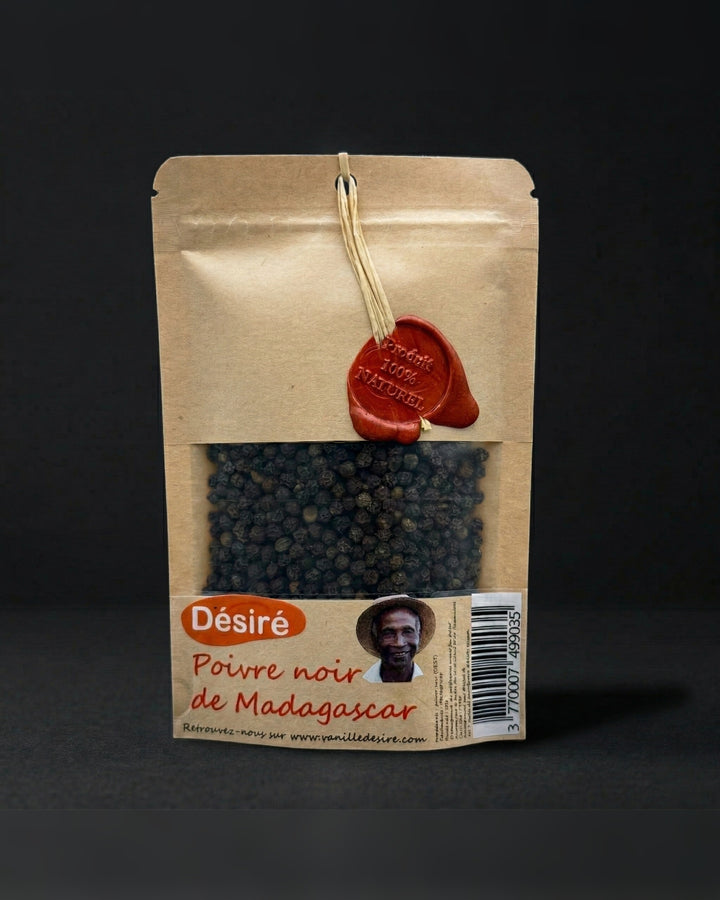
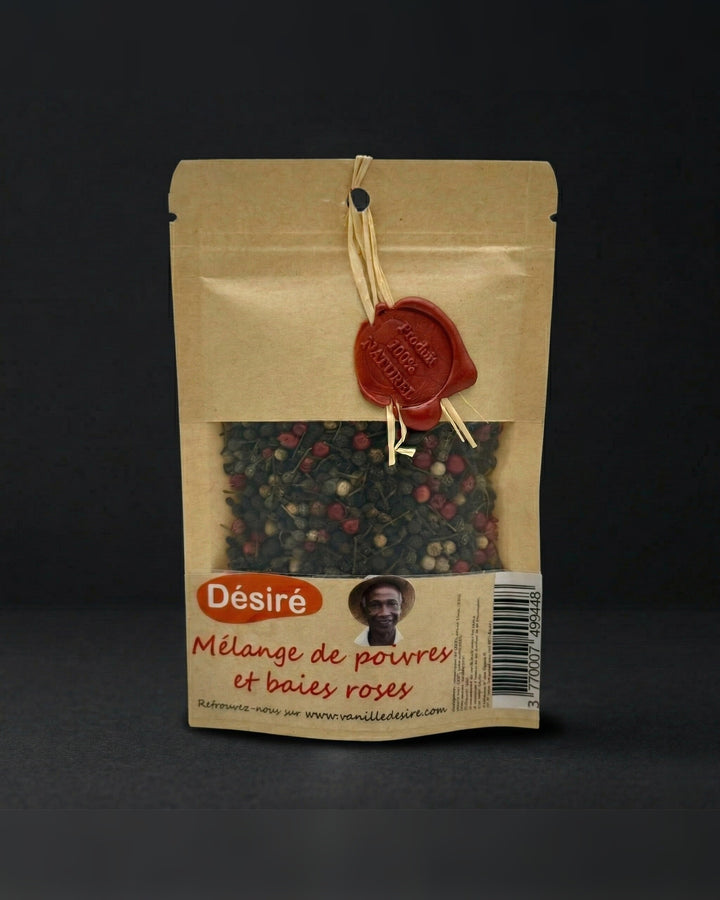
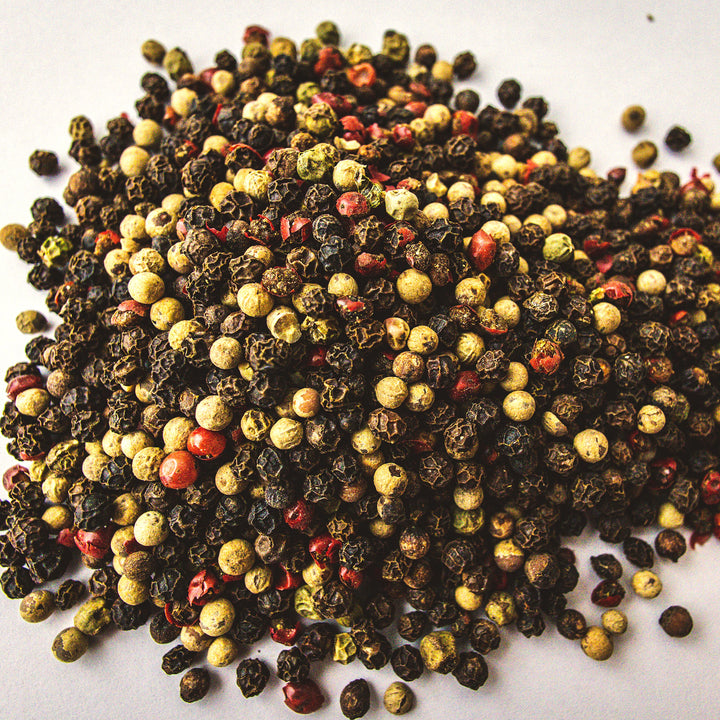
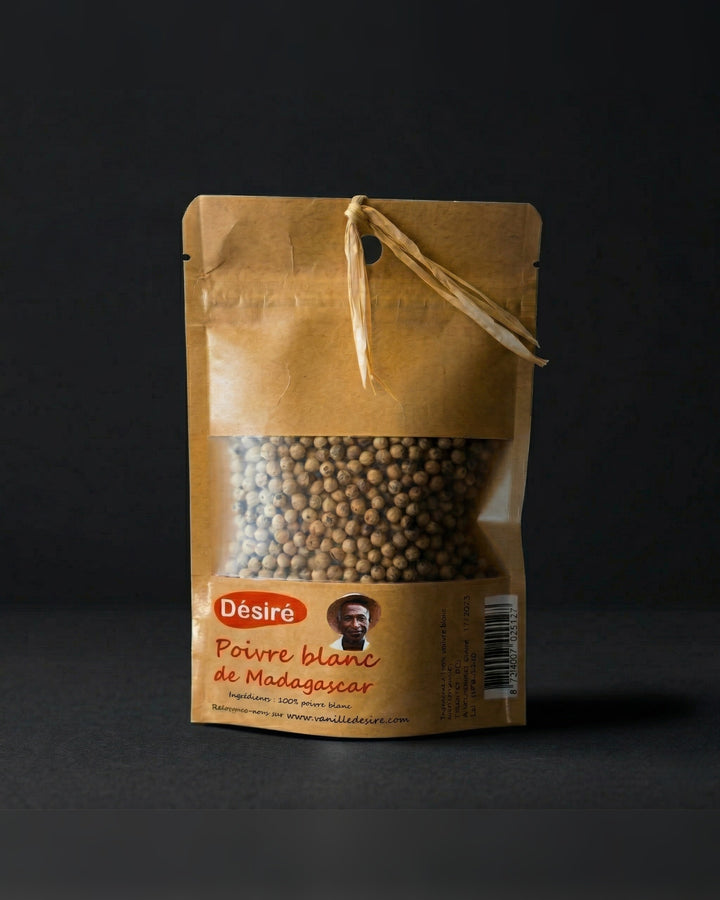
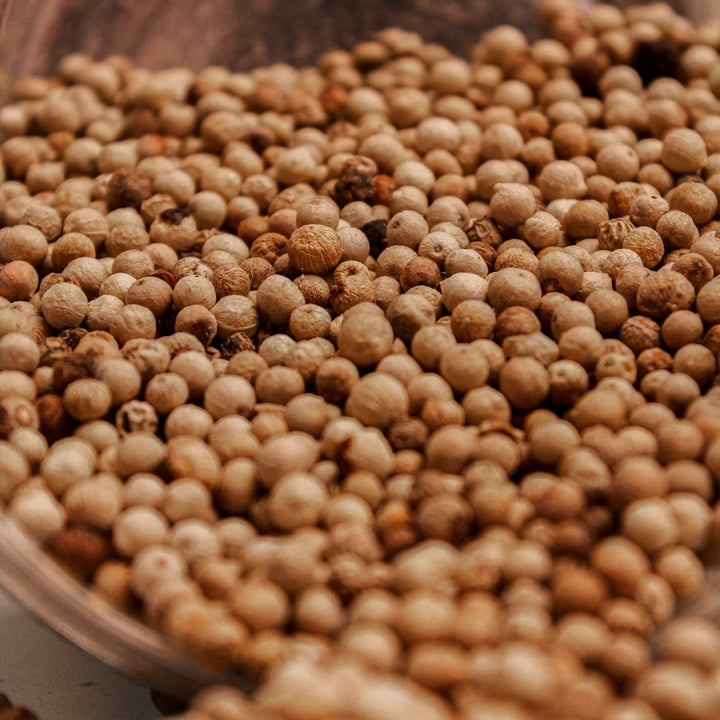
A pepper, white or black, ground over a citrus-based preparation in savoury cooking, brings a spiciness that complements the fruit's acidity without masking it, following the same principle as the pairing of ginger and lemon.
Where our spices come from
Our family grows this cinnamon, this cloves and this ginger in Vangaindrano, in the southeast of Madagascar; the combava is gathered there in the wild, it is not cultivated.
Frequently asked questions
Which spice pairs with orange?
Cinnamon and cloves have long been paired with orange, notably in traditional mulled wine and in Christmas pomanders, an orange studded with cloves.
Why do ginger and lemon pair so well?
The sharp freshness of lemon tempers the spiciness of ginger, a pairing found in particular in ginger tea served with a slice of lemon.
Is combava a citrus fruit or a spice?
Combava is a citrus fruit with a highly fragrant peel, gathered wild in Vangaindrano; its powder brings a pronounced citrus note with no need to add another citrus fruit.
How do you infuse a spice with a citrus fruit?
A common approach is to infuse the spice, a cinnamon stick, a clove or ginger powder, with the zest or juice of the citrus fruit in a hot liquid, before straining.
Our products to go further: Madagascar Cinnamon · Madagascar Cloves · Madagascar Ginger Powder · Madagascar Wild Combava Powder
For a recipe that already brings several of these spices together around a citrus fruit, see our Madagascar spiced mulled wine, and to find out everything about this citrus fruit, our page on Madagascar combava.
The Vanille Désiré team