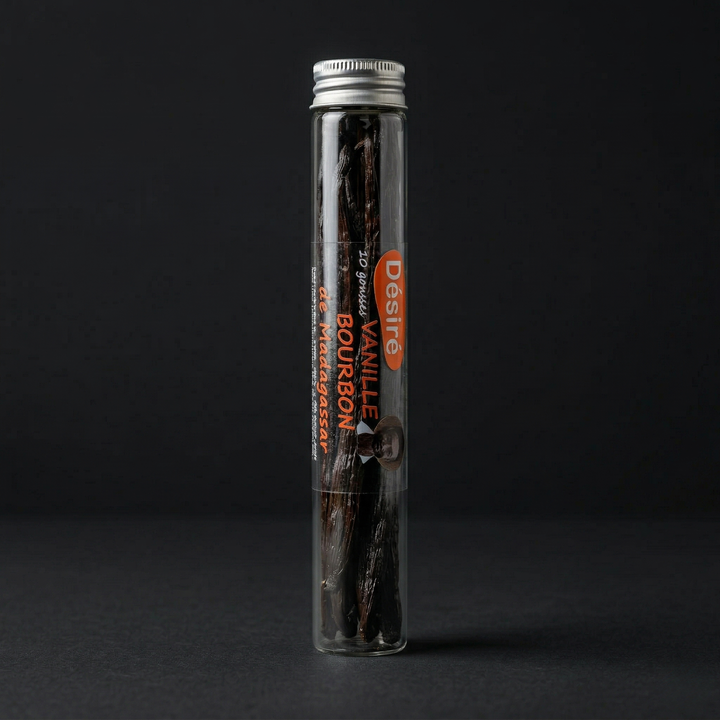
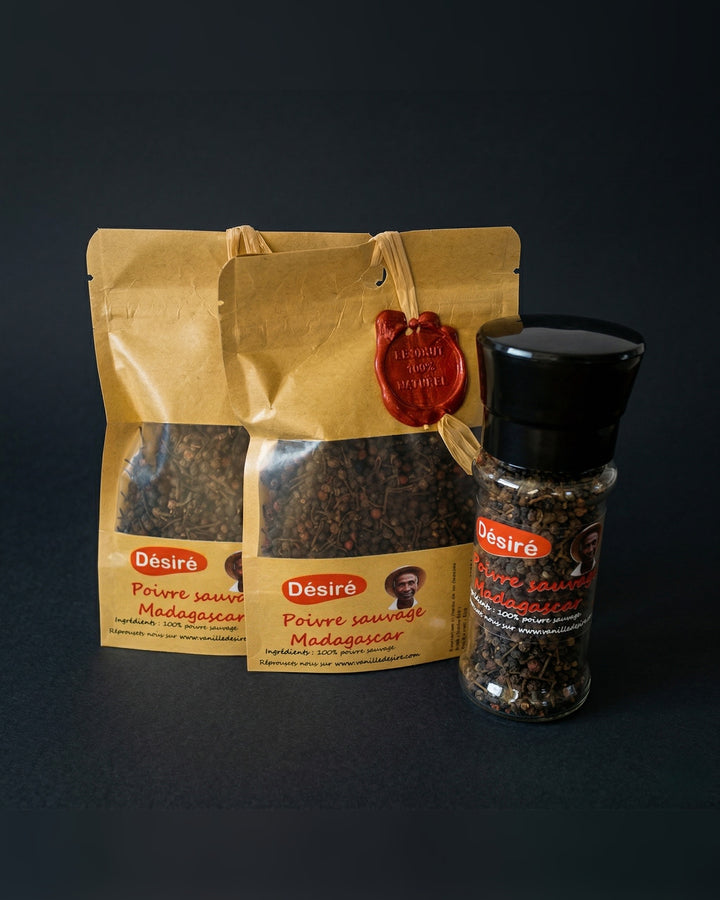
Quick answer: The European "INCO" regulation (No. 1169/2011) requires fourteen substances recognised as major allergens to be flagged in the ingredients list, highlighted in a typeface that stands out from the rest of the text. Among Vanille Désiré's spices, sesame seeds belong to this list; the pure spices in the range (peppers, vanilla, turmeric, cloves, cinnamon, combava, chilli and pink berries) do not. For a blend such as curry powder, only the ingredients list on the label is authoritative: some shop-bought blends contain mustard or celery, two allergens on the list.
A spice label is not only there to give the product's name and best-before date: it must also flag certain ingredients that can trigger a serious allergic reaction. This requirement comes from a specific European regulation, which sets out both the list of substances concerned and how they must be presented. This page explains what that regulation says, and where sesame and our own range of spices stand.
The regulation behind allergen labelling
European regulation No. 1169/2011, known as the INCO regulation, of 25 October 2011, makes it compulsory to inform consumers about allergens present in food. Its Annex II sets out a list of fourteen substances or products that must be declared as soon as they are used in a foodstuff, whatever the quantity involved.
Sesame, one of the fourteen substances on the list
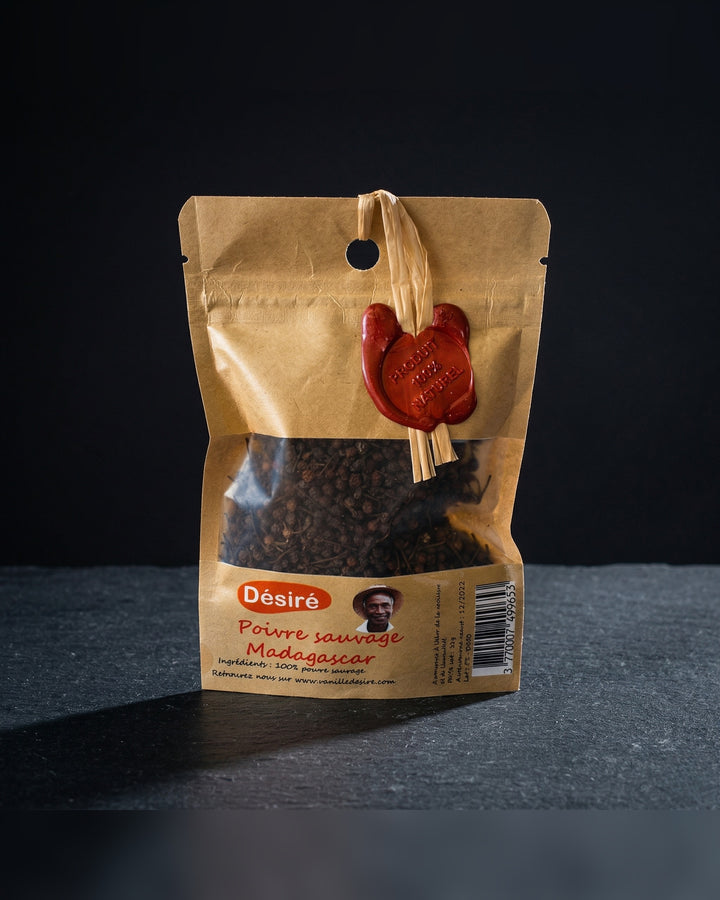
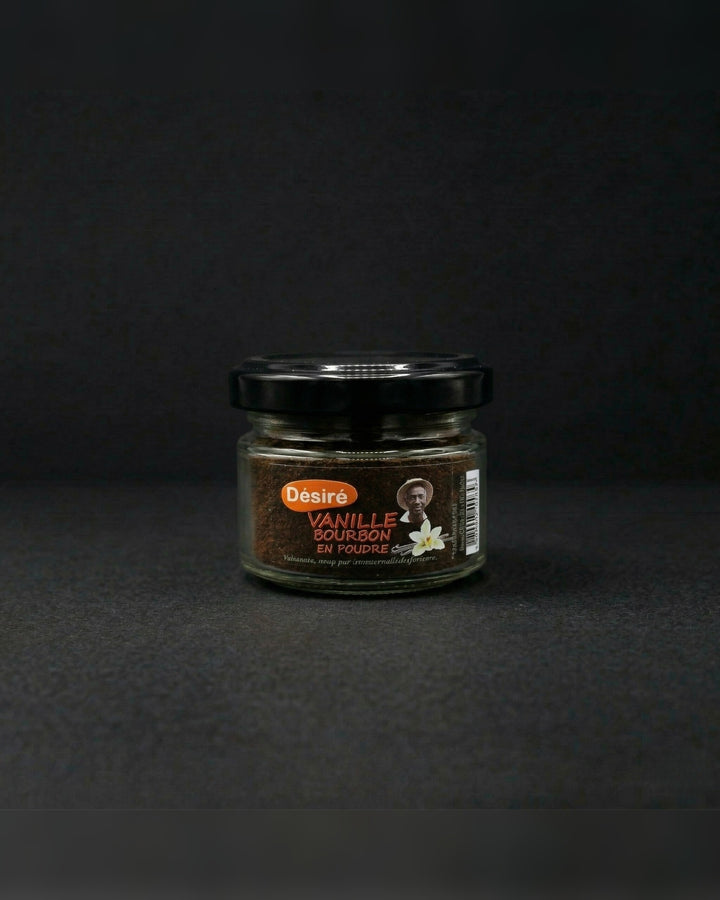
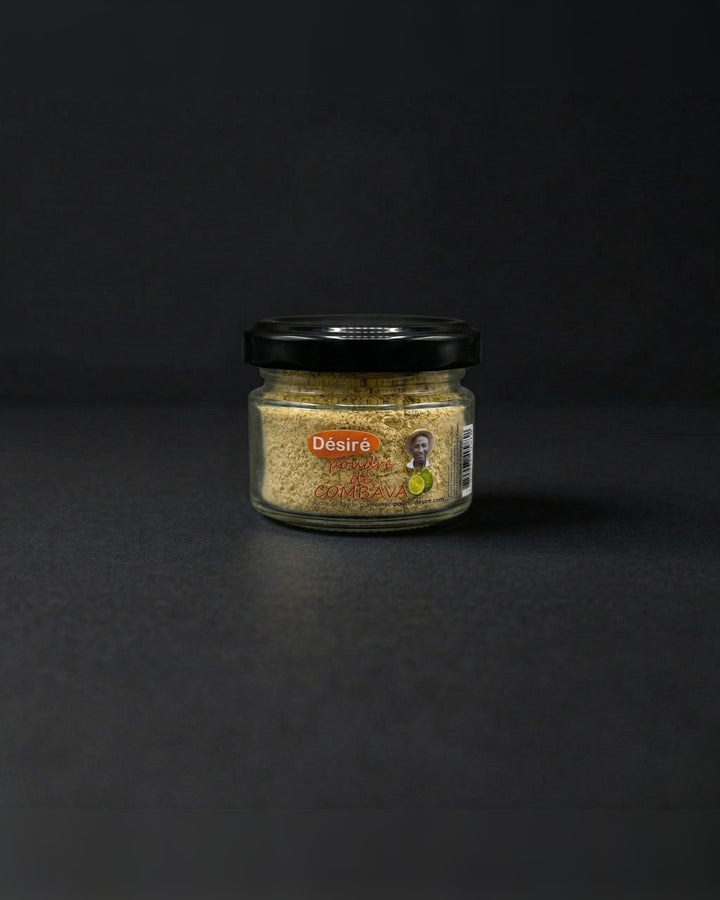
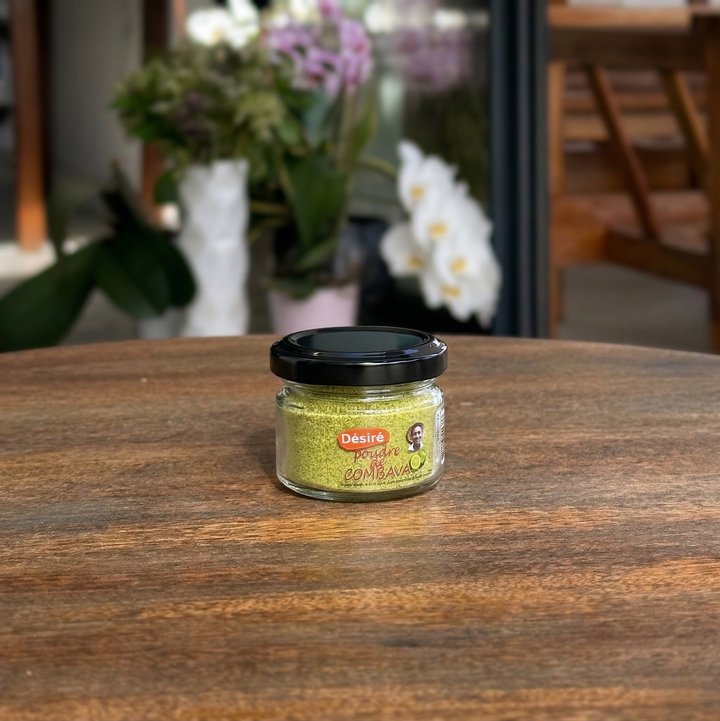
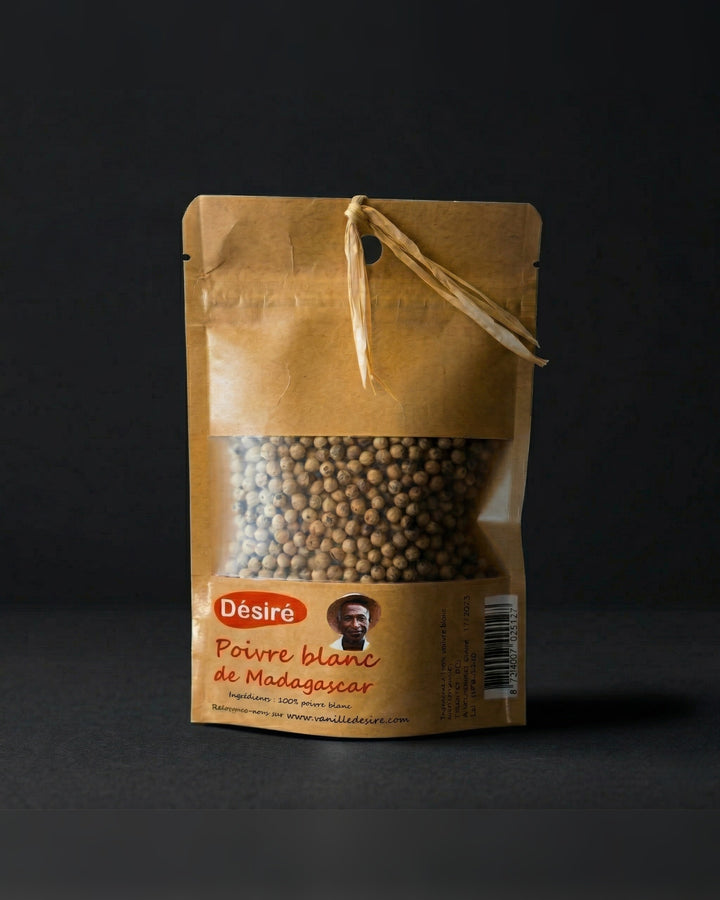
Sesame seeds and products made from sesame seeds are among the fourteen allergens that must be declared under Annex II, in eleventh position on the list. Among our pure spices, it is the only one concerned by this requirement: pepper, vanilla, turmeric, cloves, cinnamon, combava, pili-pili chilli and pink berries do not belong to this list of fourteen substances. A spice blend, on the other hand, is judged by its ingredients list: mustard and celery, present in some shop-bought curry powders, are among the fourteen.
How the allergen must appear on the label
For a pre-packaged product, an allergen on the list must appear in the ingredients list and be highlighted there in a typeface that clearly sets it apart from the rest of the text: in bold, in italics or underlined, depending on the label. The aim is for an allergic consumer to spot it at a glance, without having to read through the whole list in detail.
And for food sold without packaging
For food that is not pre-packaged, for example sold loose or served in a restaurant, the regulation requires allergen information to be given in writing, displayed or handed to the customer, without the customer having to ask for it. The rule changes in form, not in principle: the information must stay available before purchase or consumption.
Why this list exists
The list in Annex II was drawn up because these fourteen substances account for the great majority of serious food allergic reactions recorded in Europe. Being on this list is therefore not a matter of how often an ingredient is used in cooking, but of the documented severity of the reactions a substance can trigger in a sensitive person. This is why sesame, despite being a seed widely used around the world, appears on it alongside products more rarely mentioned, such as celery or mustard.
Why sesame, such a common seed, is on this list
Sesame turns up in many preparations, from bread to sauces to biscuits, without its presence always standing out in an ingredients list. It is precisely because an allergic reaction to sesame can be serious, and because the seed can easily hide in a composed dish, that the regulation requires it to be clearly flagged. The requirement does not judge how often sesame is used in cooking, only the documented severity of the reactions it can trigger.
Sesame in our recipes
Sesame seeds from Madagascar feature in several of our online recipes, where the allergen is named in the ingredients list of each recipe card. Sesame tuiles, home-made hummus with sesame and home-made tahini with toasted sesame all use it as a central ingredient. For the step that often comes before cooking with it, see toasting sesame seeds, and for its wider uses, sesame in savoury cooking and sesame in baking.
Our sesame seeds
Our family grows its sesame seeds in Vangaindrano, in the southeast of Madagascar.
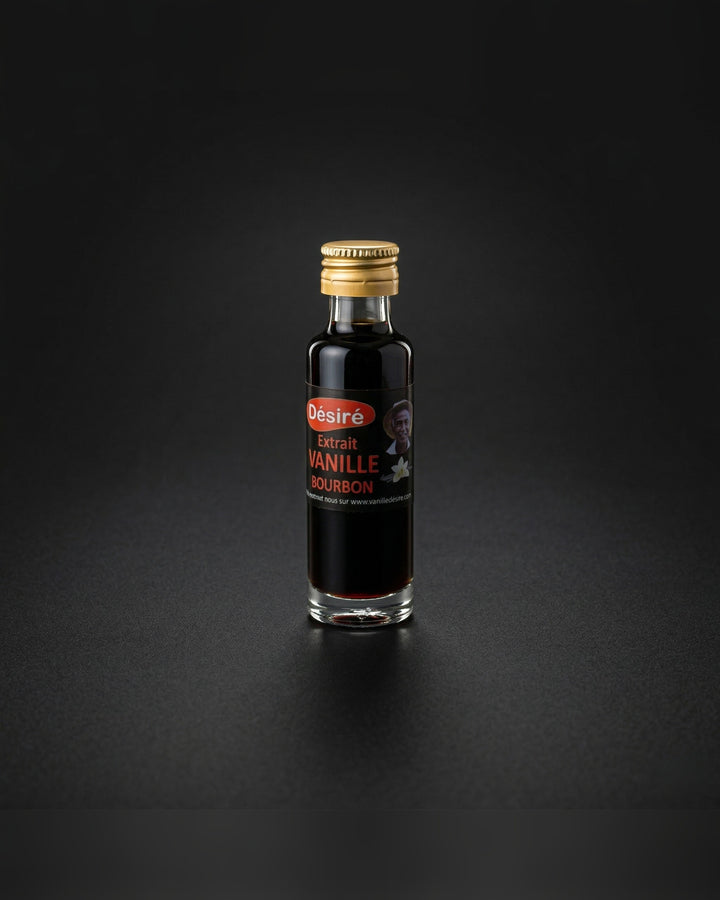
For the full profile of this spice, see Madagascar sesame seeds. For allergy questions linked to vanilla, which is not on the list of fourteen allergens but comes up often where children's diets are concerned, see vanilla, allergies and children's diets.
Frequently asked questions
Is sesame a declarable allergen in Europe?
Yes, sesame seeds and products made from sesame are among the fourteen allergens that European regulation 1169/2011 requires to be flagged.
How must an allergen appear on a label?
In the ingredients list, in a typeface that clearly sets it apart from the rest of the text, in bold, in italics or underlined depending on the label.
What if the product is sold loose, without packaging?
The regulation then requires written information, displayed or handed to the customer, without the customer having to ask for it.
Do any of Vanille Désiré's other spices contain a declarable allergen?
No: in our range, only sesame seeds appear on the list of fourteen allergens under the INCO regulation.
The Vanille Désiré team