Épices et poivres de Madagascar : guide en néerlandais pour les marchés NL et BE

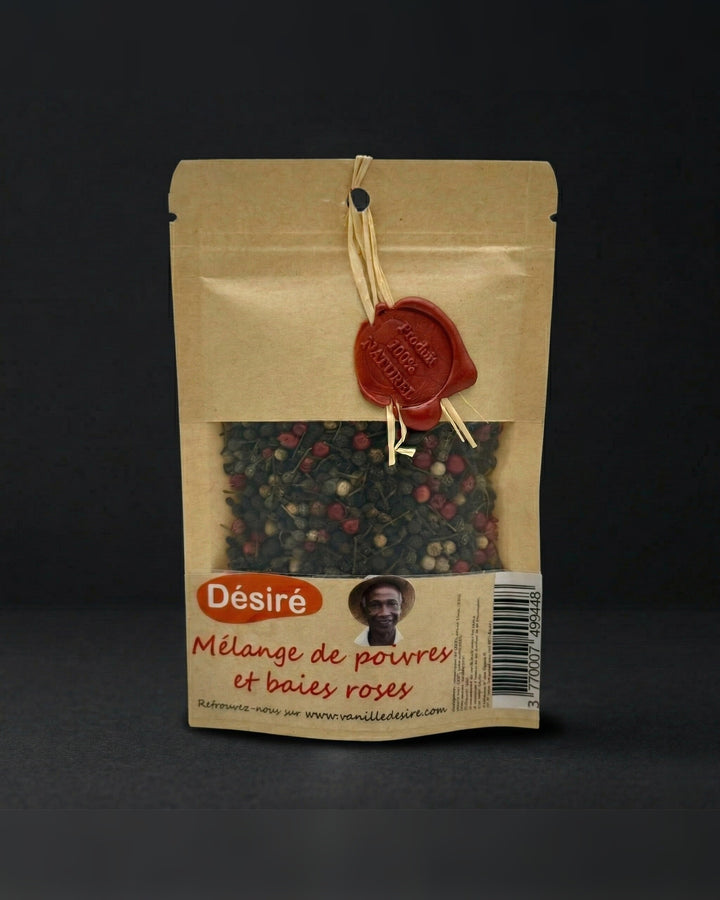
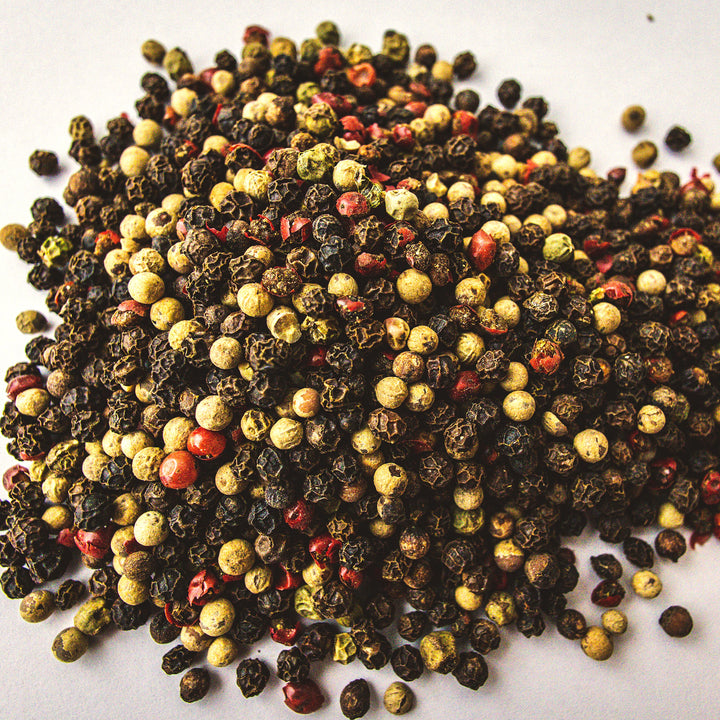
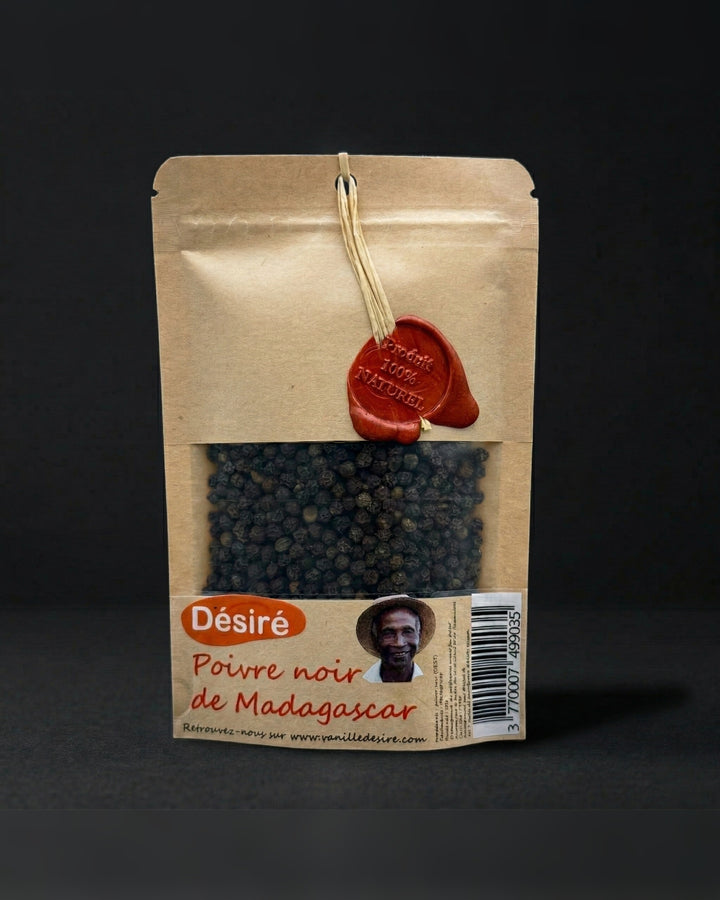
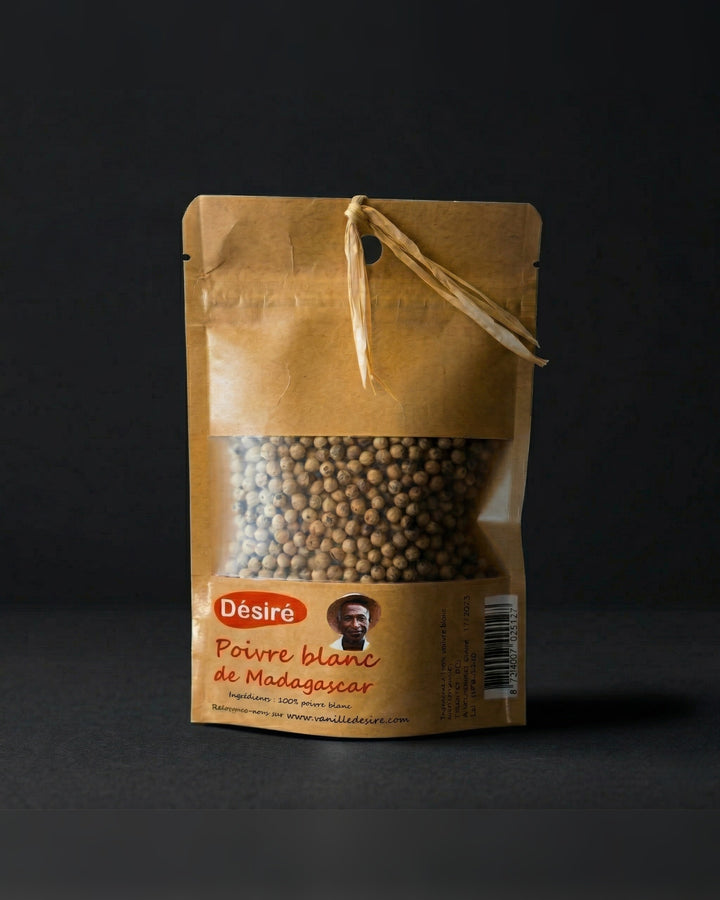
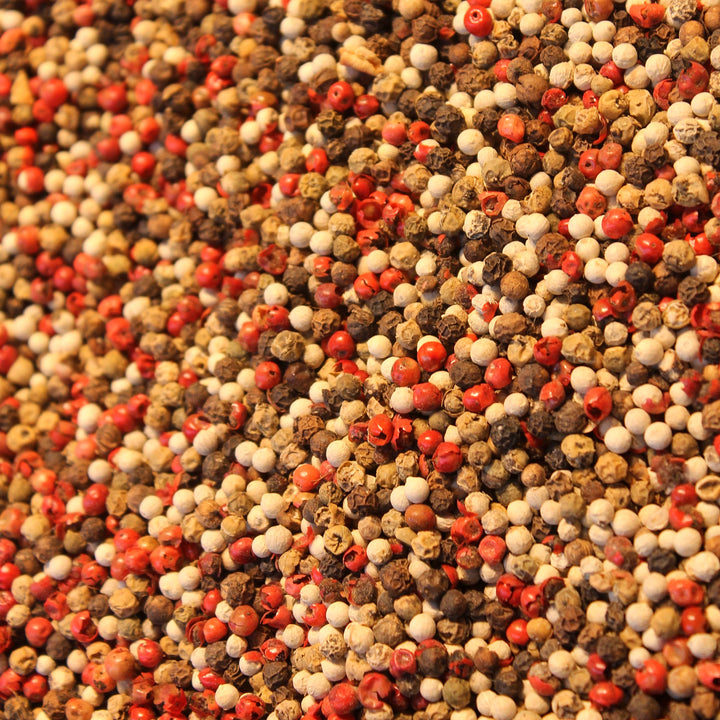
Cette page réunit, à l'intention de nos clients néerlandais et belges, un guide complet sur les épices et poivres de Madagascar : le poivre noir, le poivre blanc, le poivre sauvage voatsiperifery, les baies roses et le combava. Notre famille cultive, récolte et prépare ces épices dans la région de Vangaindrano, au sud-est de Madagascar, un terroir distinct de celui de notre vanille, cultivée plus au nord dans la région de la SAVA. Chaque référence est vendue directement, sans intermédiaire, du producteur au client.

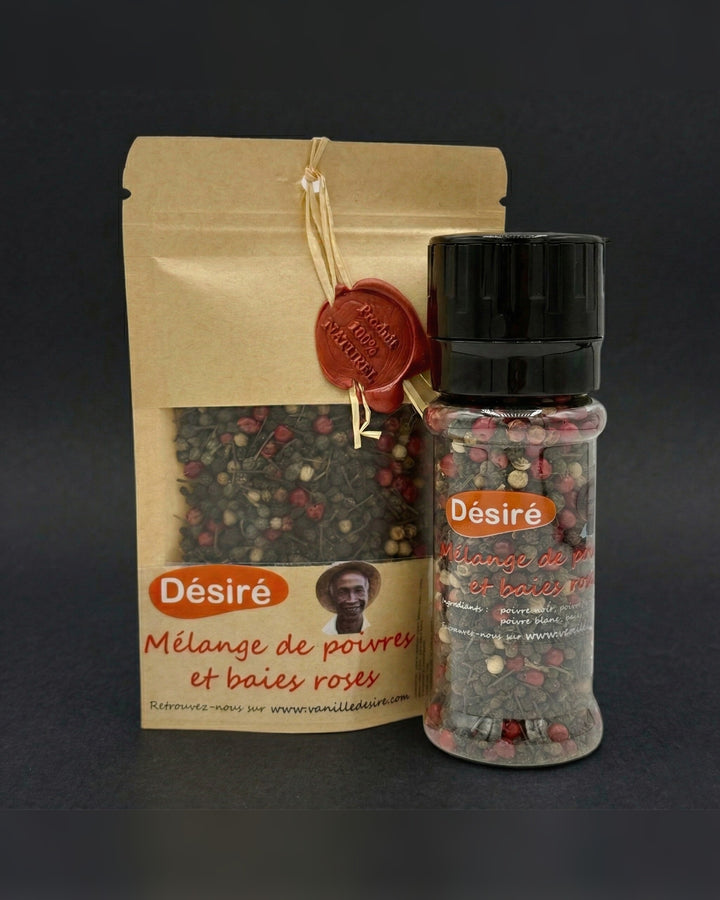
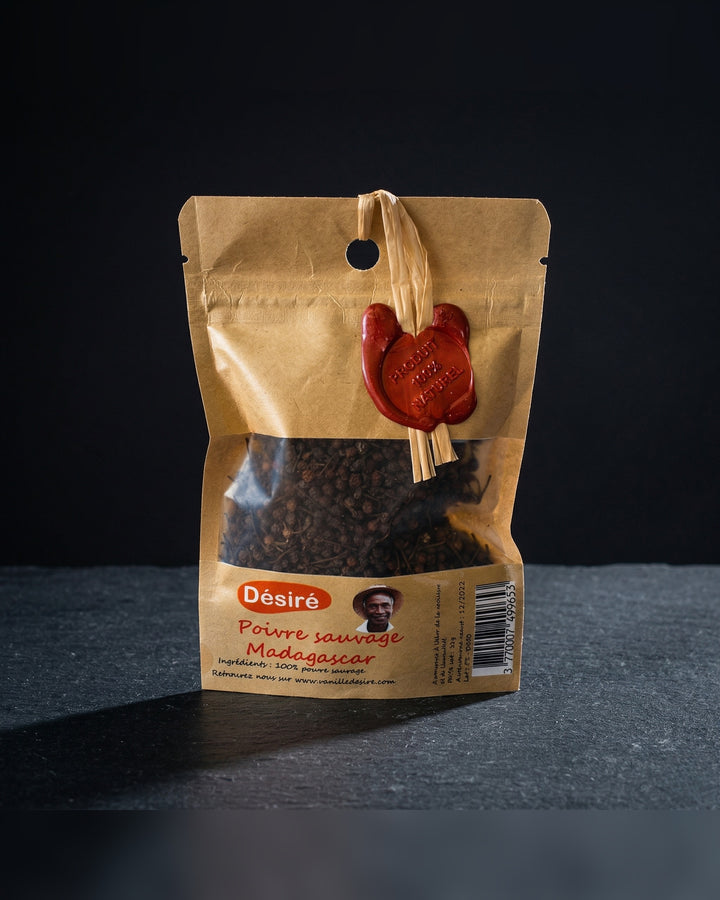
Le poivre sauvage voatsiperifery, en particulier, n'est pas cultivé : il pousse à l'état sauvage sur une liane forestière, le Piper borbonense, qui grimpe haut dans les arbres, et notre famille le récolte à la main dans le sud-est de l'île. Les baies roses, quant à elles, ne sont pas de véritables poivres au sens botanique : elles proviennent d'un arbre distinct, le Schinus terebinthifolia, apparenté au manguier. Le combava, petit agrume à la peau rugueuse (Citrus hystrix), est récolté semi-sauvage sur la côte est et séché à basse température pour préserver son parfum.

Le contenu détaillé de ce guide, comment choisir un poivre, comment reconnaître le voatsiperifery, comment utiliser le combava en cuisine, comment conserver ces épices, ainsi qu'une foire aux questions, est rédigé en néerlandais pour les marchés néerlandais et belge : lire la version néerlandaise. Pour la version française de notre gamme, consultez nos pages Épices de Madagascar et Poivres et baies de Madagascar.
Back to the Wiki
Our terroirs

Where each spice comes from

Our map holds two points. Vanilla grows in the SAVA, in the north-east. Peppers, spices and combava come from Vangaindrano, in the south-east.

Madagascar · our terroirs SAVA Vangaindrano
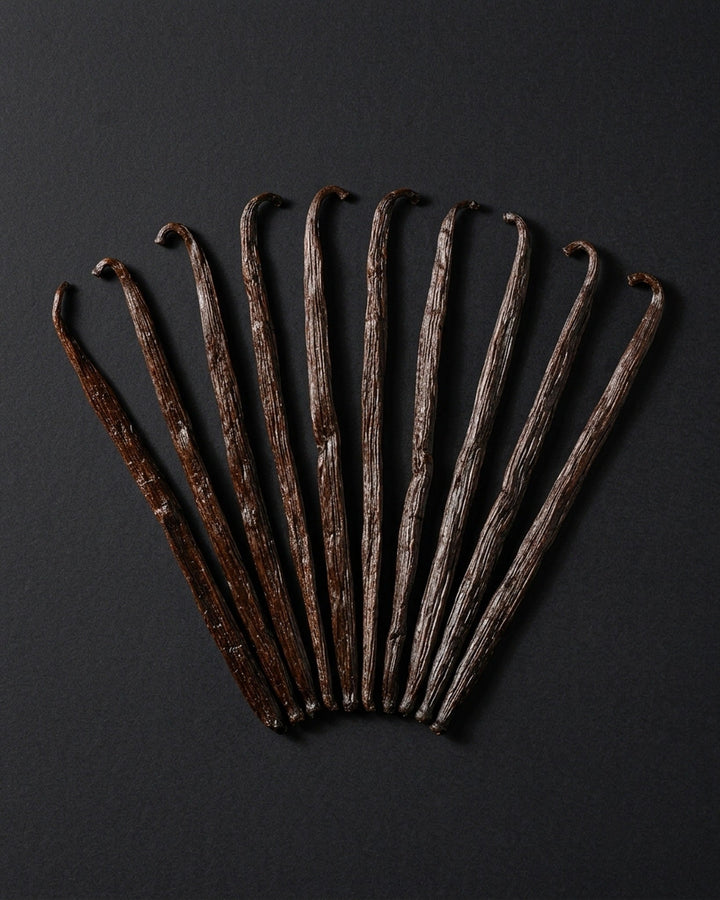
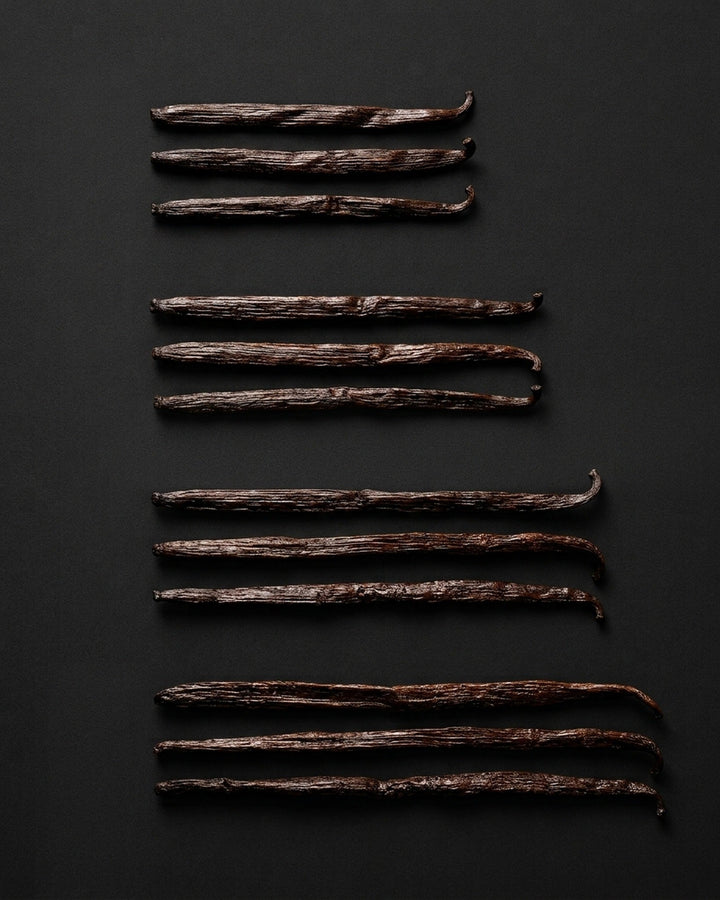
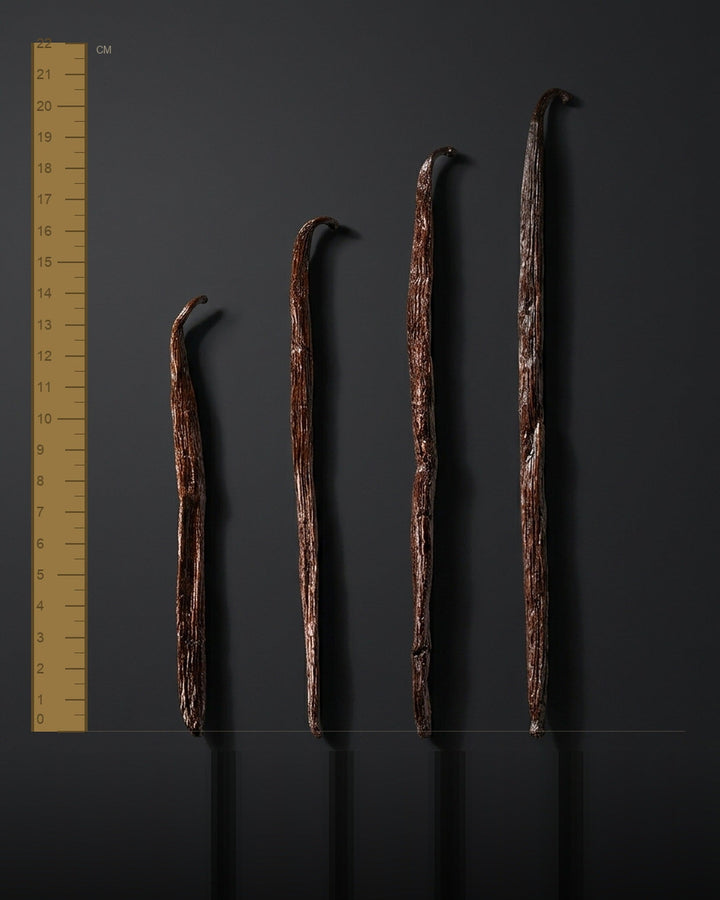
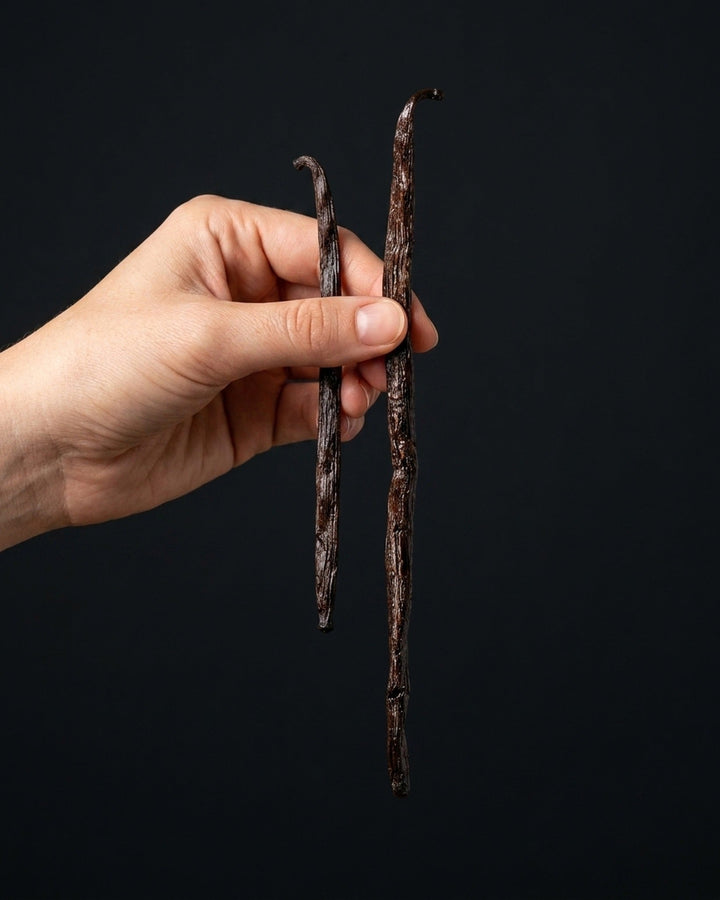
Bourbon vanilla pods laid on marble Bourbon vanilla
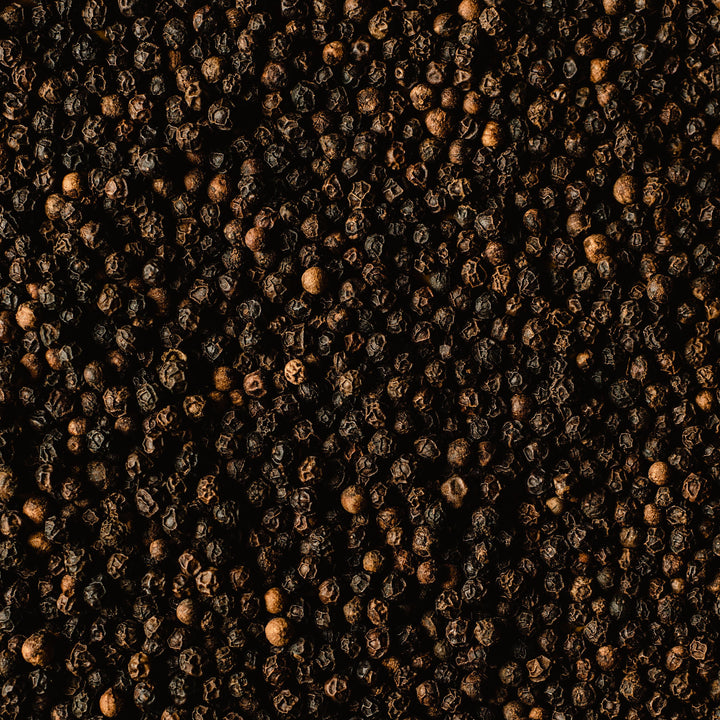
Madagascar black peppercorns spread out Peppers and berries
Stacked cinnamon sticks, rolled bark Cinnamon
Whole dried cloves Clove
Turmeric powder and pieces of rhizome Turmeric
Ginger rhizome and fresh slices Ginger
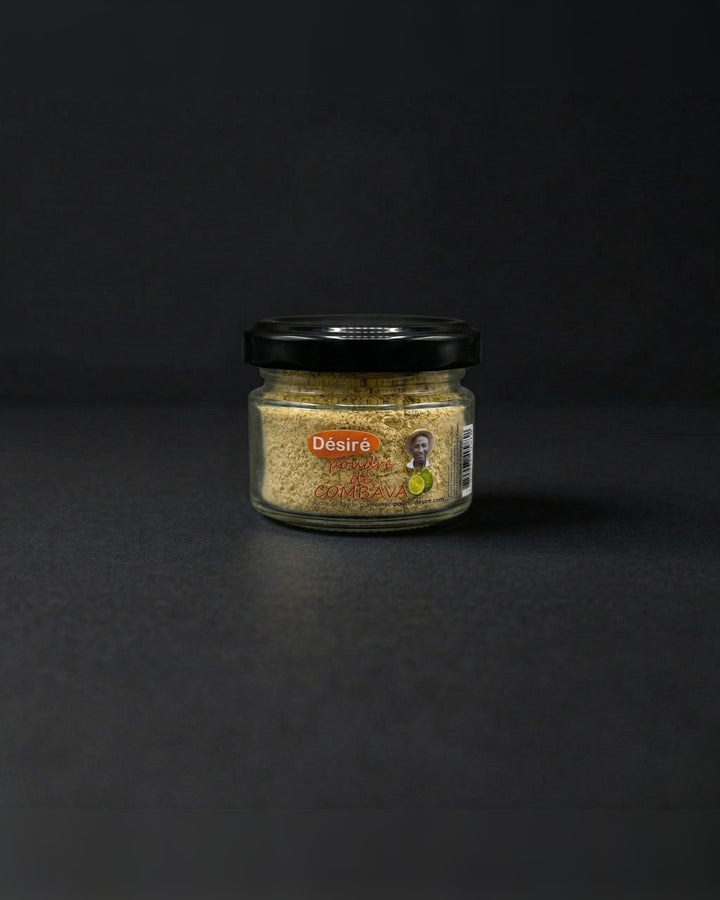
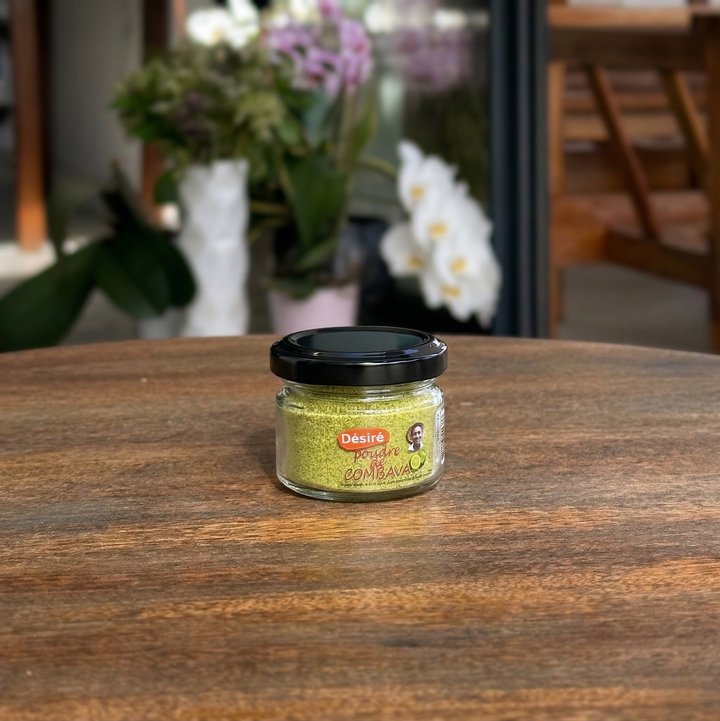
Glass jar of Désiré combava powder Combava
Dried pili-pili chillies and a dish of crushed chilli Pili-pili chilli

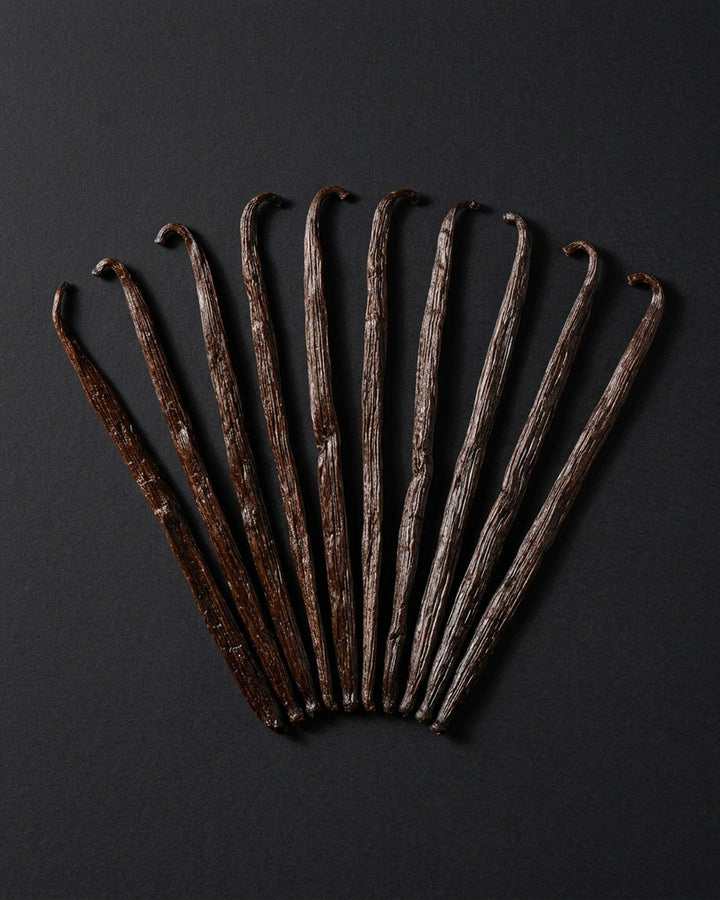
Prepared Bourbon pods, standard grade.

Madagascar black pepper, whole peppercorns.

Dried bark, rolled into sticks.

Whole cloves.

Turmeric powder and cut rhizome.

Ginger rhizome and slices.

Our combava powder, in a glass jar.

Dried pili-pili, whole and crushed.

01
SAVANorth-east coast
02
VangaindranoSouth-east coast
03
VangaindranoSouth-east coast
04
VangaindranoSouth-east coast
05
VangaindranoSouth-east coast
06
VangaindranoSouth-east coast
07
VangaindranoSouth-east coast
08
VangaindranoSouth-east coast

Vanilla

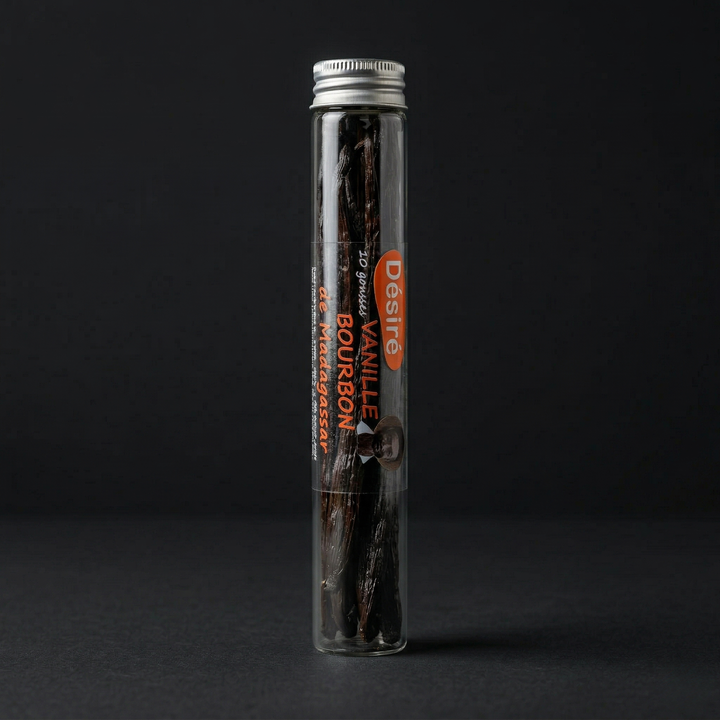
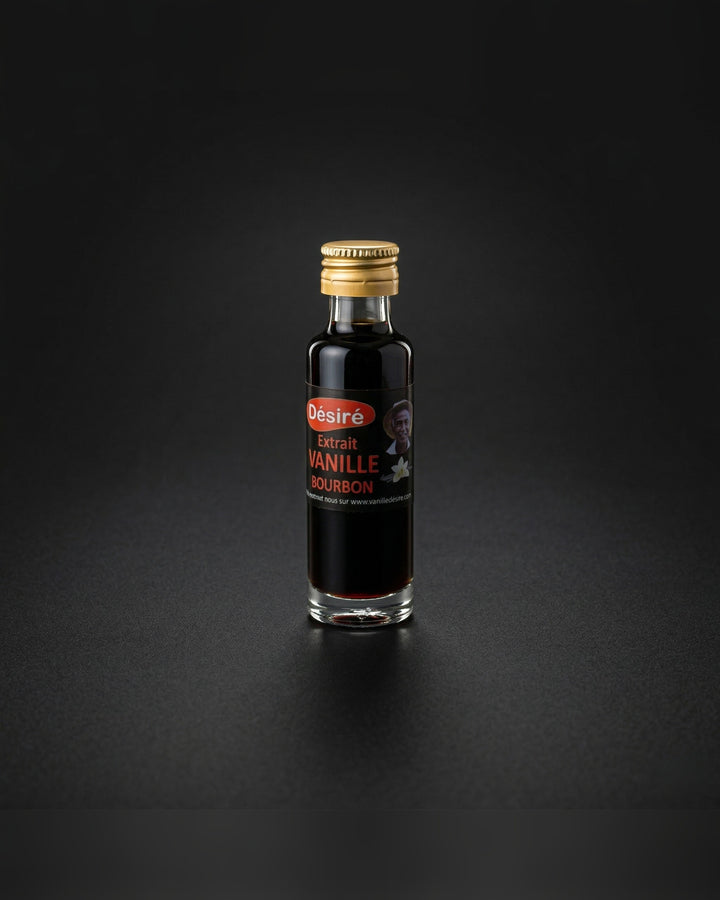
Sambava, Antalaha, Vohémar, Andapa. Our vines climb there, on the north-east coast, and flowering runs from September to November.

Peppers and berries

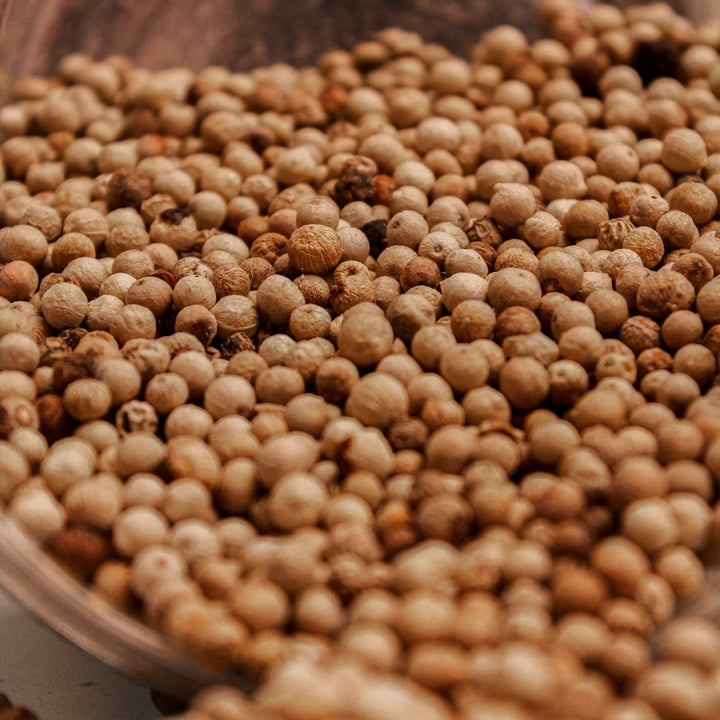
Black pepper, white pepper, pink berries. Voatsiperifery is not planted: it is gathered from the vine, in the forest.

Cinnamon

Our cinnamon trees grow in agroforestry. The bark is taken from young branches in the rainy season, when the sap rises.

Clove

The clove is a flower bud, picked before it opens. It then dries until it hardens and turns deep brown.

Turmeric

The rhizome comes out of the ground, is washed then sliced. We dry it at low temperature: that is what preserves the colour and the curcuminoids.

Ginger

Same soil as turmeric, same botanical family. We offer it as a powder and in a grinder, depending on how you cook.

Combava

A small green citrus with a bumpy skin. Everything is in the zest, which we dry before grinding it into powder.

Pili-pili chilli

Picked bright red, with no green patch. It dries in the sun on racks, then is sorted by hand, fruit by fruit.

Two terroirs, one family. No broker between the plot and your jar.

Vanille Désiré · Madagascar

Photographs from our own catalogue. The outline of the island is a simplified drawing with no cartographic value. With us, vanilla comes only from the SAVA; peppers, spices and combava come from Vangaindrano.

Newsletter

Get our news and new arrivals

One letter a month: the harvest, the recipes, and the formats to come. Nothing else.

Follow us