Quick answer: Garam masala means "warm spice blend" in Hindi. The most common recipe combines cinnamon, cloves, cumin, coriander, cardamom and black pepper, toasted then ground together. Vanille Désiré supplies the cinnamon, cloves and black pepper; cumin, coriander and cardamom remain common spices to find elsewhere.
Garam masala is one of the most used blends in Indian cooking, added during or at the end of cooking to flavour a dish. There is no single recipe: every family, every region, makes its own. This article presents the most common composition, then a version that can be prepared with Vanille Désiré's Madagascar spices and a few complementary spices.
What "garam masala" means
In Hindi, "garam" means warm and "masala" means spice blend. The name does not refer to heat in the sense of spiciness, but to the feeling of warmth these spices bring to the mouth once toasted and ground together.
The traditional composition
The most widespread recipe combines cinnamon, cloves, cumin, coriander, cardamom and black pepper. Some versions add Indian bay leaf, nutmeg or mace; recipes from southern India sometimes include curry leaves or chilli. The number of spices also varies by family: some recipes count seven to twelve, others stick to the pillars that are cinnamon, cardamom, cloves, cumin, coriander and black pepper.
Toasting, a step that changes the result
Whole spices are first dry toasted in a pan, before being ground. This step releases the essential oils contained in each spice and changes the flavour of the blend, rounder and more complex than with spices ground without toasting. See dry toasting whole spices: the technique and its pitfalls.
What our range allows, and what it does not cover
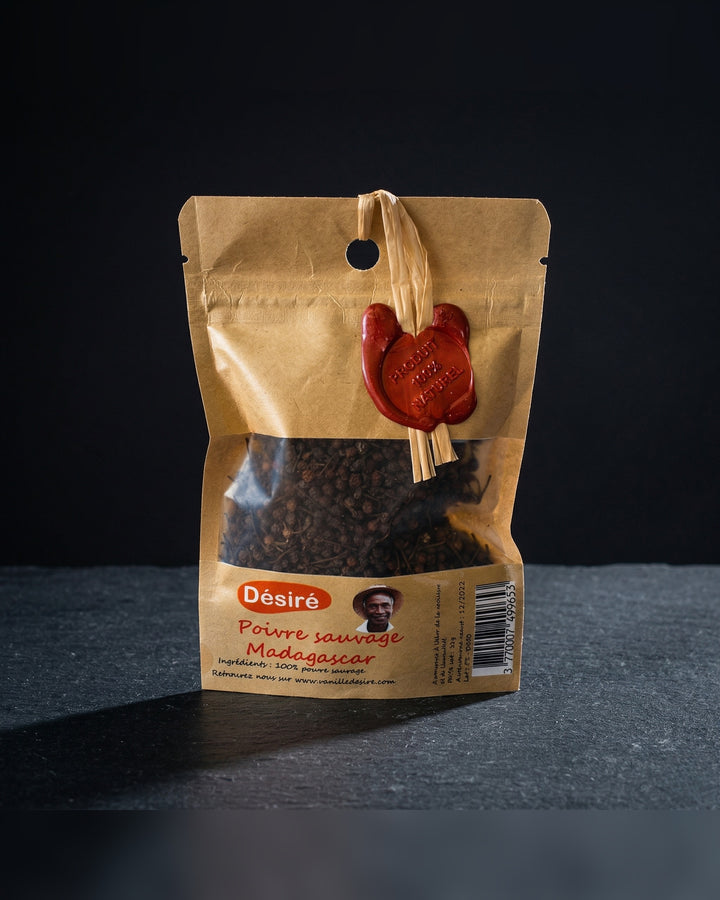
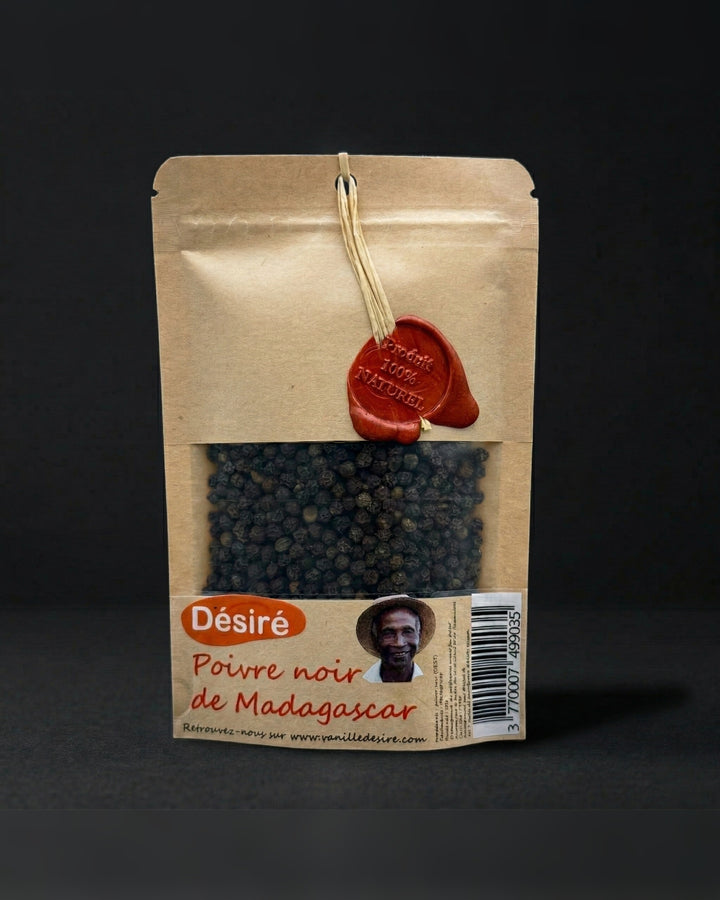
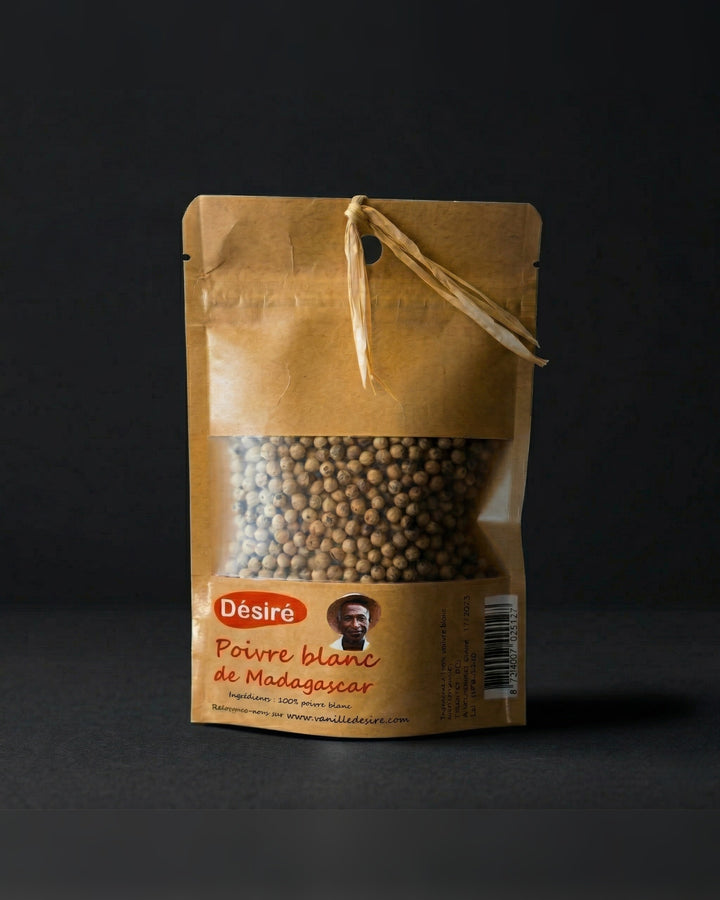
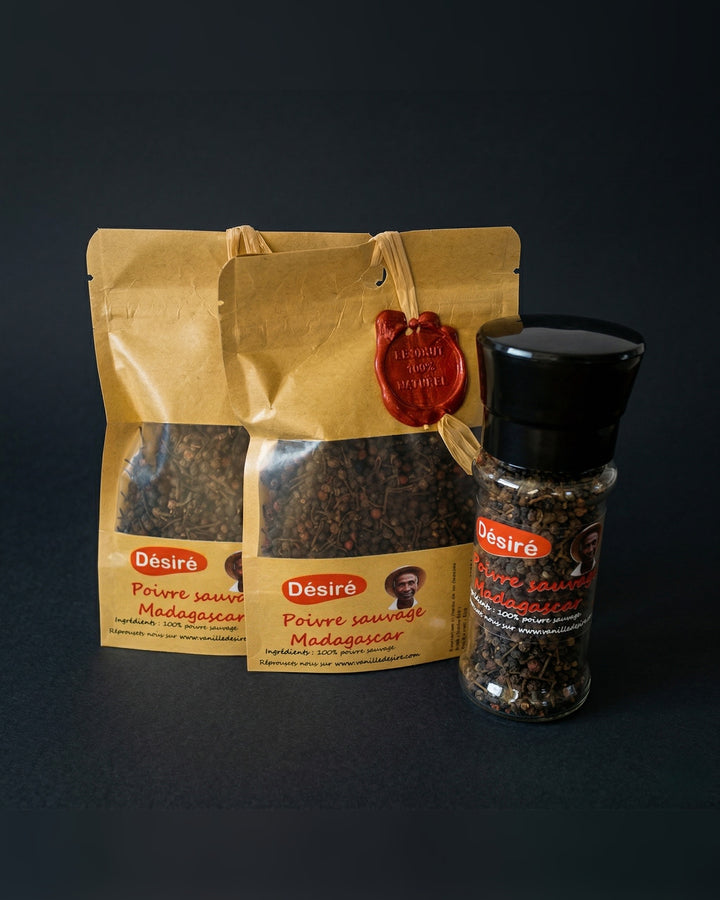
Vanille Désiré offers cinnamon, cloves and black pepper, three of the pillars of garam masala. Cumin, coriander and cardamom are not part of our range: these are common spices, found in shops, never Vanille Désiré products. A homemade version therefore combines our three spices with these three others, bought elsewhere.
Putting together your own homemade version
A simple base brings together, in shares adjusted by tasting:
- cinnamon, for its sweet, gentle warmth;
- cloves, powerful, to be used in a small amount;
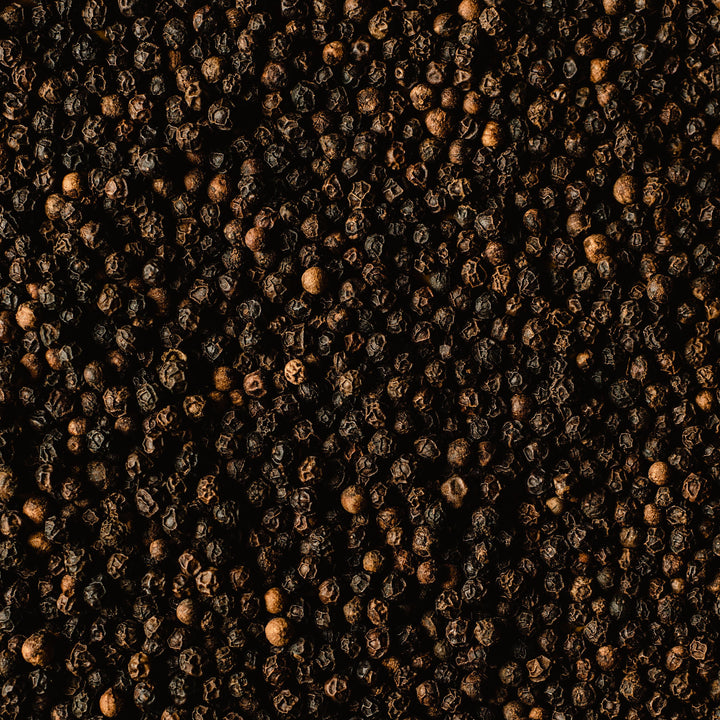
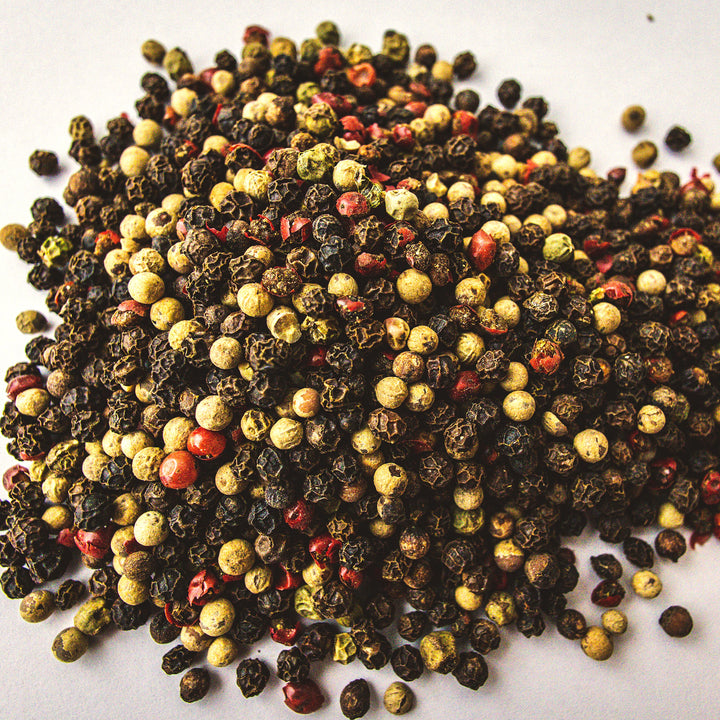
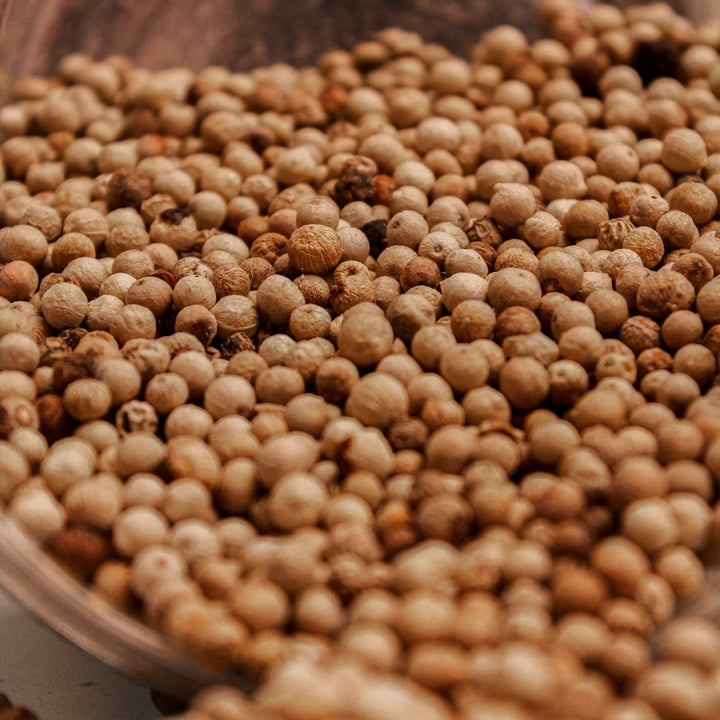
- black pepper, for the background heat;
- cumin and coriander, bought separately, for the earthy note that carries the whole;
- cardamom, bought separately, for a more floral note, if added.
The whole spices are toasted separately, as they do not all heat at the same speed, then brought together and ground as one.
Grinding it, by mortar or by mill
Once toasted, the spices are ground in a mortar or a dedicated spice mill. For the technique and the upkeep of a refillable mill, see refillable pepper mill: filling, adjusting, maintaining. To crush pepper rather than grind it fine, see mignonnette and cracked pepper: preparing and using.
A blend that varies by family
There is no single garam masala, recognised everywhere in the same way. In northern India, recipes readily add nutmeg or mace to the base of cinnamon, cloves and cardamom. In the south, curry leaves or a touch of chilli are sometimes found, for a spicier profile. A family often passes down its own proportions, adjusted over time through dishes and seasons, without one version being more correct than another.
How to use it in cooking
Garam masala flavours curries, stews, marinades, rice and lentils. It is added during cooking to infuse through the dish, or at the end of cooking for a more present flavour. Our own blend, Madagascar curry, follows a different recipe; the two blends do not replace one another, they are chosen depending on the dish. Garam masala is closer, in the logic of its composition, to French four-spice or Caribbean colombo: three blends that can be made at home, each with its own spices and its own proportions.
Storing your homemade blend
A ground blend loses its flavour faster than a whole spice. Preparing a small amount at a time, in a sealed jar, away from light and moisture, keeps a blend that still has flavour when you come to use it. See storing spices: jar, light, moisture.
Our spices for a homemade garam masala
Madagascar cinnamon, Madagascar cloves and Madagascar black pepper make up three of the pillars of a homemade garam masala. Our family grows this cinnamon, these cloves and this pepper in Vangaindrano, in south-east Madagascar.
Frequently asked questions
Does garam masala replace curry?
No. Garam masala and curry are two different blends, with distinct spices and proportions; they are chosen depending on the dish rather than one in place of the other.
Should spices always be toasted before grinding them?
The traditional recipe calls for it, as toasting changes the flavour of the blend. You can skip it, but the result will be less rounded.
How many spices go into a garam masala?
Recipes range from six or seven spices to a dozen, depending on the family or region preparing it; there is no single number.
Can a garam masala be made with only three spices?
Yes, a simplified blend of cinnamon, cloves and black pepper remains consistent; it will be less complex than a version with seven or eight spices, without being incorrect.
The Vanille Désiré team