Quick answer: Colombo is a spice blend born in the French Caribbean, close to curry but milder. It combines turmeric, coriander, cumin, fenugreek, mustard, chilli and pepper, often toasted before being ground. Vanille Désiré supplies the turmeric, pepper and pili-pili chilli; coriander, cumin, fenugreek and mustard remain common spices to find elsewhere.
Colombo flavours stews with poultry, pork, fish or vegetables, mostly in French Caribbean cooking. Its name and composition come from a story of migration. This article presents that origin, the classic composition, then a version that can be put together with Vanille Désiré's Madagascar spices and a few complementary spices.
Where colombo comes from
Colombo appeared in the French Caribbean, particularly in Martinique and Guadeloupe, after the abolition of slavery in 1848. Workers from India, who arrived in these islands afterwards, brought their spice blends and their cooking methods. Colombo took shape at the meeting of these Indian contributions and local Creole customs, a cooking blended between two traditions.
The classic composition
Colombo generally combines turmeric, coriander, cumin, fenugreek, mustard seeds, chilli and pepper, sometimes with garlic. Some recipes toast the rice before grinding it with the spices, to add body to the blend. Proportions vary from one household to another: a common composition gives a good share of turmeric for the colour, then toasted coriander and fenugreek, cumin, pepper and a touch of cloves in a smaller amount.
What our range allows, and what it does not cover
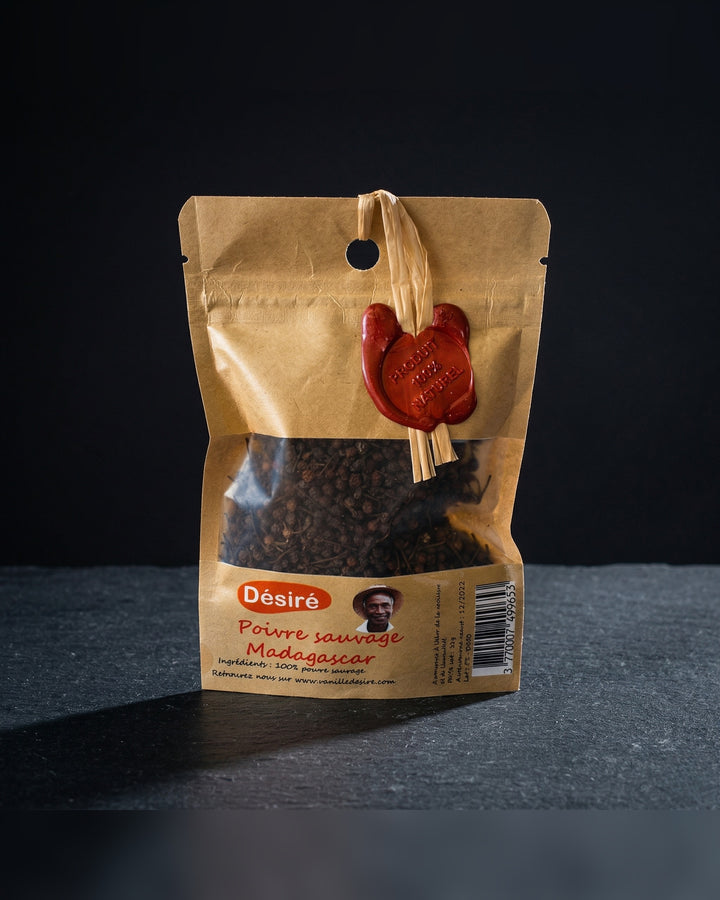
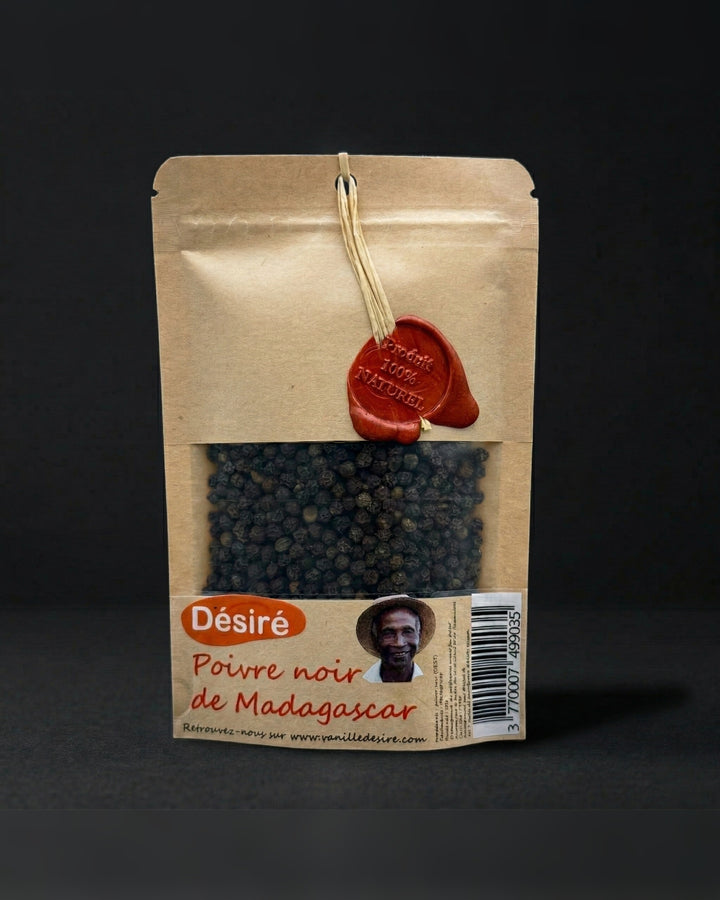
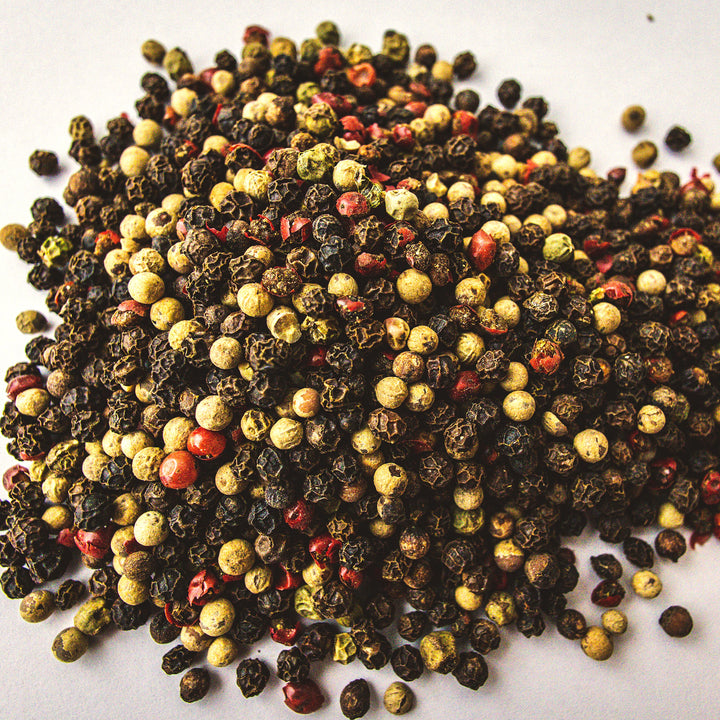
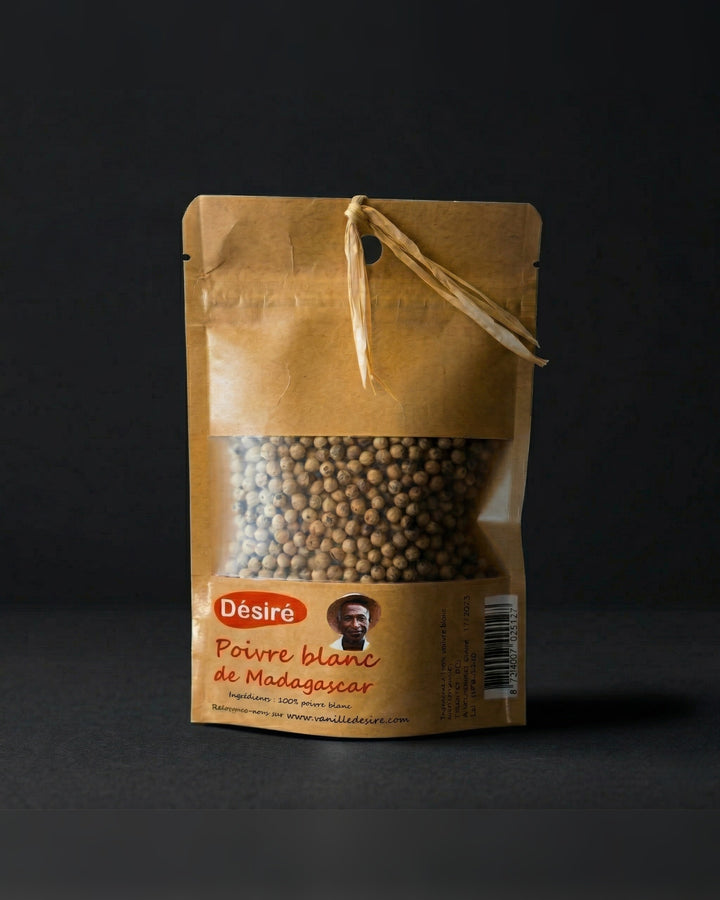
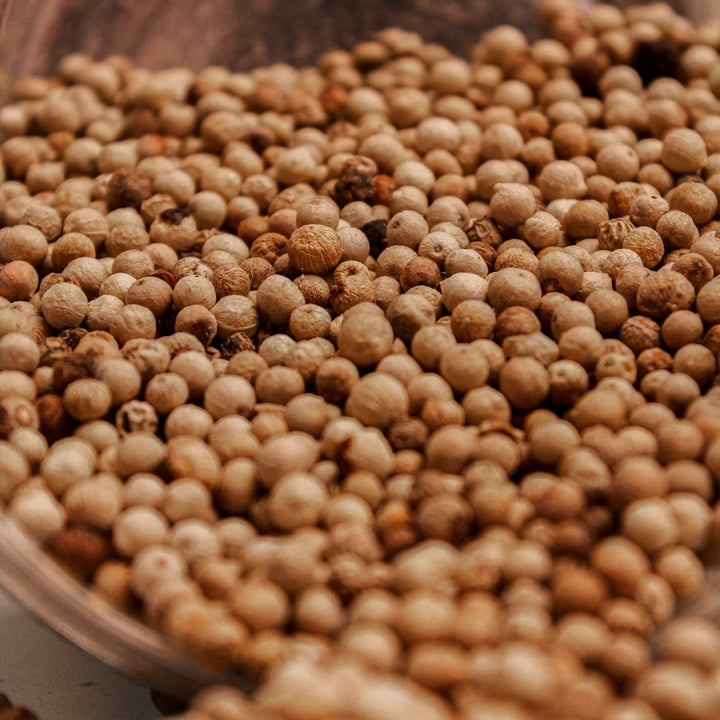
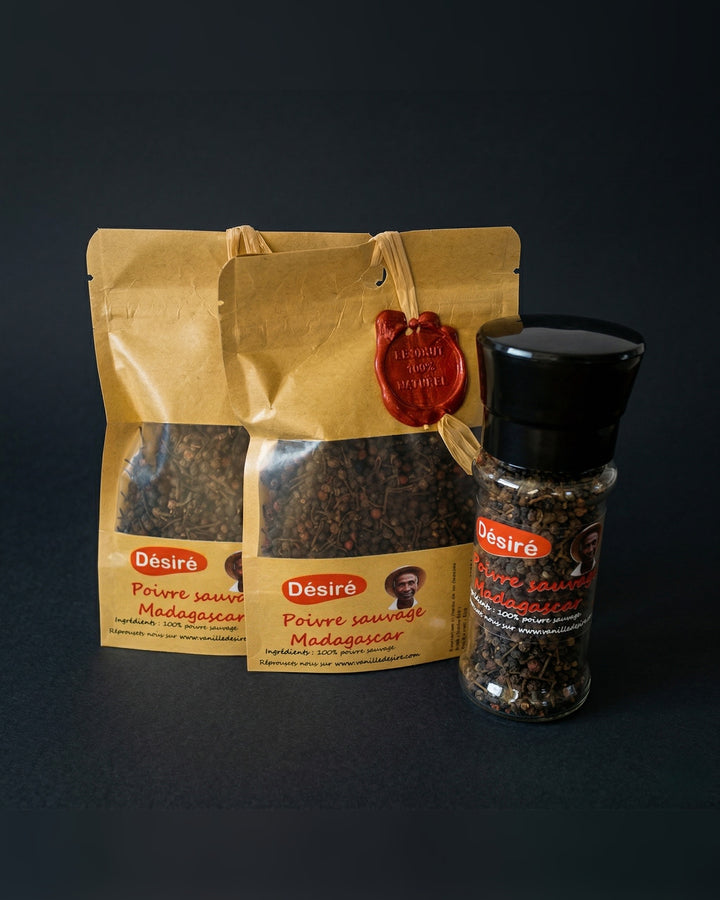
Vanille Désiré offers turmeric, pepper and pili-pili chilli, three spices that go into a colombo. Coriander, cumin, fenugreek and mustard are not part of our range: these are common spices, found in shops, never Vanille Désiré products. A homemade version therefore combines our spices with these complementary ones, bought elsewhere.
Putting together your own homemade version
A simple base brings together, in shares adjusted by tasting:
- turmeric, for the colour and the base;
- coriander and cumin, toasted and bought separately, for the earthy note that carries the blend;
- fenugreek, toasted and bought separately, for the slight bitterness specific to colombo;
- pepper, for the background heat;
- chilli, for the intensity, in a small amount to be adjusted.
The whole spices are toasted separately before being ground together, following the same logic as a homemade garam masala or four-spice blend.
Toasting before grinding
Coriander, cumin and fenugreek are dry toasted in a pan before being ground: this step changes their flavour and removes some of fenugreek's bitterness. See dry toasting whole spices: the technique and its pitfalls.
Toasted rice, a distinctive feature
Some colombo recipes add toasted rice to the blend, ground with the spices. This rice does not bring its own flavour, but a little body and thickness to the final powder, which then helps bind a sauce. This step remains optional: a homemade version without toasted rice is still a recognisable colombo, simply a little less thick once in a sauce.
Colombo and Madagascar curry: two different blends
Our Madagascar curry follows its own recipe, distinct from colombo. The two blends are alike in colour, given in both cases by turmeric, but not in their full composition: colombo is marked by toasted coriander and fenugreek, which are not found in our curry. It is better to think of them as two blends to choose between depending on the recipe, rather than as two variants of the same product.
Using your colombo
Colombo is used as a marinade for meat, fish or vegetables, before a slow cooked dish, often with coconut milk. For the spices to release more of their flavour before adding the liquid, see cooking spices in oil: curry, turmeric, ginger. To put together other blends from our spices, see also composing your own homemade spice blend.
Storing your homemade blend
A ground blend loses its flavour faster than a whole spice. Preparing a small amount at a time, in a sealed jar, away from light and moisture, keeps a blend that still has flavour when you come to use it. See storing spices: jar, light, moisture.
Our spices for a homemade colombo
Madagascar turmeric, Madagascar black pepper and Madagascar pili-pili chilli make up three of the bases of a homemade colombo. Our family grows this turmeric and this pepper in Vangaindrano, in south-east Madagascar, and prepares this chilli in the same region.
Frequently asked questions
Is colombo a curry?
It is close to one in colour and in the presence of turmeric, but it is not the same recipe: toasted coriander and fenugreek give it a different, milder profile.
Can colombo be made without fenugreek?
Yes, some simplified versions leave it out; the blend then loses the slight bitterness specific to colombo, without becoming inconsistent.
What is colombo cooked with?
Traditionally with poultry, pork, fish or vegetables, slow cooked, often with coconut milk.
Should spices be toasted before grinding them for a colombo?
The traditional recipe toasts coriander, cumin and fenugreek before grinding them; this step changes the blend's flavour and softens fenugreek's bitterness.
The Vanille Désiré team