Health benefits & uses
Quick answer:Madagascar spices and vanilla are studied for their digestive, antioxidant, anti inflammatory and invigorating properties. Used in the right amounts, they enrich the diet beyond simple taste pleasure. This article is informative and does not replace the advice of a healthcare professional.
The benefits of spiceshave been recognized since Antiquity and are increasingly documented by modern research. Here are the main points, spice by spice.
Vanilla: soothing and antioxidant
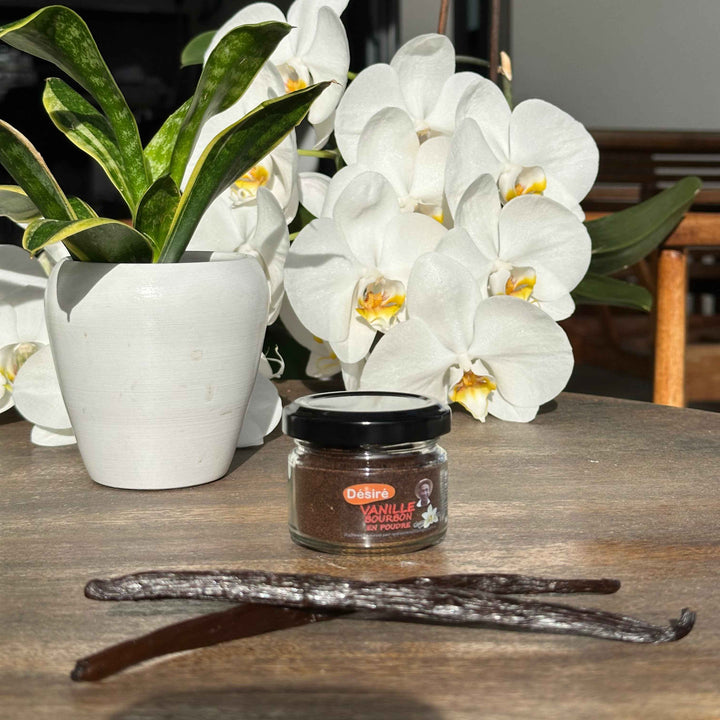
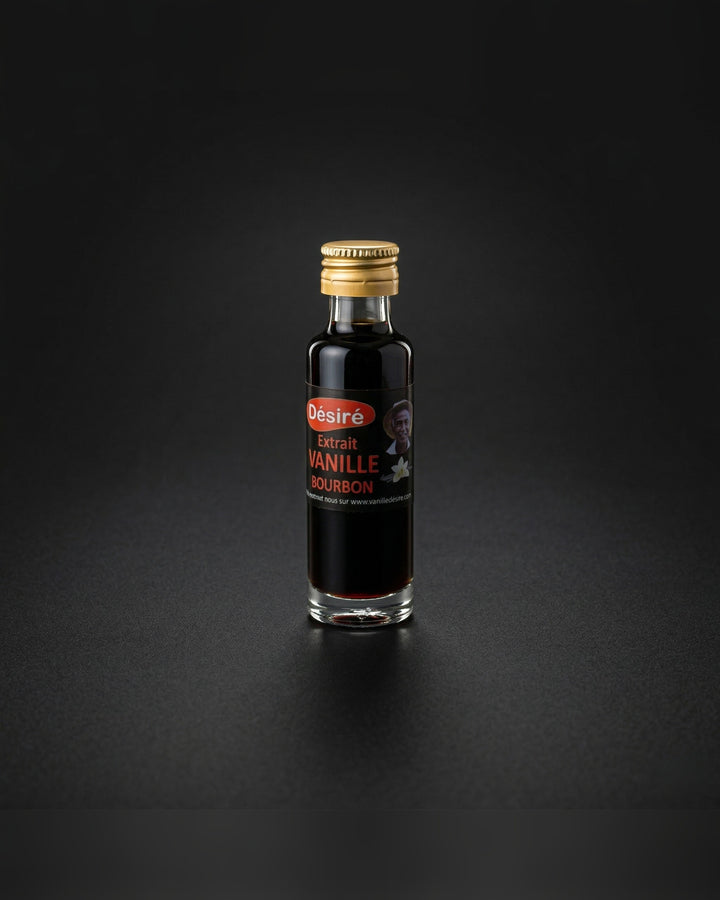
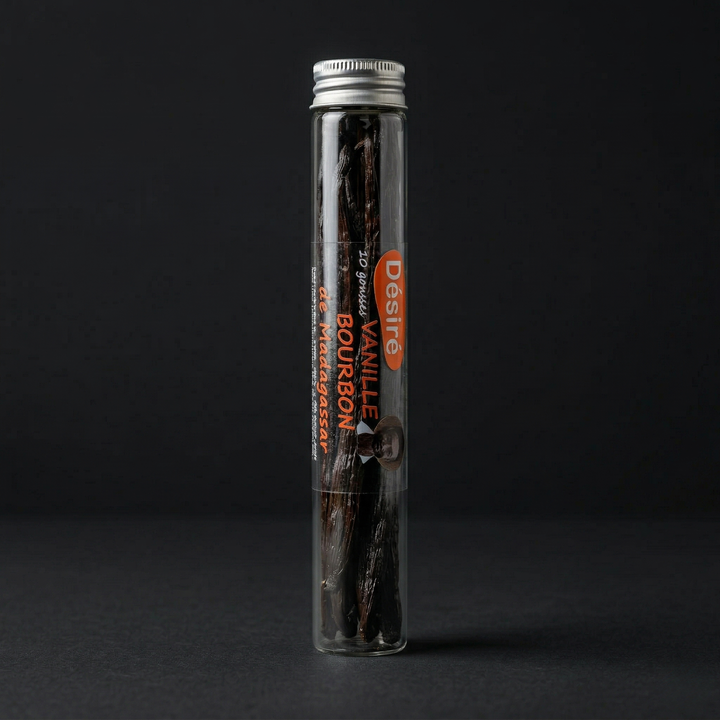
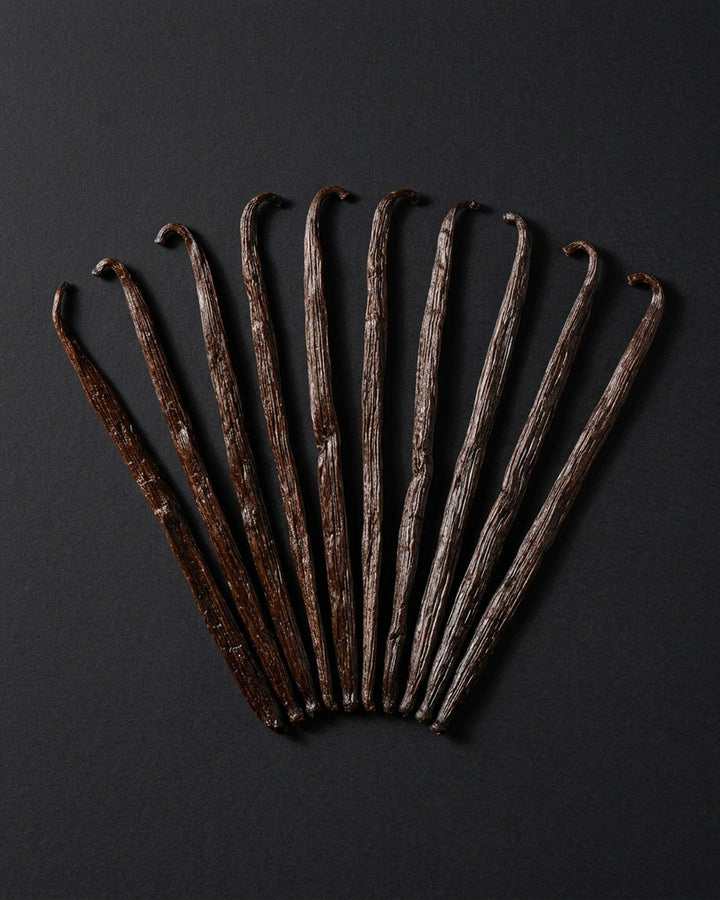
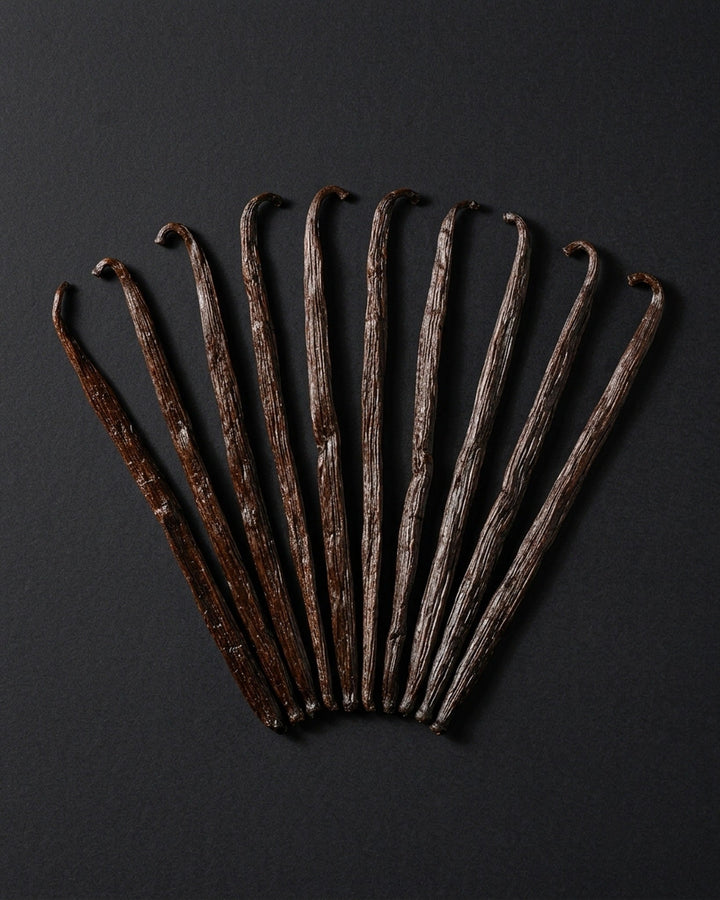
Vanillin, the main compound in vanilla, is studied for its antioxidant properties. Vanilla also has a traditionally recognized soothing effect, linked to its complex scent.
Turmeric: a recognized anti inflammatory
Curcumin is one of the most studied natural anti inflammatories. To optimize its absorption, pair turmeric with black pepper (piperine multiplies its bioavailability) and a source of fat.
Ginger: digestion and nausea
Ginger is traditionally used for digestive troubles and nausea (motion sickness, pregnancy related nausea, under medical advice). Its warming effect also makes it a helpful companion through seasonal transitions.
Cinnamon and blood sugar
Cinnamon is studied for its influence on blood sugar regulation. Ceylon cinnamon (our Madagascar cinnamon) is better suited to daily use than cassia cinnamon, as it contains less coumarin.
Clove: an oral antiseptic
Rich in eugenol, clove is a recognized antiseptic, traditionally used for dental pain. Chewing one or two buds can bring temporary relief.
Black pepper: piperine
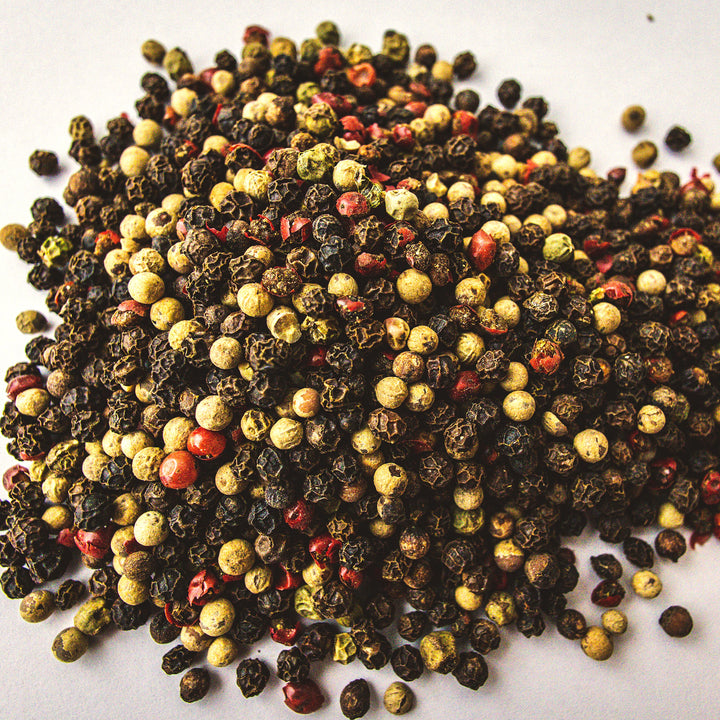
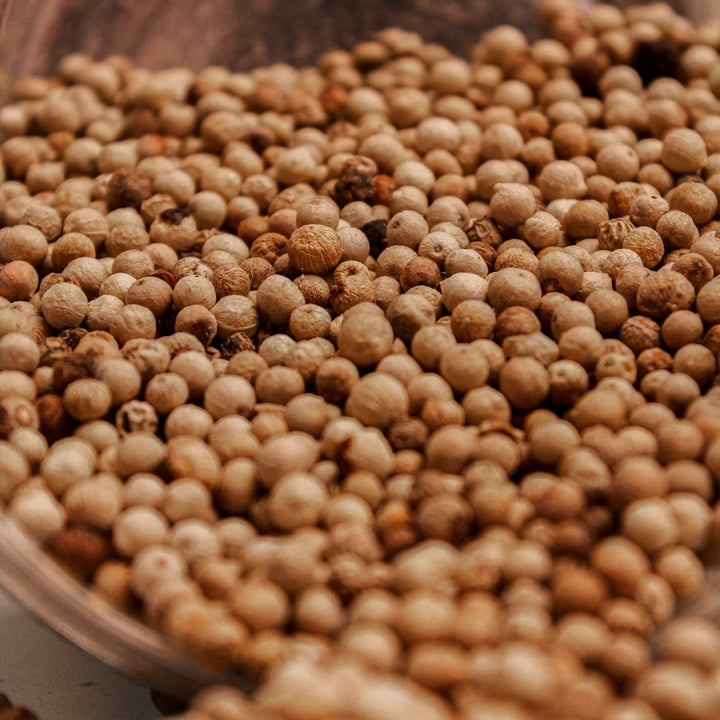
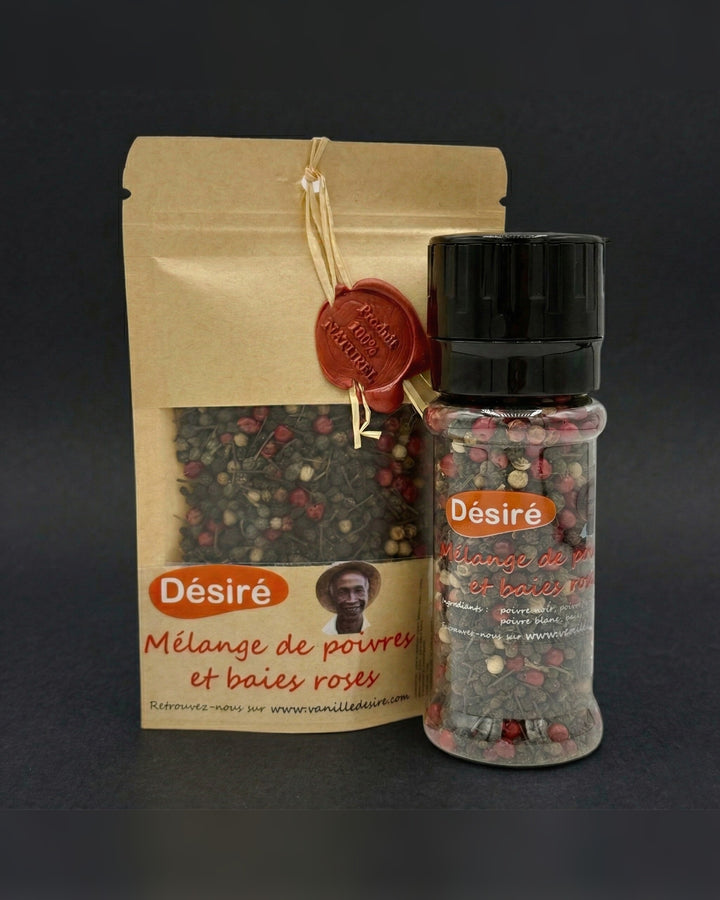
Beyond its taste, black pepper contains piperine, which improves the absorption of other active compounds (notably curcumin). This is why pepper is often paired with turmeric in health focused recipes.
Combava and chili: invigorating
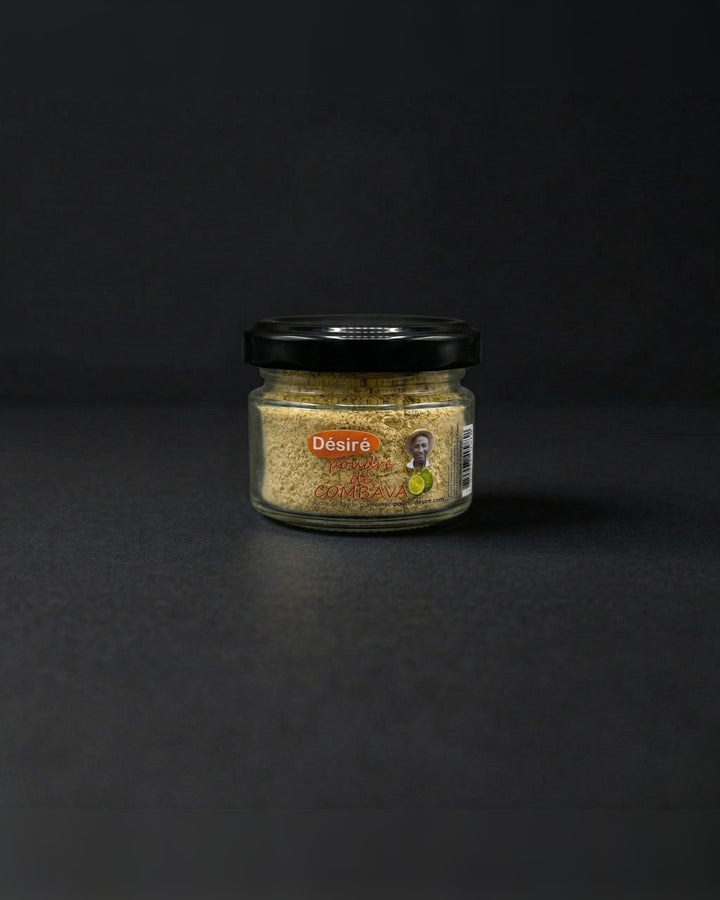
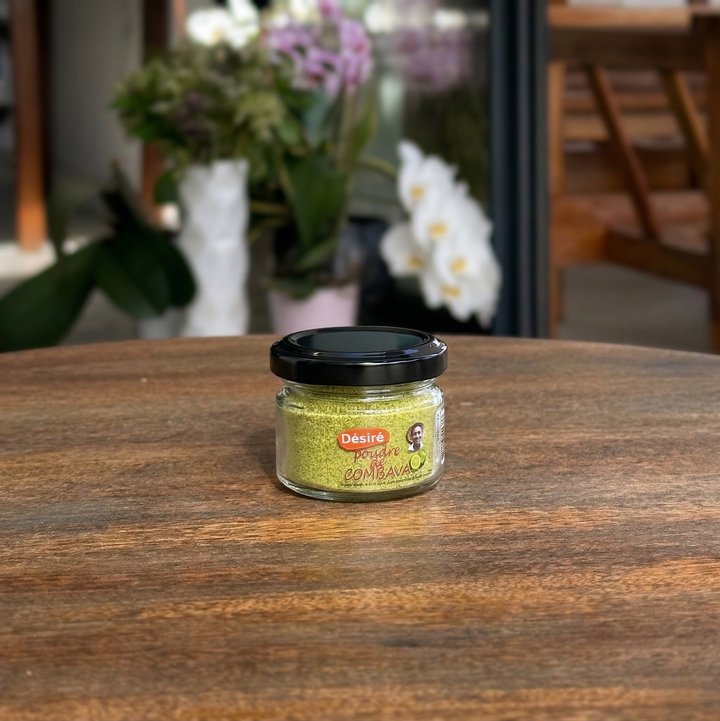
Combava and pili pili chili bring toning effects, stimulating circulation and appetite. Use them according to your tolerance.
General precautions
Spices remain powerful foods. Use in moderation during pregnancy, breastfeeding or with a chronic condition. Ask a professional before any therapeutic use. Essential oils follow even stricter rules, see our essential oils & plantspage.
Frequently asked questions
How much spice per day?There is no single figure. Count the equivalent of 1 to 2 teaspoons of different spices per day for a health benefit without excess.
Do spices replace medication?No. They provide support, they are not meant to replace medical treatment.
Which spice for which need?Turmeric for inflammation, ginger for digestion, cinnamon for blood sugar, ravintsara for immune support, clove for occasional oral care.
To learn more
Discover each spice in detail in our wiki, or browse our Madagascar spicesto get started.
See also: essential oils & plantsand know how & producers.