Quick answer: Cutting back on salt in a dish does not mean cutting back on flavour. Pepper, turmeric, curry, ginger, cinnamon or chilli each bring a different depth, especially when added at the right point in cooking, early to infuse or late to mark the palate.
Salt is not the only source of flavour in a dish. Spices give heat, bitterness, acidity or sharpness, and can take on part of the depth usually sought from salt. This page presents, from the point of view of taste and cooking, how to use Vanille Désiré's Madagascar spices to cook with less salt.
Salt is not the only source of flavour
A dish can lack depth for several reasons: not enough salt, but also not enough acidity, not enough fat, or not enough spice. Before adding salt out of habit, tasting and asking what is really missing often makes it possible to choose a spice instead, or alongside a smaller amount of salt.
Which spice for which dish
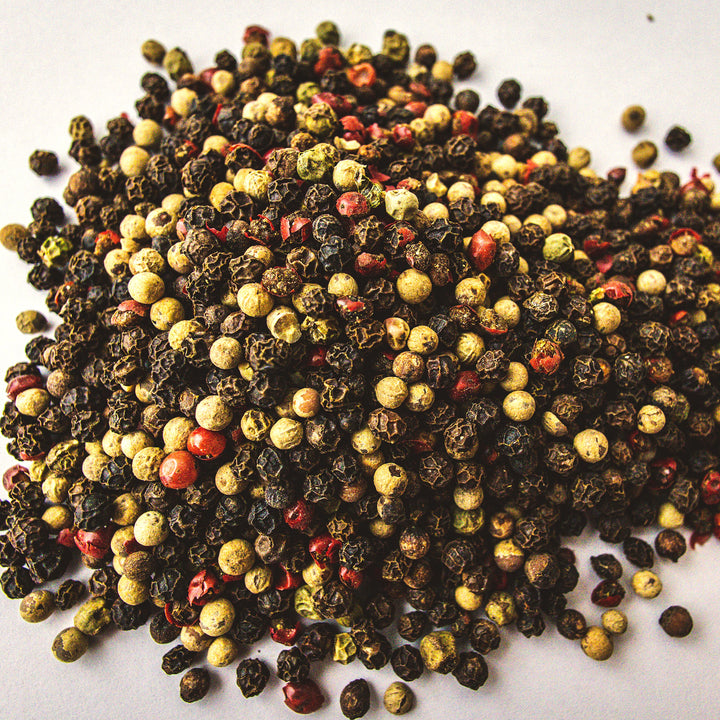
Pepper remains the simplest spice to use: it suits meat, fish, vegetables and even, in small amounts, some desserts. Turmeric and curry bring a background warmth that carries a stew or a soup well. Ginger marks a marinade, a stock or a savoury spread. Cinnamon, more unexpected in savoury cooking, lifts a vegetable stew or a sauce for meat. Chilli, in a small amount, intensifies a whole dish without needing salt to bring it out.
When to add the spice
The moment matters as much as the spice chosen. A background spice, added at the start of cooking, infuses through the dish and flavours the whole preparation; a finishing spice, added at the end of cooking or at the table, marks the palate more on first contact. See spices and stews: when to add them and when to pepper: before cooking, at the end of cooking or at the table.
Cooking spices for more flavour
Cooking a spice briefly in a little fat, before adding the rest of the ingredients, changes its flavour and makes it more present in the finished dish. This step helps get more depth with less salt, as the spice's flavour spreads better through the preparation. See cooking spices in oil: curry, turmeric, ginger.
Dry rubs and marinades, another approach
A dry spice blend, rubbed onto meat or fish before cooking, adds depth without extra salt. See spices for grilling: dry rubs and marinades, and to put together your own blend, composing your own homemade spice blend.
A simple example
In a sauce or a stock, replacing part of the planned salt with a pinch of turmeric or ginger changes the profile of the dish without making it poorer: the palate picks up a warmth and a flavour that take up some of the place salt would have held. The result does not taste the same as a saltier dish, but it keeps its depth.
Herbs and aromatics, as a complement
Fresh or dried herbs, garlic, onion, shallot, or a touch of vinegar or lemon, go well with the work of spices: each acts in its own way, through flavour, sharpness or acidity, and the combination of the three gives a dish that keeps its depth with less salt. A fresh herb is best kept for the end of cooking, as it quickly loses its flavour if cooked too long; a background spice, on the other hand, copes with longer cooking.
Taste before adding more salt
The most useful reflex remains tasting before adding salt, and asking what the dish is really missing. A bland sauce sometimes lacks less salt than acidity or spice; adding salt in that case fixes nothing, while a pinch of pepper, turmeric or ginger, or a dash of lemon, can be enough. Flavour is also found by adjusting gradually, dish after dish, rather than removing all the salt at once: the palate gets used to a less salty dish when the change happens little by little, with spices taking over the depth salt used to provide.
Our spices for cooking with less salt
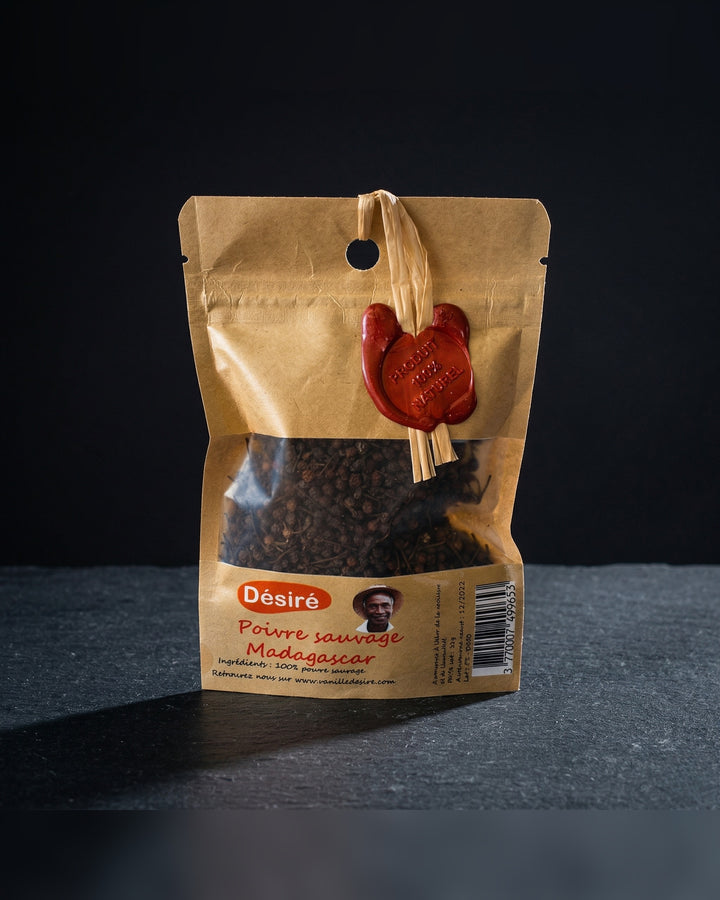
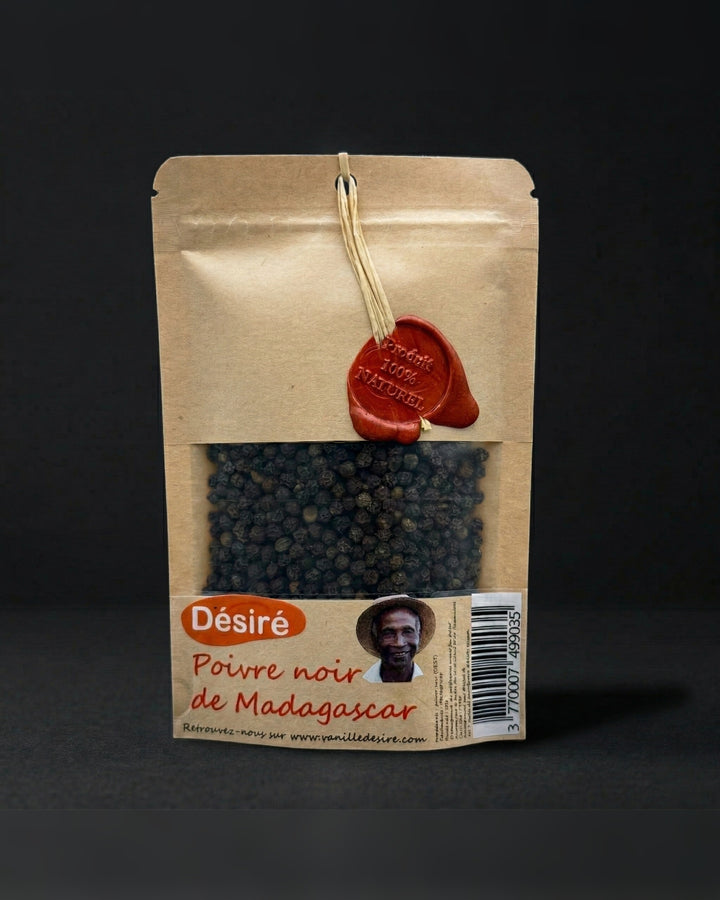
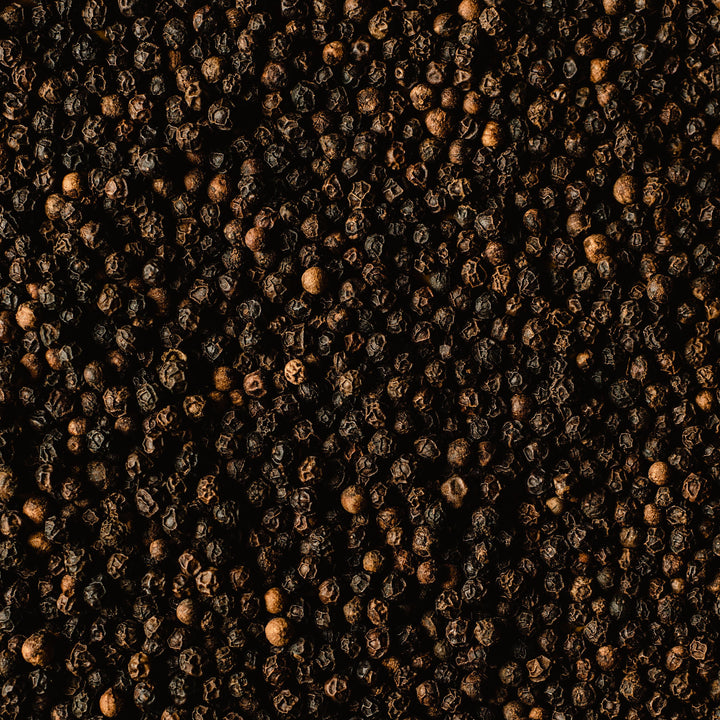
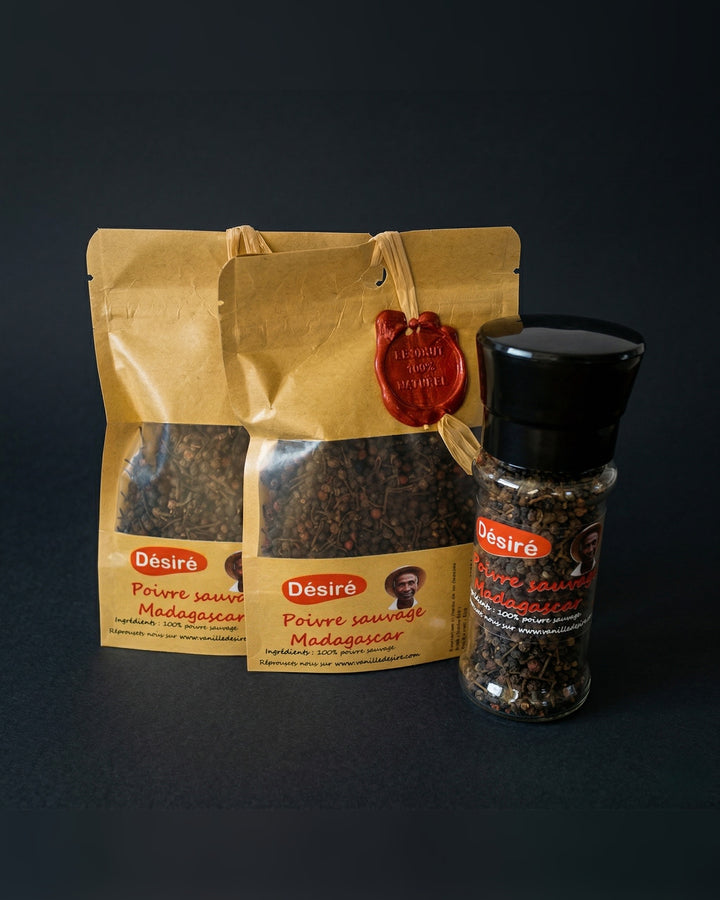
Madagascar black pepper, Madagascar turmeric, Madagascar curry, Madagascar ginger and Madagascar pili-pili chilli each give a dish a different depth. Our family grows and prepares this pepper, this turmeric, this curry, this ginger and this chilli in Vangaindrano, in south-east Madagascar.
Frequently asked questions
Which spice best replaces salt in a stew?
There is no single spice that replaces salt on its own, but turmeric or curry bring a background warmth that carries a stew well and gives depth with less salt.
Should the spice be added at the same time as the salt?
Not necessarily: a background spice goes in early in cooking to infuse, while salt is often adjusted later, by tasting as you go.
Can chilli replace part of the salt?
In a small amount, chilli intensifies the overall taste of a dish and can help you need less salt, without directly replacing it.
Can several spices be used together for less salt?
Yes, combining for example a pepper, a background spice like turmeric and a touch of chilli gives several different kinds of depth in the same dish.
The Vanille Désiré team