Quick answer: A dry rub is a mix of dry spices and herbs rubbed directly onto meat or fish, with no liquid: it forms a flavourful crust during cooking and needs far less resting time than a liquid marinade. A simple base combines a pepper, pili-pili chilli and a curry blend.
Before lighting the fire, a dry rub applied to meat or fish builds a flavourful crust from the very first minutes of cooking. This page explains what sets it apart from a liquid marinade, and how to put one together with spices from Madagascar.
Dry Rub or Liquid Marinade
A liquid marinade combines an acid (lemon juice, vinegar), a fat and aromatics: it tenderises the meat deep down, but needs several hours, sometimes a whole night. A dry rub, on the other hand, is made only of dry spices and herbs, rubbed directly onto the meat or fish. It does not tenderise the meat deep down, but clings to the surface and forms, during cooking, an aromatic, crisp crust. It also needs far less resting time: a few minutes are enough, even though it gains flavour after a longer rest in the fridge.
What Goes Into a Dry Rub
A simple base relies on three families of spices: a pepper for background warmth, a chilli for bite, and a spice blend for roundness and colour. Salt and a little sugar are sometimes added, which helps the crust caramelise during cooking.
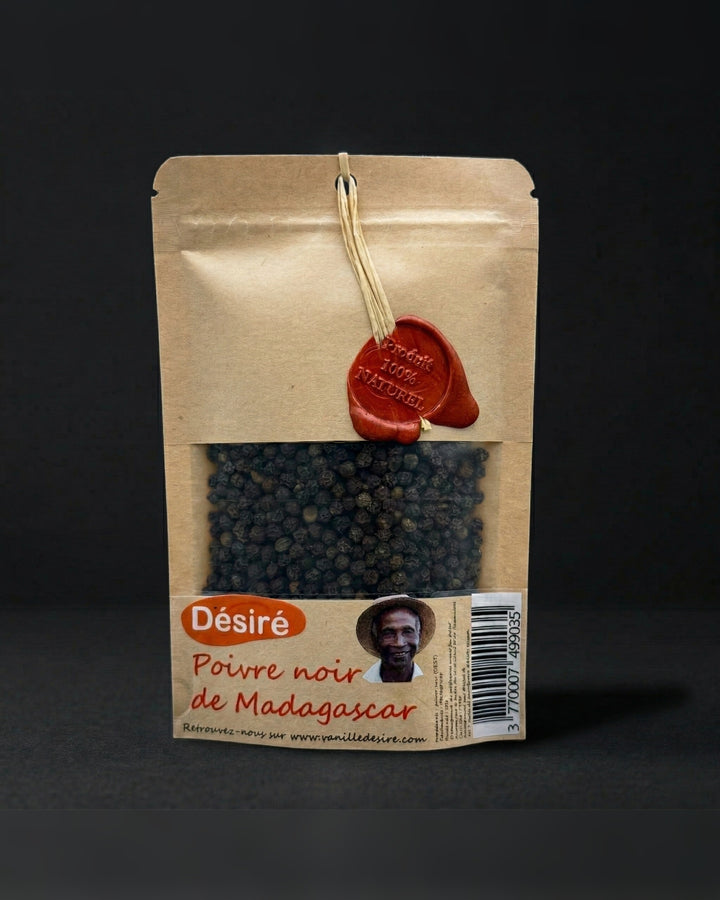
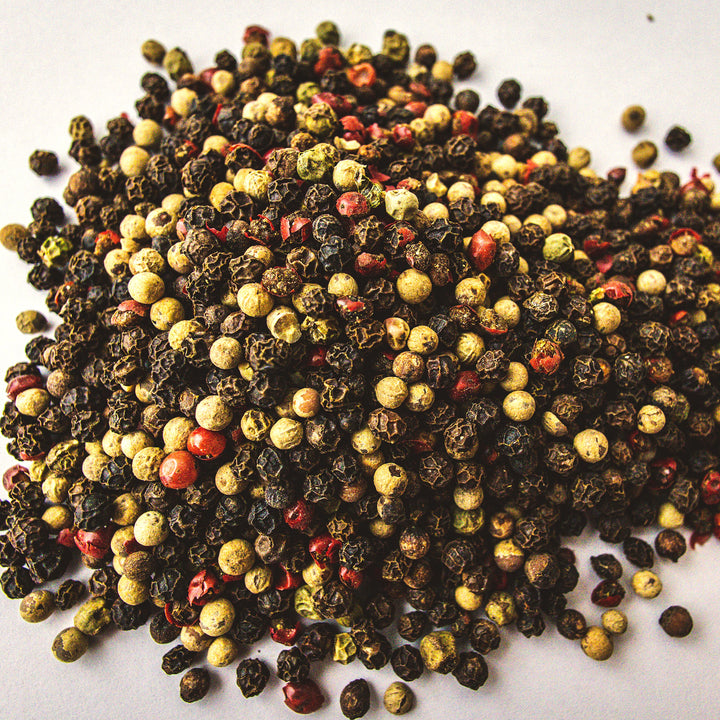
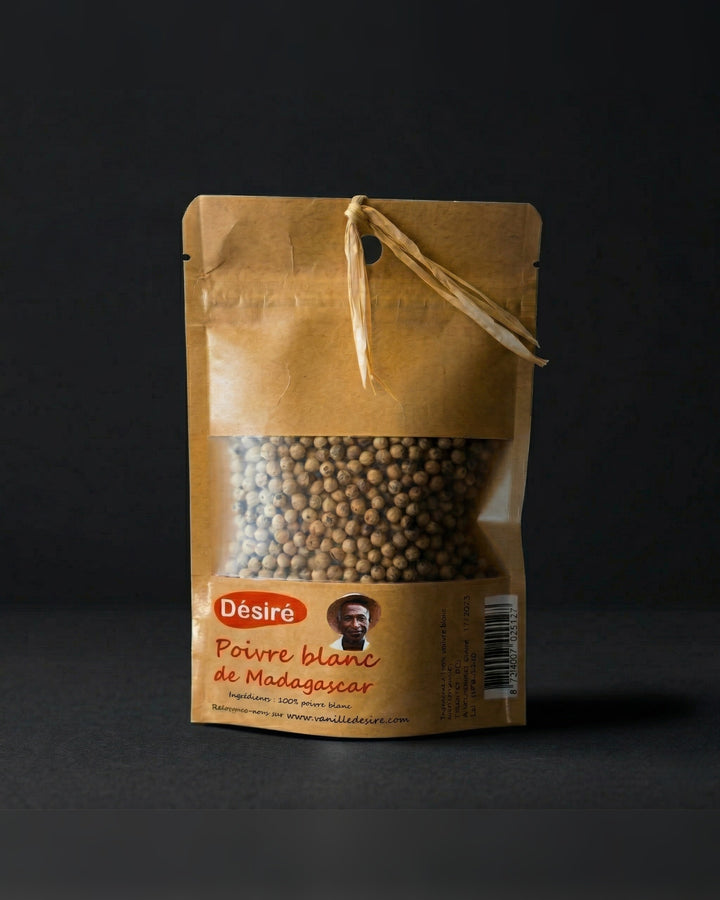
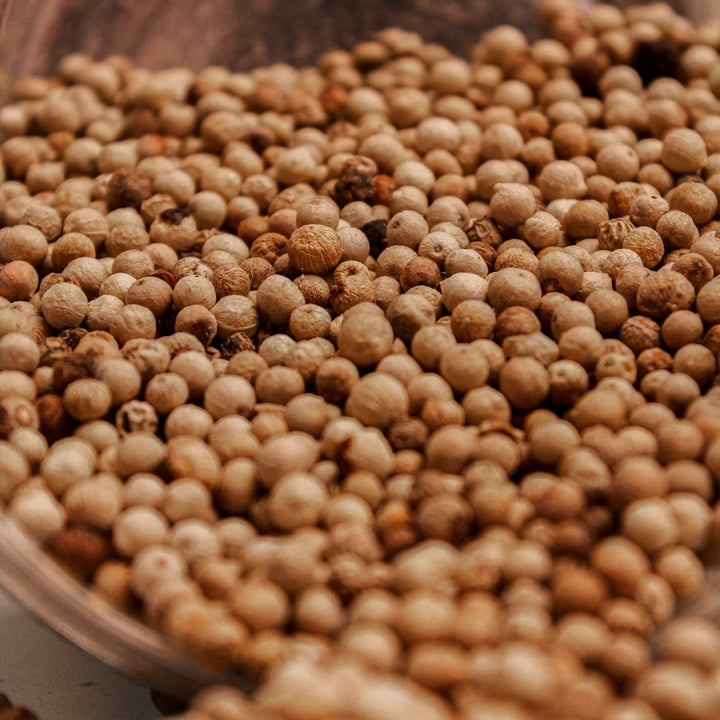
- Pepper: ground or crushed just before rubbing the meat, to keep its flavour.
- Pili-pili chilli: in a small amount, for a sharp heat without masking everything else.
- Curry: for colour and a spiced roundness, especially on poultry or fish.
How to Apply It
Pat the surface of the meat or fish dry with paper towel, then rub the spice mix in by hand, pressing it on so it sticks. Leave to rest for at least a few minutes at room temperature, or longer in the fridge if time allows, then grill without wiping the surface: it is what forms the crust.
How Is This Different From Toasting Spices in Oil
A dry rub is used raw, before cooking over direct heat, on a grill or a griddle. This follows a different logic from toasting spices in fat before adding a liquid, for a stew or a sauce: see our page on toasting spices in oil for this second method.
A Few Combinations
- Black pepper and pili-pili, for grilled red meat;
- Curry and white pepper, for poultry or fish;
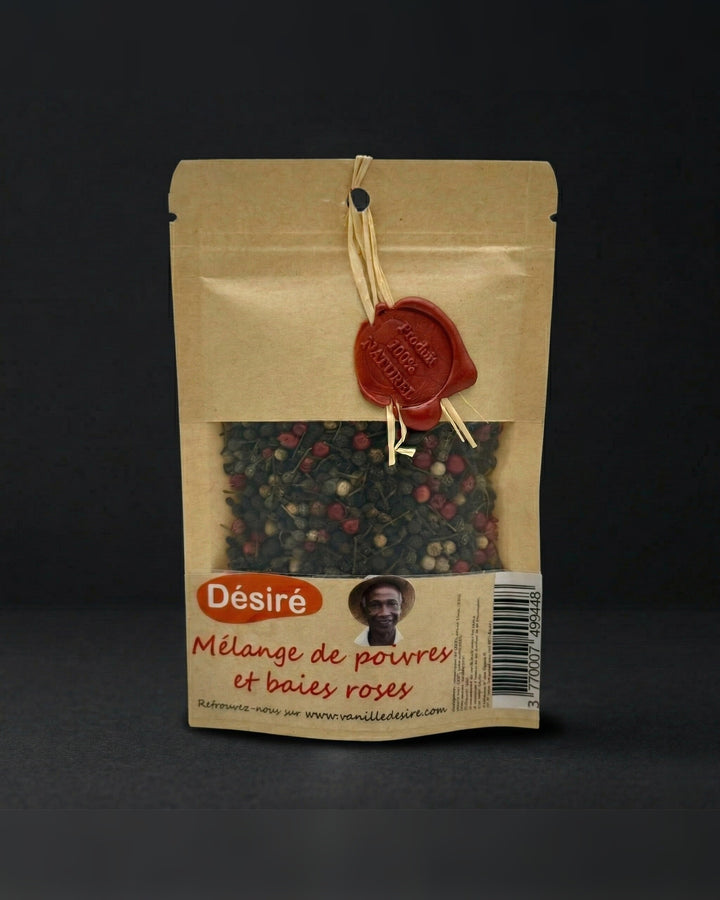
- A blend of peppers and pink peppercorns, for a milder rub, as a finishing touch after cooking.
Mistakes to Avoid
- Rubbing damp meat: the spices slide off instead of sticking.
- Using too much chilli: it takes over from everything else.
- Grilling over too high a heat from the start: the crust burns before the inside cooks through.
Summary in a Few Lines
- Dry rub: dry spices and herbs rubbed onto the meat, with no liquid.
- Forms a crust during cooking, needs less time than a liquid marinade.
- Pepper, pili-pili and curry form a simple base.
Frequently Asked Questions
What is the difference between a dry rub and a liquid marinade?
A liquid marinade combines an acid, a fat and aromatics, and tenderises the meat deep down over several hours; a dry rub is made only of dry spices and herbs, rubbed onto the surface, and forms a crust during cooking without tenderising deep down.
How long should you leave a dry rub to rest?
A few minutes at room temperature are enough, even though it gains flavour after a longer rest in the fridge.
Which spices make up a basic dry rub?
A pepper for background warmth, pili-pili chilli for bite, and a curry blend for roundness and colour, sometimes with salt and a little sugar.
Why don't spices always stick to the meat?
Because the surface is damp: you need to pat the meat or fish dry with paper towel before rubbing in the spice mix.
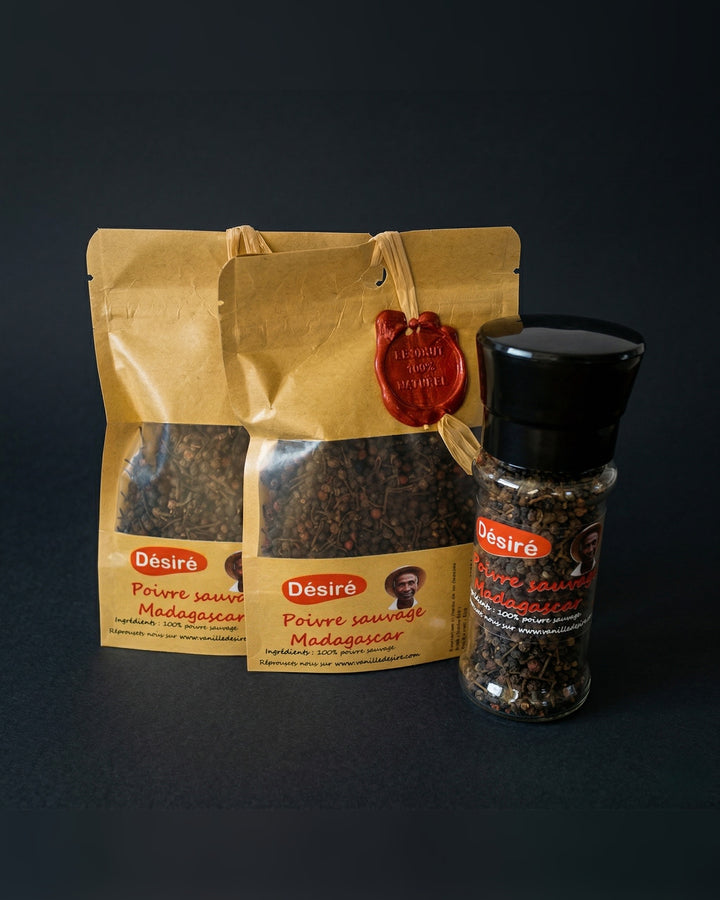
Our Spices for a Dry Rub
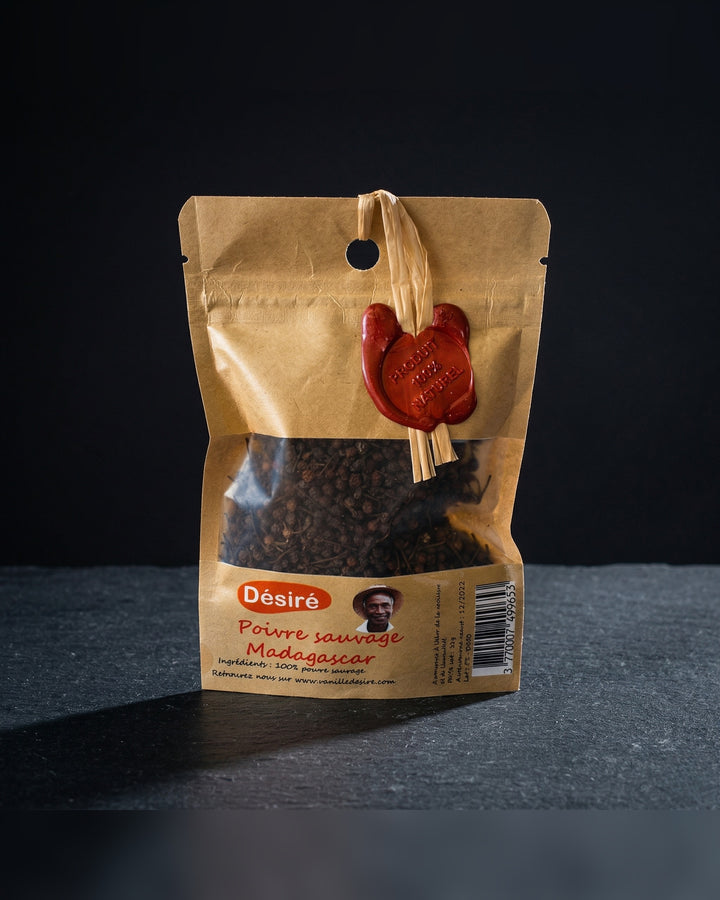
Our family grows these spices in Vangaindrano, in south-eastern Madagascar. We harvest and prepare them ourselves, with no middleman.
The Vanille Désiré team