Quick answer: For artisan ice cream, choose supple, fragrant pods, split them and scrape the seeds, then let them infuse in hot milk or cream. A resting time in the cold, sometimes overnight, then improves the aroma before churning; this step is called maturation.
For artisan ice cream, choose supple, fragrant pods, split them, scrape the seeds, then let the vanilla infuse in hot milk or cream, before the base rests in the cold. The moment of infusion matters as much as the choice of pods: a base that has time to absorb takes on a rounder fragrance. This page is for ice-cream makers, restaurateurs and pastry chefs who make their own ice cream.
Which pods for an ice cream
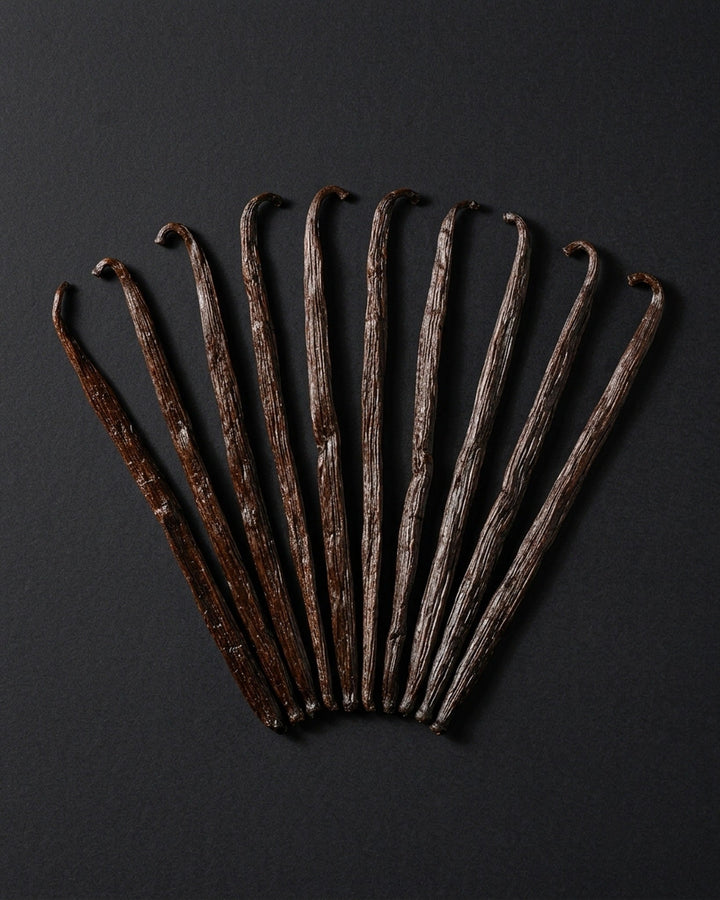
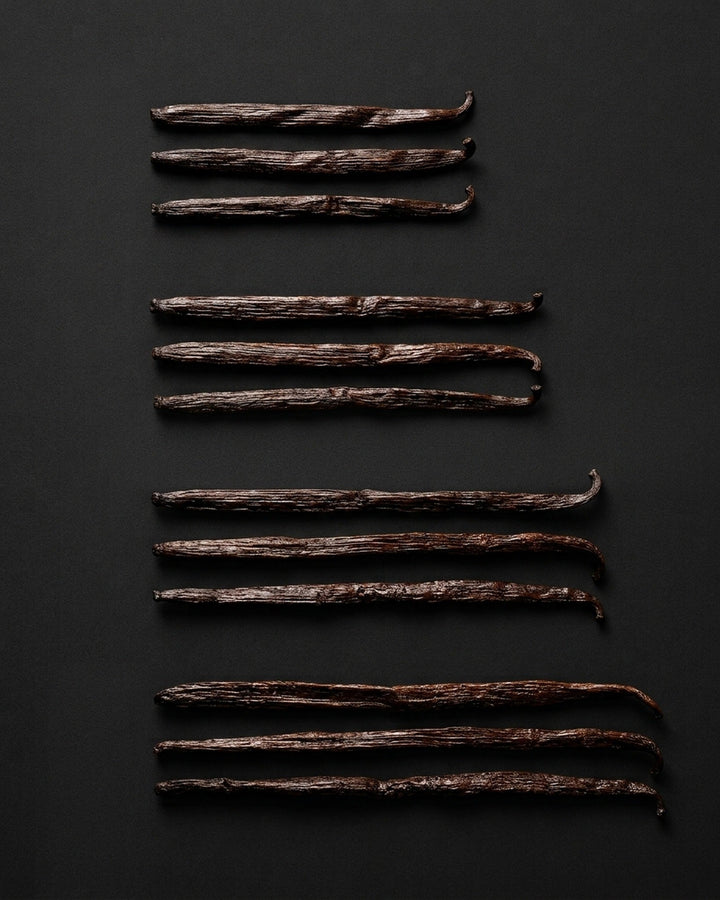
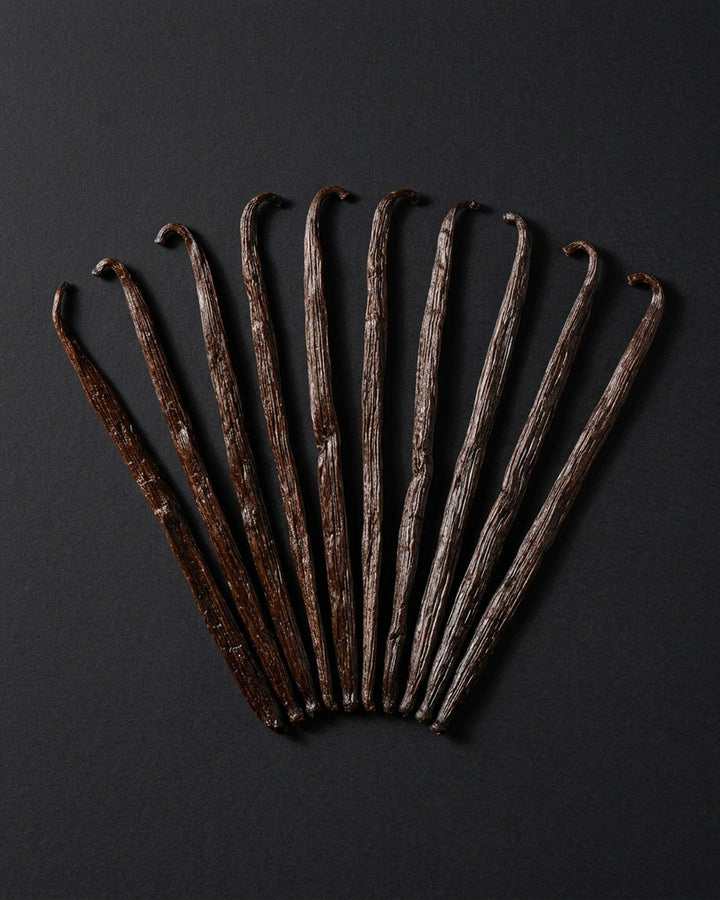
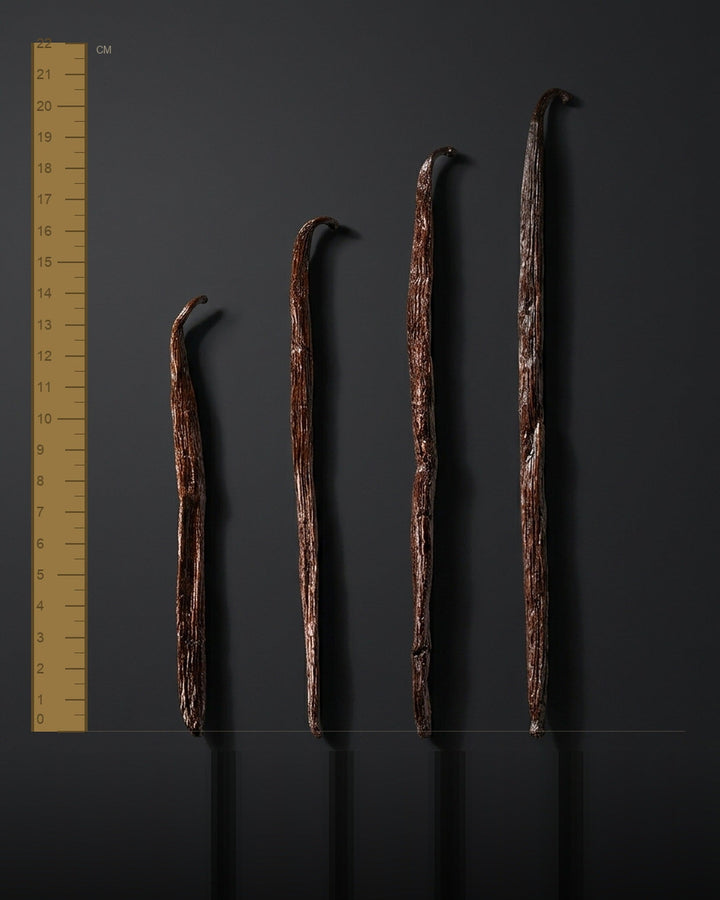
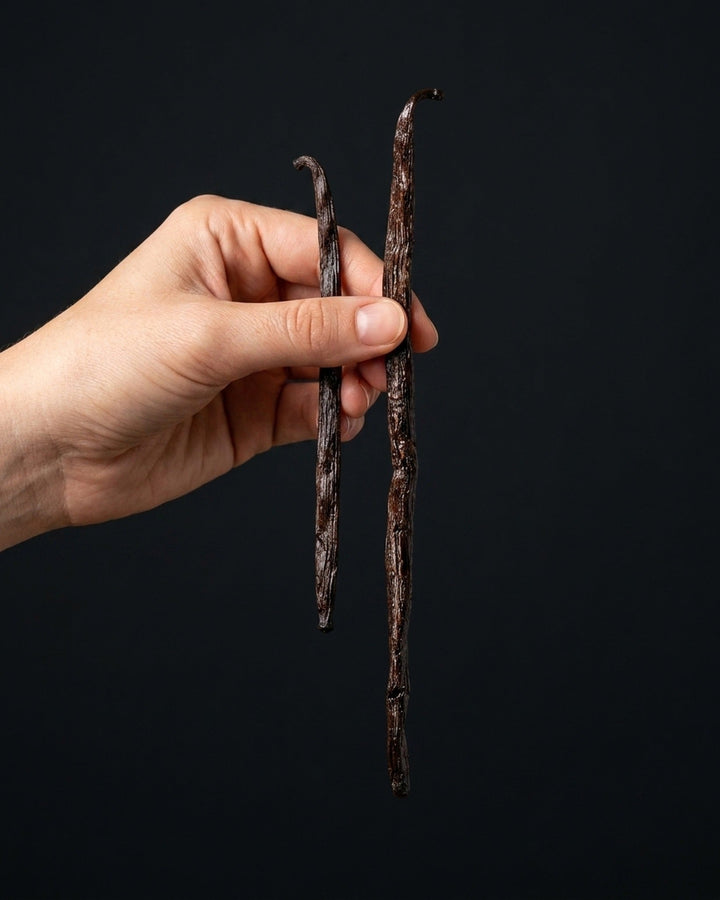
For an infusion, the beauty of the pod matters little. What matters is that it's supple, damp to the touch, and smells clearly of vanilla. A dry, brittle pod gives little fragrance. Our page on vanilla grades explains the differences in presentation, and our page on faults to spot helps with checking on receipt.
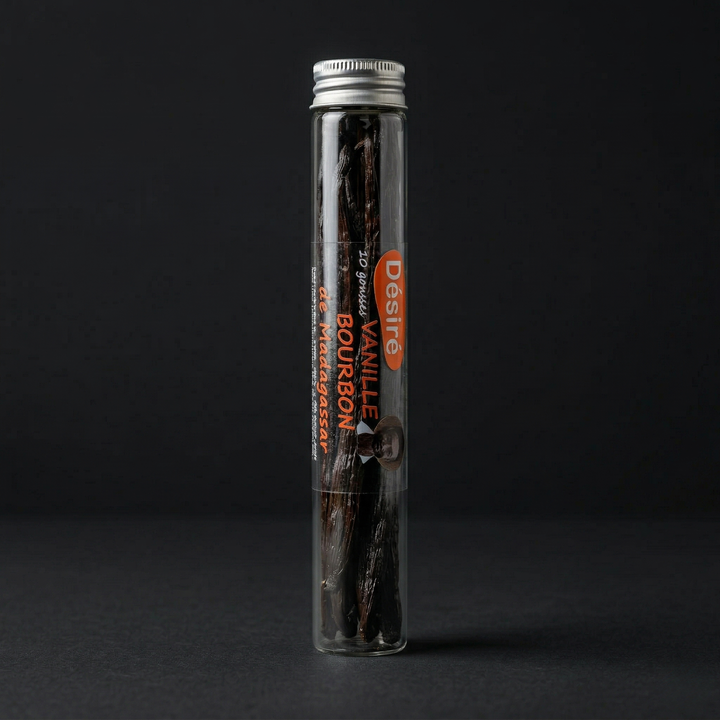
Our family grows and prepares this vanilla in Madagascar, in the SAVA region, in the north-east of the island. For ice cream, you can use whole pods, which you split yourself, or pods already prepared in bulk. The page vanilla in professional pastry covers sizes and volumes more generally.
The gesture: split, scrape, infuse
- Split the pod lengthwise with the tip of a knife.
- Scrape the seeds with the back of the blade.
- Put the seeds and the pod into the milk, sometimes with the cream and the sugar, heating gently.
- Turn off the heat when the base simmers, cover, and let it infuse.
Scraping releases the seeds, which give the small black flecks you see in the ice cream. The pod, meanwhile, keeps flavouring during the infusion. Keeping both in the base is the usual method.
The moment of infusion: hot, then resting
In vanilla ice cream recipes, you find the same sequence: infuse the vanilla in the hot milk, let it cool, then the preparation rests in the fridge before being churned. Several recipes leave the base to rest overnight, and note that this rest improves the vanilla's aroma. Professionals know it as maturation.
- Hot: the infusion quickly releases the fragrance into the liquid.
- Resting, in the cold: the base absorbs it, the aromas round out.
- Before churning: strain to remove the pods, or keep them if you want clearly visible flecks and a stronger fragrance.
If you make an egg-custard base, that is, with egg yolks, the vanilla infuses in the liquid before the yolks are added. For details on this base, see our page on vanilla custard.
Pod, caviar or powder in ice-cream making
Depending on your product, you won't use the same form of vanilla.
- Split pod: fragrance, visible flecks, infusion to plan for.
- Vanilla caviar: the seeds alone, handy for flavouring without infusing. Our page on vanilla caviar compares it with powder and extract.
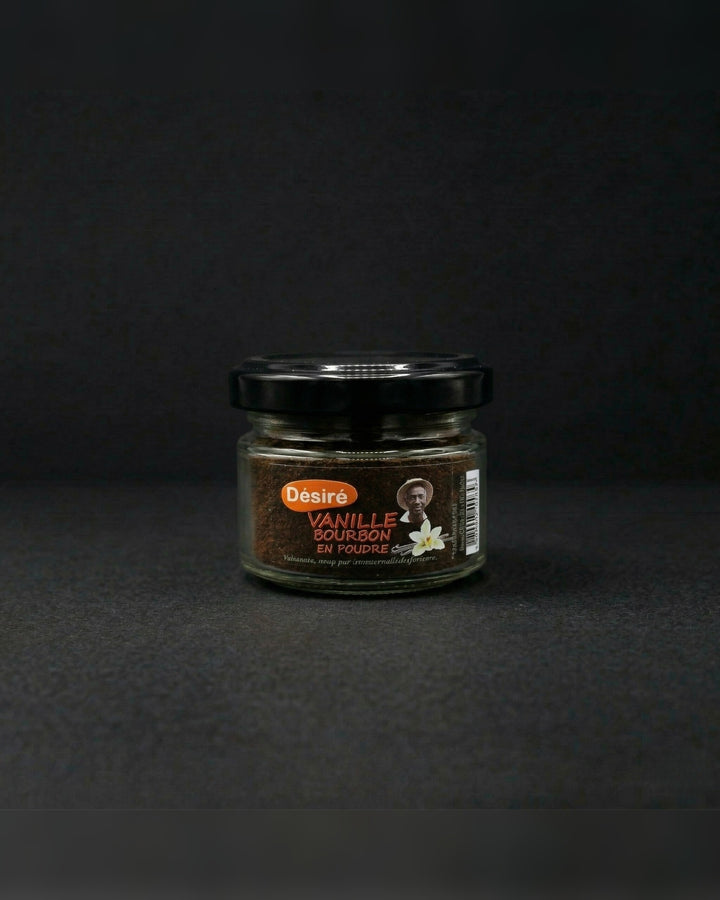
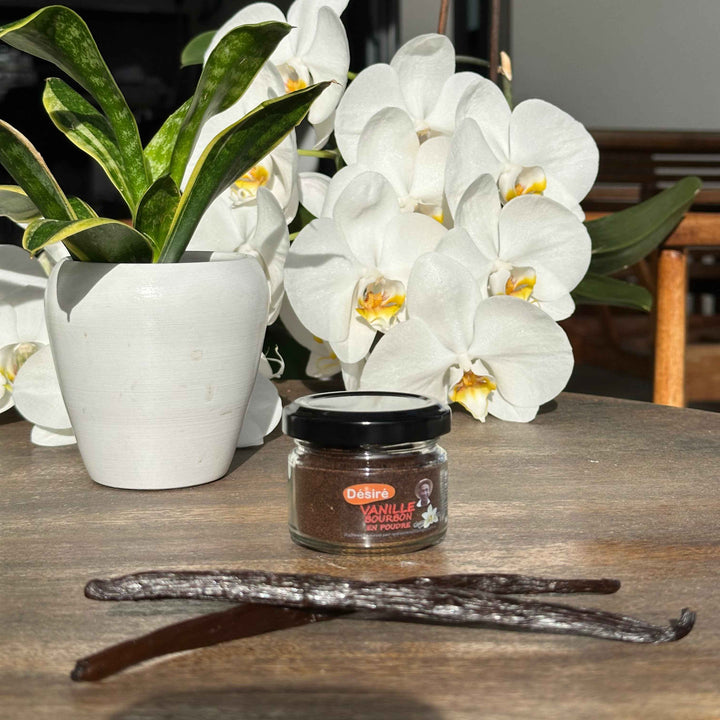
- Vanilla powder: disperses into the sugar, with no trace of flecks.
Tasting and adjusting before churning
Before putting the base through the ice-cream machine, taste it once cold. If the fragrance seems faint, leave the pod in the base a little longer rather than adding vanilla at the last moment. If the seeds settle at the bottom, stir the base before pouring it into the machine. Note what you did: type of pod, resting time, result. From one batch to the next, these notes let you find the same taste again.
Common mistakes
- Using a dry pod, which gives little fragrance, hoping to make up for it with quantity.
- Boiling the pod in the milk for a long time: turn off the heat and let it infuse instead.
- Forgetting to strain, leaving pieces of pod in the ice cream.
- Churning a base that's still warm, without a resting time in the cold.
Reusing the pods after the ice cream
A pod that has infused in a milky base still holds a little fragrance. Rinse it, let it dry completely, then store it in a jar of sugar to flavour the sugar for your next preparation. Our page on homemade vanilla sugar describes the method.
To order in bulk
If you need vanilla for a workshop or a shop, our page raw vanilla by the kilo presents the offer and the contact. To keep the stock in good condition between two batches, see vanilla storage.
Frequently asked questions
Which vanilla pods should you choose for artisan ice cream?
Supple pods, damp to the touch and smelling clearly of vanilla; a dry, brittle pod gives little fragrance.
Why let a vanilla ice cream base rest before churning it?
This rest in the cold, called maturation, lets the base absorb the flavour and rounds out the aromas; several recipes extend it to a full night.
Should you strain the base before churning a vanilla ice cream?
You can strain to remove the pods, or keep them if you want clearly visible flecks and a stronger fragrance.
What should you do if the vanilla fragrance seems too faint in an ice cream base?
It's better to let the pod infuse longer in the base rather than adding vanilla at the last moment.
Our products to go further: Bourbon Gourmet Grade A vanilla in bulk · Bourbon vanilla caviar from Madagascar · Bourbon vanilla powder from Madagascar
The Vanille Désiré team