Quick answer: Yes: vanillin, which carries most of vanilla's aroma, melts at 81°C and only boils at 285°C, well above the temperatures of a domestic oven. The heat of baking does not destroy it. Part of the wider aromatic bouquet, made up of many volatile compounds, can nonetheless fade somewhat during long baking.
Putting a split pod, powder or extract into a batter before it goes into the oven is one of the most common uses of vanilla in baking. One simple question remains: does the oven's heat harm the very aroma you are trying to preserve? The answer lies in the chemistry of vanilla itself.
A chemical benchmark: the boiling point of vanillin
Vanillin, the main compound responsible for vanilla's aroma, melts at 81°C and only begins to boil at 285°C. A domestic oven for a cake, a biscuit or a baked custard most often runs between 150°C and 200°C: a temperature well below vanillin's boiling point. On this criterion alone, oven baking does not destroy the molecule that carries most of vanilla's scent.
What heat does not necessarily destroy
Vanillin is a molecule that is fairly stable when exposed to heat. In some foods, heat can even generate more of it from other compounds naturally present: this happens during coffee roasting, maple syrup production or the cooking of whole grains. This capacity to form under the effect of heat shows, by contrast, that oven baking is not a hostile environment for this particular molecule.
What can evaporate all the same
Vanilla's aroma, however, does not rest on vanillin alone. For a chemical compound to produce a perceptible smell, it has to be volatile enough to spread through the air to the nose: this same volatility is what allows certain aromatic compounds to gradually escape from a batter during long baking, carried off in the steam that escapes the oven. Vanilla's bouquet, more complex than a single molecule, can therefore lose some intensity without vanillin itself being destroyed.
In the batter, in the custard, or after baking
In practice, adding vanilla straight to a cake batter, biscuits or a baked custard mix before it goes into the oven remains a safe approach: vanillin holds up well there. To keep a brighter note on the surface, some recipes instead set aside part of the vanilla, as extract or caviar, for a cream, icing or glaze added after baking. Our page on when to add vanilla to a preparation goes into this choice between hot and cold in more detail, beyond the case of the oven alone.
Where our vanilla comes from
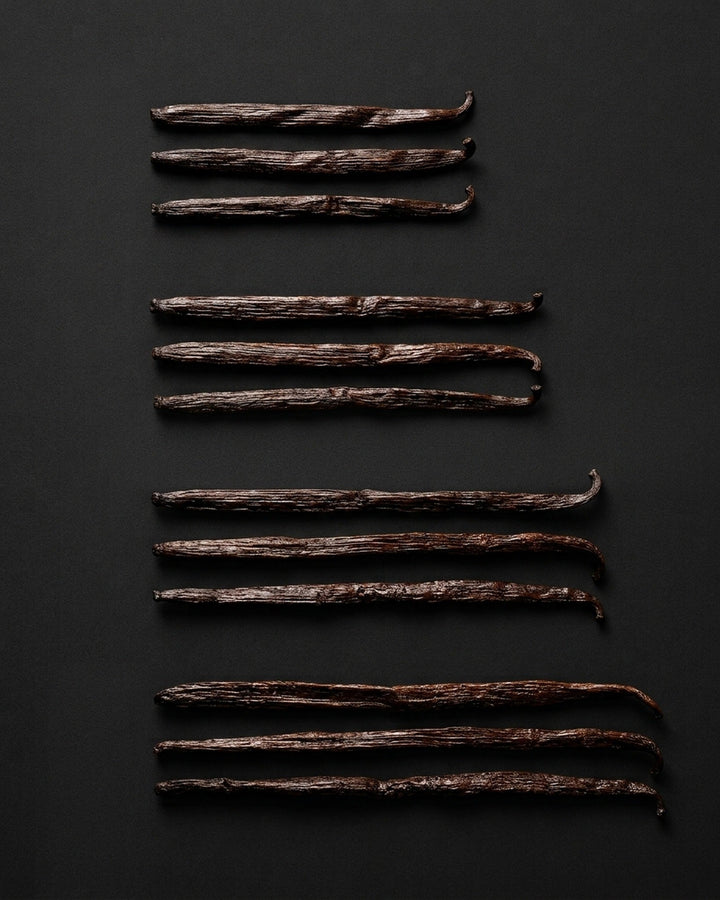
Our family grows and prepares vanilla in the SAVA region, in north-eastern Madagascar, as pods, powder, extract and caviar.
Frequently asked questions
Does the oven's heat destroy vanilla's aroma?
No: vanillin, which carries most of this aroma, melts at 81°C and only boils at 285°C, well above the temperatures of a domestic oven.
Can vanilla go straight into a cake batter before baking?
Yes, this is the most common use, whether as a split pod, powder or extract, and vanillin holds up well to the heat there.
Why do some recipes add vanilla after baking?
To keep a brighter note on the surface, in a cream, icing or glaze, because part of the aromatic bouquet, made up of volatile compounds, can fade during long baking.
Does longer baking harm vanilla's aroma more?
Vanillin itself is not destroyed by longer baking, but some of the lighter notes in the bouquet can evaporate further; adjusting when it is added helps keep more of the aroma.
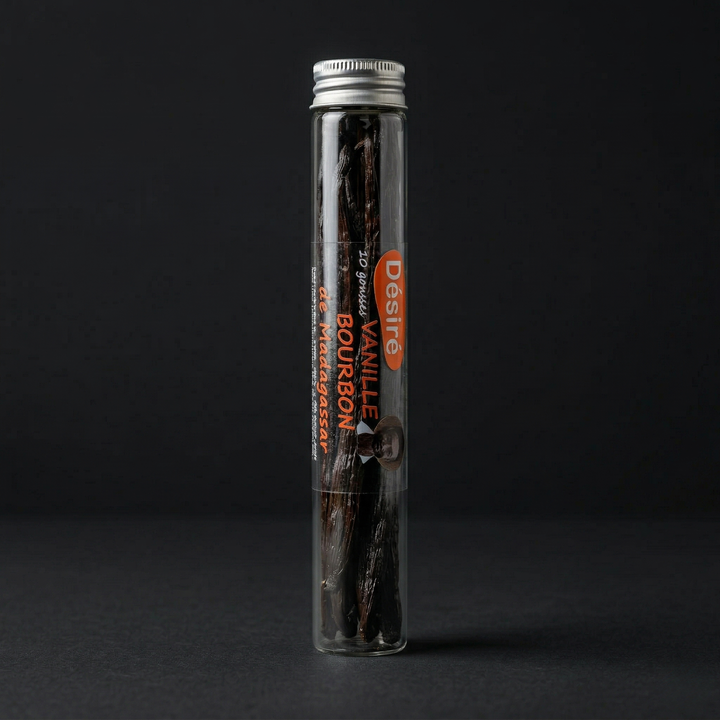
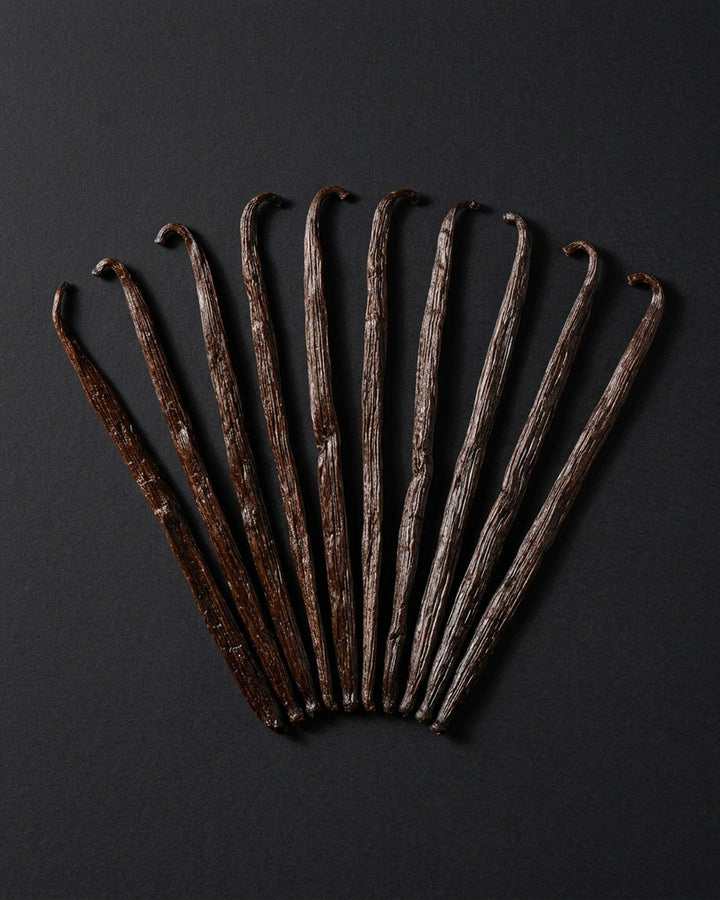
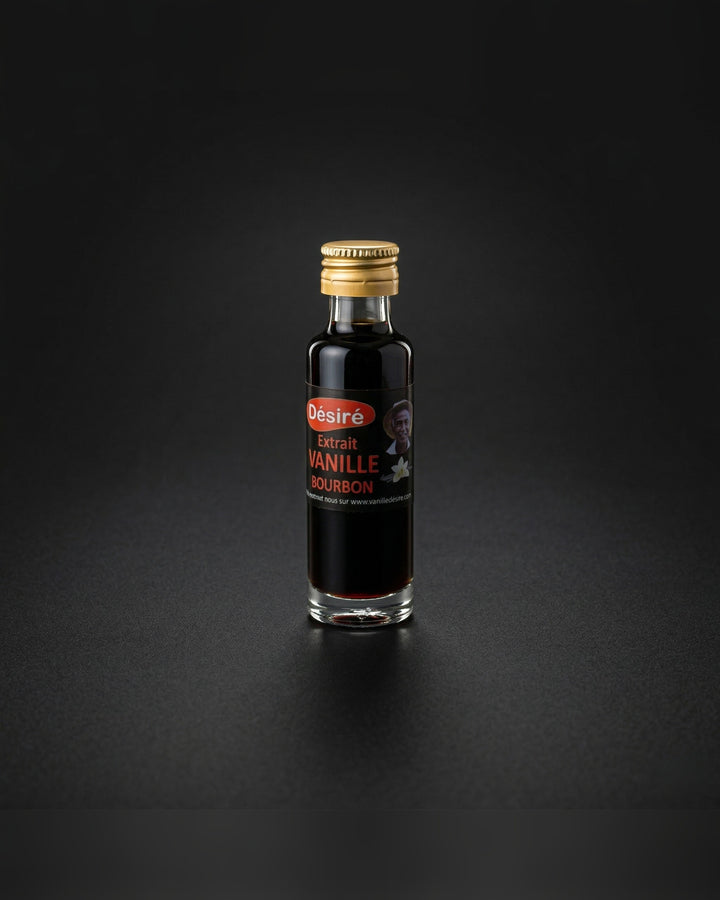
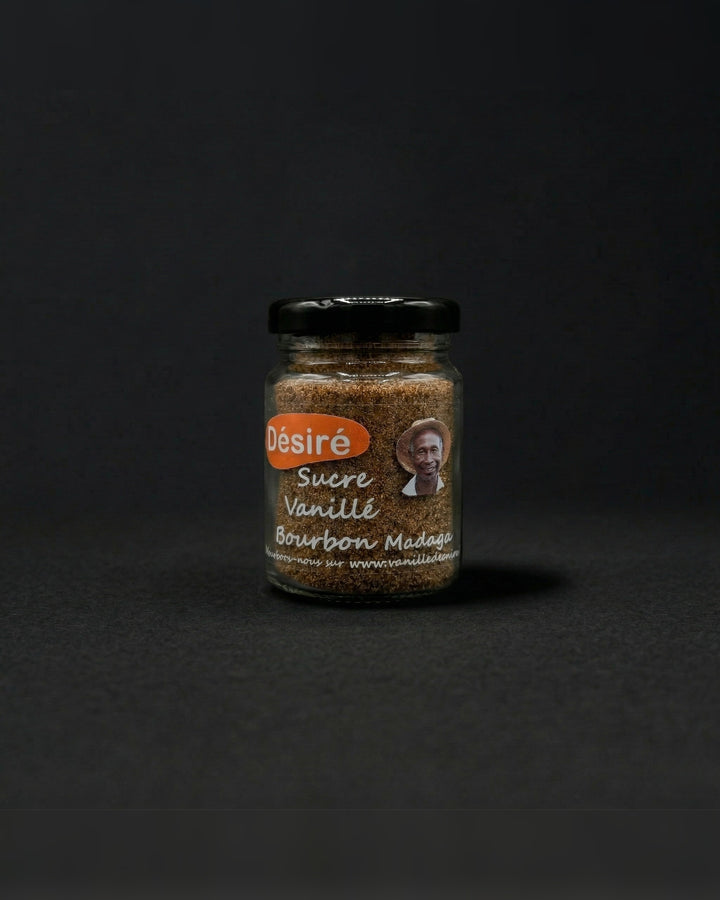
To go further, our products: Madagascar Bourbon vanilla · Bourbon vanilla extract · Bourbon vanilla caviar
The Vanille Désiré team