Quick answer: A teaspoon of ground spice generally weighs between two and three grams, but that is only a rough guide: ground cinnamon weighs about 2.5 g per teaspoon, against about 3 g for a curry type blend. Density changes according to the spice and to how the spoon is filled, level or heaped.
The teaspoon and the tablespoon are the most common measuring tools in the kitchen, but their weight in grams depends on what they hold. A spoonful of flour, salt or ground spice does not weigh the same for an equal volume. This page gives the known reference points for spices and explains why, for some of them, the scales remain the only way to be precise.
Volumes, first
A teaspoon measures 5 ml, a tablespoon 15 ml, that is three times the volume of a teaspoon. This volume equivalence is fixed; it is the weight that then varies according to the density of what is poured into it.
What a spoonful of cinnamon or curry weighs
For a level teaspoon, ground cinnamon weighs about 2.5 g, so about 7.5 g for a tablespoon. A curry type spice blend weighs about 3 g per teaspoon, so about 9 g per tablespoon. These figures remain reference points for a level spoon, meaning filled then levelled off at the rim.
Level or heaped: the gap is real
A heaped spoon can weigh up to half as much again as a level spoon, for a similar apparent volume. How much the powder settles in the spoon also plays a part, as with flour. For a recipe where the amount matters, it is always better to use a level spoon rather than a heaped one, to limit this gap.
For other spices, the scales remain the safe reference
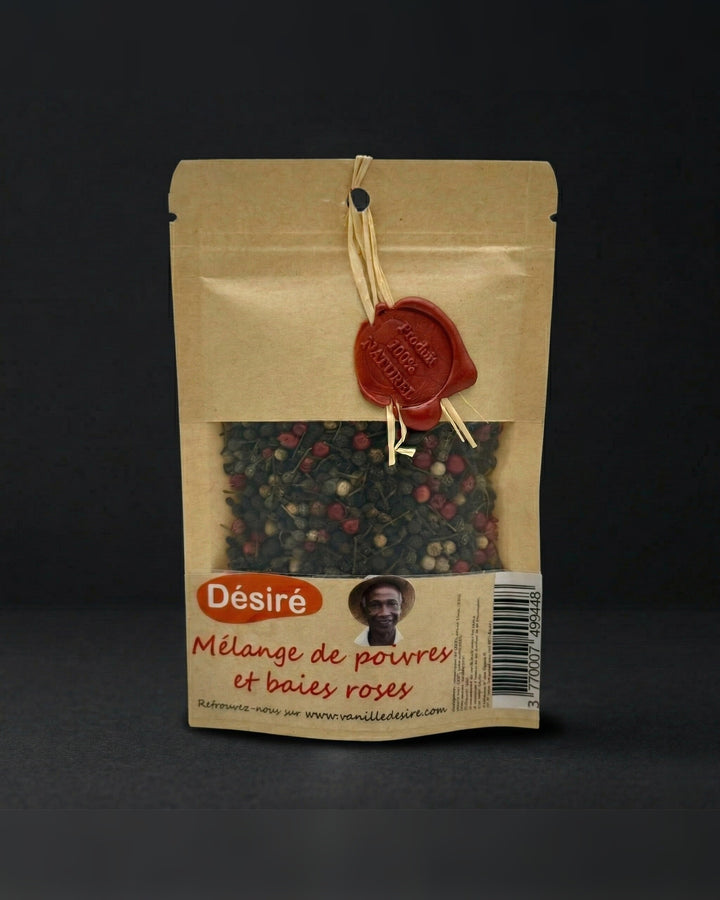
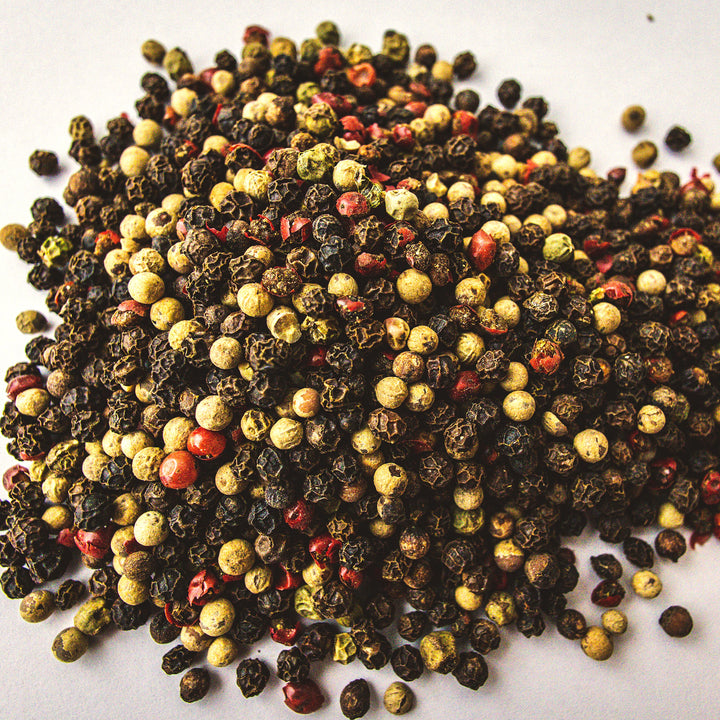
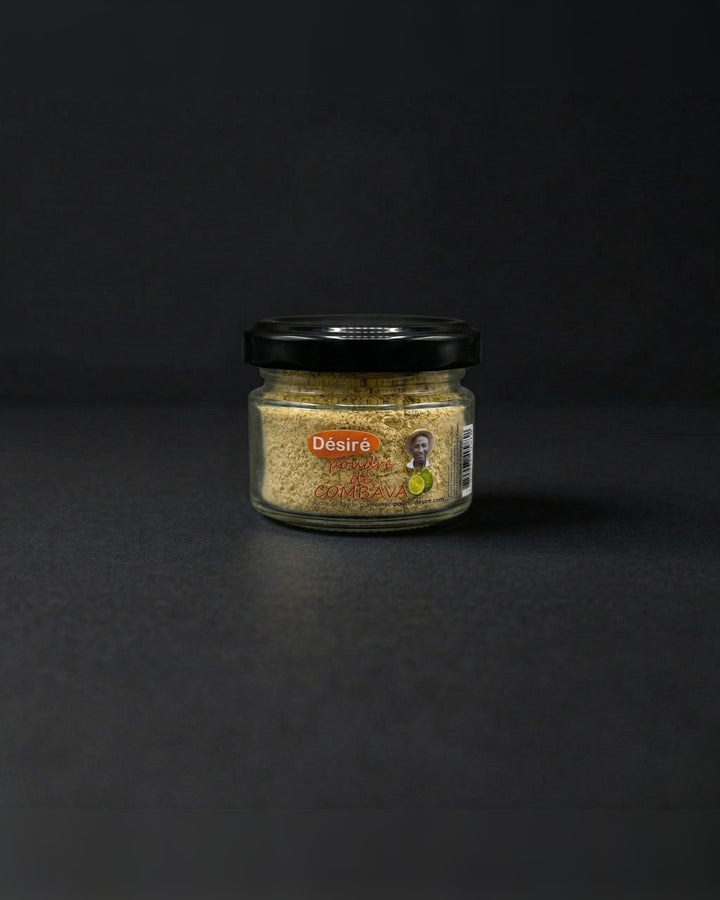
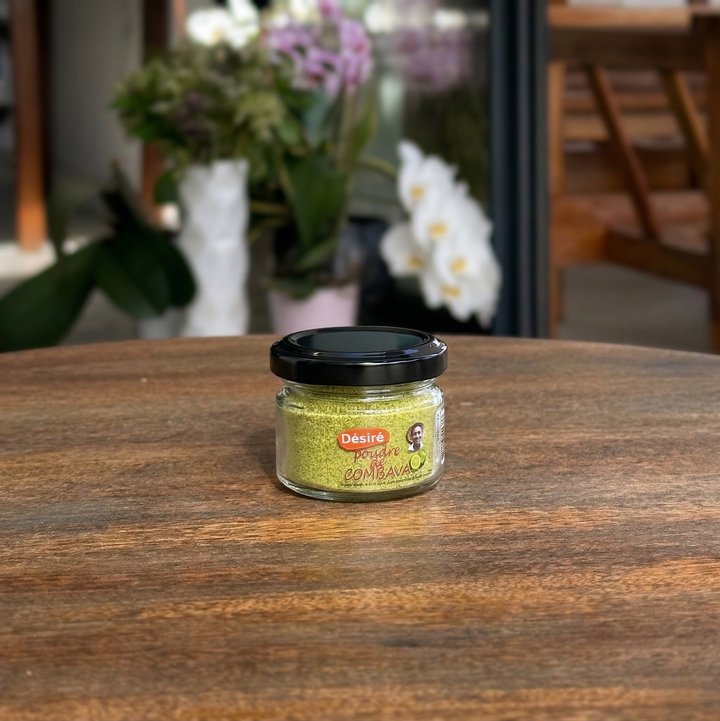
For pepper, chilli, turmeric, ginger, ground cloves, combava or pink peppercorns, the usual conversion tables do not give a reliable reference point. Their density varies with the form of the spice (fine powder, coarser grains, whole grain to be ground), which makes any spoon measurement approximate without scales. For a recipe that counts in grams, weighing remains the only way to be sure of the quantity.
Other ingredients, to put the gap into perspective
The density of a spoonful does not depend on spices alone: water and milk weigh about 5 g per teaspoon, oil about 5 g as well, fine salt about 5 g, caster sugar about 5 g, while flour or cornflour, being lighter, weigh closer to 3 g. A ground spice often sits between these two reference points, which explains why two spoons that look the same in volume can weigh quite differently depending on what they hold.
Why stick to a level spoon, especially in baking
How a powder settles in the spoon plays a role similar to that of flour: a spoon filled then shaken does not weigh the same as a spoon simply dipped into the jar. The advice most often given is to always use a level spoon for precision, especially in baking, where a dosage gap shows up more in the final result than in a savoury dish, which is more forgiving.
Our spices, ground or whole
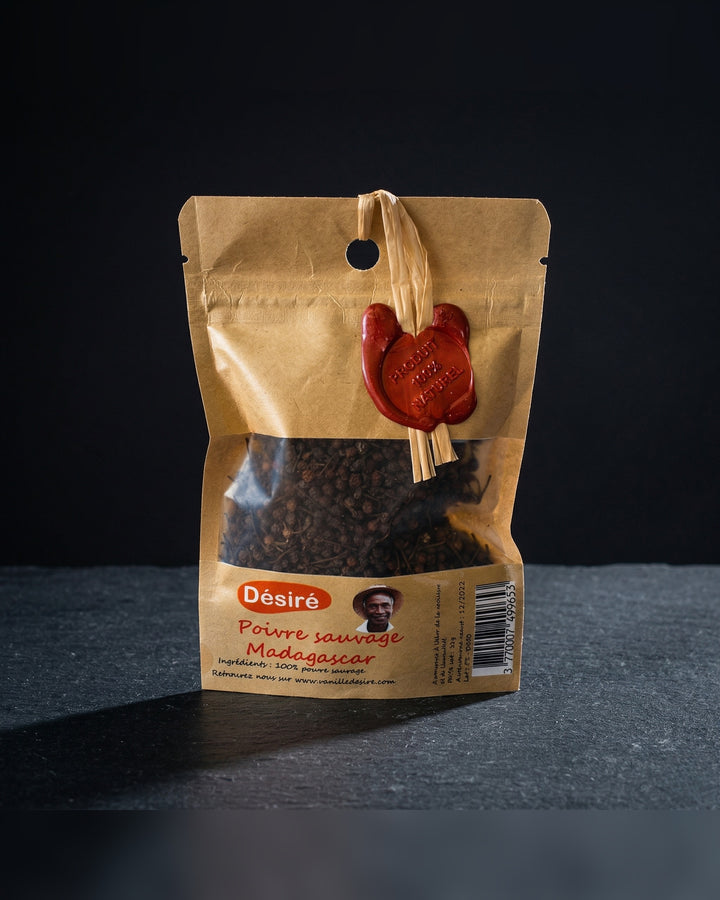
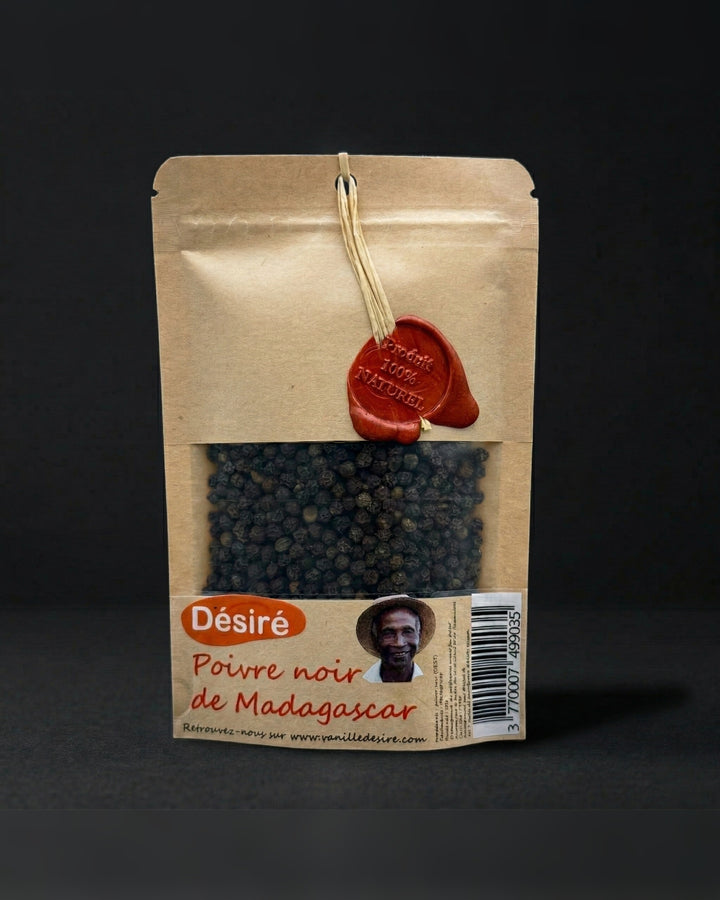
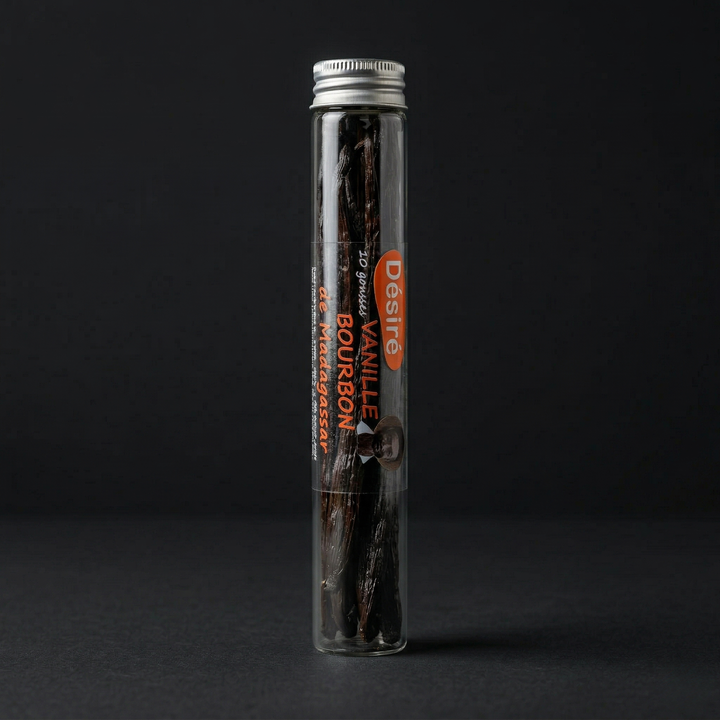
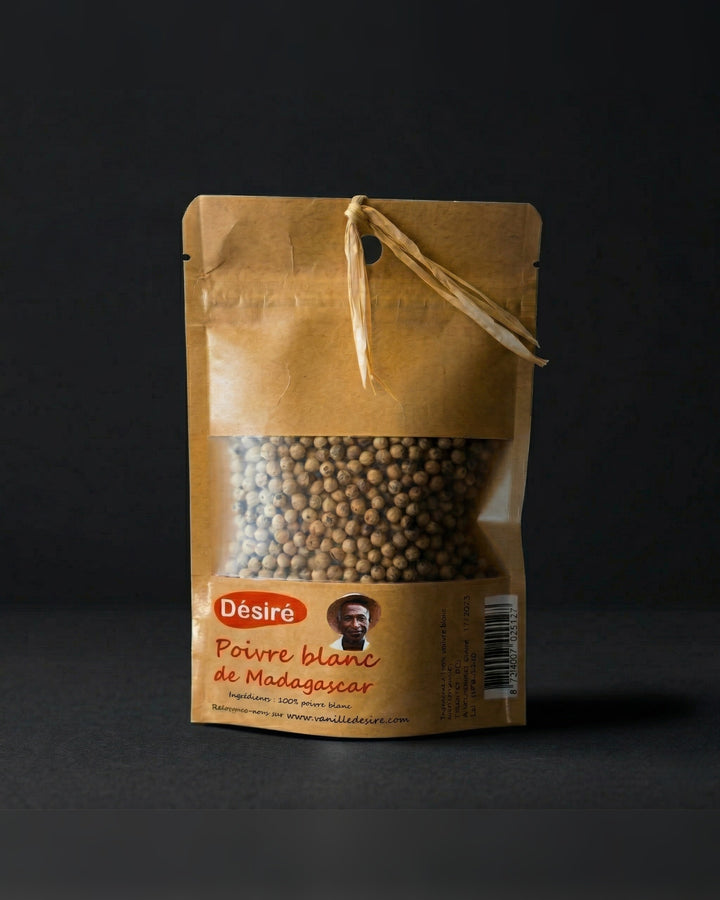
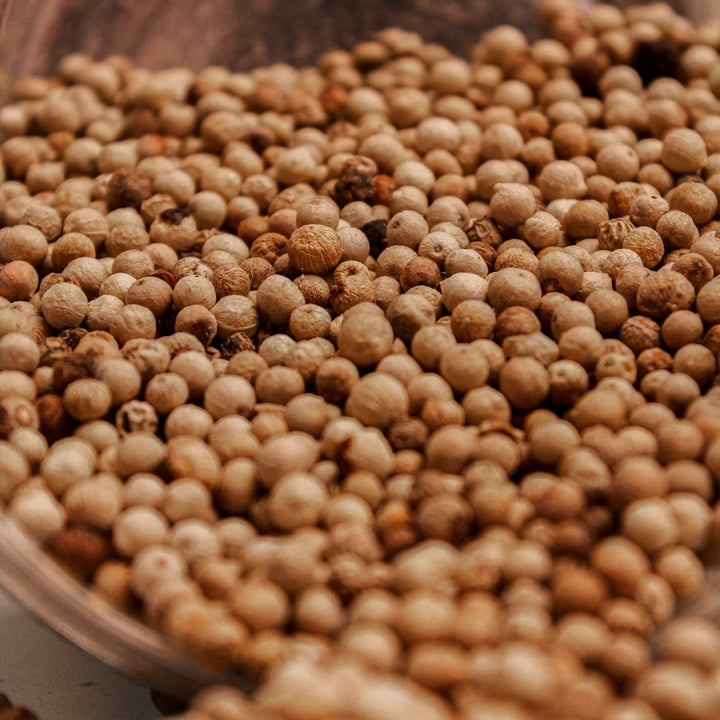
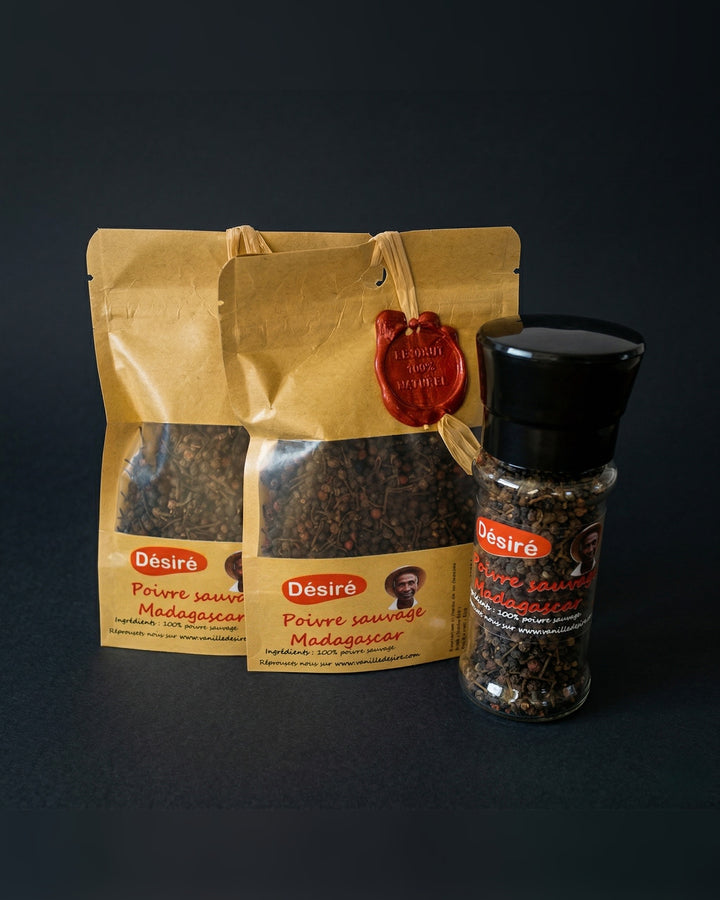
At Vanille Désiré, cinnamon and curry are sold ground, ready to measure by the spoon or on the scales. Pepper and cloves are sold as whole grains or buds, to be ground at home: their weight by the spoon then depends on how finely they are ground. Our family grows pepper and cloves in Vangaindrano, in south-east Madagascar, and prepares them before sending.
- See the cinnamon from Madagascar
- See the curry from Madagascar
- See the black pepper from Madagascar
- See the cloves from Madagascar
See also our page about Madagascar cinnamon.
What this changes for a recipe
Two teaspoons of curry weigh about 6 g, and two teaspoons of ground cinnamon about 5 g: the gap stays small between these two. It grows, however, with a spice whose weight by the spoon has no sourced value, such as a very fine ground chilli or a turmeric more or less packed into the jar. In a stew, which tolerates some approximation, the spoon is largely enough. In a dough that needs to rise or in a preparation repeated several times identically, a gap of one or two grams on a small quantity can show in the result: that is where the scales come in useful, even for a single spoonful of spice.
Frequently asked questions
How much does a teaspoon of ground cinnamon weigh?
About 2.5 grams for a level teaspoon, and about 7.5 grams for a tablespoon, since it holds three of them.
Does a tablespoon equal three teaspoons?
Yes in volume: a tablespoon is 15 ml, three times the 5 ml of a teaspoon; in weight, the ratio stays close for the same spice.
Why do two teaspoons of the same spice not always weigh the same?
Because the spoon can be level or heaped: a heaped spoon can weigh up to half as much again as a level spoon, for a similar apparent volume.
Do you need scales to measure spices?
For an everyday recipe, a level spoon is enough; for a recipe that counts in grams, or for a spice whose weight by the spoon is not known, the scales remain the safest reference.
The Vanille Désiré team