Quick answer: Middle Eastern cooking uses blends such as za'atar and baharat, and preparations such as tahini, where sesame holds a central place. Our sesame seeds are found in it; sumac, cumin, coriander and cardamom, on the other hand, are not part of our range.
From Lebanon to the Arabian peninsula, Middle Eastern cooking is recognised by a few blends and preparations found from one country to another, with variations: za'atar, sumac, baharat and tahini. This page places these spices and the part played in them by sesame, the only product of our range that appears directly in them.
Za'atar: sesame, thyme and sumac
Za'atar is a blend traditionally made of toasted sesame seeds, dried thyme or oregano and sumac, with salt added. Two variants exist, a green za'atar, where the herbs dominate, and a red za'atar, where sumac takes over; some regional versions add marjoram or cumin. It is sprinkled over bread, olive oil or vegetables.
Our sesame seeds can go into a homemade za'atar, but dried thyme or oregano and sumac are not part of our range.
Sumac, a tartness that is not ours
Sumac is obtained from the dried, ground berries of a shrub, Rhus coriaria. Its taste is tart, close to lemon without the bitterness, and it is widely used in Middle Eastern cooking, to season salads, meats or vegetables. We do not offer it: it is a spice specific to this cooking, with no equivalent in our range.
Baharat, a blend that changes from country to country
Baharat simply means "spices" in Arabic. It is a blend whose composition varies widely from one country to another: it often contains black pepper, cumin, cinnamon, coriander, paprika, nutmeg and cloves. The Arabian Gulf version is heavier on cardamom and saffron, while the North African version sometimes adds rose petals and more cinnamon.
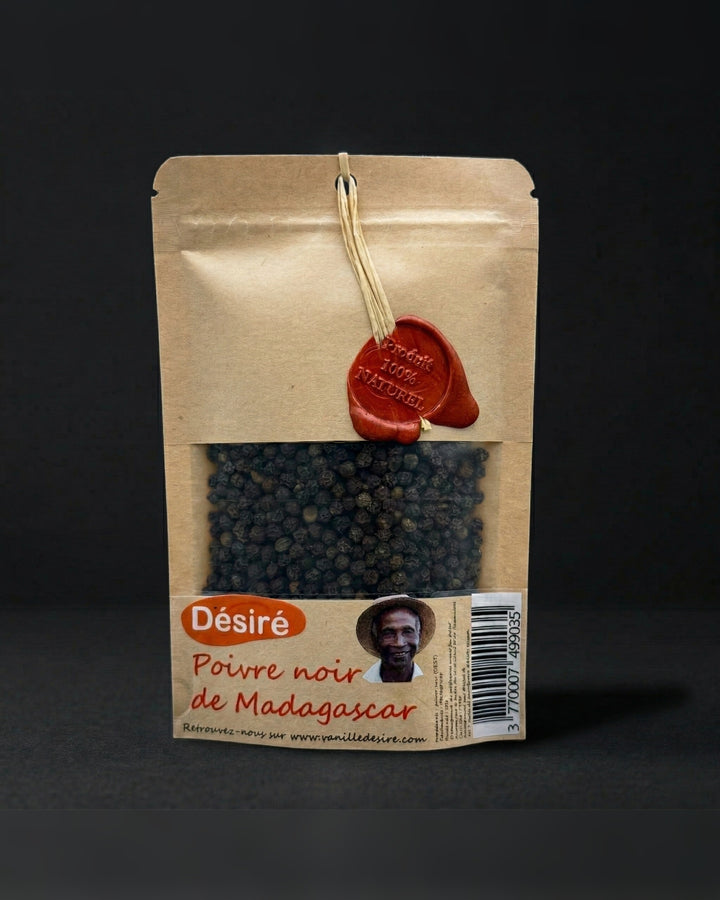
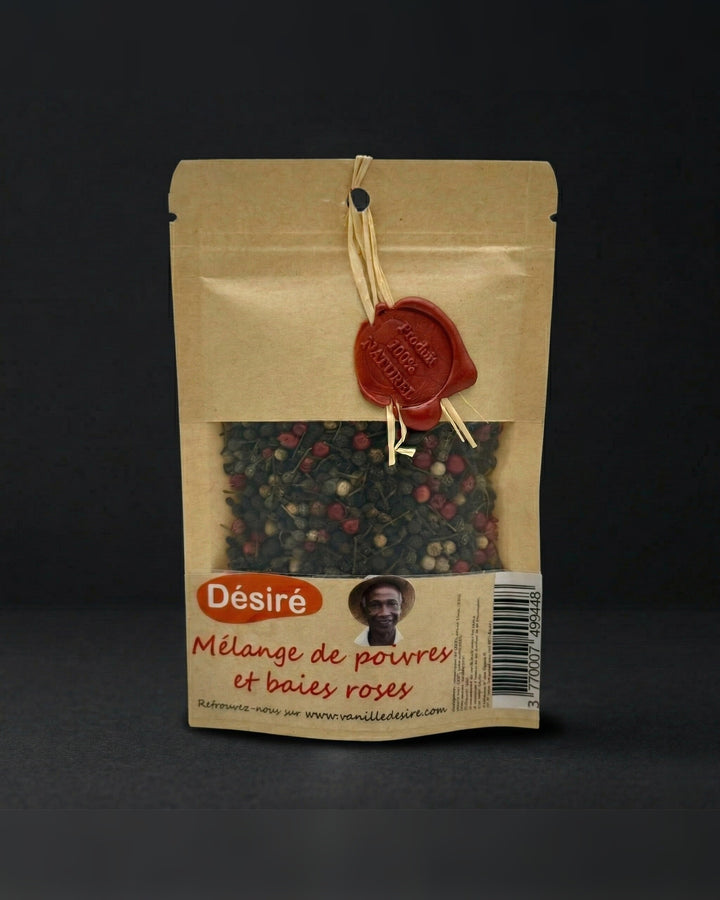
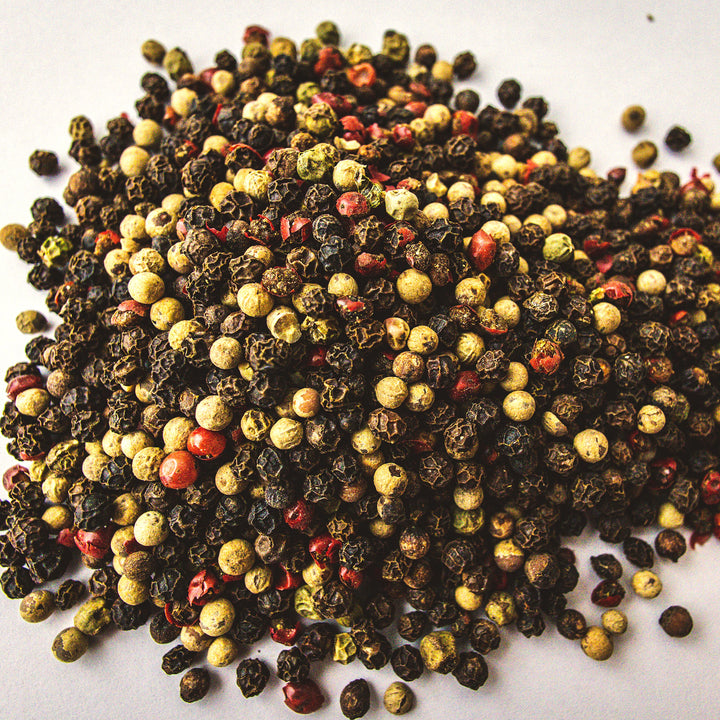
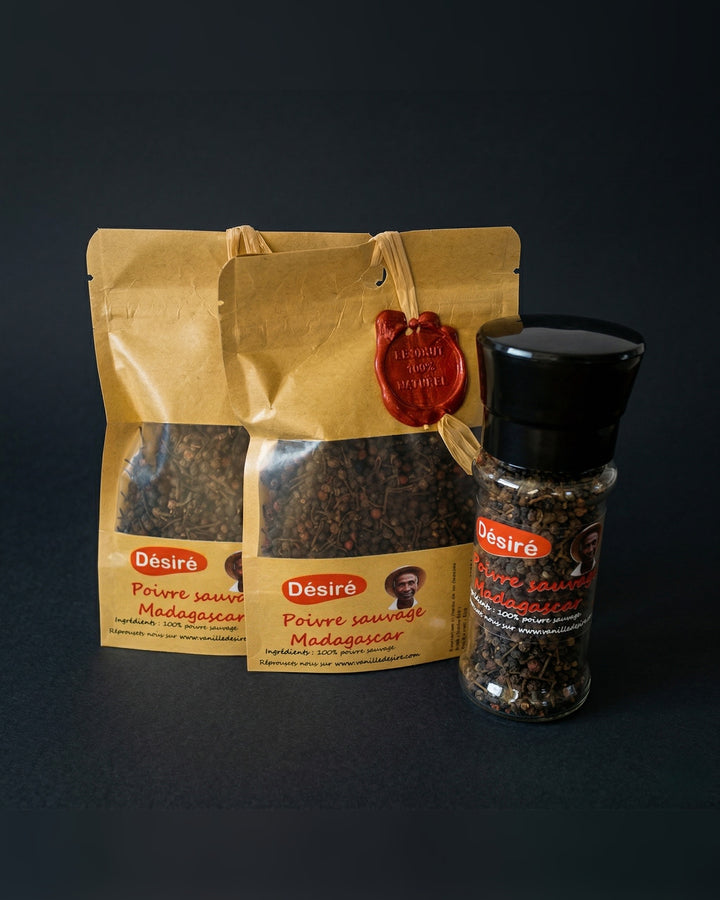
Black pepper, cinnamon and cloves, which we offer, are therefore among the possible spices of a baharat, without ever being enough on their own to recreate it: cumin, coriander, paprika, nutmeg, cardamom and saffron remain necessary depending on the version chosen.
Tahini, hummus and sesame
Tahini is a paste made by grinding lightly toasted sesame seeds with a little oil. It goes into well known dishes such as hummus, made from chickpeas and tahini, or baba ganoush, made from aubergine. The most fragrant hummus recipes sometimes add cumin, coriander seeds, paprika, sumac or za'atar, but its base remains chickpea and sesame.
Sesame is the only one of these ingredients in our range, grown in Vangaindrano, in south-east Madagascar. To make it yourself, see homemade tahini with toasted sesame and homemade hummus with sesame.
Sesame, across the whole region
Sesame is not limited to tahini. In Egypt, it goes into dukkah, a blend of toasted seeds and nuts then roughly crushed: hazelnuts, sesame seeds, cumin and coriander seeds, bound with salt and a turn of pepper, sometimes topped up with fennel, dried nigella or a touch of chilli. It is served as a dip, with bread and olive oil, or sprinkled as a finishing touch over vegetables.
Our sesame seeds can go into a homemade dukkah, alongside hazelnuts, cumin and coriander, which we do not offer. Sesame is also found in halva, a sweet made from sweetened tahini, this time far from savoury cooking.
Our Madagascar spices in this cooking
Without sumac, cumin or coriander, neither a full za'atar nor a full baharat can be put together with our range alone. Sesame remains our most direct entry point into this cooking, for a homemade tahini or hummus; black pepper, cinnamon and cloves can then add depth to a dish in the spirit of a baharat, without taking on its whole composition. For a wider view of our uses of sesame, see sesame in savoury cooking.
Our products: sesame seeds, black pepper, cinnamon and cloves. Detailed page: Madagascar sesame.
Frequently asked questions
What is za'atar?
A traditional blend of toasted sesame seeds, dried thyme or oregano and sumac, sometimes topped up with marjoram or cumin depending on the region.
Do you sell sumac?
No. Sumac is a tart spice specific to Middle Eastern cooking, obtained from dried berries; it is not part of our range.
What is tahini, and does it contain one of your products?
Tahini is a paste of toasted sesame seeds ground with a little oil. Our sesame seeds let you make it at home.
Does baharat contain Madagascar spices?
Black pepper, cinnamon and cloves are among the possible spices of a baharat, but the blend varies by country and also includes cumin, coriander, paprika, nutmeg, and sometimes cardamom and saffron.
The Vanille Désiré team