Quick answer: Vanilla was born in Mexico, domesticated by the Totonac people of what is now the state of Veracruz. Mexican cooking today makes little use of vanilla, but a great deal of cinnamon, cloves and cumin, alongside chillies specific to the country (ancho, chipotle) that we do not offer. Our Madagascar vanilla, cinnamon and cloves share this history or this flavour, without recreating it.
Before it was grown in Madagascar, vanilla grew wild around the Gulf of Mexico. This page traces that origin, then sets out the spices of today's Mexican cooking, and the place held in them by our own Madagascar products.
Vanilla, a plant born in Mexico
Before any domestication, the orchid Vanilla planifolia grew wild around the Gulf of Mexico, from Tampico to the northeast of South America, and along the Pacific side of Mexico as far as Ecuador. The Totonac people, settled on the east coast of Mexico in what is now the state of Veracruz, grew vanilla long before the Spanish arrived: they are credited with domesticating the plant and with the earliest techniques for curing the bean. The Totonacs called vanilla "caxixanath", the hidden flower.
In the fifteenth century, the Totonacs came under the rule of the Aztec Triple Alliance, which demanded vanilla as tribute, sent to Tenochtitlan. The Aztecs then paired vanilla with cacao to make xocolatl, a drink the Spanish explorer Hernán Cortés discovered at the court of Emperor Moctezuma, before vanilla set off for Europe.
Our vanilla comes from another part of the world: we grow it in the SAVA region, in the northeast of Madagascar, where it was introduced much later. Vanillas of the world traces this spread, from Madagascar to Uganda, India and Papua New Guinea.
Cinnamon, cloves and cumin in Mexican cooking
Contrary to a common assumption, vanilla holds a modest place in today's Mexican cooking, which is turned mainly towards chilli, maize and local herbs. Three spices from elsewhere have nonetheless settled in well since the Spanish colonisation of the sixteenth century: cinnamon, cloves and cumin. Mexican "canela" is not Chinese cinnamon (cassia), the most common kind in North America, but Ceylon cinnamon (Cinnamomum verum), recognisable by its thin, brittle sticks, unlike the harder, thicker sticks of cassia. Cloves, called "clavo de olor", flavour mole poblano and pepián, a stew based on seeds. Cumin was introduced by Spanish colonisers in the sixteenth century and has since established itself in mole-style sauces and many slow-cooked dishes.
Our Madagascar cinnamon is also Ceylon cinnamon, the same species as Mexican canela, grown this time in Vangaindrano, in the southeast of Madagascar, far from Mexico. Cumin, for its part, is not part of our range: it is a common ingredient of this cuisine, not a Vanille Désiré product.
Mexico's chillies, distinct from our pili-pili
Ancho chilli, dried poblano pepper, and chipotle chilli, smoked jalapeño, are two chillies specific to Mexican cooking, used in mole sauces, stews and marinades. They are not part of our range and do not stand in for our Madagascar chilli paste, made from pili-pili chilli, a different chilli, grown under a different climate, for a flavour balance that is not the same. Ancho, dried whole, keeps a mild, fruity flavour close to raisins; chipotle, smoked, adds a smoky taste on top, not found in a chilli simply dried in the sun.
Our Madagascar products, between history and flavour
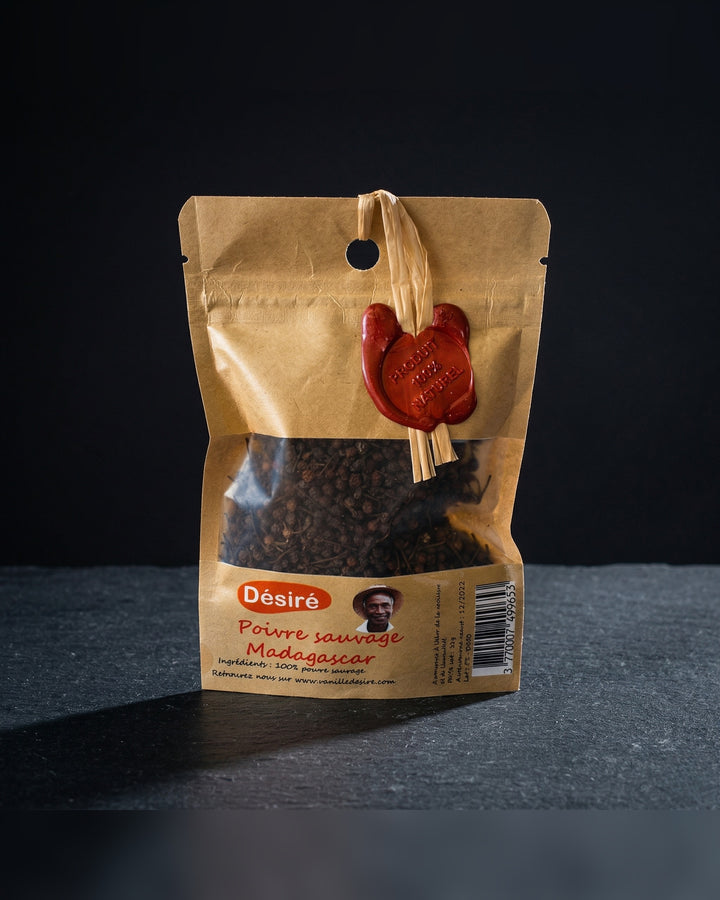
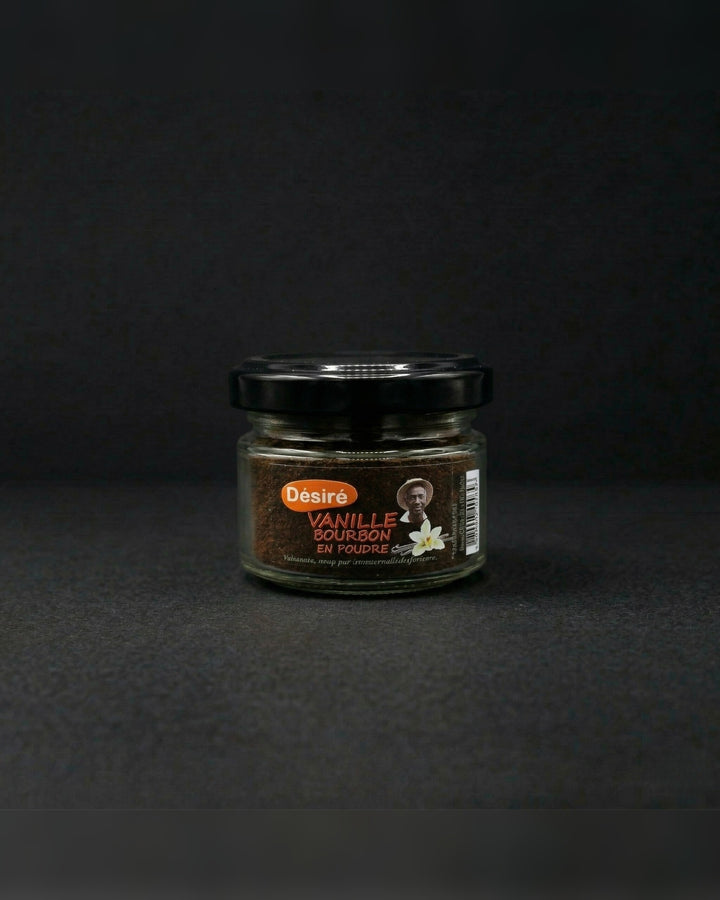
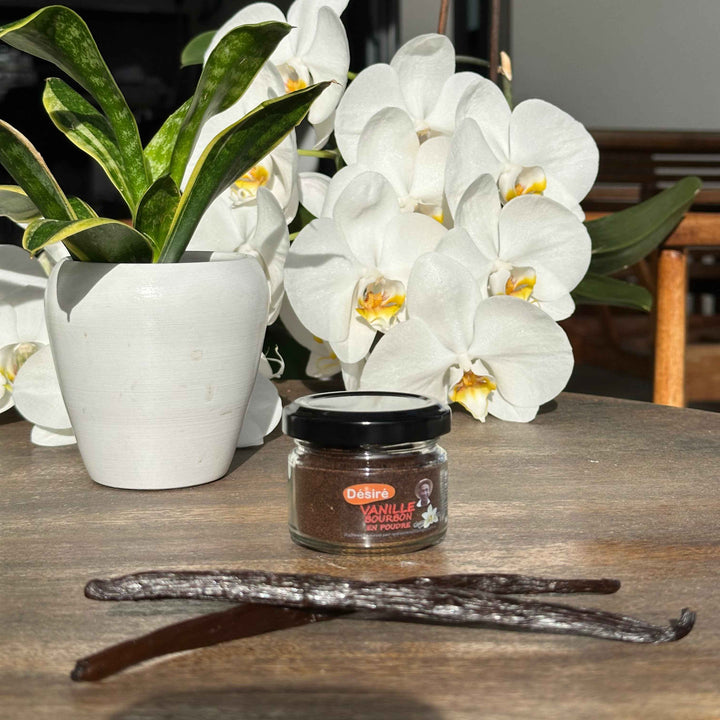
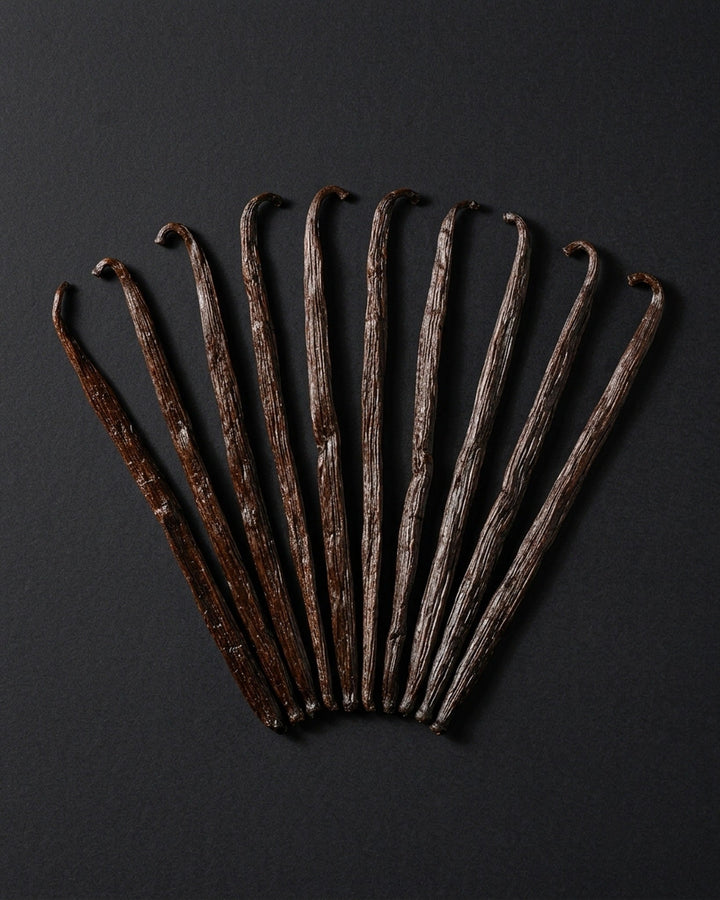
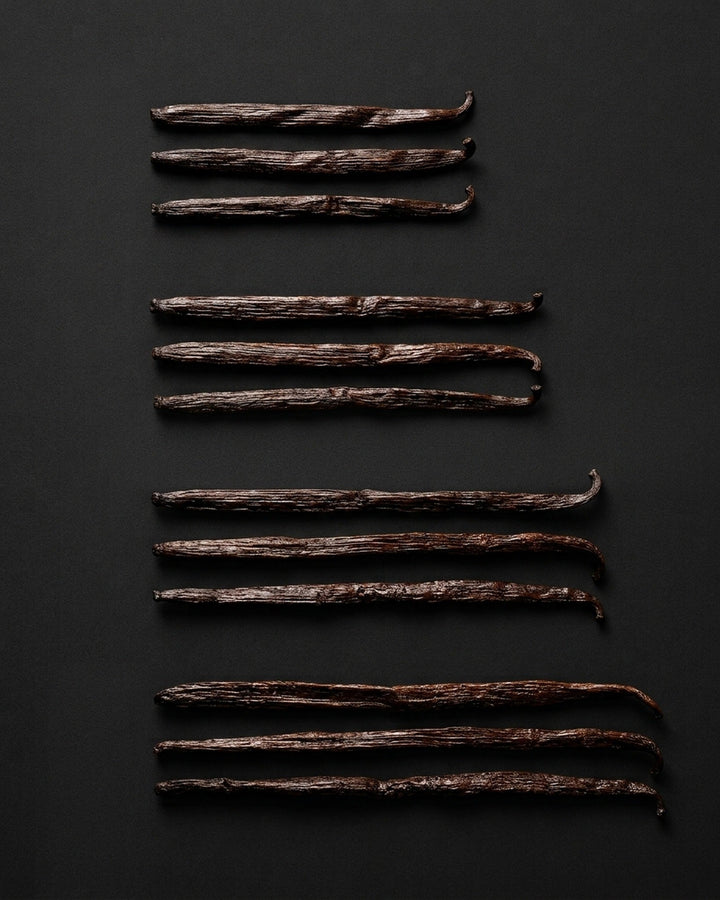
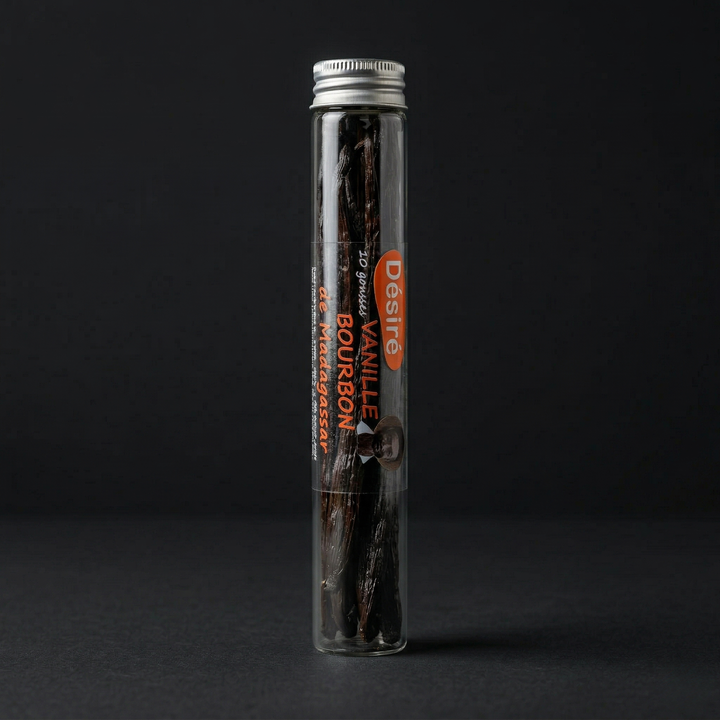
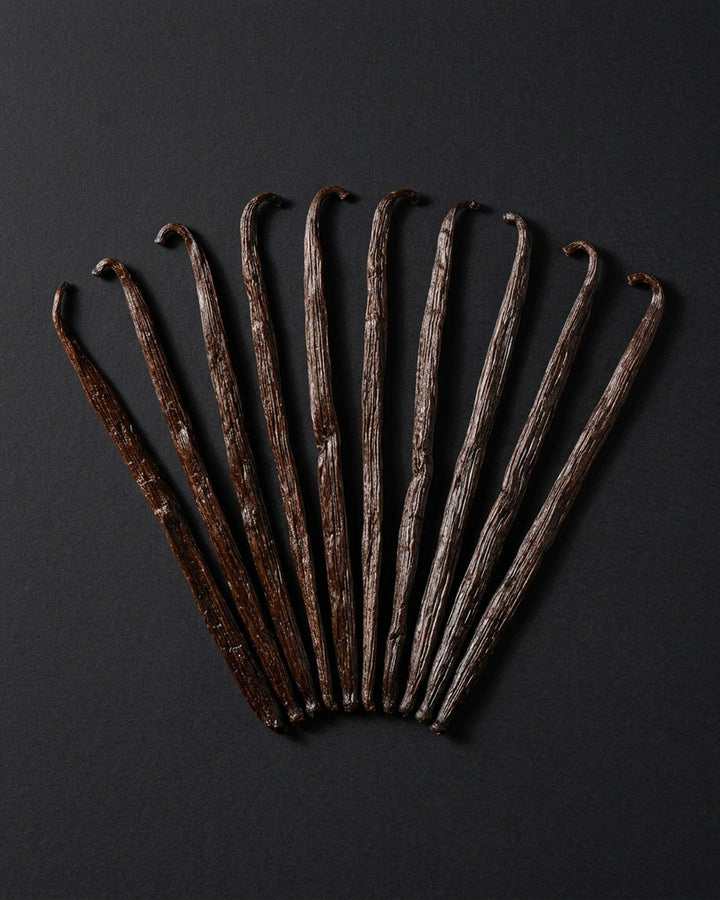
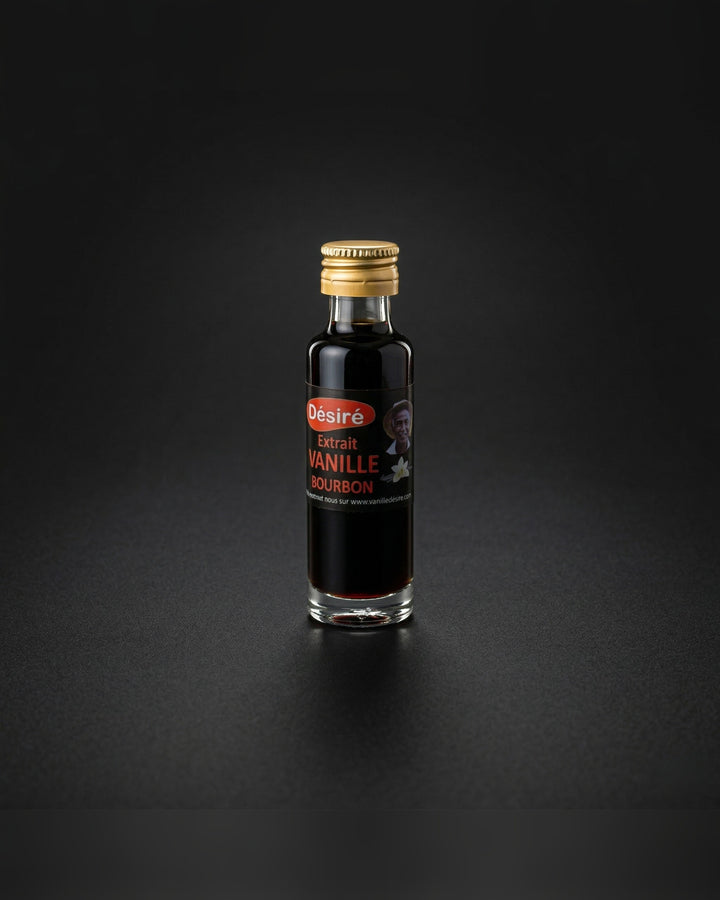
Our vanilla and our cinnamon share a history or a botanical kinship with this cuisine, without standing in for it: vanilla was born there, and our cinnamon is the same species as theirs. Our cloves, for their part, match a use close to that of Mexican "clavo de olor". For vanilla offered as itself, see our pods, our extract, our powder and our vanilla caviar, and vanillas of the world for an overview of growing regions.
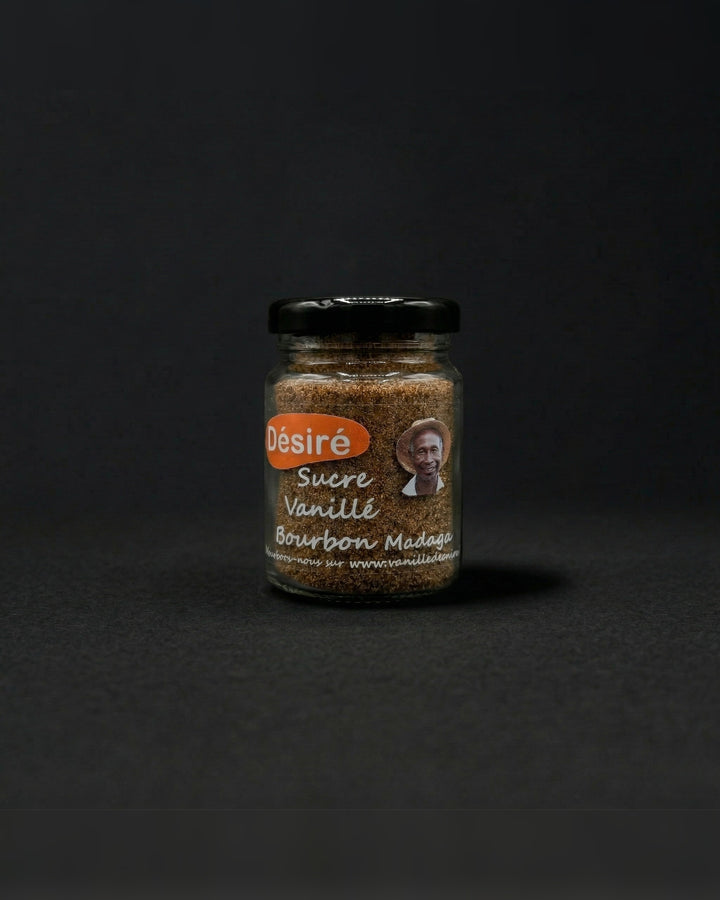
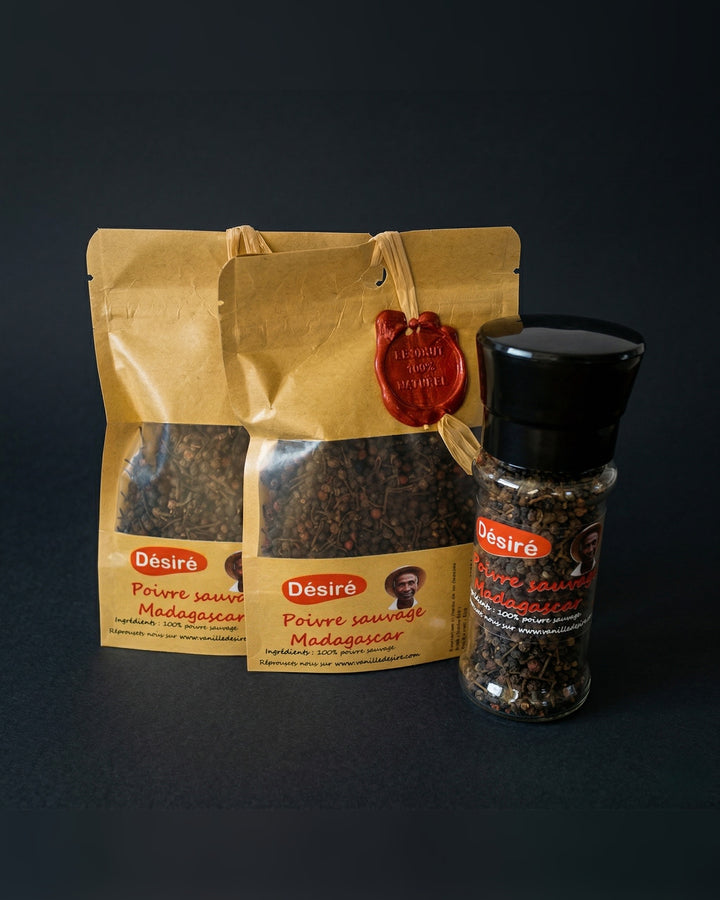
Our Madagascar products: vanilla pods, vanilla extract, cinnamon and cloves.
Frequently asked questions
Was vanilla born in Mexico?
Yes. The vanilla orchid grew wild around the Gulf of Mexico, and the Totonac people, on the coast of what is now the state of Veracruz, domesticated it long before the Spanish arrived.
Is our Madagascar cinnamon the same as Mexican canela?
It is the same species, Ceylon cinnamon (Cinnamomum verum), grown in two different regions: Vangaindrano for ours, and not Mexico for canela, which is only used there.
Do ancho or chipotle chilli stand in for our Madagascar chilli paste?
No. These are different chillies, grown under a different climate, for a flavour balance that is not the same as our pili-pili paste.
Is cumin one of Vanille Désiré's products?
No. Cumin is a common ingredient in Mexican cooking since the Spanish colonisation, but it is not part of our range.
The Vanille Désiré team