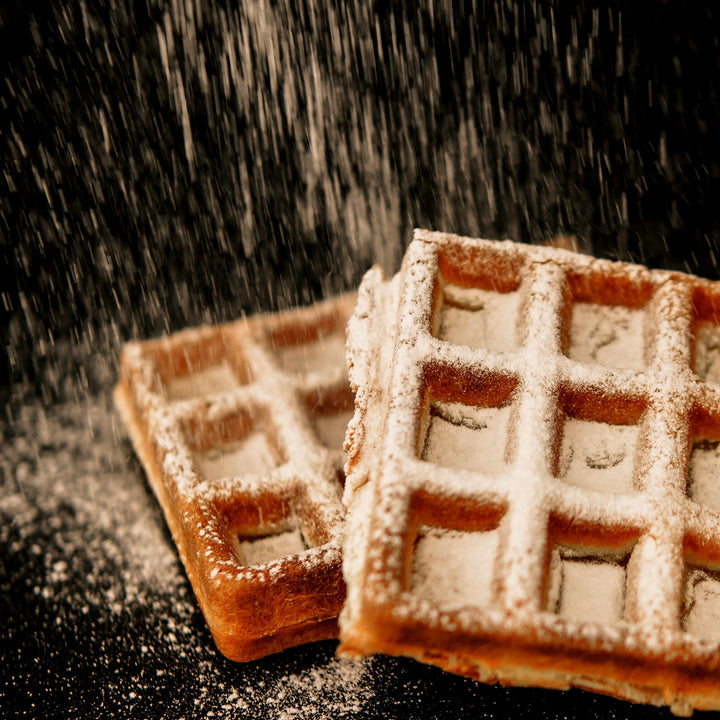
Quick answer: Saint Nicholas baking in the Netherlands and Belgium, speculaas, kruidnoten and pepernoten, rests on a spice blend dominated by cinnamon, surrounded by cloves, ginger and white pepper. Nutmeg, cardamom and aniseed, also present in these recipes, remain common ingredients that we do not sell.
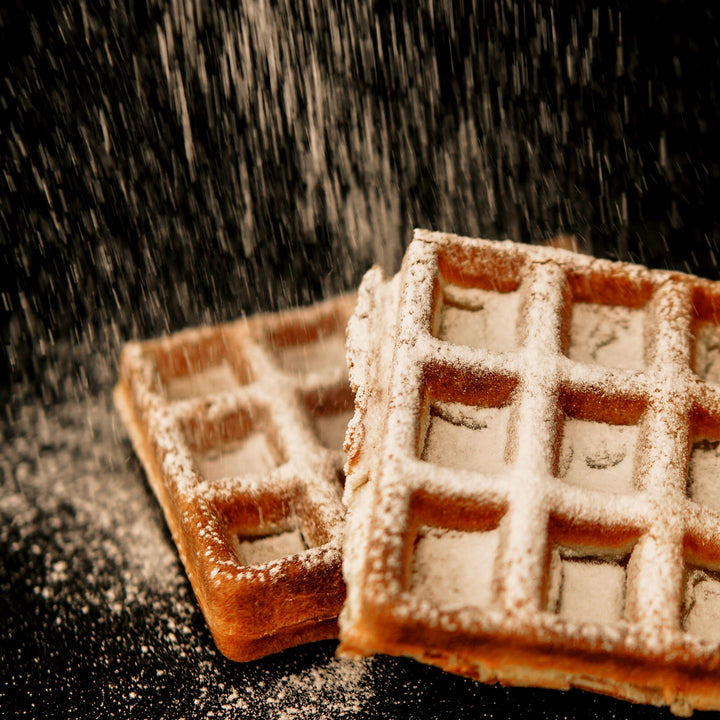
In the Netherlands and Belgium, the period running from Saint Nicholas, in early December, through to Christmas, brings out several pastries carried by the same spices: speculaas, a large crunchy patterned biscuit, kruidnoten and pepernoten, small round bites, then appeltaart, the apple tart found all year round. This page sets out the spices behind these recipes, what they bring to them, and the place held in them by Madagascar cinnamon, cloves, ginger and white pepper.
Speculaas, a blend of several spices
Speculaas, called spéculoos in Belgium, is a dry biscuit, often moulded or cut into a silhouette, made for Saint Nicholas and then for the whole winter. It owes its taste to a spice blend known in the Netherlands as speculaaskruiden. The most often cited recipes bring together cinnamon, nutmeg, cloves, ginger, white pepper and cardamom; some versions add star anise or coriander. One traditional proportion, among others, gives eight parts cinnamon to two parts nutmeg, two of cloves, one of white pepper, one of ginger and one of cardamom: cinnamon thus forms the bulk of the blend, well ahead of the other spices.
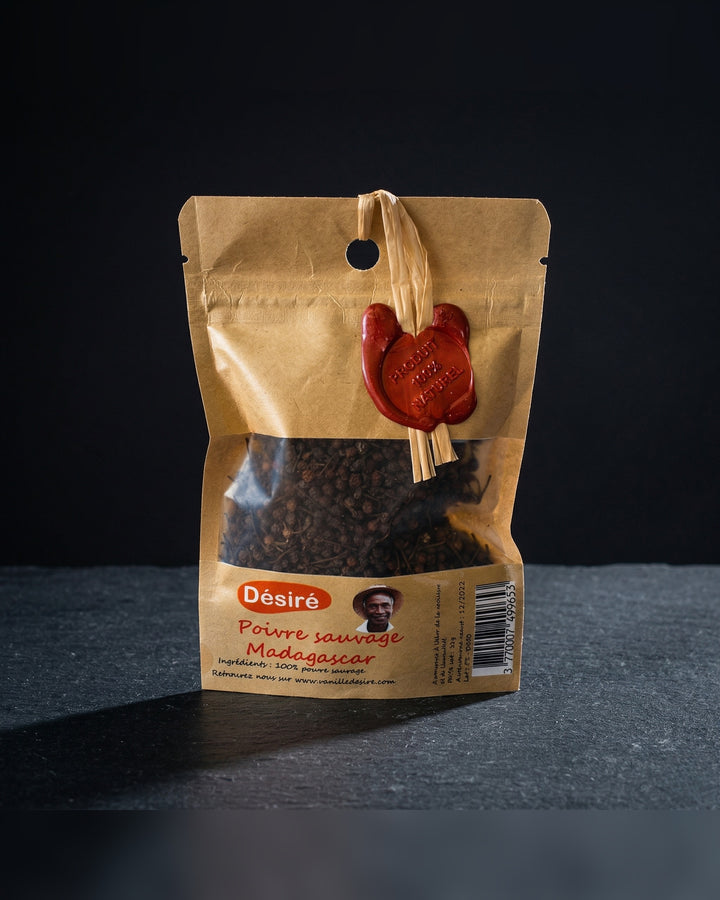
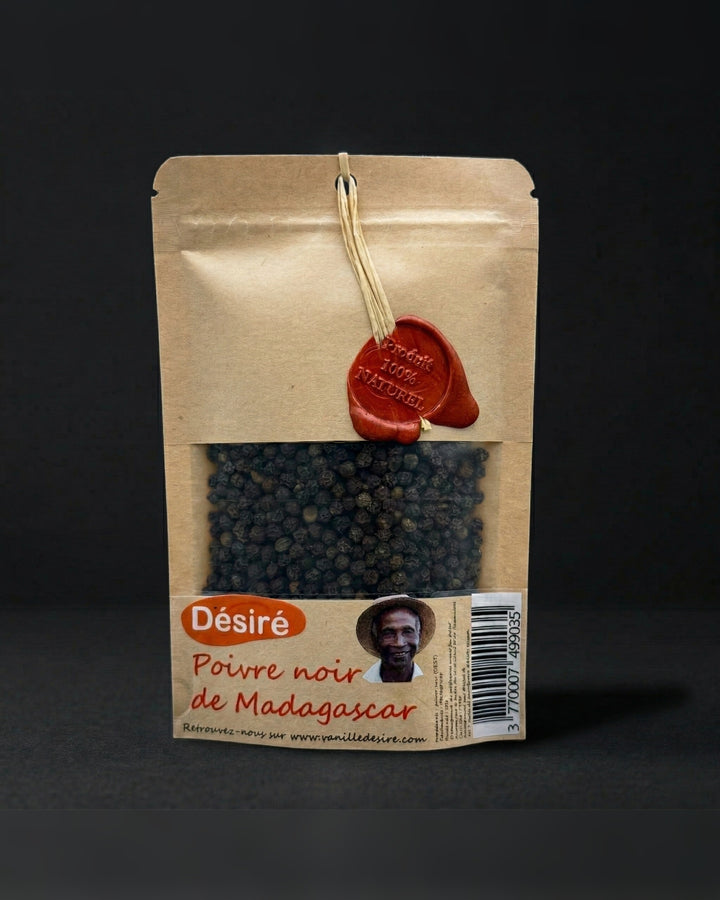
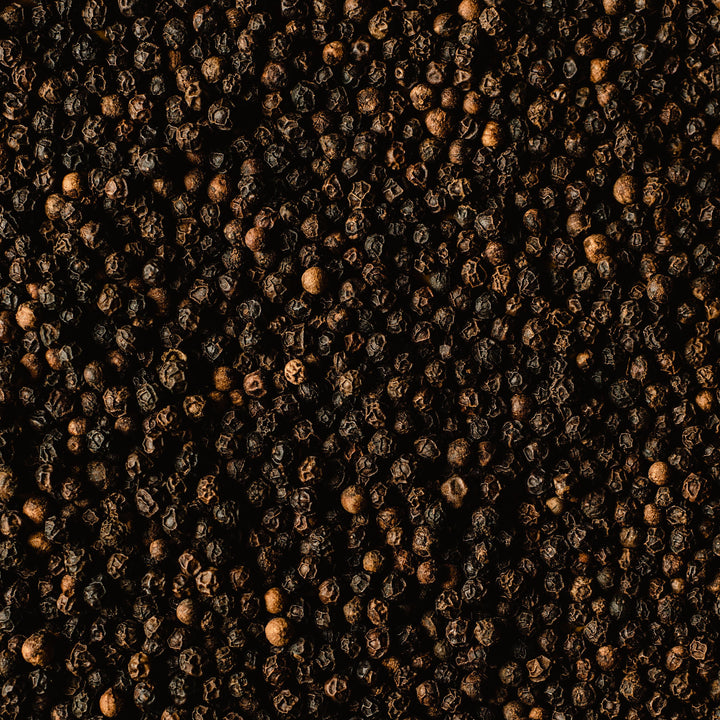
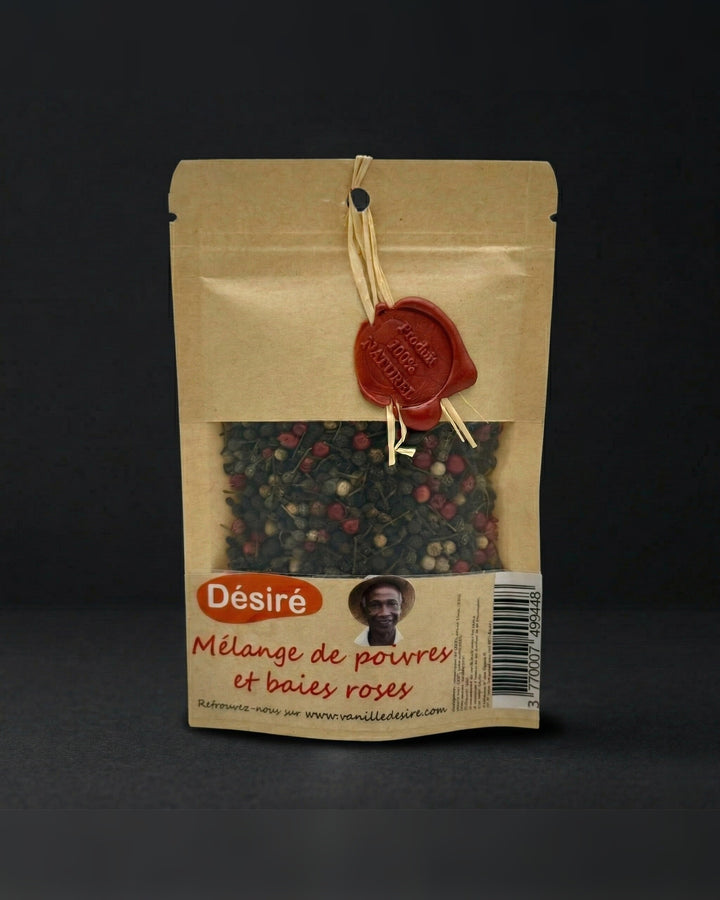
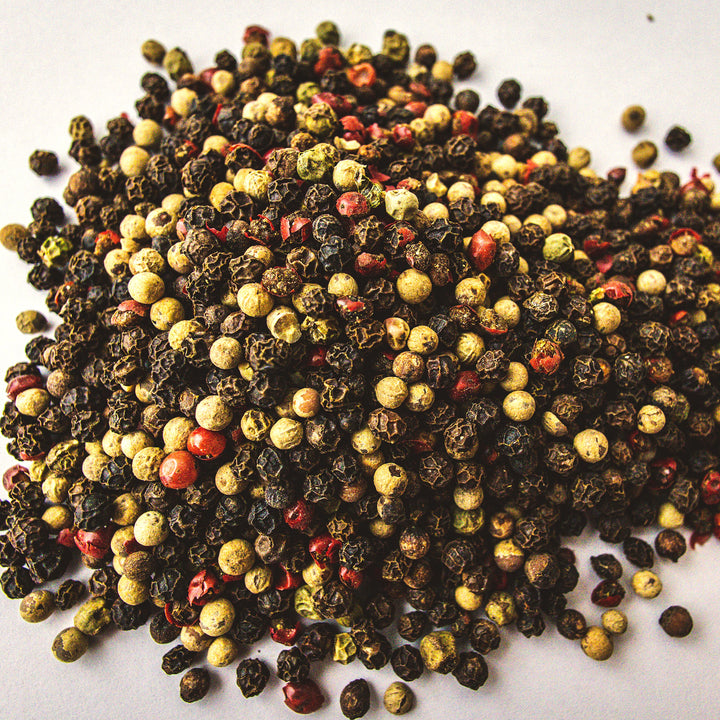
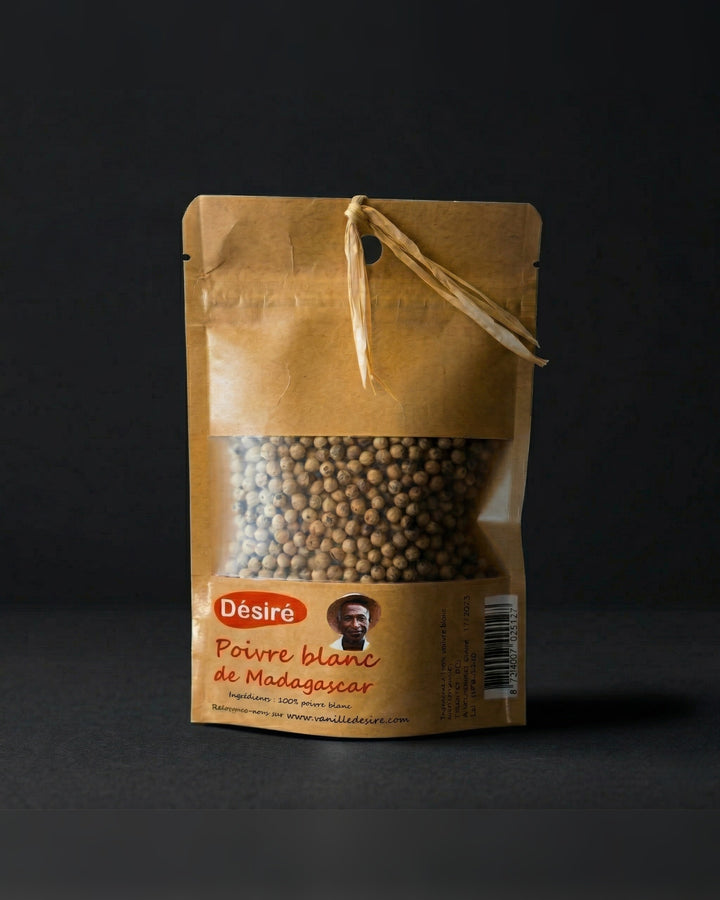
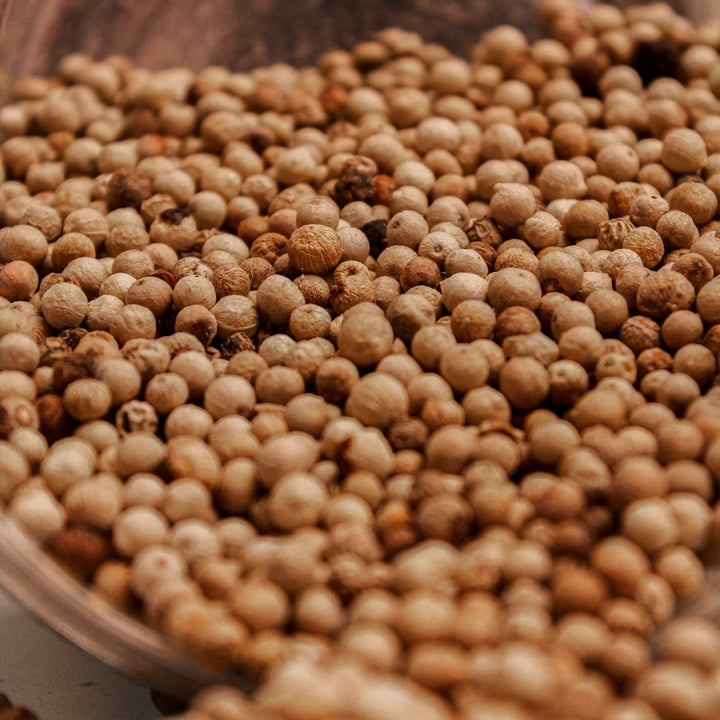
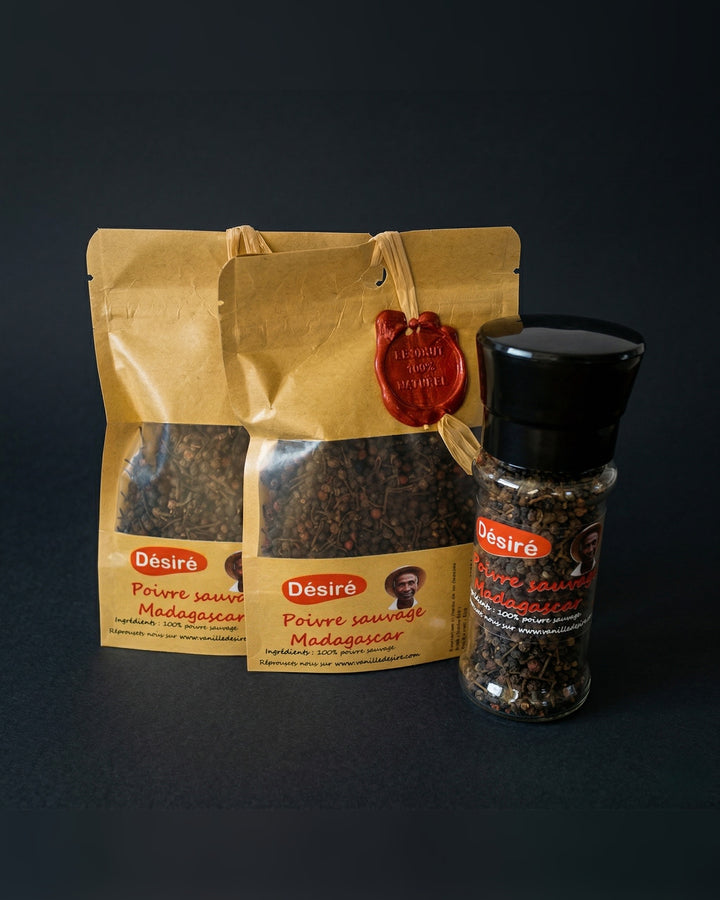
Four of these spices are part of our Madagascar range: cinnamon, cloves, ginger, and white peppercorns to grind yourself. Nutmeg, cardamom, aniseed and coriander remain spices we do not offer: they come from other parts of the world and go into this blend on the same footing as ours, without our selling the equivalent. A speculaas made with only our spices therefore does not reproduce the full blend, but comes close through cinnamon, cloves and ginger, which form the largest part of it.
Kruidnoten and pepernoten, the small bites of Saint Nicholas
Kruidnoten and pepernoten are two small round bites, with a texture more or less crunchy depending on the recipe, handed out during the Saint Nicholas period. They are often confused with one another, but their ingredients differ: the composition of kruidnoten is closer to that of speculaas, while pepernoten follow a different recipe. Both rest on a similar base of spices, cinnamon, ginger, nutmeg, cloves, cardamom and white pepper, in more modest quantities than in the large biscuit, since the bite itself is small. One common recipe gives, for a tablespoon of cinnamon, half a teaspoon of ginger, half of nutmeg, half of cloves, a quarter of cardamom and a quarter of white pepper: cinnamon dominates by far, as in speculaas.
In our range, it is cinnamon, ginger, cloves and white pepper that have a place in them, grown in Vangaindrano, in the southeast of Madagascar. For a neighbouring Belgian biscuit, made with our own spices, see our home-made speculoos.
Appeltaart, cinnamon in the foreground
Dutch appeltaart and Belgian apple tart share a simple base: apples, pastry, and a spice that comes up from one recipe to another, cinnamon, sometimes joined by a little ginger. Unlike speculaas or kruidnoten, appeltaart does not carry a whole spice blend: cinnamon holds the main place, sometimes the only place. Many versions add a crumble topping or raisins to the pastry, without changing the central spice.
Our Madagascar cinnamon suits this use, in powder like most of the cinnamon sold in Europe. For a preparation already written with apples and cinnamon, see our vanilla and cinnamon apple compote or our apple, cinnamon and vanilla crumble, which precisely picks up the apple, cinnamon and crumble combination.
Working with our Madagascar spices
Without nutmeg, cardamom, aniseed or coriander, our range alone will not recreate a full speculaaskruiden. It can, however, draw inspiration from what we offer: cinnamon, cloves, ginger and white pepper, grown in Vangaindrano, in the southeast of Madagascar. To choose between a stick and a powder, or between a whole and a ground clove, see cinnamon, stick or powder and whole or ground cloves. For winter baking in general, where these same spices often recur, see spices in Christmas baking, and to put together a home blend of your own, home-made quatre-épices gives a method that can be applied to other combinations.
Frequently asked questions
Is speculaaskruiden one of Vanille Désiré's products?
No, we do not sell a ready-made speculaaskruiden blend. Four of the spices that often go into it, cinnamon, cloves, ginger and white pepper, are part of our range, but the full blend also needs nutmeg and cardamom, which we do not offer.
What is the difference between kruidnoten and pepernoten?
Both are small round bites handed out at Saint Nicholas, but their ingredients differ: the composition of kruidnoten is closer to that of speculaas, while pepernoten follow a different recipe.
Which spice dominates in appeltaart?
Cinnamon, alone or joined by a little ginger. Appeltaart does not carry a whole spice blend like speculaas.
Can speculaas be made with Madagascar spices?
It can draw inspiration from our cinnamon, cloves, ginger and white pepper, but without nutmeg or cardamom the blend will not be complete.
The Vanille Désiré team