Quick answer: Caribbean Creole cooking is recognised by colombo, a blend inherited from India, and by the Caribbean four-spice blend of cloves, pepper, nutmeg and cinnamon. Bourbon vanilla, meanwhile, takes its name from the former name of Réunion Island, but our vanilla comes from the SAVA region, in Madagascar.
Creole cooking refers first to that of the French Caribbean, Martinique and Guadeloupe, shaped by the African, Indian and European influences that met there. It shares some spices with the cooking of Réunion Island, but its emblematic blends, colombo and the four-spice blend, are its own. This page places these blends and the part played in them by our Madagascar spices.
Colombo, an Indian heritage
Colombo is the spice blend that gives its name to the best known dish of Caribbean cooking, chicken, pork or goat colombo. It was brought by Indian workers who arrived in the Caribbean in the nineteenth century. Its composition combines turmeric, coriander, fenugreek, cloves, cumin, pepper, mustard seeds and garlic, with turmeric forming the base that gives it its golden colour. The result is a blend milder than a classic Indian curry, with a softer, more fruity taste.
From our range, turmeric, cloves and pepper go into this blend. Cumin, coriander, fenugreek and mustard are not part of it: these are spices specific to this tradition, found with other merchants.
The Caribbean four-spice blend
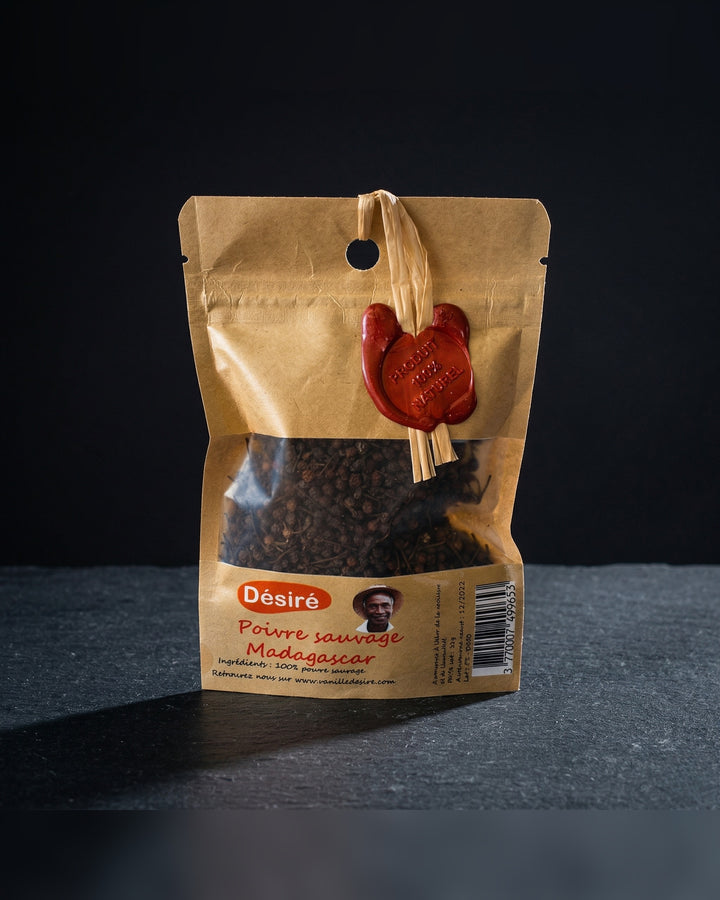
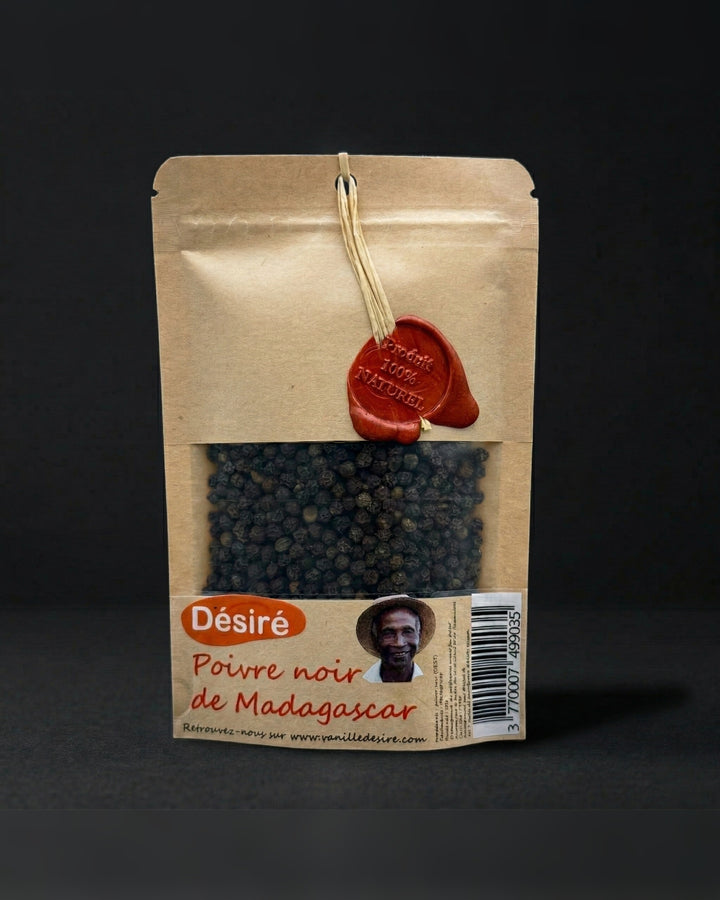
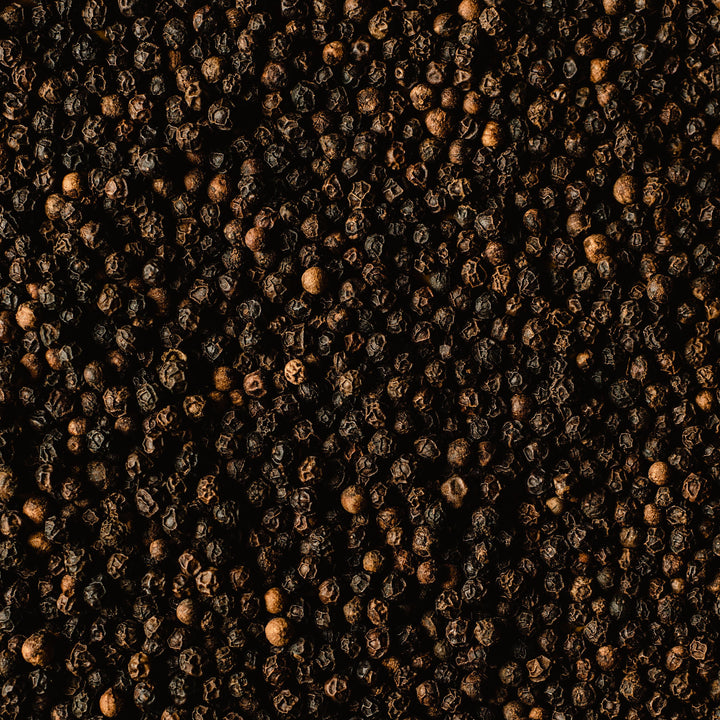
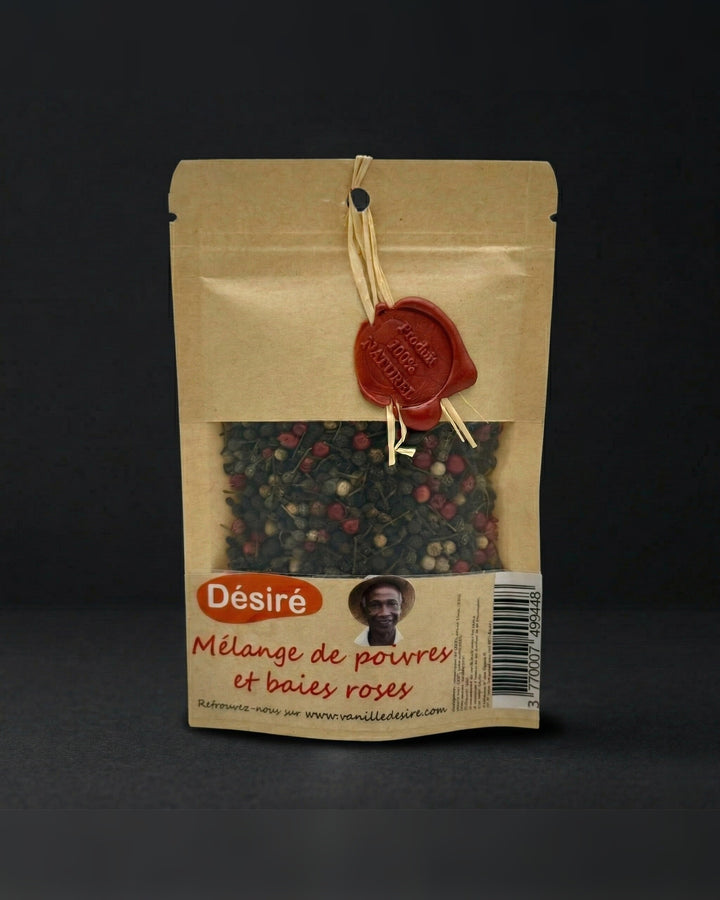
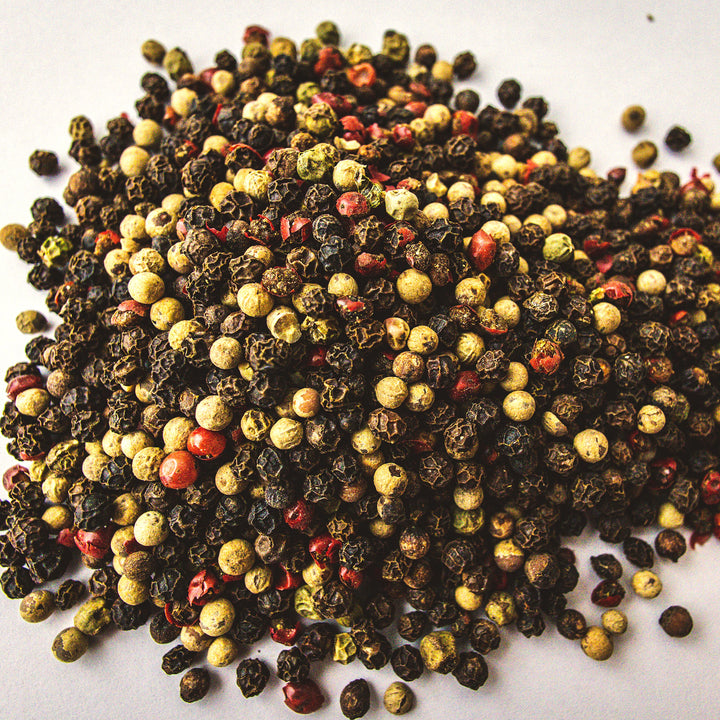
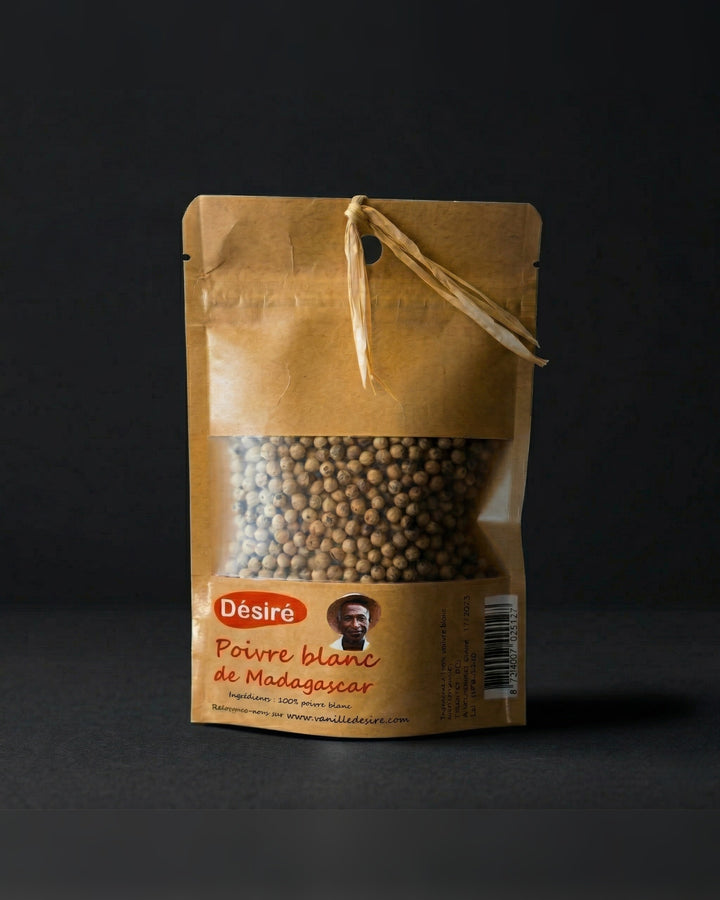
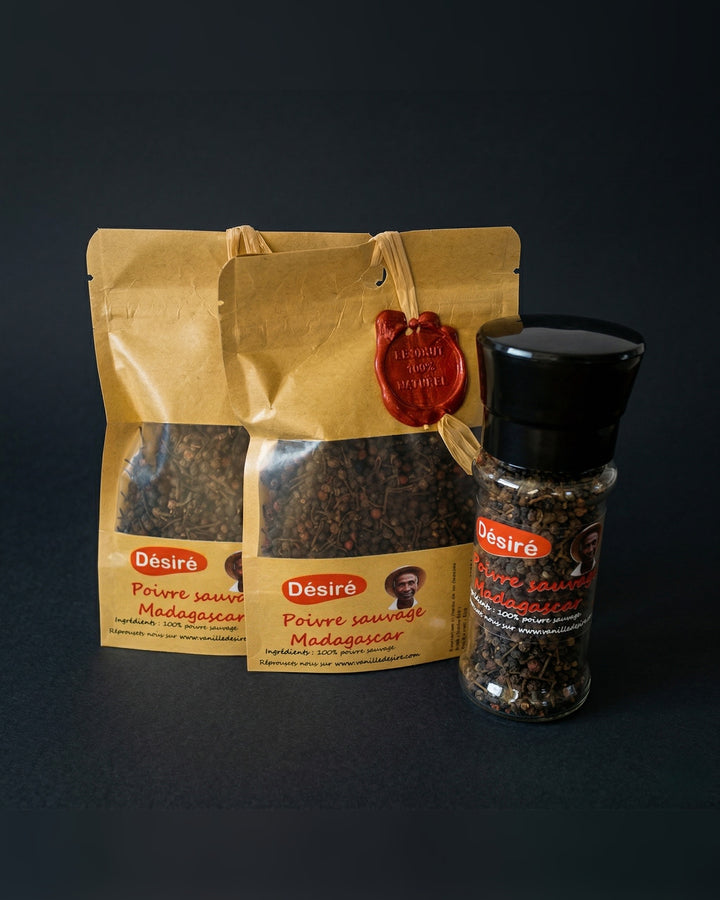
The Caribbean four-spice blend most often combines cloves, black pepper, nutmeg and cinnamon, with variants that replace one or the other with ginger depending on the family or the brand. Some Caribbean houses add ginger this way, in addition to or instead of one of the four base spices, depending on the recipe handed down. It is mainly used to flavour chutneys and stews, and appears in both savoury and sweet preparations. Three of these four spices, cloves, black pepper and cinnamon, come from our range, grown in Vangaindrano, in south-east Madagascar. Nutmeg is not part of it.
Vanilla, the Bourbon name and Réunion
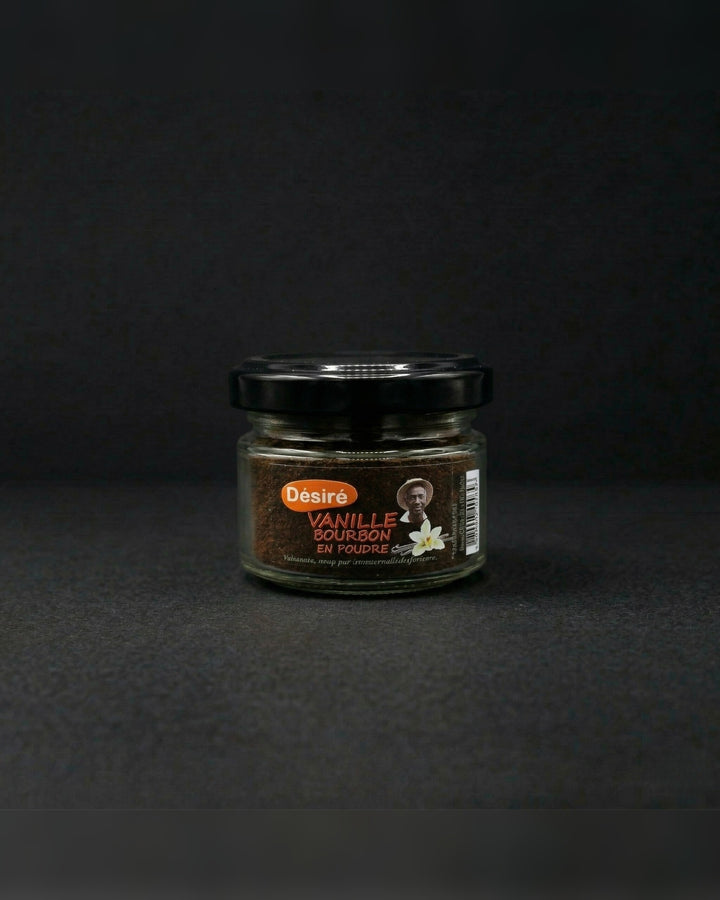
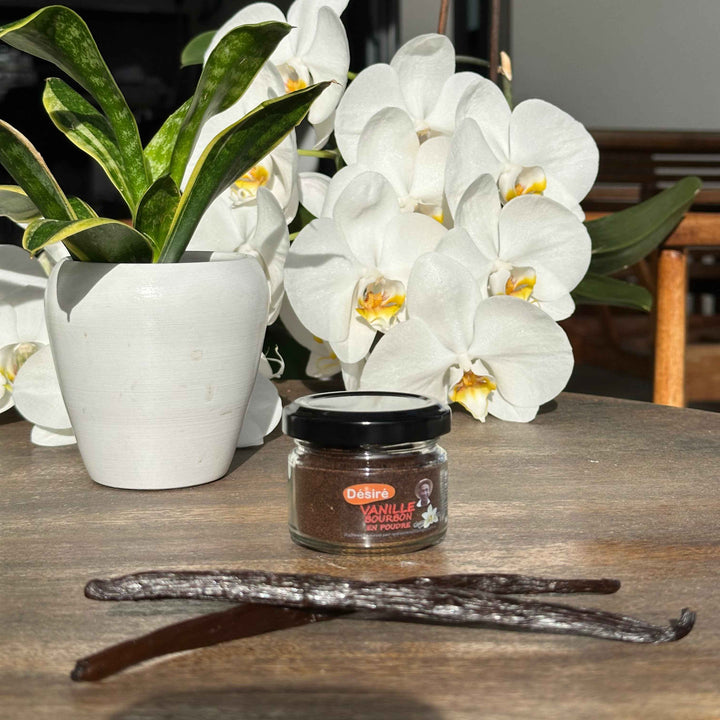
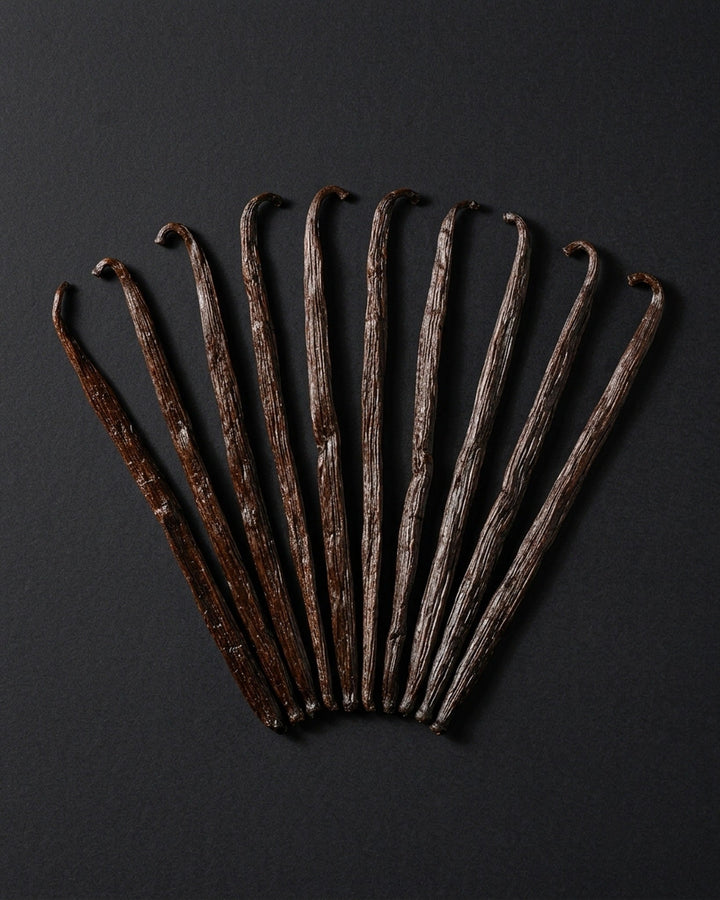
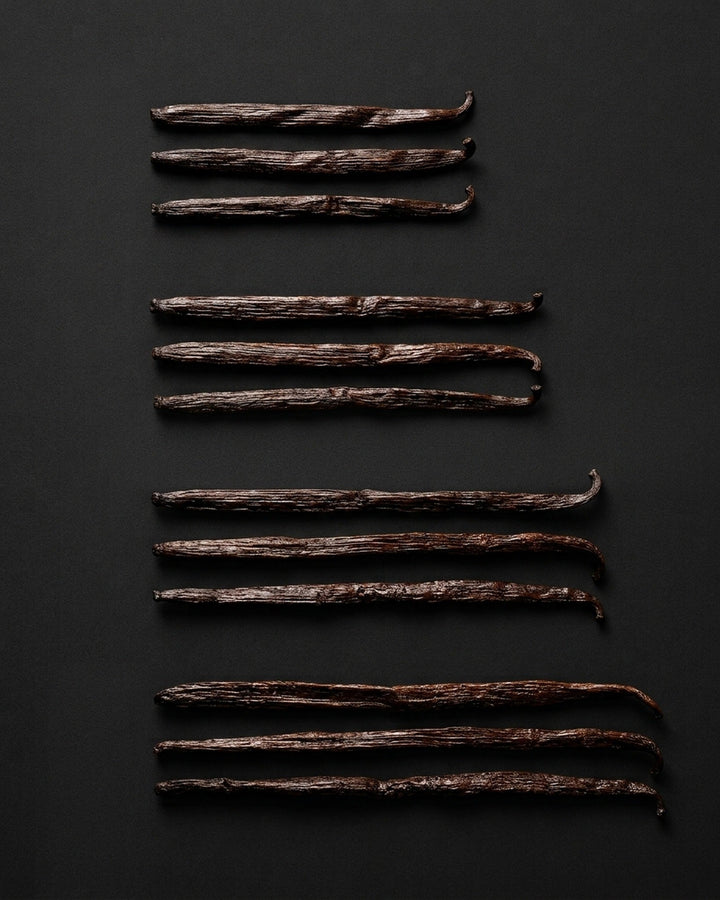
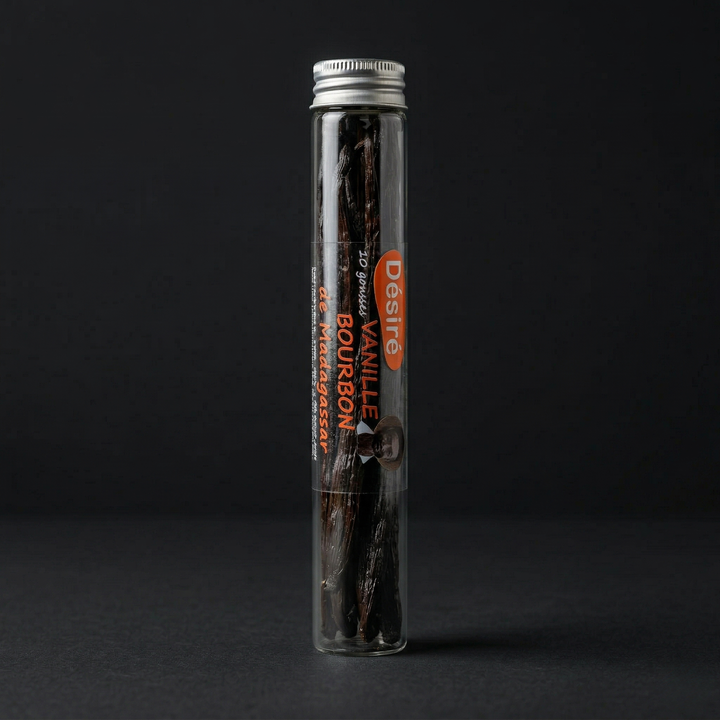
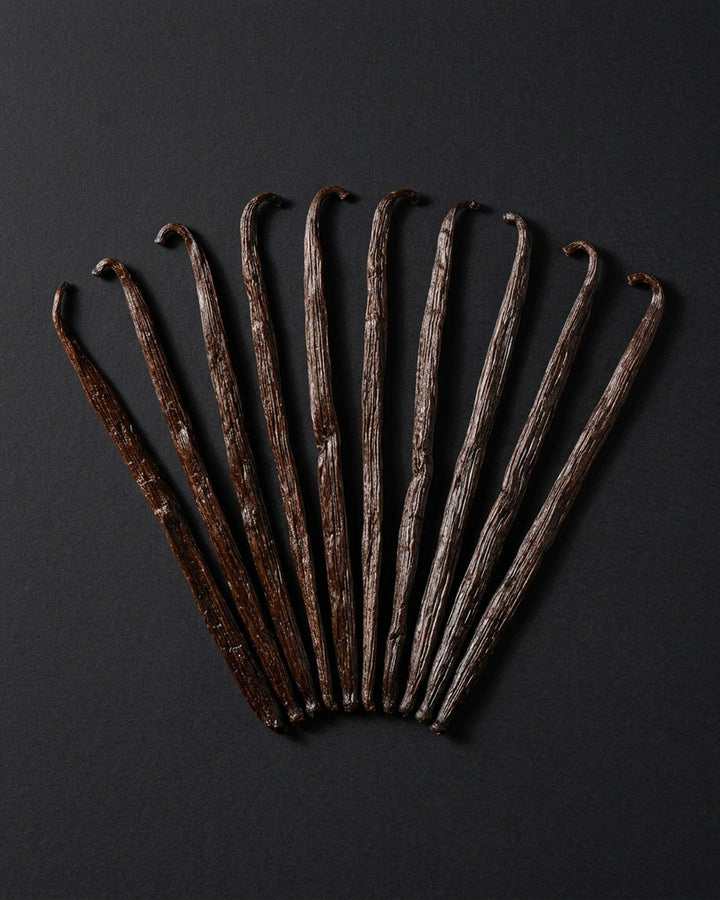
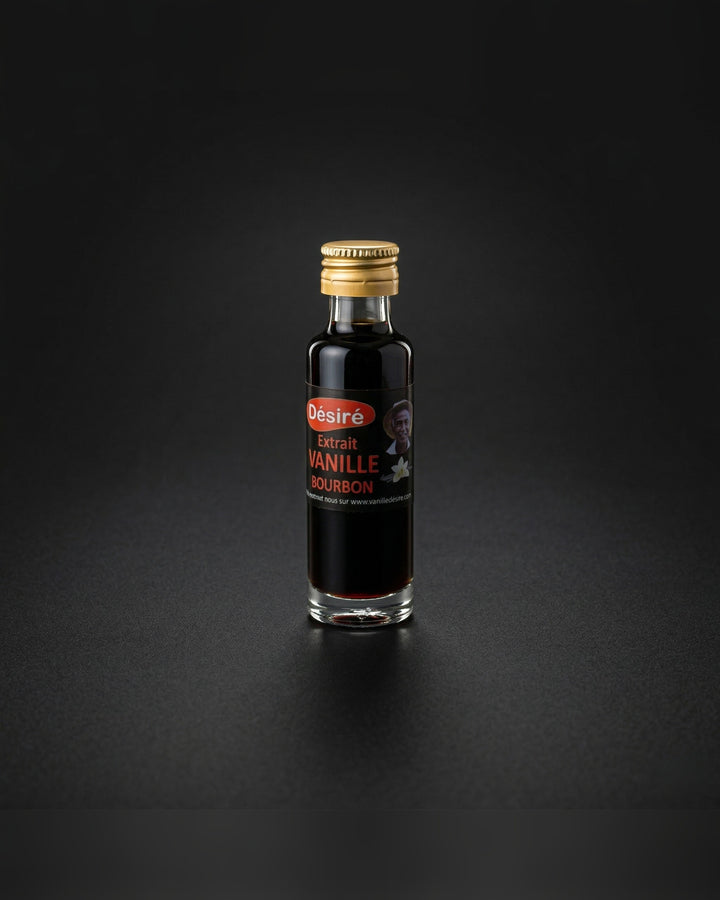
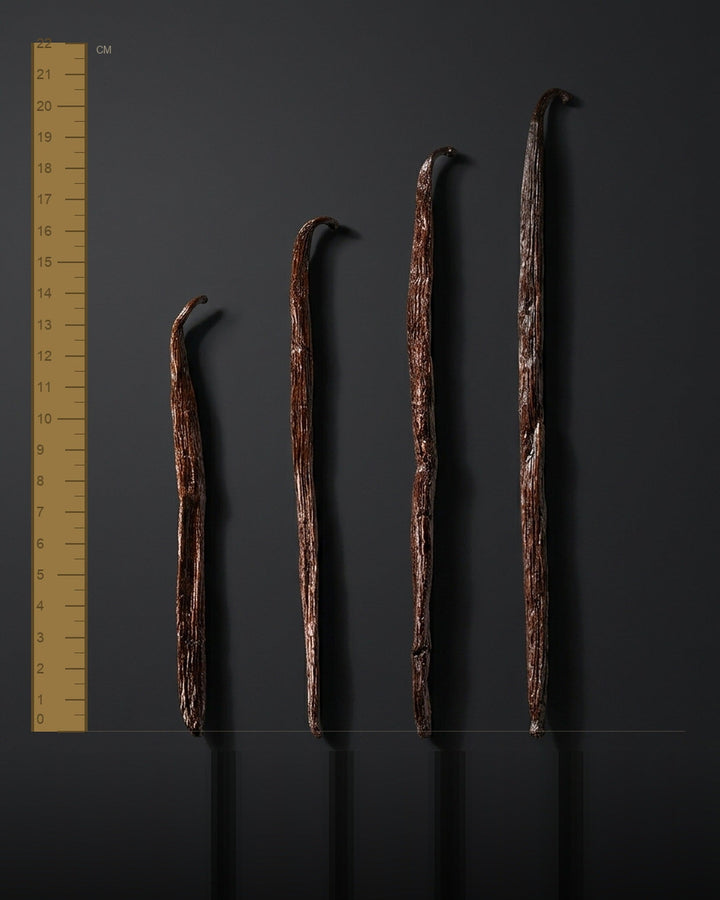
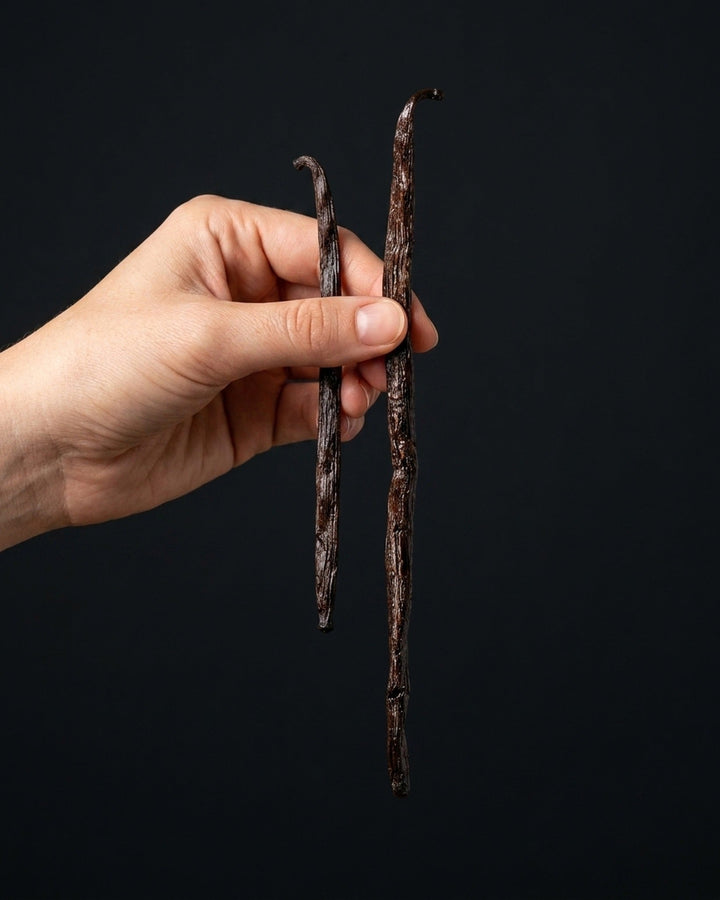
The name "Bourbon vanilla" comes from the former name of Réunion Island, Bourbon Island, named that way in 1649 in honour of the ruling dynasty in France. Vanilla was introduced there in the early nineteenth century, but the vines remained sterile until 1841, when Edmond Albius, a young enslaved boy on the island, discovered the technique of hand pollinating the flower. Vanilla plants were then carried from Réunion to Madagascar by French settlers in the nineteenth century, which is why the term "Bourbon vanilla" now refers to Indian Ocean vanillas as a whole, including Réunion, Madagascar and the Comoros.
Our vanilla is grown and prepared in the SAVA region, in north-east Madagascar: it carries the Bourbon name because of this shared history, but it does not come from Réunion.
Chilli: two traditions, two chillies
Caribbean Creole cooking uses chillies specific to the region, often called "piment végétarien" or habanero pepper depending on the variety, used as a condiment or in cooking. Our pili-pili chilli, picked in Vangaindrano, is a Malagasy chilli, of a different species and a different climate: it does not reproduce the taste of Caribbean chillies, even if it can add heat to a dish in a similar way.
Our Madagascar spices in this cooking
Without fenugreek, cumin or mustard, a full colombo cannot be put together with our range alone. You can, however, draw on this cooking with what we do offer: a stew with turmeric, cloves and pepper, a meat dish with a Malagasy four-spice mix of cloves, black pepper and cinnamon, or a vanilla dessert that echoes the place it holds on both islands. For another Indian Ocean cuisine, see the spices of Malagasy cooking, which shares some products with Creole cooking without following the same blends. The two traditions also meet around spiced punch, where vanilla, cinnamon and cloves play a similar role from one island to the other, even if the recipes and spirits used differ.
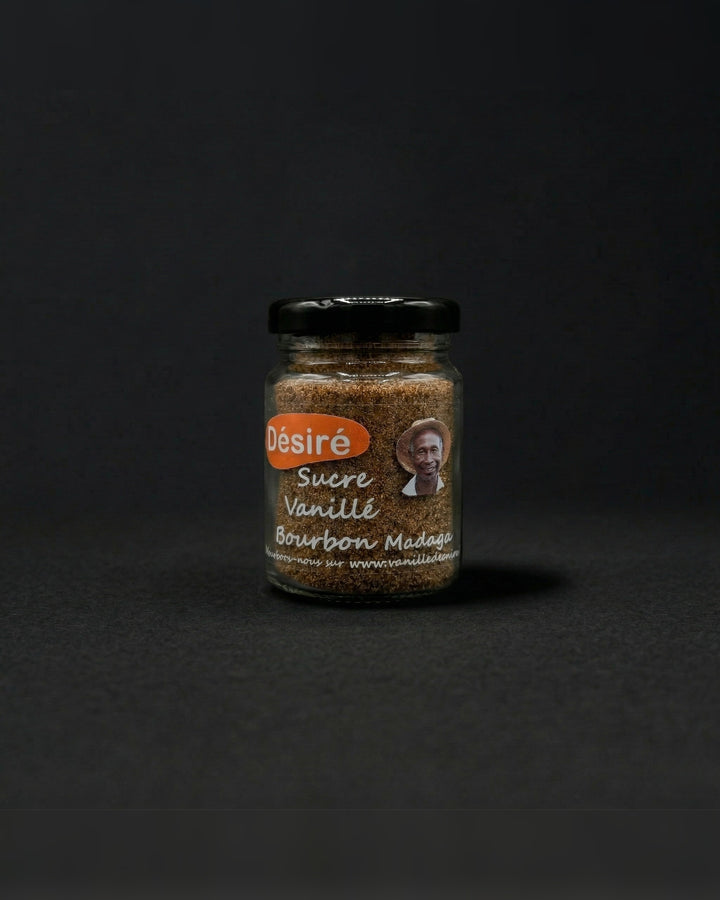
Our products: Bourbon vanilla, turmeric, cloves, black pepper, cinnamon and chilli paste. See also Madagascar spiced punch, a drink that shares some of these spices with the Caribbean tradition.
Frequently asked questions
Is colombo a spice or a blend?
It is a blend, inherited from Indian workers who arrived in the Caribbean in the nineteenth century: turmeric, coriander, fenugreek, cloves, cumin, pepper, mustard and garlic, with turmeric as the base.
Does Vanille Désiré's vanilla come from Réunion?
No. Our vanilla is grown in the SAVA region, in north-east Madagascar. The name "Bourbon vanilla" comes from the former name of Réunion, but it now also refers to the vanillas of Madagascar and the Comoros.
Does our pili-pili chilli replace Caribbean chilli?
No, these are two different chillies. Pili-pili is picked in Vangaindrano, in Madagascar; Caribbean chillies are other varieties, grown in a different climate.
What is the difference between Caribbean Creole cooking and Malagasy cooking?
Both share spices such as cloves, cinnamon or pepper, but their emblematic blends differ: colombo for the Caribbean, inherited from India, and other blends for Malagasy cooking.
The Vanille Désiré team