Quick answer: British cooking relies on two main families of spice blends: mixed spice (cinnamon, nutmeg, cloves, ginger, allspice, coriander) for Christmas pudding and mince pies, and curry powder, a blend invented in Britain to imitate Indian dishes. Our cinnamon, cloves, ginger, black pepper and Madagascar curry all have a place in them, alongside spices we do not offer.
The United Kingdom is not known for a spice-heavy cuisine, and yet two centuries of colonial trade left it with well-established blends: mixed spice for Christmas baking, and curry powder, which has become an everyday ingredient. This page sets out the spices behind these uses, and the place our own Madagascar spices hold in them.
Mixed spice, for pudding and mince pies
Mixed spice, sometimes called pudding spice, is a traditional British blend used in oven-baked pastries: hot cross buns, Christmas pudding, mince pies. Its composition most often brings together cinnamon, allspice, nutmeg, cloves, ginger, coriander and mace, with cinnamon remaining the dominant flavour, followed by ginger and allspice. Proportions vary from one household to another, but the overall balance stays much the same from recipe to recipe.
Three of the spices in this blend are familiar to us: cinnamon, cloves and ginger. Allspice, nutmeg, coriander and mace are not part of our range: they are common ingredients in this baking, not Vanille Désiré products. The hot cross bun, a small enriched bun marked with a cross and traditionally served around Easter, uses the same type of blend, in a more modest quantity.
Christmas pudding and mince pies: three spices, one symbol
The arrival of cinnamon, cloves and nutmeg in England is said to date back to crusaders returning from the Holy Land in the eleventh century, who are thought to have brought their use back with them. This trio of spices later took on a religious meaning in Christmas baking: they are said to recall the gifts the Magi brought to the infant Jesus in Bethlehem. Mincemeat recipes from the fifteenth, sixteenth and seventeenth centuries originally mixed meat, dried fruit and these spices; it was only at the end of the Victorian era that meat disappeared from the recipe, leaving a filling based solely on fruit and suet.
Pudding and mincemeat are traditionally prepared on the Sunday before Advent, "stir-up Sunday", when each member of the family takes a turn stirring the mixture.
Curry powder, a British invention
Curry powder is not a traditional Indian blend: it is a British invention of the eighteenth and nineteenth centuries, devised to let colonists and soldiers returning from India recreate at home a flavour close to what they had known there. One of the earliest known commercial sales dates back to 1784, at the London perfumer Sorlie's. Its composition brings together turmeric, coriander, cumin, fenugreek and other spices, depending on the maker. The word "curry" itself comes from the Tamil word "kari", meaning a sauce, which British colonists applied to a whole family of Indian dishes with very different preparations.
Our Madagascar curry does not follow this British composition: it is a blend based on turmeric and ginger from our own range, designed for everyday cooking, without claiming to recreate an English curry powder or an original Indian blend.
Our Madagascar spices in this cuisine
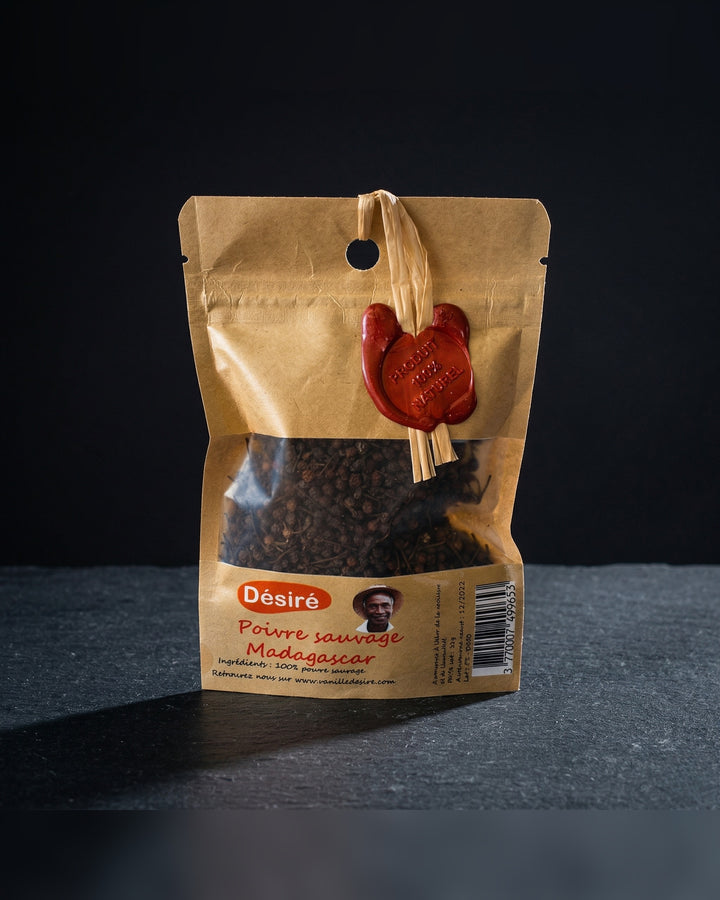
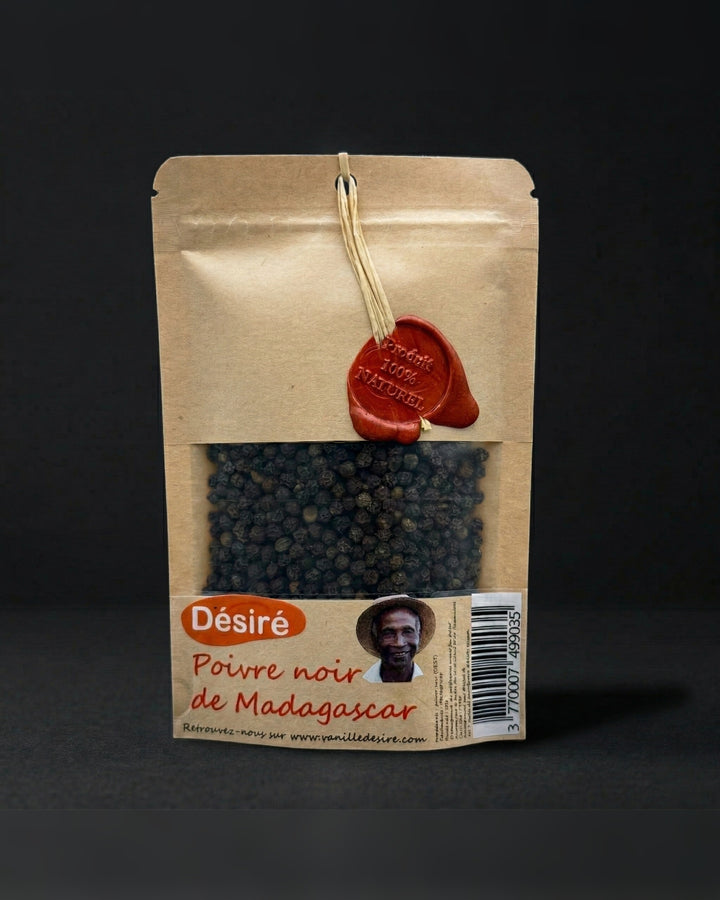
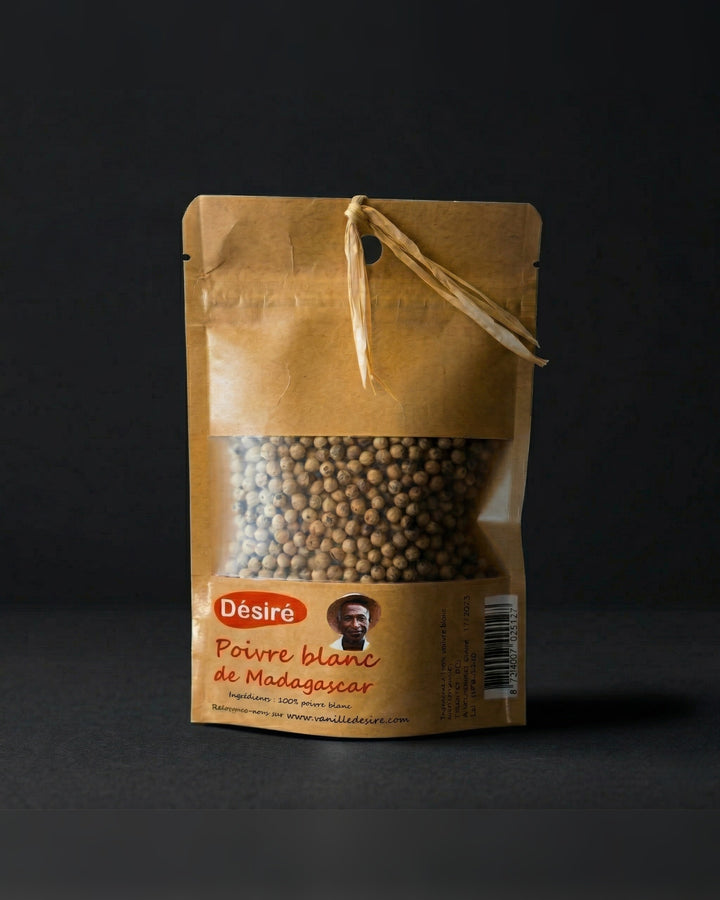
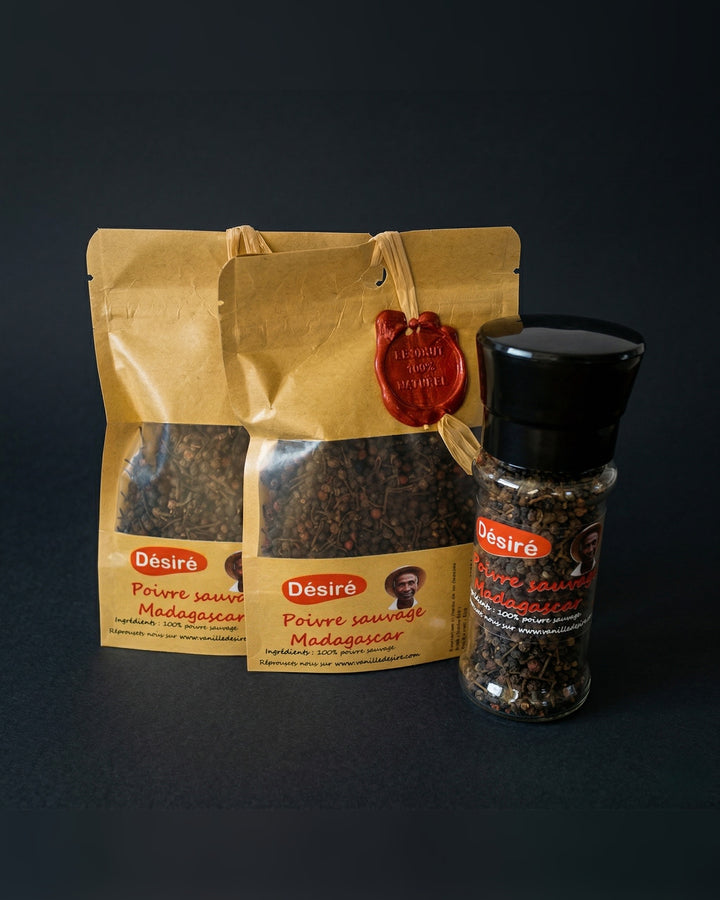
We offer our cinnamon, cloves and ginger grown in Vangaindrano, in the southeast of Madagascar, as well as our black pepper, grown in the same region. Our curry, a blend of turmeric and ginger, differs from it in its composition, shorter than that of an English curry powder. Nutmeg, allspice, coriander and mace remain spices we do not sell. For a more complete Christmas blend, see spices in Christmas baking and putting together your own spice blend. Our curry is covered in detail on the Madagascar curry page, and our black pepper on the Madagascar black pepper page.
Our Madagascar spices: cinnamon, cloves, ginger, black pepper and curry.
Frequently asked questions
Is British curry the same as our Madagascar curry?
No. British curry powder is a blend invented in Britain, based on turmeric, coriander, cumin and fenugreek depending on the maker; our Madagascar curry is a shorter blend, based on turmeric and ginger.
Is nutmeg one of our products?
No. Nutmeg is a common ingredient in British mixed spice, but it is not part of our range.
Can our cinnamon, cloves and ginger be used for a Christmas pudding?
Yes, for part of the blend. The full mixed spice also adds nutmeg, allspice, coriander and mace, which we do not offer.
Why is curry powder said to be a British invention rather than an Indian one?
Because it was put together in Britain, in the eighteenth and nineteenth centuries, for colonists returning from India, and sold commercially as early as 1784; Indian cuisine itself does not use a single blend under this name.
The Vanille Désiré team