Quick answer: Spices do not spoil like a fresh food: they gradually lose their aroma, especially once ground. The best-before date shows how long their taste qualities are guaranteed; past that date, and if the packaging has not been opened or damaged, they remain safe but less fragrant.
A bag of spices forgotten at the back of a cupboard often raises the same question: can it still be used once the date has passed? The answer comes in two parts: safety on one side, taste on the other. This page explains what the date printed on a bag of spices means and at what pace a spice loses its flavour.
The best-before date, a quality date, not a safety one
The date printed on a bag of spices is a best-before date (previously called a "use by" guide for quality), once also known by its French name DLUO. It shows how long the product keeps its own qualities (taste, aroma, texture), without the binding nature of a use-by date, which is reserved for foods that pose a health risk after that date. The best-before date applies precisely to stable products such as tinned food, rice, dried vegetables, coffee or spices. As long as the packaging has not been opened or damaged, a spice past its best-before date can be eaten safely: it has only lost some of its qualities.
Why a spice loses its flavour
A spice's fragrance comes from volatile essential oils, present in the grain or the dried fruit. Over time, air, light and moisture cause these compounds to evaporate or oxidise little by little. It is this ageing, not contamination, that explains why an old spice gives a flatter taste to a dish. The grain or the powder remains edible throughout this time: only the result on the plate changes, a dish then needing a little more spice to find a flavour comparable to that of a more recent product.
Whole or ground: different paces
A whole spice, in seeds or sticks, generally keeps for three to four years: its surface, less exposed to air, protects the aromatic oils better. A classic powder, such as turmeric, ginger or cinnamon, keeps its qualities for one to two years. A ground paprika or chilli, more fragile, often lasts only a single year. A ground blend such as a curry follows a pace close to that of a simple powder, one to two years.
Heat speeds everything up
The breakdown of aromas speeds up markedly with temperature: a spice ages roughly twice as fast for every ten extra degrees. A cupboard near a cooker or a heat source therefore wears a spice out faster than cool storage, away from sources of steam.
Judging an already opened spice, by eye and by nose
To know whether an already opened spice has aged too much, the same senses used when buying it are enough: a fragrance that stays clear and recognisable, a colour that is still vivid rather than dull, point to a spice that has kept its qualities. A faint smell, a faded colour or a powder that has clumped point instead to a spice near the end of its life, without this meaning any risk to health.
Storing well to slow ageing down
The most effective step remains to store spices away from light, moisture and heat, in an airtight container, at a temperature below 20°C if possible. Our page on storing spices in a jar details these everyday steps.
The date also appears on our bags
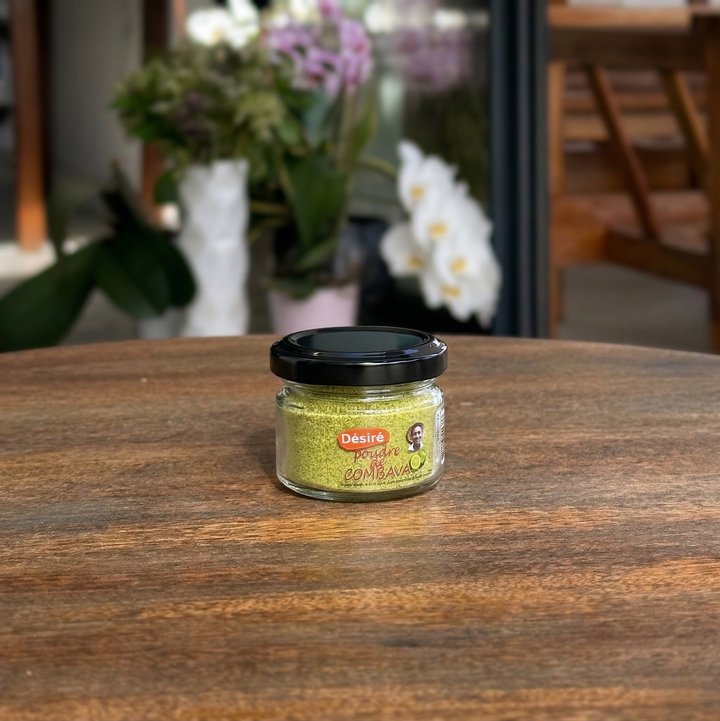
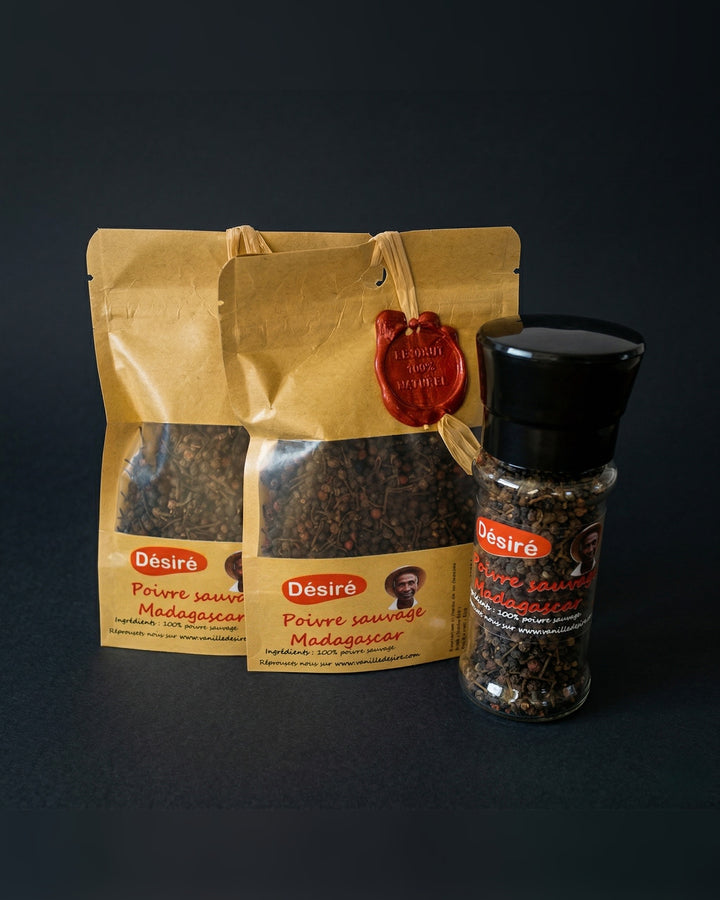
Like any stable product, our bags and jars of spices carry a best-before date on the label. This date gives a reference point for enjoying the spice at its most fragrant; it does not stop you using it afterwards, as long as the container has stayed closed and the smell and colour remain those of a spice that has kept its qualities.
Our spices, whole or ground
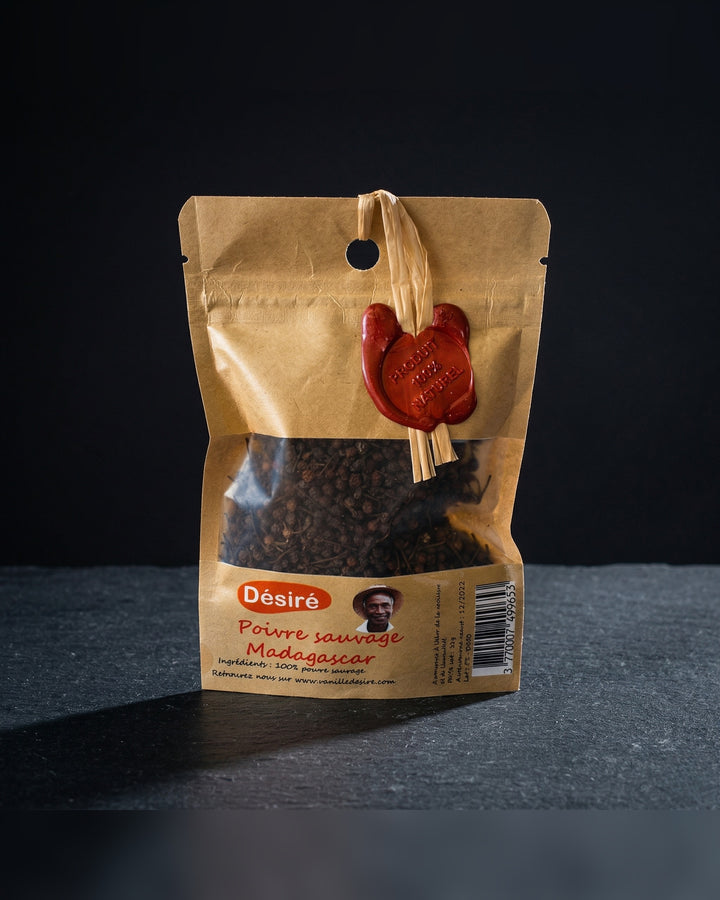
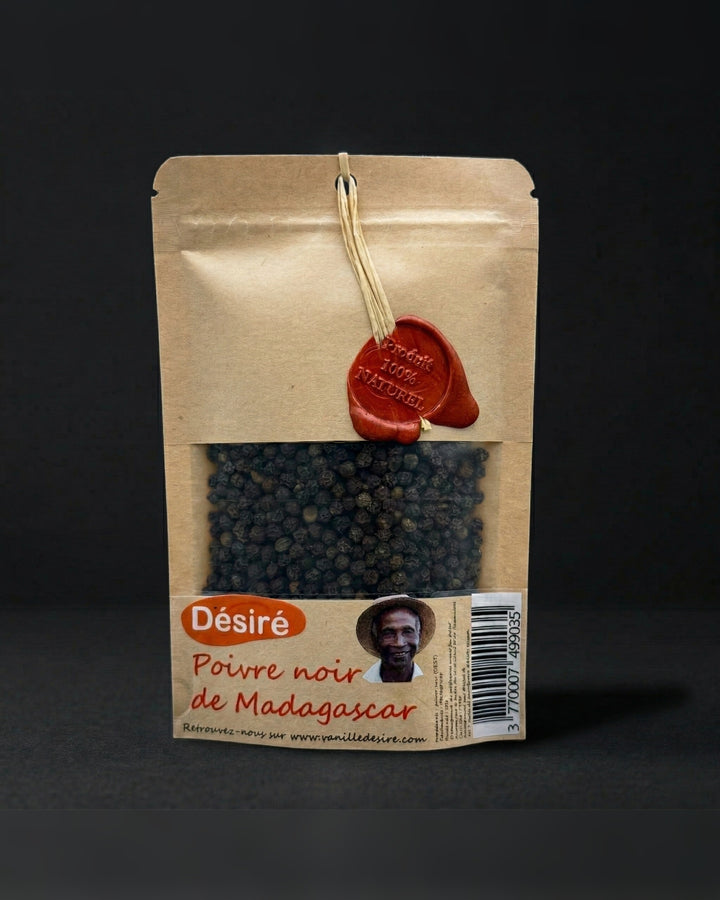
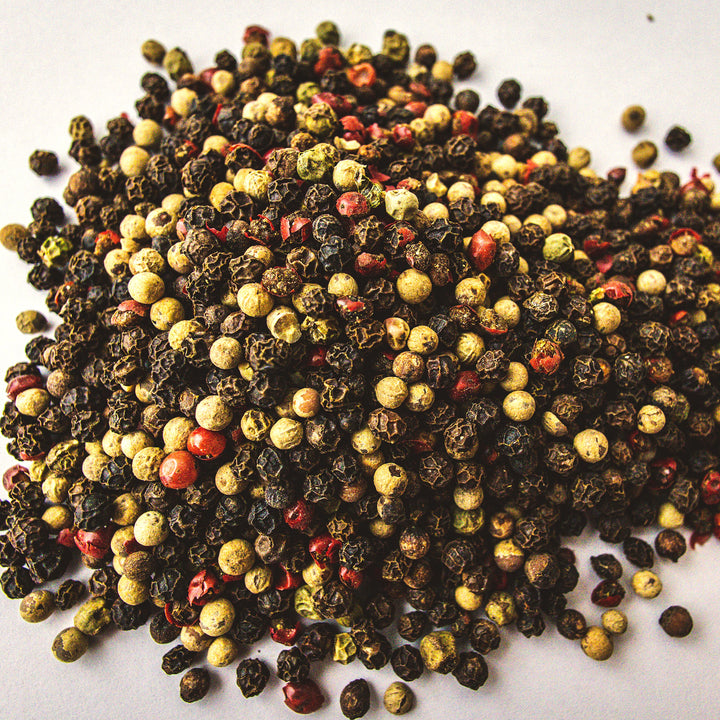
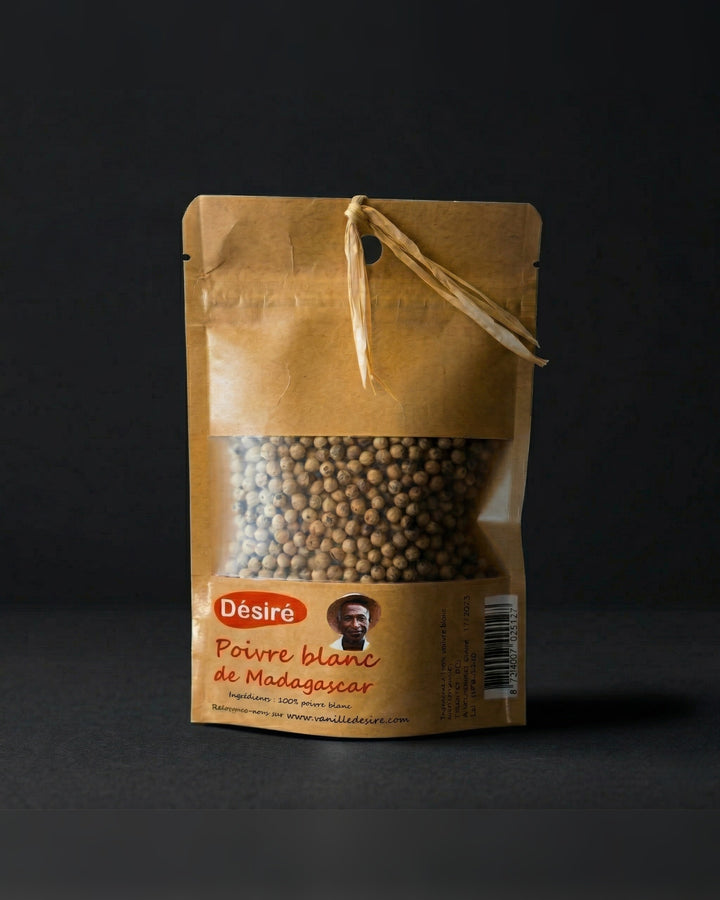
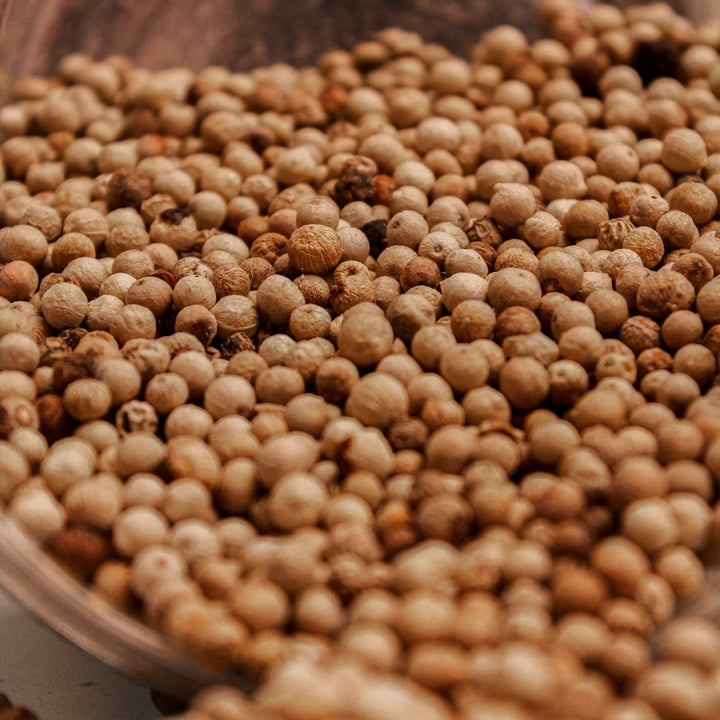
Our family grows and prepares its spices in Vangaindrano, in south-east Madagascar. Cloves are sold as whole buds, pepper as whole grains: two forms that keep longer than a powder. Cinnamon and turmeric are sold ground, for immediate use.
- See the cloves from Madagascar
- See the black pepper from Madagascar
- See the cinnamon from Madagascar
- See the turmeric from Madagascar
Frequently asked questions
Is a spice past its best-before date dangerous to eat?
No: past its best-before date, and as long as the packaging has not been opened or damaged, a spice remains safe; it has only lost some of its aroma.
What is the difference between a best-before date and a use-by date?
The best-before date, which applies to spices, shows how long the product keeps its taste qualities; it does not have the binding nature of a use-by date, reserved for foods that pose a risk after that date.
Does a whole spice keep longer than a ground one?
Yes: a whole spice generally keeps for three to four years, against one to two years for a powder, and sometimes only a year for a ground chilli.
Why does a spice lose its aroma faster in summer?
Because heat speeds up the breakdown of aromatic compounds: a spice ages roughly twice as fast for every ten extra degrees.
The Vanille Désiré team