Quick answer: On mushrooms, ginger and curry fit well into a stir-fry or a simmered dish, black pepper or wild pepper lift a pan-fry at the end of cooking, and pili-pili chilli livens up a bolder preparation. Mushrooms take a bold spice well, without it overpowering them.
Mushrooms, cultivated ones like chestnut mushrooms or wild ones like porcini and chanterelles, take well to several spices in the range, from ginger in a stir-fry to pepper in a simple pan-fry. This page presents these pairings.
Ginger, in an Asian-style stir-fry
Ginger is a common ingredient in Chinese, Korean, Japanese, Vietnamese and several South Asian cuisines, where it goes just as well with meat dishes as with vegetarian ones. On mushrooms cut into strips and stir-fried over high heat, it is added in powder form with a little oil and garlic, at the start of cooking, so its fragrance infuses the dish.
Curry, for a simmered mushroom dish
Curry, a spice blend born in South and Southeast Asia, also goes with mushrooms in a dish simmered with onion and a little cream or coconut milk. Our Madagascar curry is fried briefly in the oil before adding the mushrooms and the cooking liquid, so the heat develops its fragrance.
Peppers, at the end of a pan-fry
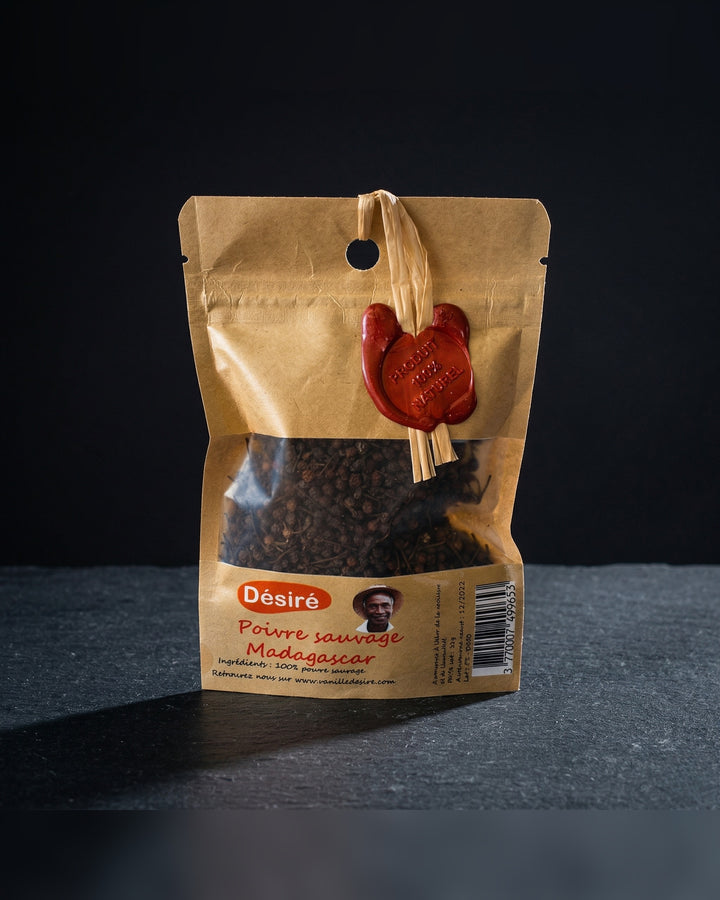
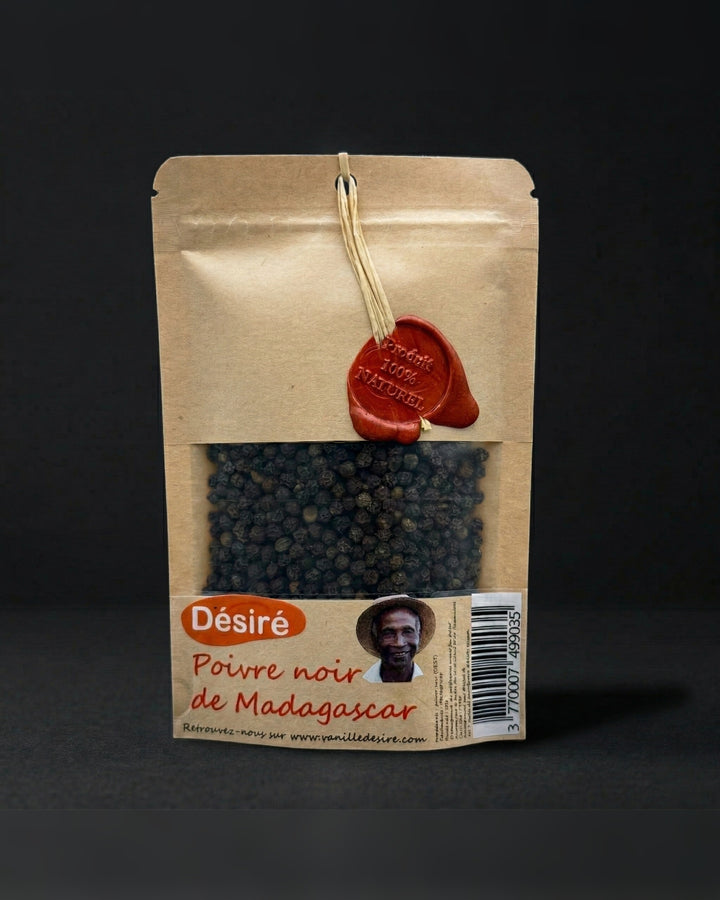
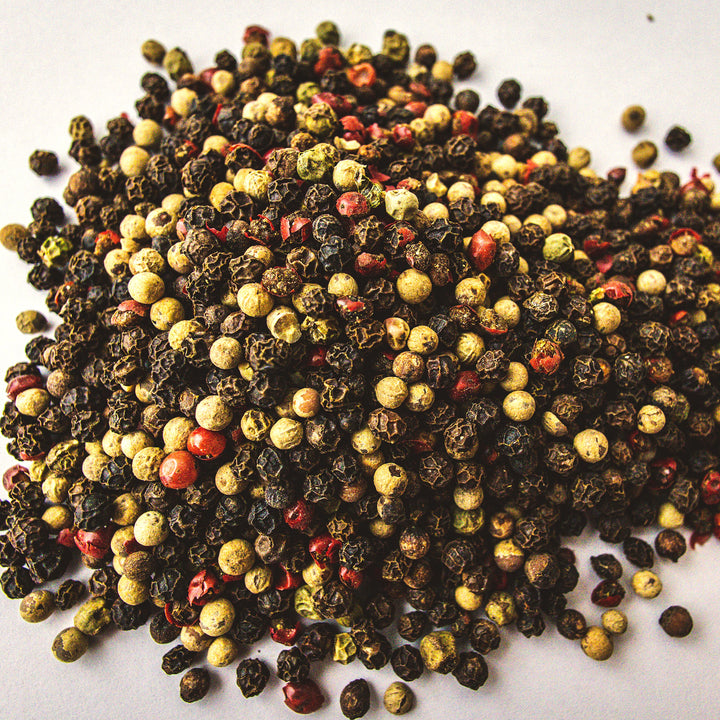
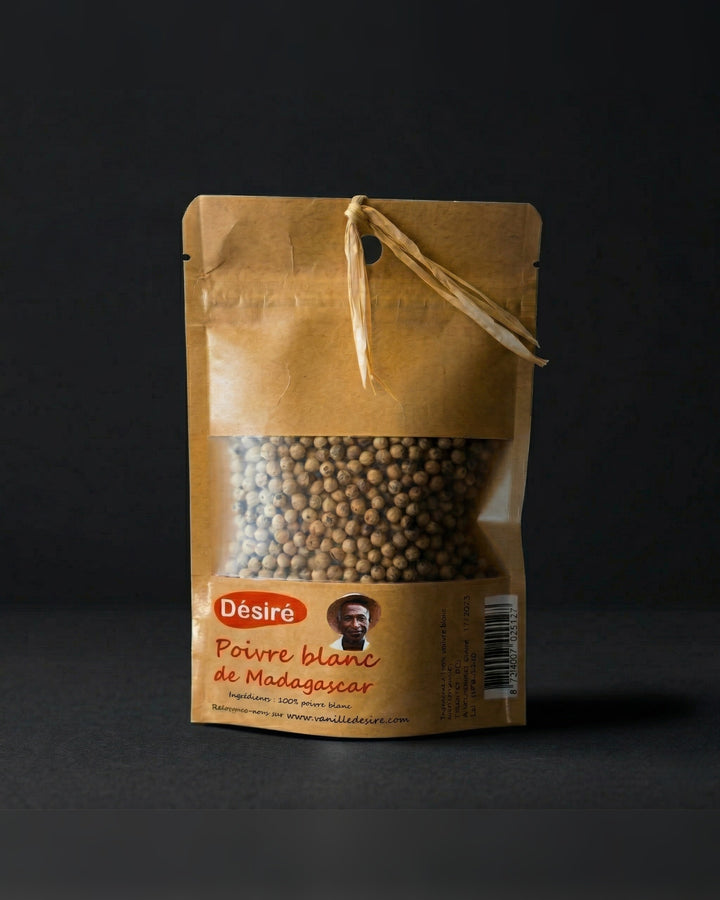
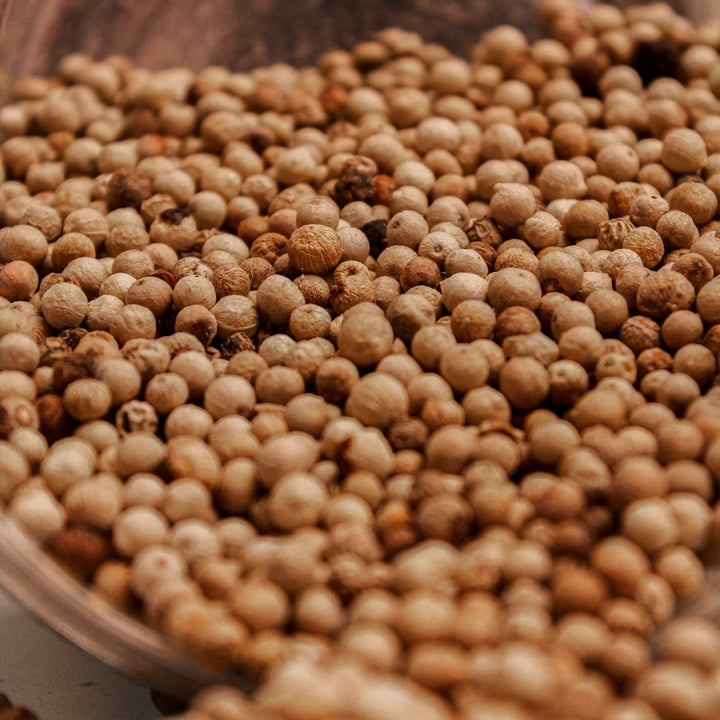
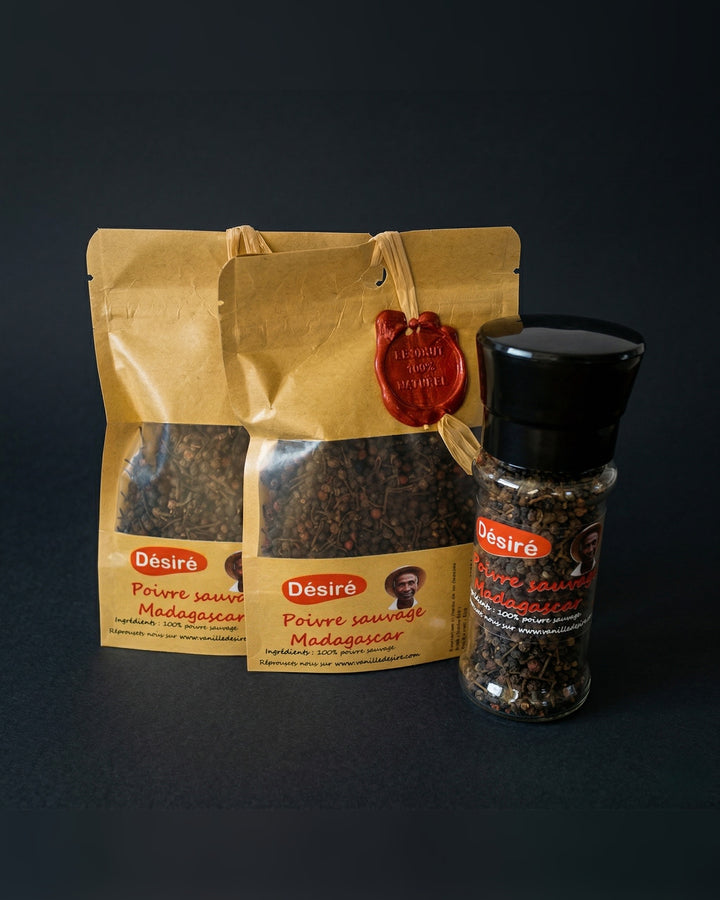
Crushed black pepper, added at the end of cooking a pan of mushrooms, blends into the juices they release without masking their flavour. Voatsiperifery wild pepper, a finishing pepper, is kept for the very last moment, over wild mushrooms such as porcini or chanterelles.
Pili-pili chilli, for a bolder version
Crumbled pili-pili chilli, added at the start of cooking with the garlic, gives a pan of mushrooms a bolder version, close to a garlic and parsley preparation but spicier. It is added gradually, the dish taking on its full strength after a few minutes of cooking.
Before or after cooking
Ginger, curry and chilli show their full potential when added at the start of cooking, in the oil, so their fragrance infuses the mushrooms while they release their water. Peppers, on the other hand, are kept for the end, once the water has evaporated and the mushrooms are golden, so as not to lose their most volatile aromas to heat.
Cultivated or wild mushrooms: adjusting the spice
A chestnut mushroom or an oyster mushroom, with a more neutral taste, takes well to a full curry or a ginger stir-fry without disappearing behind the spice. A porcini, a chanterelle or another wild mushroom, with a bolder taste, is often happy with simply a pepper at the end of cooking, so as not to cover its own fragrance. For roast vegetables, a related page details other spice pairings, which this one does not repeat for mushrooms that are more often pan-fried or simmered.
Where our spices come from
Our family grows ginger and black pepper in Vangaindrano, in the southeast of Madagascar; our curry is a blend made from spices from the same region. The Voatsiperifery wild pepper is gathered in the forest in Vangaindrano, it is not cultivated.
Frequently asked questions
When should ginger be added to sautéed mushrooms?
At the start of cooking, in powder form with a little oil and garlic, so its fragrance infuses the mushrooms while they cook over high heat.
Which pepper should be chosen for wild mushrooms?
Voatsiperifery wild pepper, a finishing pepper, is ground at the last moment over porcini or chanterelles, so as not to lose its finest aromas.
Does curry suit a mushroom dish?
Yes, it is fried in the oil with the onion before adding the mushrooms and a little cream or coconut milk.
How much pili-pili chilli should be used on mushrooms?
Gradually: crumbled in at the start of cooking with the garlic, it takes on its full strength after a few minutes, once the dish is hot.
Our products to go further: Ginger Powder · Madagascar Curry · Madagascar Black Pepper · Madagascar Wild Pepper · Madagascar Pili-Pili Chilli
The Vanille Désiré team