Quick answer: A DGCCRF inspection campaign on powdered spices, published in 2021, found an irregularity in 51% of the 181 establishments visited (importers, traders, wholesalers). The most frequent frauds: an undeclared filler ingredient, a higher grade claimed without being met, or a cheaper spice substituted for a pricier one. Saffron remains the spice most affected.
Spice fraud is not a rumour: it is the subject of regular official checks, in France as in other European countries. France's Directorate-General for Competition, Consumer Affairs and Fraud Control (DGCCRF) has published the results of a campaign dedicated to powdered spices, which gives a precise picture of the practices found on the market. This page summarises what that investigation found, without targeting any particular brand or seller.
A campaign focused on powdered spices
The DGCCRF investigation covered spices sold ground: saffron, pepper, chilli, paprika, curry, turmeric, cumin, coriander, cinnamon and ginger. It visited 181 establishments, mainly importers, traders and wholesalers, to check the fairness of practices and the real quality of the spices placed on the market. In total, 51% of the establishments checked showed at least one irregularity, half of them linked to a simple quality defect.
Types of fraud found
Inspectors sorted the irregularities into several categories. Substituting an ingredient or an undeclared additive accounted for about a quarter of the cases found. A filler substance, foreign starch, salt, sand, olive residue, or a non-edible part of the plant itself, such as an excess of saffron stamens, accounted for nearly a fifth. Labelling defects, net weight below what was stated, non-compliant font size, incorrect product name, concerned 17% of cases, and failure to declare an allergen 7% of them.
Examples found by the investigation
Among the cases cited, safflower, a much cheaper flower, was sold as saffron; a turmeric species, suitable only for medicinal use according to the investigation, was sold for food consumption; Chinese cinnamon (cassia), with a higher coumarin content, was labelled as Ceylon cinnamon. These are not minor defects: one grade claimed for another changes both the price paid and, sometimes, the actual composition of the product.
The spices most affected
Saffron remains, by far, the spice most concerned by the irregularities found, with 81% of cases. Next come pepper (59%), paprika and chilli (54%), then curry and turmeric (41%). These proportions concern the establishments checked by this particular campaign, not the whole spice market.
Why faithful labelling also matters for allergies
Beyond deception over price or quality, an undeclared ingredient can pose a risk for an allergic person. The investigation cites separate incidents, found outside France, where peanut or almond proteins were detected in cumin- or paprika-based products. This is one of the reasons why a spice's ingredients list must stay faithful to what it actually contains.
Who is checked, and why
This campaign targeted mainly producers, importers, processors and traders, the links in the chain where a substitution or a dilution has the most consequences, before the spice reaches a bag meant for the end consumer. A check at this level makes it easier to trace the origin of an irregularity than once the product is spread across many retailers' shelves.
Limiting the risk when buying
An abnormally low price for a spice known to be expensive, a colour or smell that does not match what is expected, or a label that does not state the origin or the exact species, are signals worth taking into account. Our page on choosing quality spices sets out verifiable criteria to check when buying, in shop or online, without targeting any particular seller.
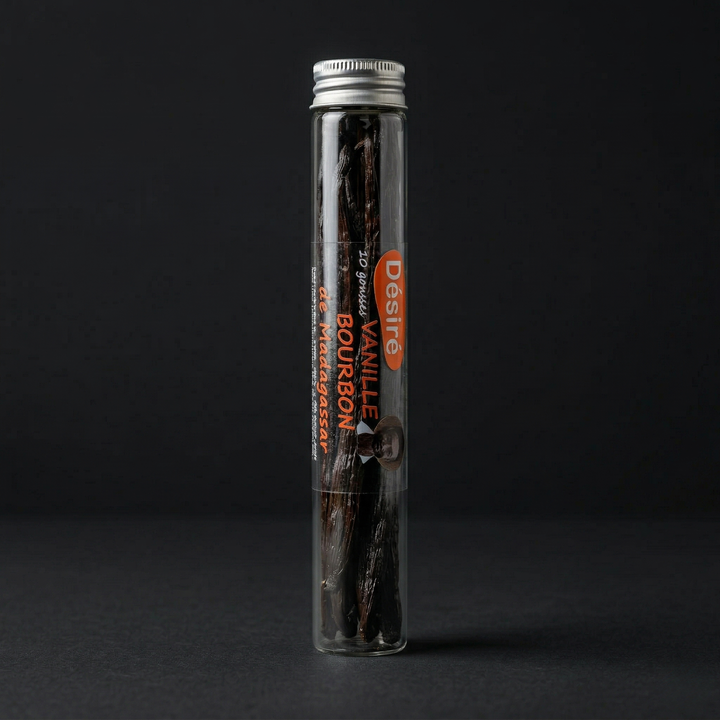
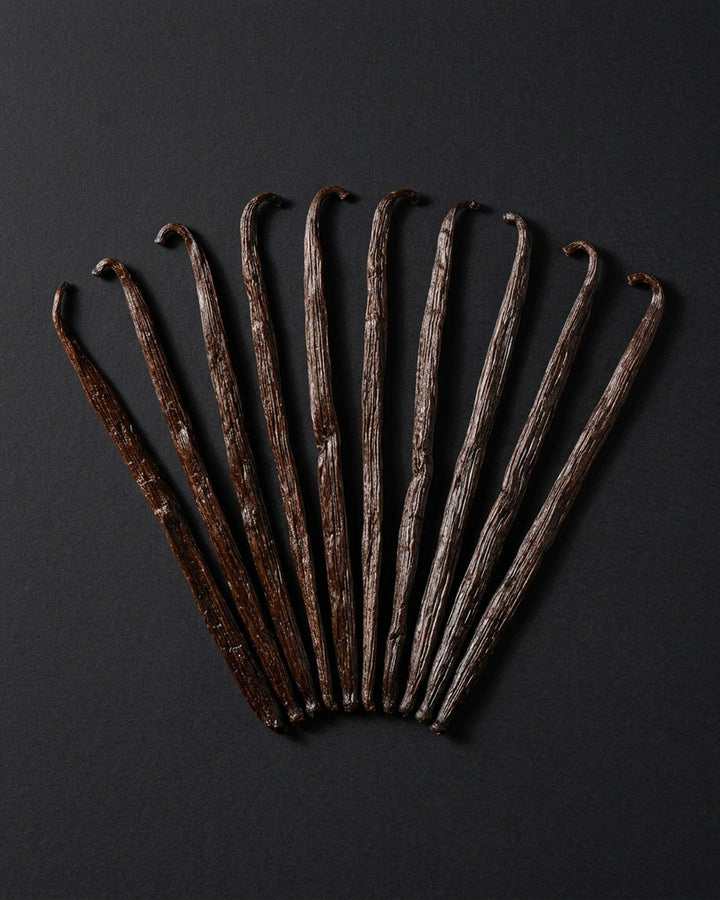
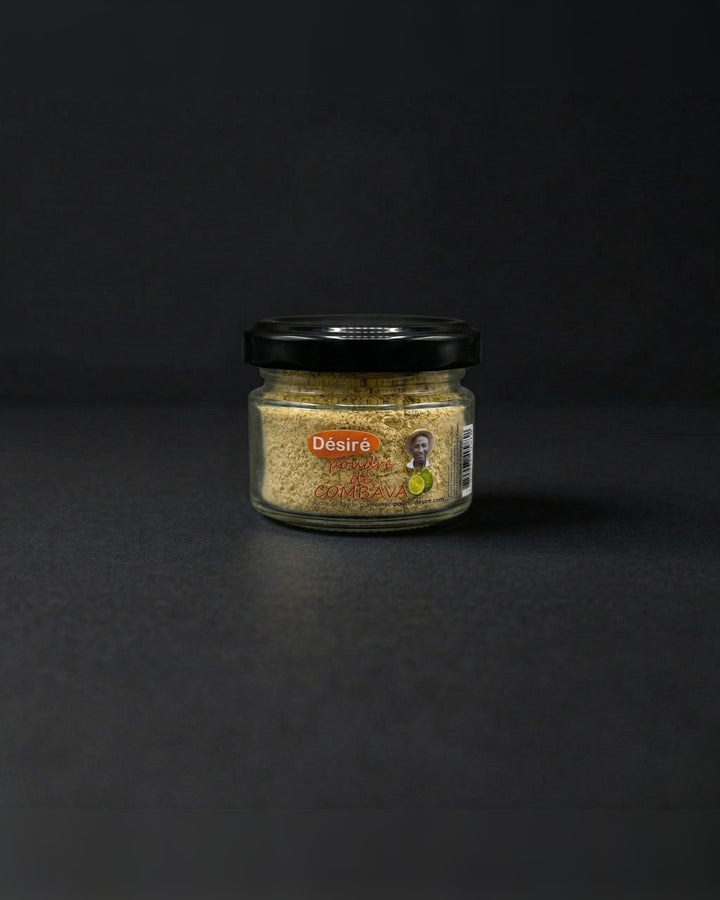
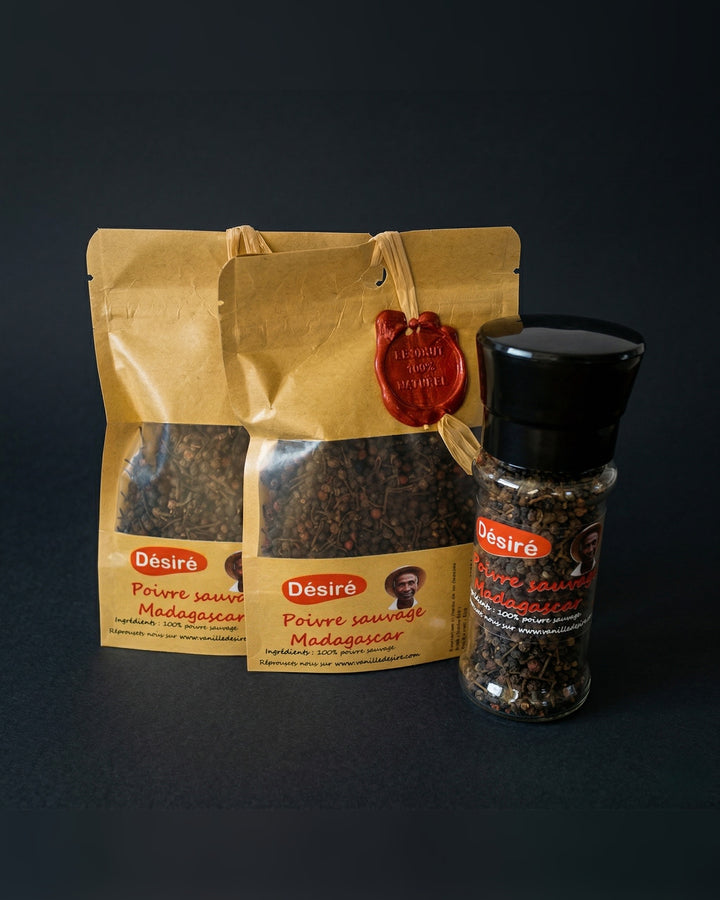
Our Madagascar spices
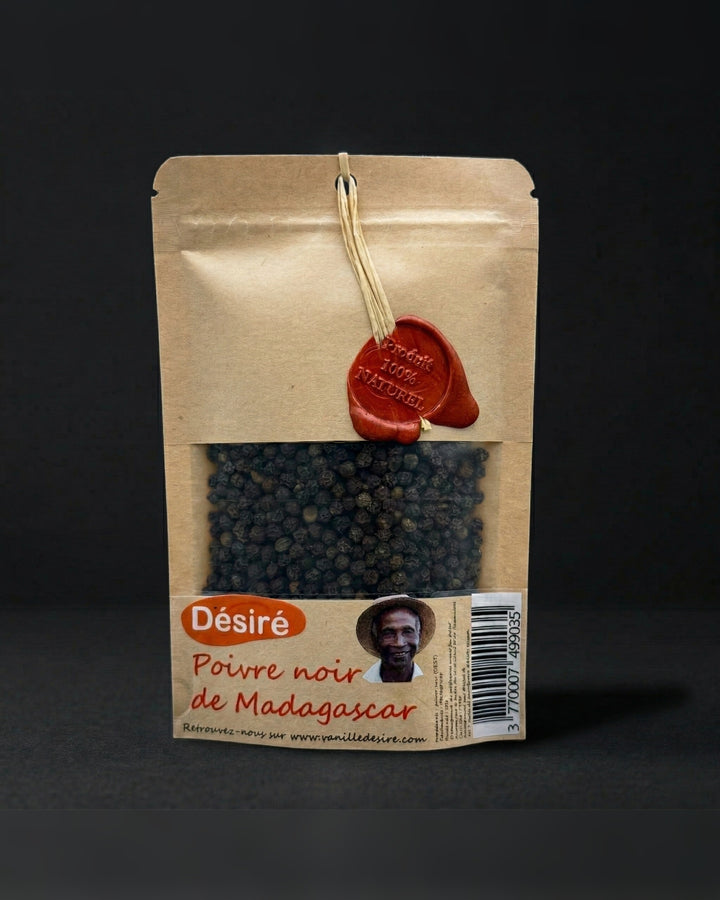
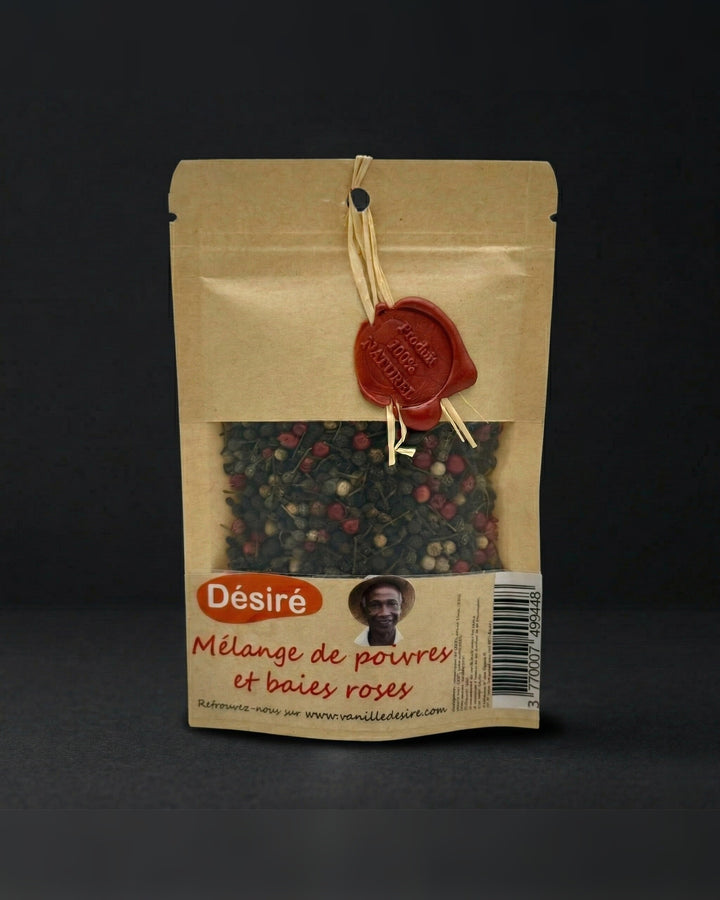
Our family grows its spices in Vangaindrano, in the southeast of Madagascar, and prepares them itself, from the grain to the label.
Frequently asked questions
What is spice fraud, in concrete terms?
According to official checks, it is a substitution with a cheaper undeclared ingredient, a dilution with a filler substance such as starch or salt, or claiming a higher grade than the actual product.
Which spice is most affected by fraud, according to official checks?
Saffron, with 81% of irregularities found in the DGCCRF campaign, followed by pepper at 59%.
Can an undeclared ingredient pose a risk for an allergic person?
Yes, that is one of the risks found by the investigation: peanut or almond proteins, for example, have been detected in cumin- or paprika-based products, in incidents found outside France.
How can a quality spice be recognised when buying?
Our page on choosing quality spices sets out verifiable criteria when buying, in shop or online, such as price, colour, smell and how precise the label is.
The Vanille Désiré team