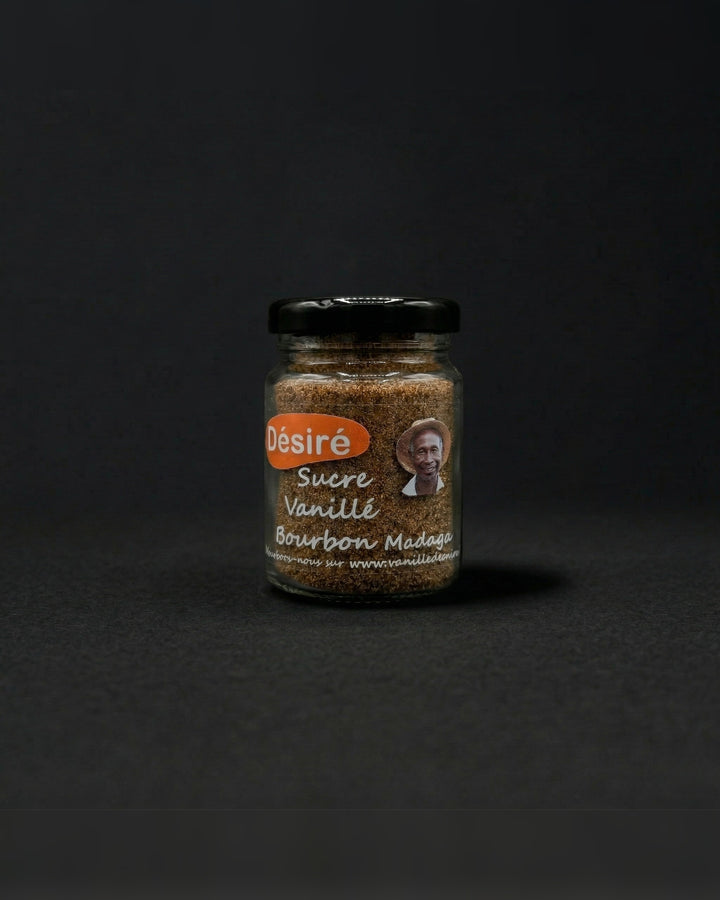
Quick answer: Putting spices in the freezer generally brings no benefit: once taken out, the warm, humid air of the kitchen condenses on the cold container, and this moisture makes a powder clump and lose its aroma. A dry, cool cupboard away from light is enough, for whole spices as much as for powders.
The idea of freezing spices comes up often, out of a reflex to preserve them. For a dry spice, though, the reflex does not actually help: negative cold adds nothing that good storage does not already give, and it adds a problem of its own when moving from cold to warm. This page explains why, and what actually benefits from freezing.
Why the freezer does nothing for a dry spice
A dehydrated spice is designed for dry, temperate storage. For a well-stored stock, negative cold is therefore generally not necessary: it brings no measurable benefit over an airtight container kept away from light and heat.
The real problem: condensation when taking it out
The sensitive point is not the cold itself, but the move from cold to warm. When a container taken out of the freezer reaches a warmer, more humid kitchen, the surrounding air condenses on its walls or on the product itself. A dry powder easily absorbs this moisture: it forms lumps, disperses less well and becomes harder to measure out. Opening the same container repeatedly makes this worse with each cycle.
Whole or ground: neither one gains from it
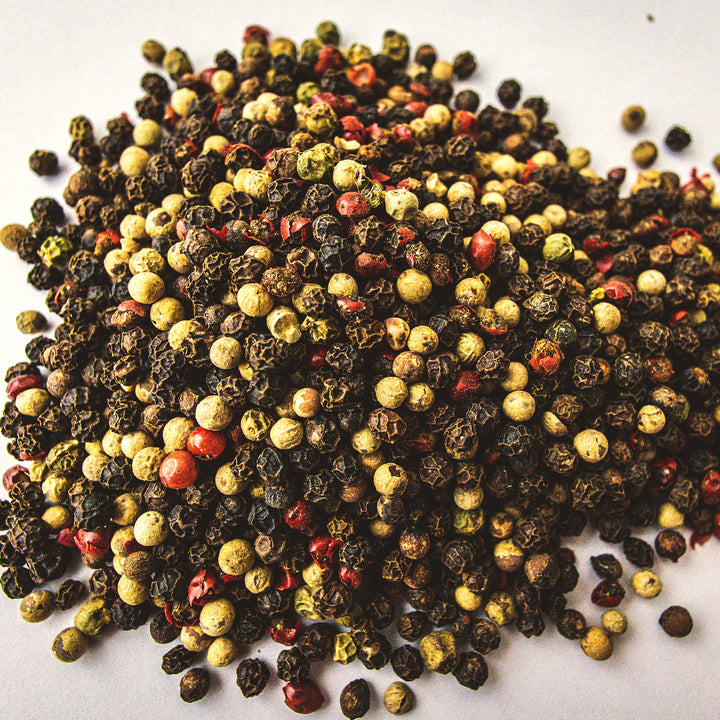
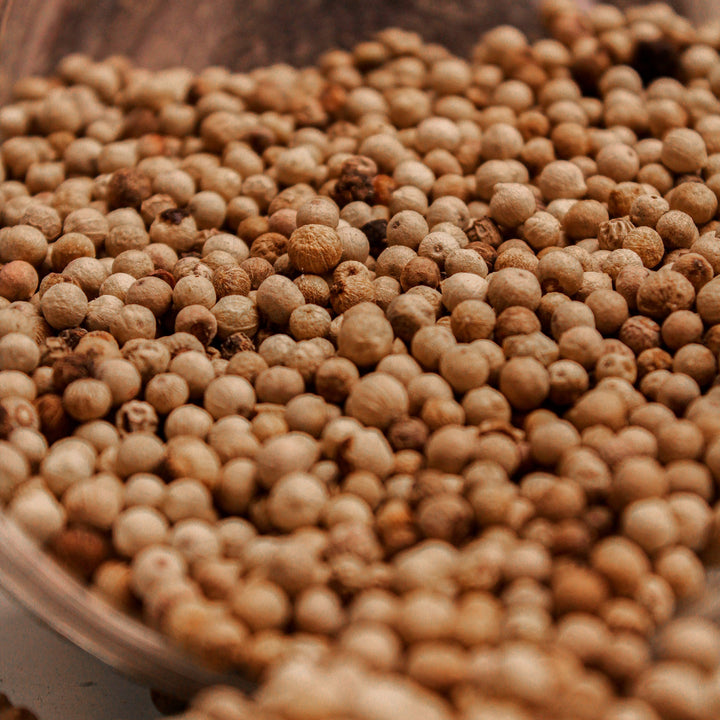
Whole spices, in seeds or berries, generally do not need the freezer: an airtight container is enough to protect them. Ground spices are even more sensitive to these moisture cycles, since their surface exposed to the air is larger than that of a whole grain. Contact with air and moisture speeds up oxidation, which causes a loss of flavour; the ice crystals that form during freezing can also damage the structure of the grain or the powder. Powders such as turmeric lose their aromatic compounds fairly quickly once frozen; some delicate spices, such as saffron, an ingredient Vanille Désiré does not sell, are described as particularly sensitive to it.
Freezer smells, one more risk
A home freezer often holds other strong smelling foods: meat, fish, ready meals. A spice stored there in contact with these smells can absorb them, which adds one more drawback compared with a simple cupboard, with no direct link to repeated opening or moisture.
Cold is not the most common cause of lost aroma
For a dry spice, heat, light and moisture remain the most common causes of lost aroma over time, well ahead of cold. That is why storage kept away from these three factors protects a spice more than a trip through the freezer, which mainly adds the condensation risk described above without removing these three main causes.
The freezer reflex, and why it does not apply here
For a fresh food, the freezer stops most of its ageing. A dry spice has already been through the step that makes it stable at room temperature: its moisture was removed during drying, not kept as it would be in a fruit or a piece of meat. The benefit of negative cold, real for a fresh food, is therefore not found in the same way for a powder or a grain that is already dry.
What actually benefits from freezing: pastes and moist bases
Freezing keeps its value for moist preparations, such as a curry paste or a base of fresh garlic and ginger, provided it is packaged carefully. That is a different situation from a dry spice in powder or grain form, for which the same benefit has not been observed.
What about vanilla?
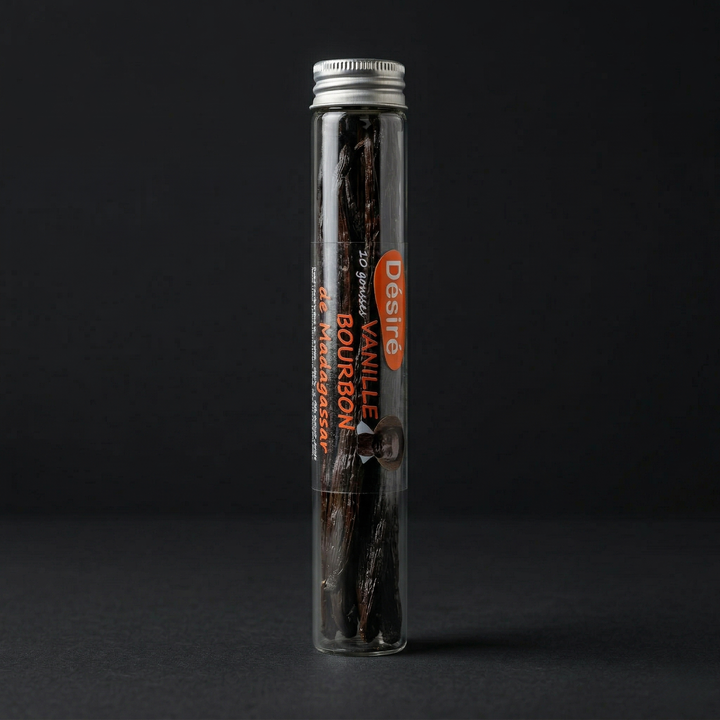
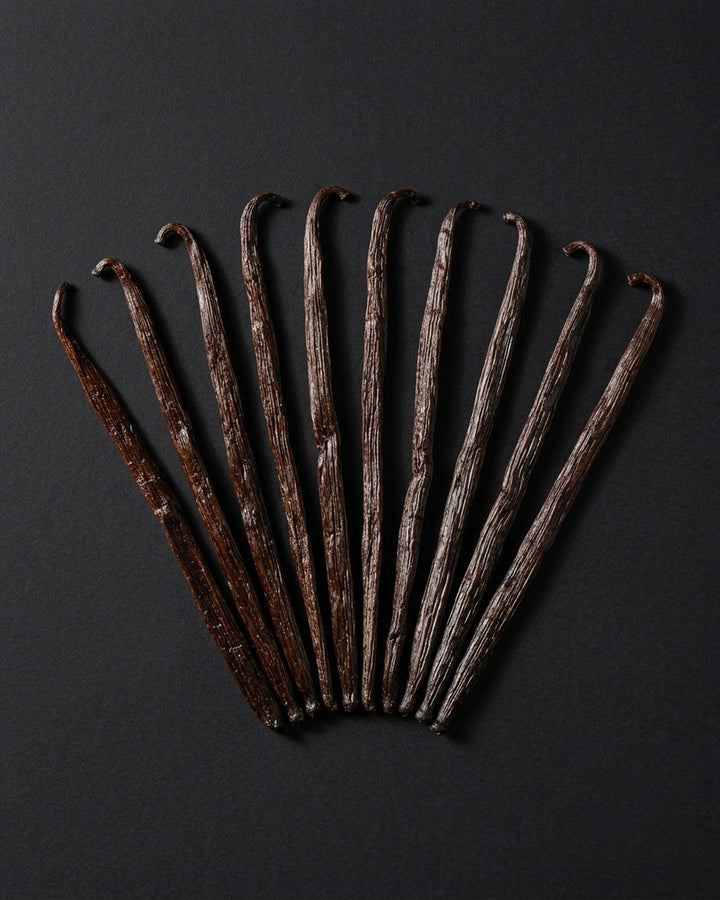
Vanilla is not a dry spice like the others: pods, caviar and extract follow their own rules, detailed on our page can vanilla be frozen.
Keeping spices dry, not cold
For our spices, whole or ground, the storage that works stays the same: an airtight container, away from light and moisture, in a cupboard rather than the freezer. The detail of these steps is on our page storing spices.
Frequently asked questions
Can ground spices such as turmeric be frozen?
It is not recommended: the powder absorbs the moisture that condenses when taken out of the freezer, which makes it clump and lose its aroma.
Does the freezer also damage whole spices?
Whole spices do not gain from it either: an airtight container in a dry, cool cupboard is enough to protect them, without the freezer's moisture cycles.
Why does condensation cause a problem on a jar of spices?
Because a cold container taken into a warmer, more humid kitchen becomes covered in condensation, and a dry powder easily absorbs this moisture.
And can vanilla be frozen?
Vanilla follows its own rules, detailed on our page about freezing it; pods, caviar and extract do not behave like a ground spice.
The Vanille Désiré team