Quick answer: A spice treated by irradiation, a process that exposes it to gamma rays, X-rays or an electron beam, must carry the words "treated by irradiation" or "treated with ionising radiation" on its label, whether pre-packaged or sold loose. In France, this treatment is only authorised for a precise list of foods, including dried spices and aromatic herbs, with a maximum dose set by order.
Irradiation, also called ionisation, consists of exposing food to radiation to reduce its microbial load or slow the development of insects, without cooking it. The process is old and has been governed by European and French law since the late 1990s: it is only authorised for certain foods, at certain doses, and must always appear on the label. This page explains what the regulation says, without ruling on the status of our own spices, which remains to be checked separately.
What irradiating a food means
French decree No. 2001-1097 on the irradiation treatment of food intended for human or animal consumption authorises three types of radiation: gamma rays (cobalt-60 or caesium-137), X-rays with a maximum energy of 5 MeV, and electrons with a maximum energy of 10 MeV. Excluded from the scope of this decree are foods exposed to radiation only for inspection purposes, at a limited dose, as well as those intended for patients under medical supervision who require sterilisation.
The European framework: Directive 1999/2/EC
Directive 1999/2/EC of the European Parliament and of the Council, of 22 February 1999, harmonises Member States' rules on foods and food ingredients treated with ionising radiation. It governs the conditions for manufacturing, marketing, importing and the compulsory labelling of these products. A treatment by irradiation is only authorised if it is justified on technological grounds, if it poses no risk to health, and if it is carried out for the benefit of the consumer: these are the legal conditions for authorisation set out by the text, not a judgement of taste or quality.
The wording that must appear on the label
Article 6 of Directive 1999/2/EC requires the wording "treated with ionising radiation" or "treated by irradiation" on the labelling or packaging of a treated product, whatever the quantity of irradiated food in the finished product. The French decree specifies how this wording must appear depending on the method of sale: on the label for a packaged product, on a sign or notice placed near the container for food sold loose, and in the ingredients list when the irradiated food is used as a component in a composite product.
What is authorised in France, and up to what dose
In France, the order of 20 August 2002 on foods and food ingredients treated with irradiation sets out, in Annex I, the list of foods that may be irradiated and the maximum dose authorised for each. Dried aromatic herbs, spices and plant-based condiments are on it, with a maximum dose of 11 kGy. The list stays short and precise: it also includes, for example, frozen aromatic herbs, onion, garlic, shallot, strawberry, rice flour, dehydrated vegetables, dried fruit, corn flakes and muesli, raw-milk Camembert, poultry meat and frogs' legs, each with its own maximum dose. Any food not on this list cannot legally be irradiated in France.
A register kept by each establishment
Decree No. 2001-1097 requires any establishment that carries out irradiation to keep a register for five years, stating the type of radiation used and the treatment parameters applied to each batch. It is this register, not the label itself, that control authorities check to make sure a declared treatment matches what was actually carried out.
One wording among others
The wording "treated by irradiation" is added to the other compulsory pieces of information on a spice label, such as the minimum durability date. Before buying, reading a label in full remains the surest way to know what a bag really contains: our page on choosing quality spices sets out other criteria to check.
Our spices
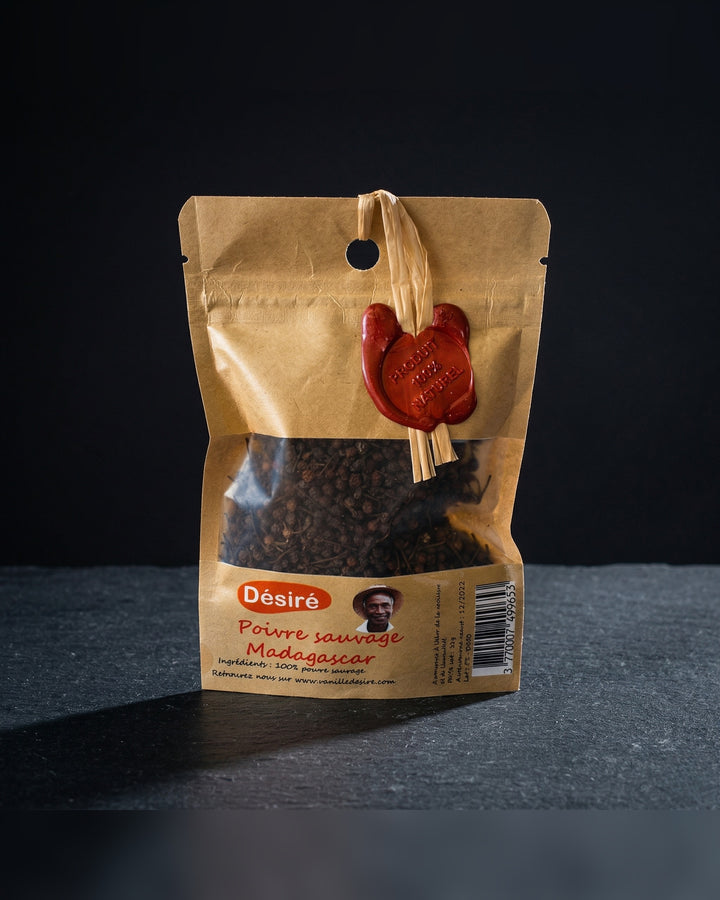
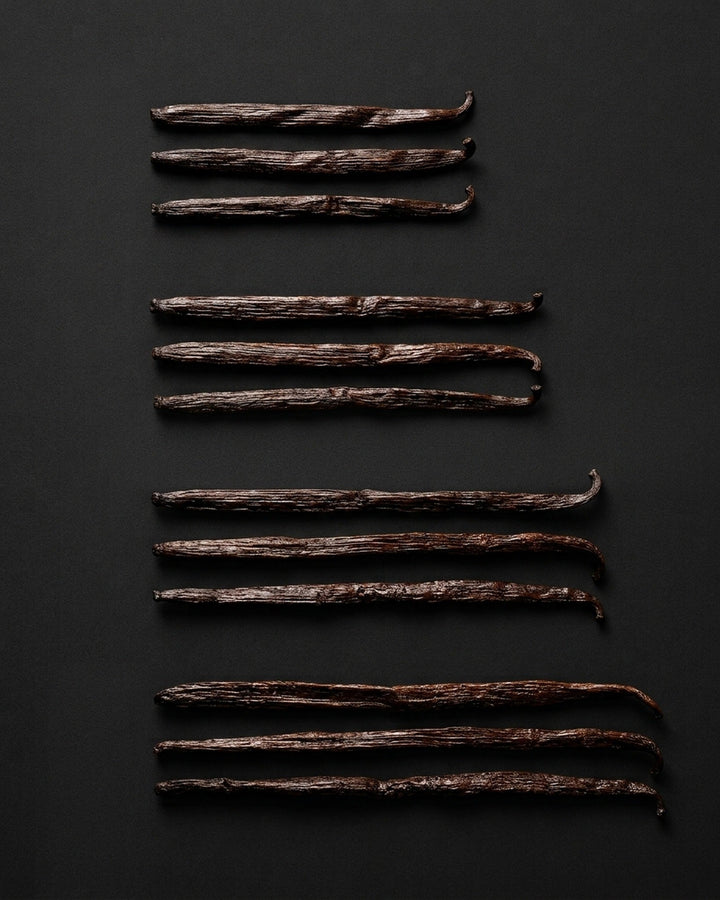
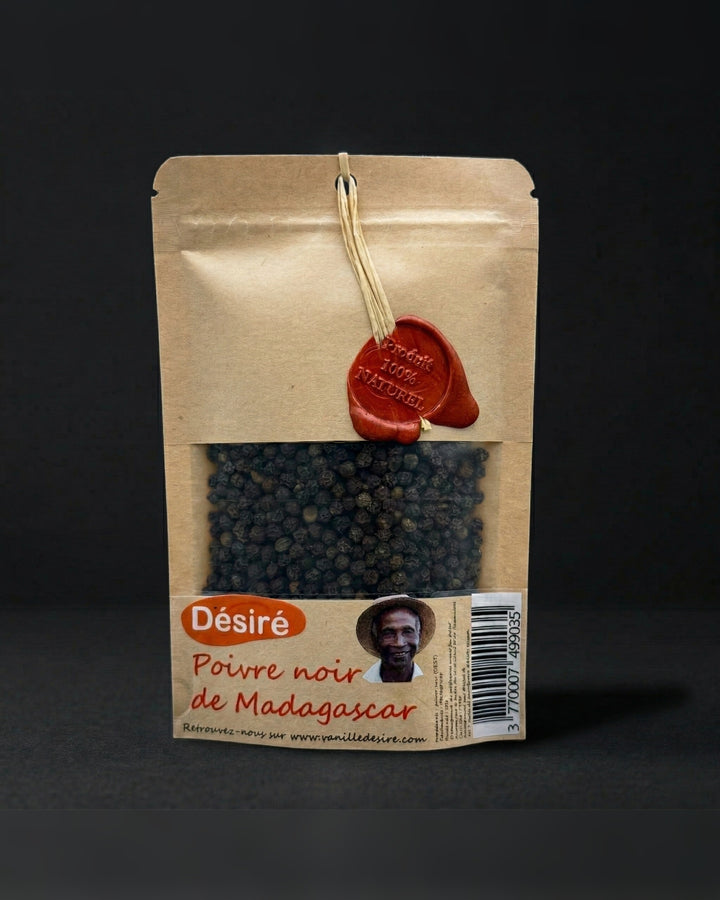
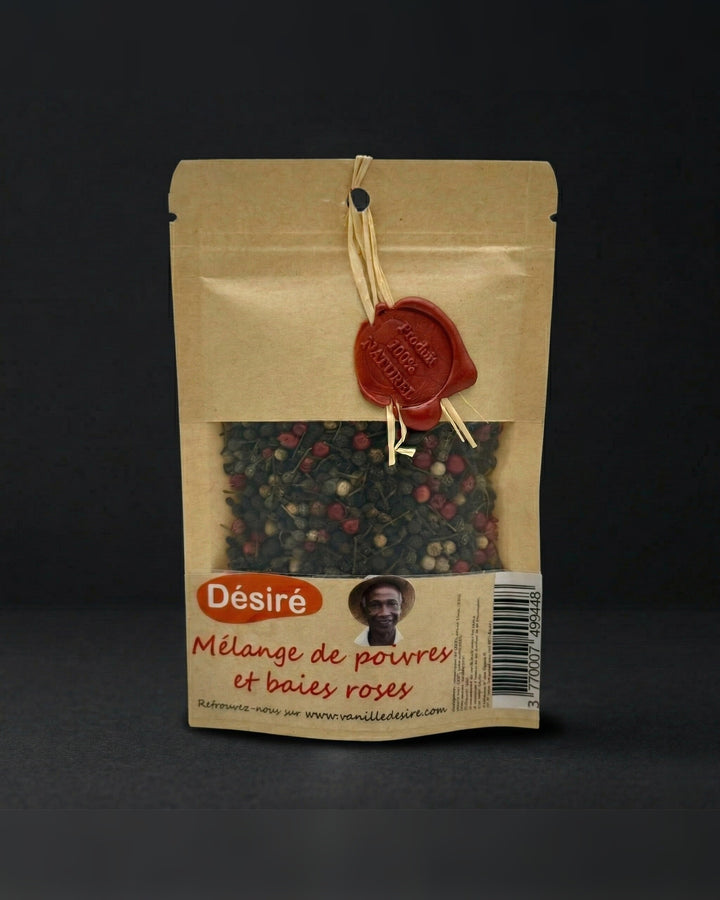
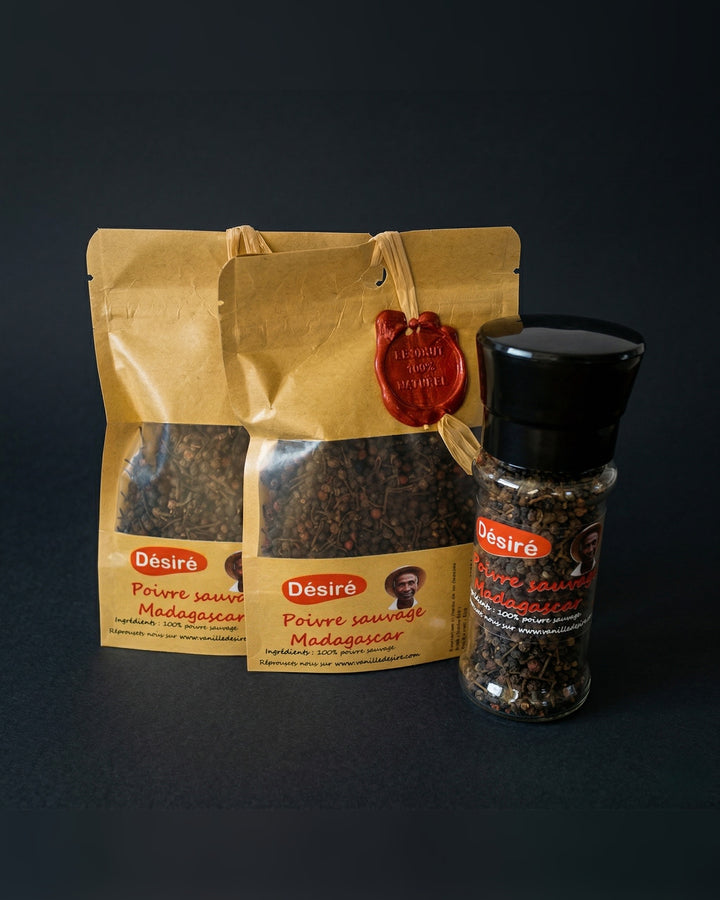
Our family grows and prepares its spices in Vangaindrano, in the southeast of Madagascar, sold whole, as buds or peppercorns, or ground depending on the spice.
Frequently asked questions
Is an irradiated spice dangerous to health?
The European directive only authorises irradiation if it poses no risk to health and benefits the consumer: this is a legal condition for authorisation, checked before any authorisation of the treatment.
How can you tell if a spice has been irradiated?
The wording "treated by irradiation" or "treated with ionising radiation" must appear on the label of a packaged product, on a sign for a loose sale, or in the ingredients list if the spice goes into a composite product.
Can all spices be irradiated in France?
No. Only a list set by order authorises this treatment, for a precise maximum dose; dried aromatic herbs, spices and plant-based condiments are on it, with a maximum dose of 11 kGy.
Who checks that an irradiation treatment is properly declared?
Every establishment that carries out irradiation must keep a register for five years, stating the radiation used and the parameters applied; it is this register that control authorities check.
The Vanille Désiré team