Quick answer: Polish and Central European cooking bring together cinnamon, cloves, ginger and black pepper in pierniki (gingerbread) and slow-cooked dishes such as bigos, alongside local spices we do not offer: allspice, juniper, caraway and Hungarian paprika. Our cinnamon, cloves, ginger and black pepper all have a place in them.
Poland, the Czech Republic, Slovakia and Hungary share part of their spice repertoire, inherited from the medieval trade routes that linked Central Europe to Asia. Gingerbread and slow-cooked dishes are the uses best known in France. This page sets out the spices behind these recipes, and the place our own Madagascar spices hold in them.
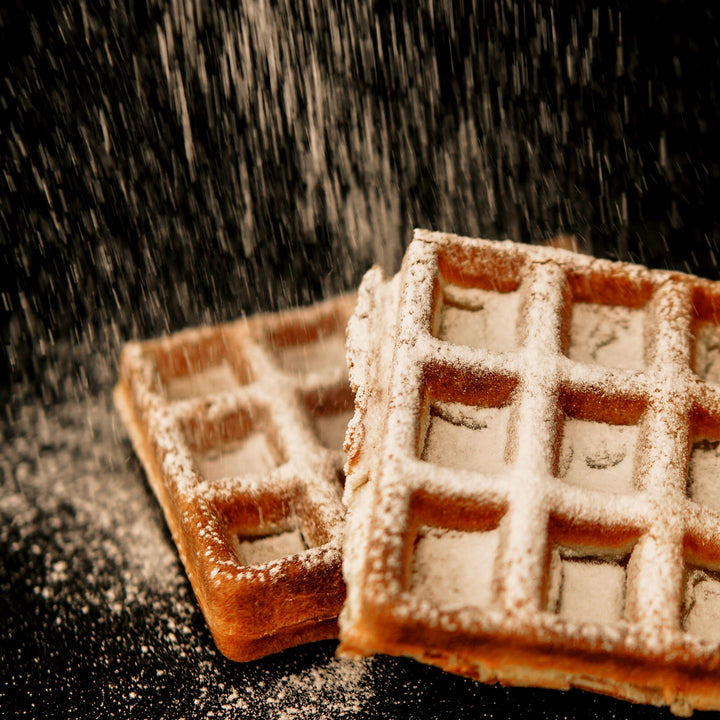
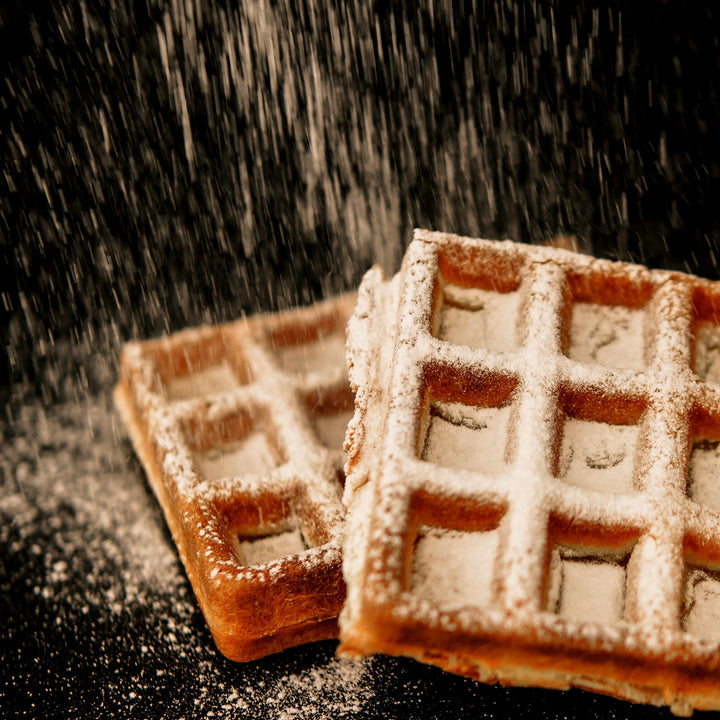
Pierniki, Polish gingerbread
Pierniki have been made in Poland since at least the thirteenth century; the earliest written mention of a gingerbread from Toruń, one of the towns most associated with this baking, dates back to 1380. The name "piernik" is said to come from the old Polish word for pepper, which went into the earliest recipes before being joined by other spices brought from Asia along the trade routes passing through Toruń and Gdańsk: cinnamon, cloves, ginger, nutmeg and cardamom. Spices were expensive, so expensive that some families would prepare a gingerbread at the birth of a daughter, to be served at her wedding years later.
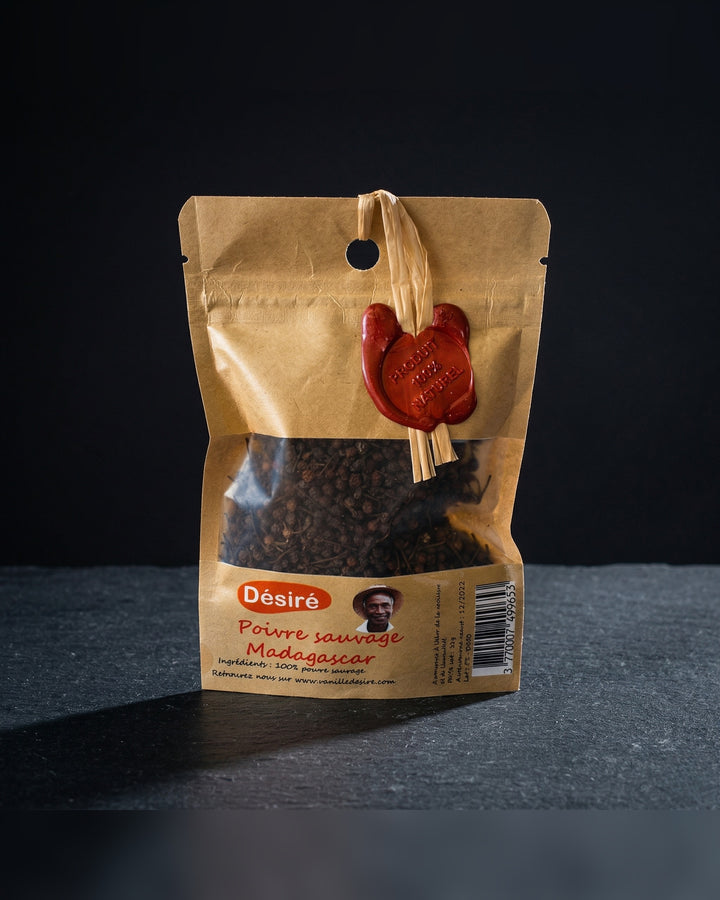
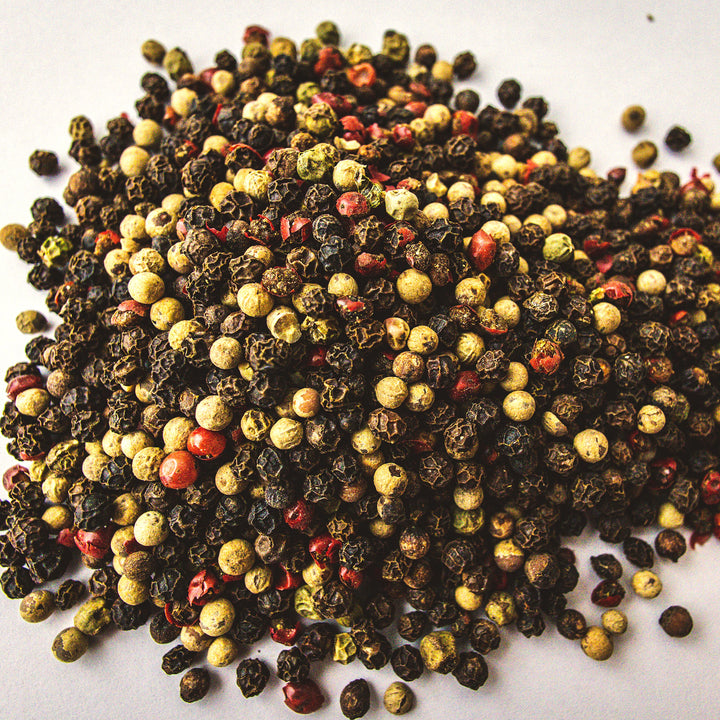
Today's recipes vary from one baker to another, but the base stays much the same: cinnamon, ginger, cloves and black pepper, sometimes rounded out with nutmeg, cardamom, aniseed or allspice. Four of these spices are familiar to us: cinnamon, ginger, cloves and black pepper.
Bigos, between sauerkraut and slow-cooked meats
Bigos, sometimes called "hunter's stew", simmers fresh cabbage and sauerkraut with several meats, dried mushrooms and prunes. Its base seasoning is salt, whole black peppercorns, allspice, juniper berries and bay leaf; some versions add marjoram, caraway, cinnamon, cloves and nutmeg.
Our black pepper, cinnamon and cloves have a place in it, alongside local spices we do not offer: juniper, bay leaf, caraway and allspice remain ingredients specific to this cuisine.
Hungarian paprika, a spice that came from the Ottomans
Paprika arrived in Hungary through the Ottomans, who introduced its cultivation during their rule in the sixteenth and seventeenth centuries. First grown as an ornamental plant, it made its way into peasant kitchens before establishing itself, in the nineteenth century, as a dominant spice in Hungarian cooking, where it flavours goulash, paprika chicken and fish soup. Caraway, meanwhile, appears in many meat and cabbage dishes across Central Europe, in Germany, Austria, the Czech Republic and Slovakia as well as Hungary.
Paprika and caraway are not part of our range: they are spices specific to this cuisine, found with other sellers.
Czech and Slovak perník, a cousin of piernik
In the Czech Republic and Slovakia, perník follows the same principle as Polish piernik, under an almost identical name, itself drawn from an old word for pepper. Gingerbread is thought to have arrived in Bohemia through German towns in the Middle Ages; the earliest written mention of a perník is said to date from 1335, in the town of Turnov. Specialist guilds of bakers formed in the sixteenth and seventeenth centuries, notably in Pardubice and Český Krumlov, towns still associated with this baking today.
The spice blend in perník almost always includes cinnamon, cloves and star anise, rounded out depending on the recipe with cardamom, allspice, nutmeg, orange zest or fennel. Surprisingly, despite its name being so close to the word for gingerbread, perník often contains very little ginger, or none at all. Cinnamon and cloves are familiar to us; star anise, nutmeg and allspice are not part of our range.
Our Madagascar spices in this cuisine
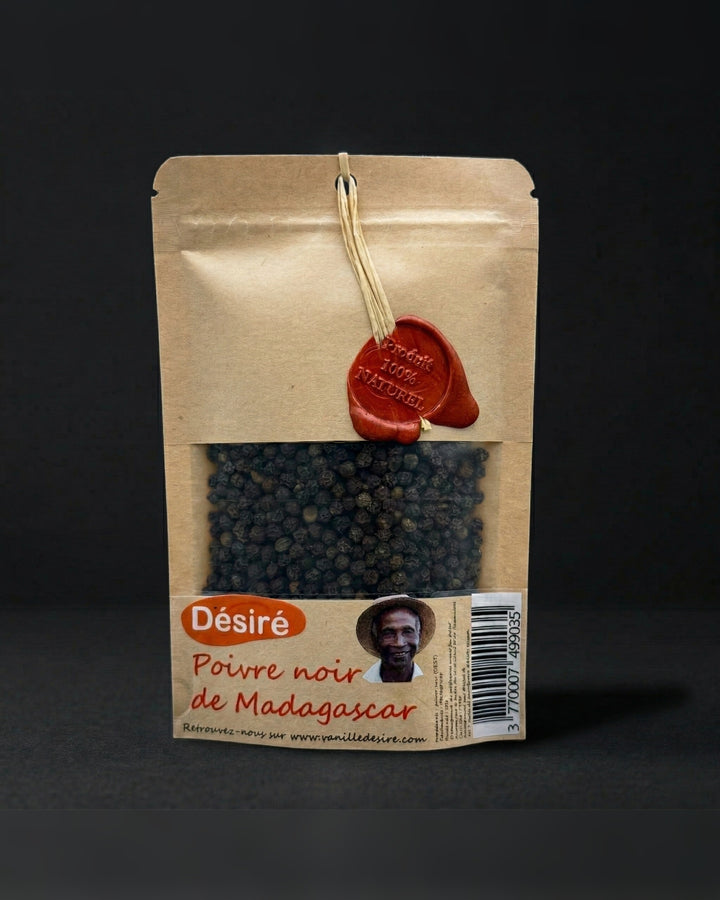
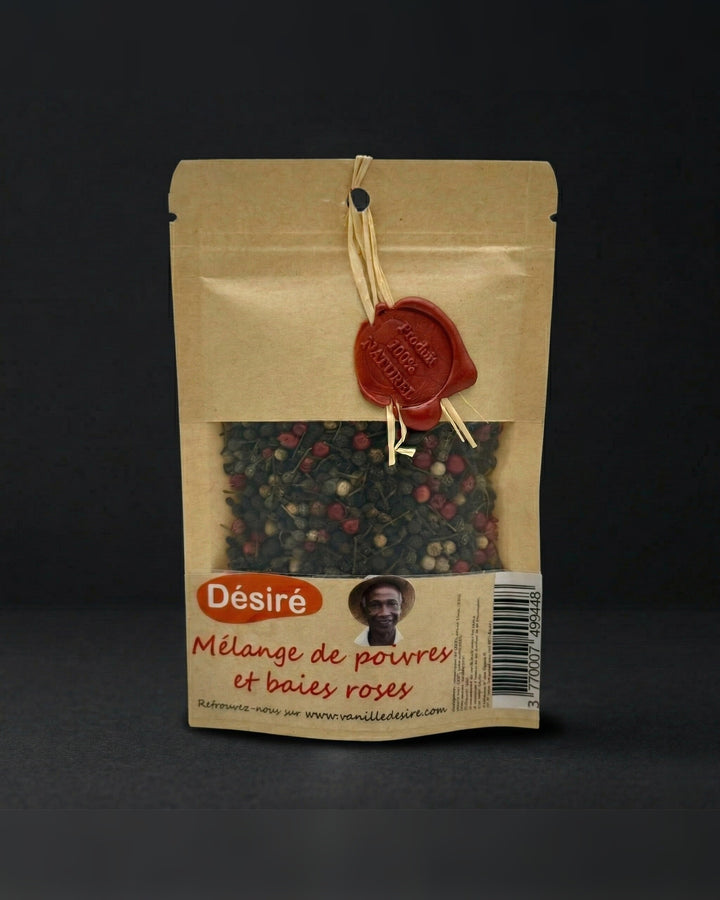
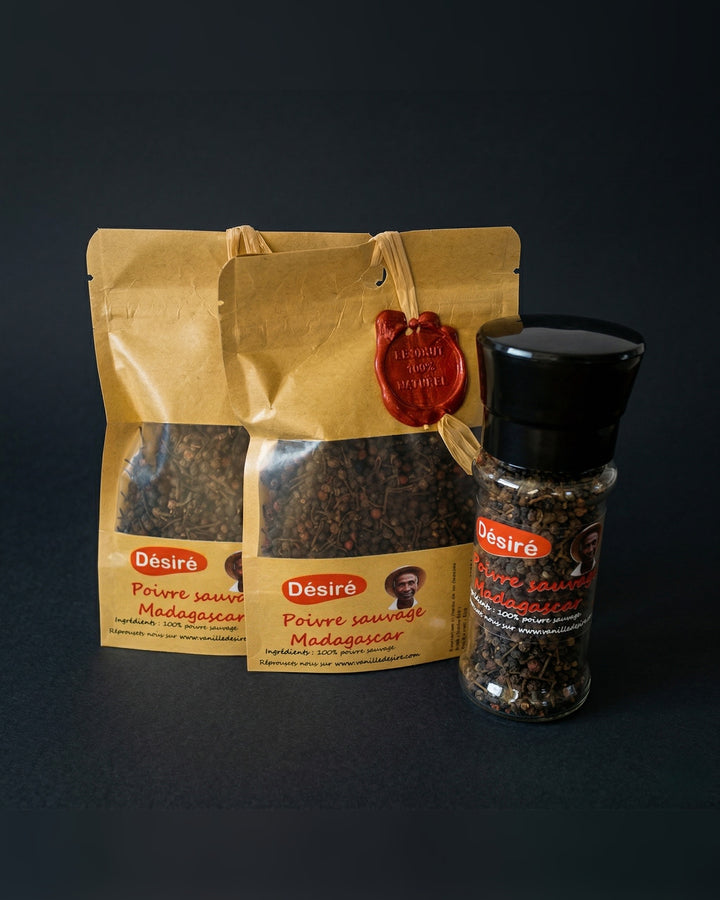
We offer our cinnamon, cloves, ginger and black pepper, grown in Vangaindrano, in the southeast of Madagascar. Without nutmeg, juniper, caraway or paprika, our range alone will not recreate a full pierniki or bigos, but it can inspire one: a gingerbread with cinnamon, ginger and cloves, or a slow-cooked dish seasoned with black pepper. See our home-made gingerbread and spices in Christmas baking for a version with our products, and putting together your own spice blend for a dosing method.
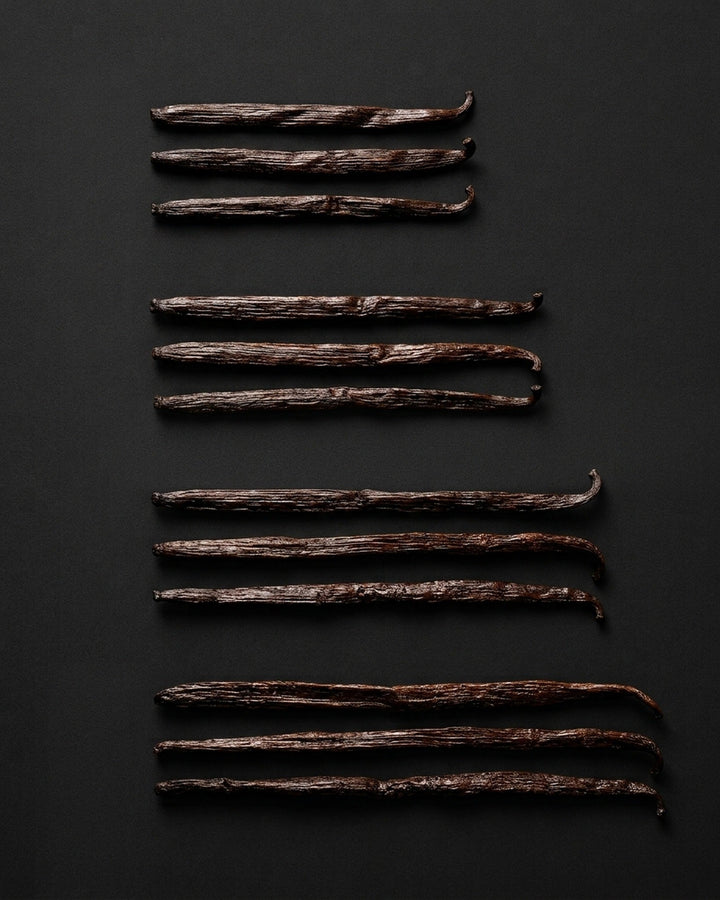
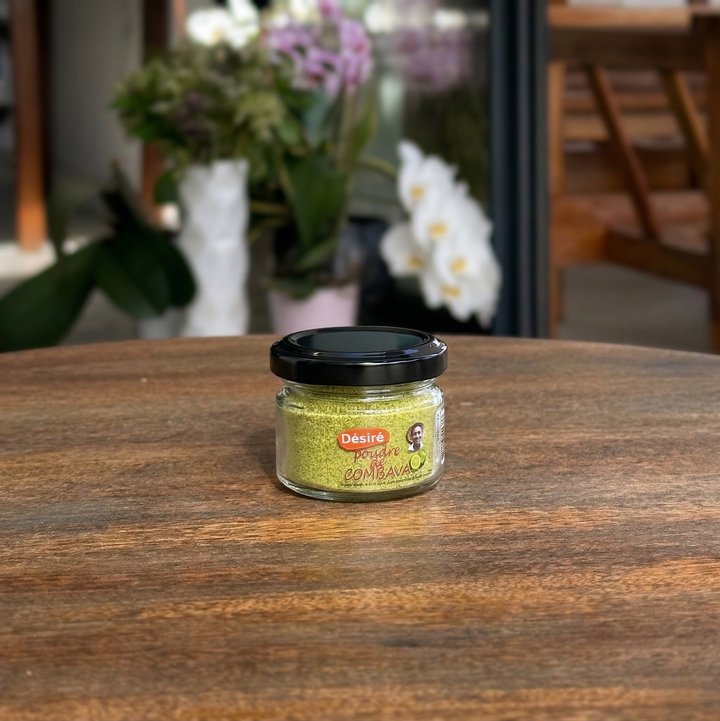
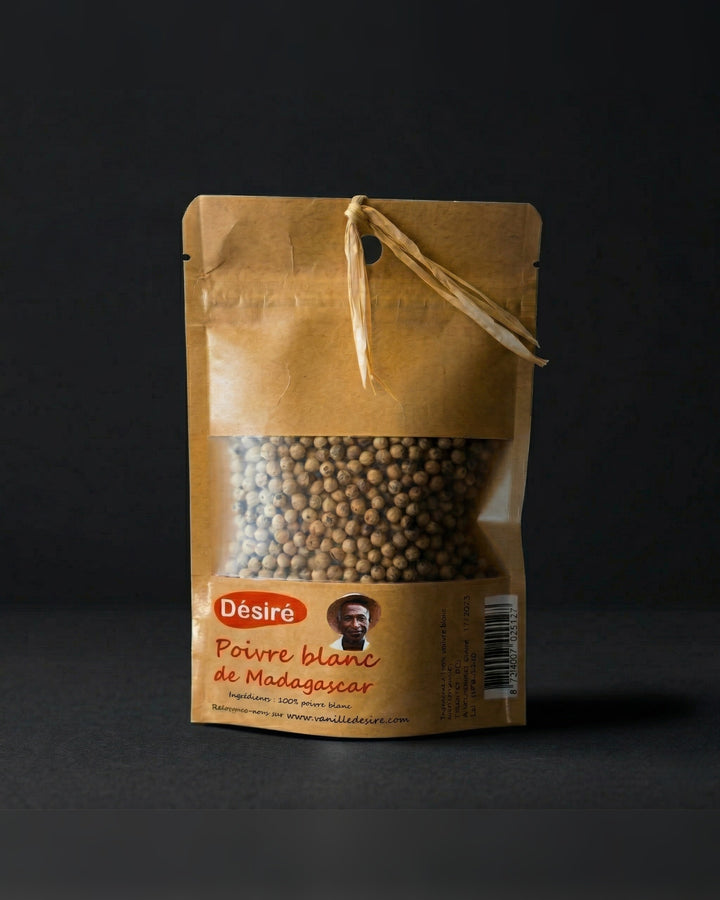
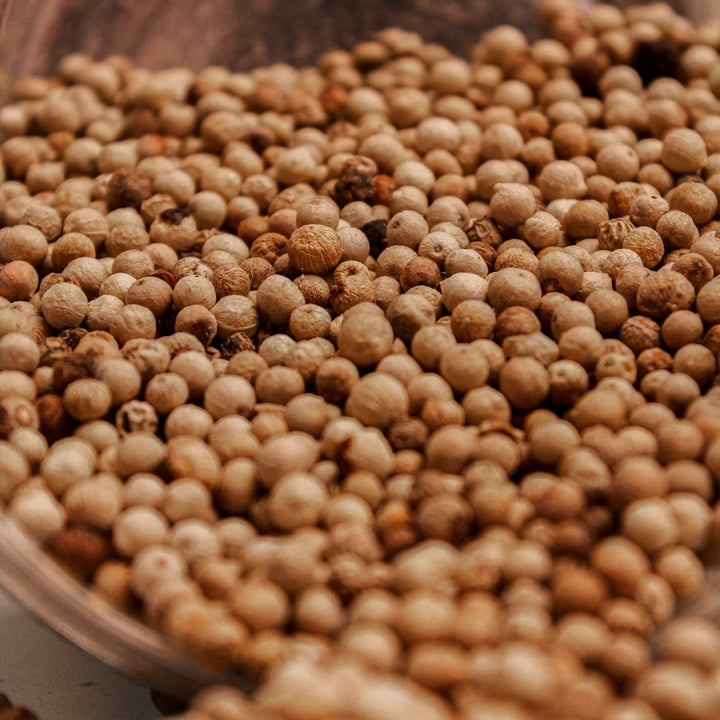
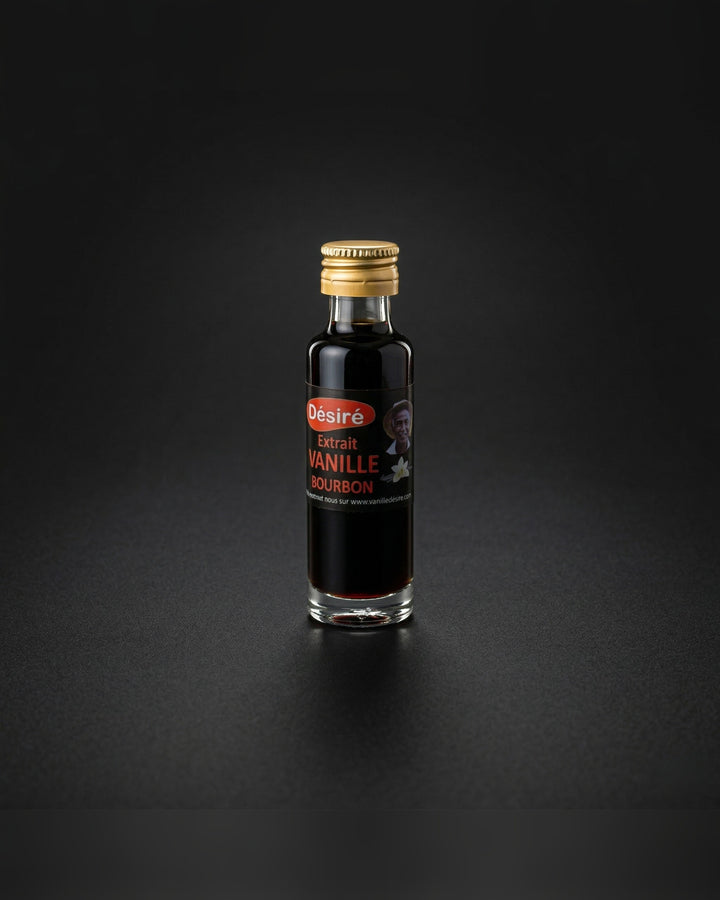
Our Madagascar spices: cinnamon, cloves, ginger and black pepper.
Frequently asked questions
Is paprika one of Vanille Désiré's products?
No. Paprika is a central spice in Hungarian cooking, but we do not offer it.
Which spices traditionally go into pierniki?
Most often cinnamon, ginger, cloves and pepper, sometimes rounded out with nutmeg, cardamom, aniseed or allspice, depending on family recipes.
What is the difference between juniper and black pepper in bigos?
Juniper brings a resinous note specific to this shrub's berries, which black pepper, sharper in taste, does not reproduce. Bigos traditionally brings the two together.
Which Madagascar spices should be used to draw inspiration from pierniki?
Cinnamon, ginger and cloves, the three spices closest to the base common to most pierniki recipes.
The Vanille Désiré team