Quick answer: Italian cooking uses spices sparingly, well behind herbs: black pepper, in cacio e pepe and on pasta, chilli known as peperoncino, and cinnamon in baking, are the most present. Nutmeg, used in béchamel and some fillings, remains a common ingredient that we do not sell.
Italy is among the most restrained European cuisines when it comes to spices: aromatic herbs, basil, oregano, rosemary, hold a bigger place there than pepper, chilli or cinnamon. This page sets out the few spices that recur from one region to another, and the place held in them by Madagascar black pepper, pili-pili chilli and cinnamon.
Black pepper, from cacio e pepe to spirits
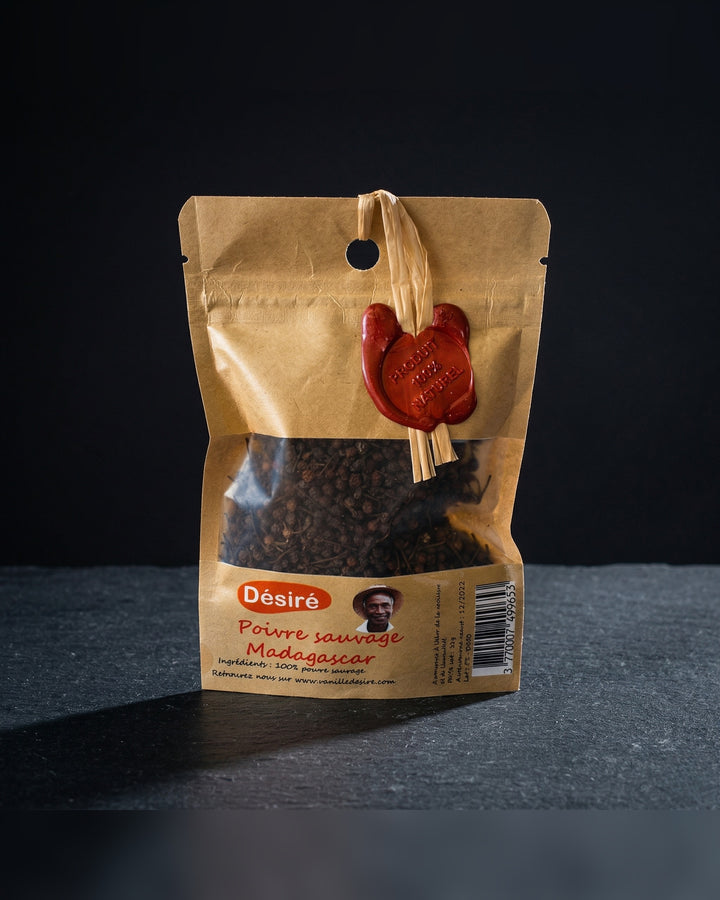
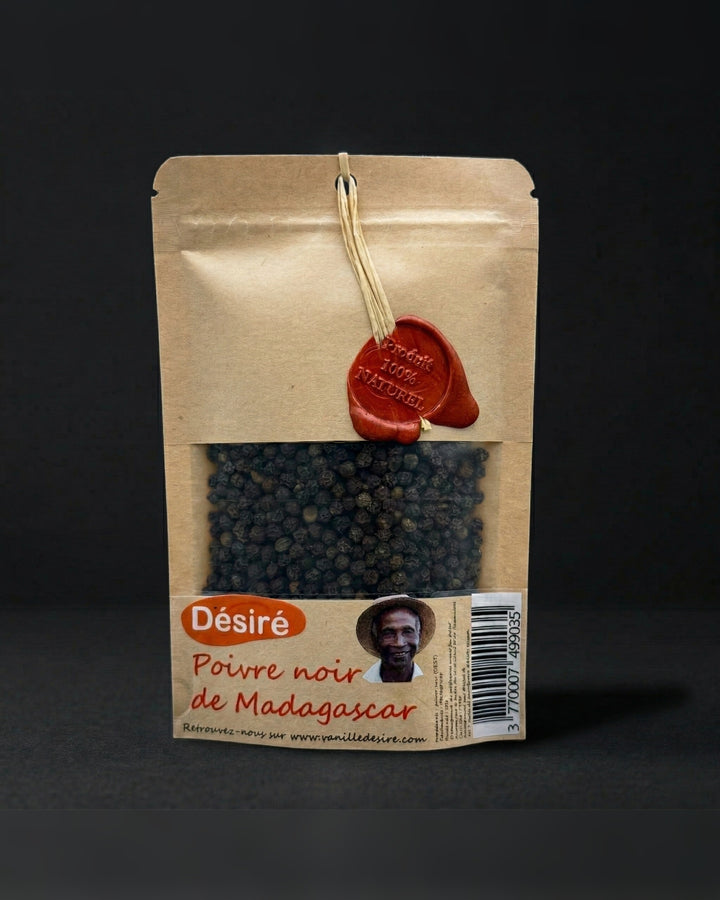
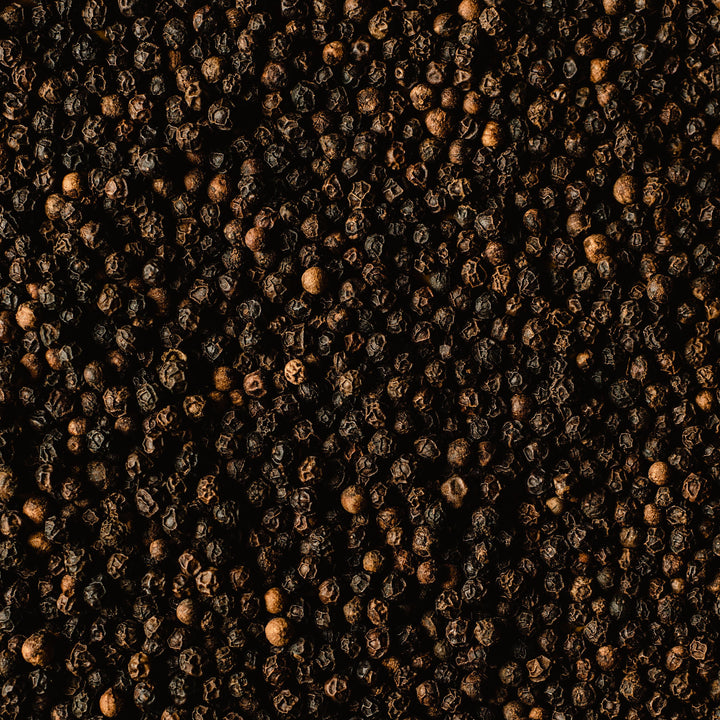
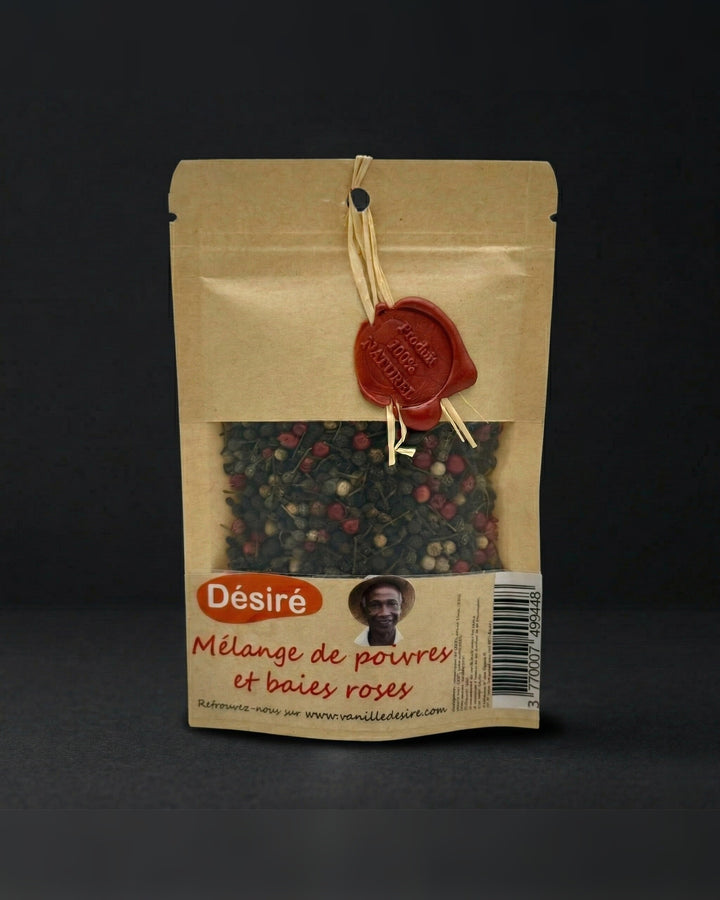
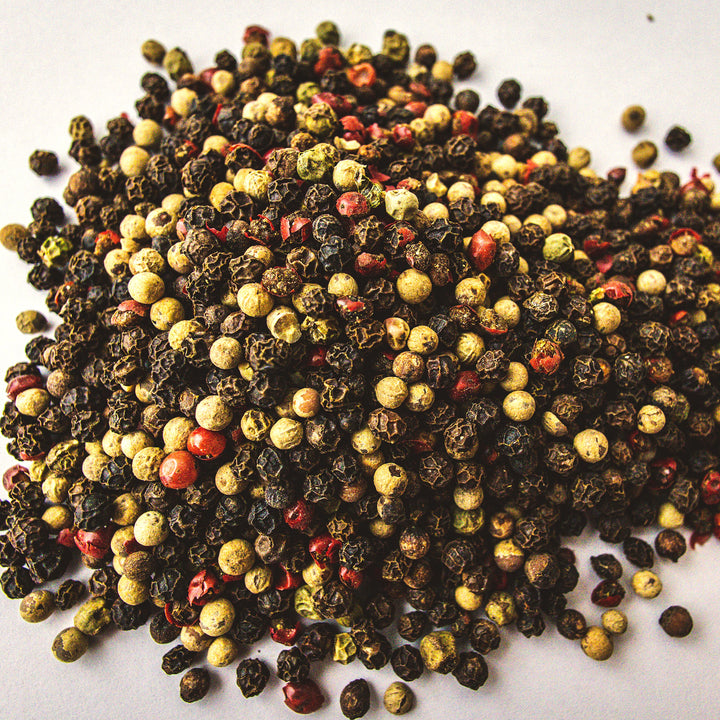
Black pepper, pepe in Italian, is the central spice of cacio e pepe, a Roman pasta dish with cheese and pepper, where it almost single-handedly carries the seasoning. It also goes into the seasoning of many meats, and its presence reaches beyond cooking: it is among the botanicals used in producing some Italian gins and grappas.
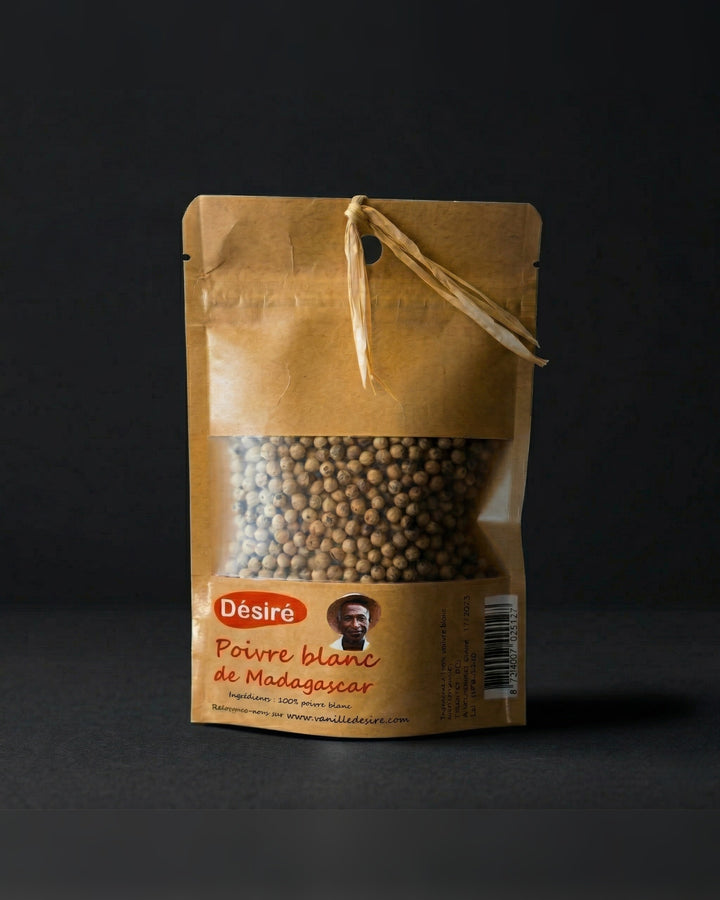
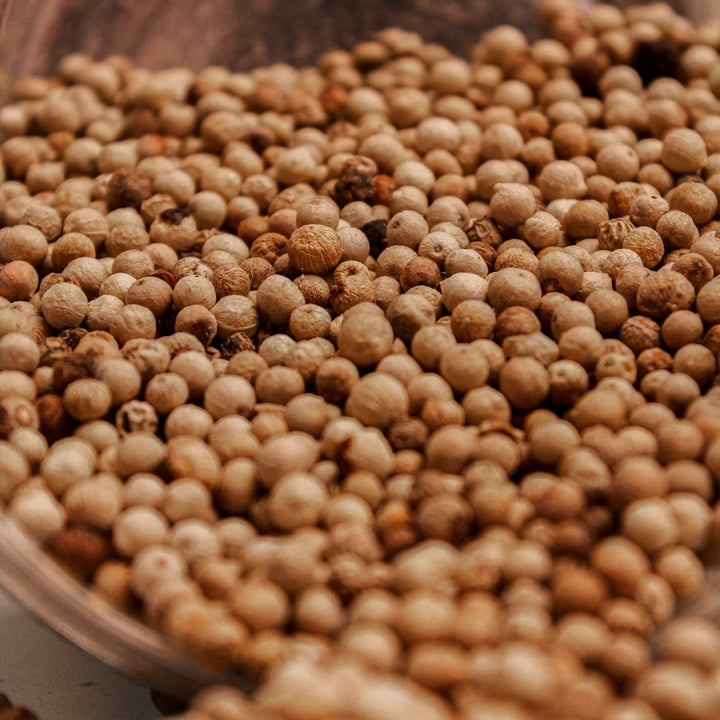
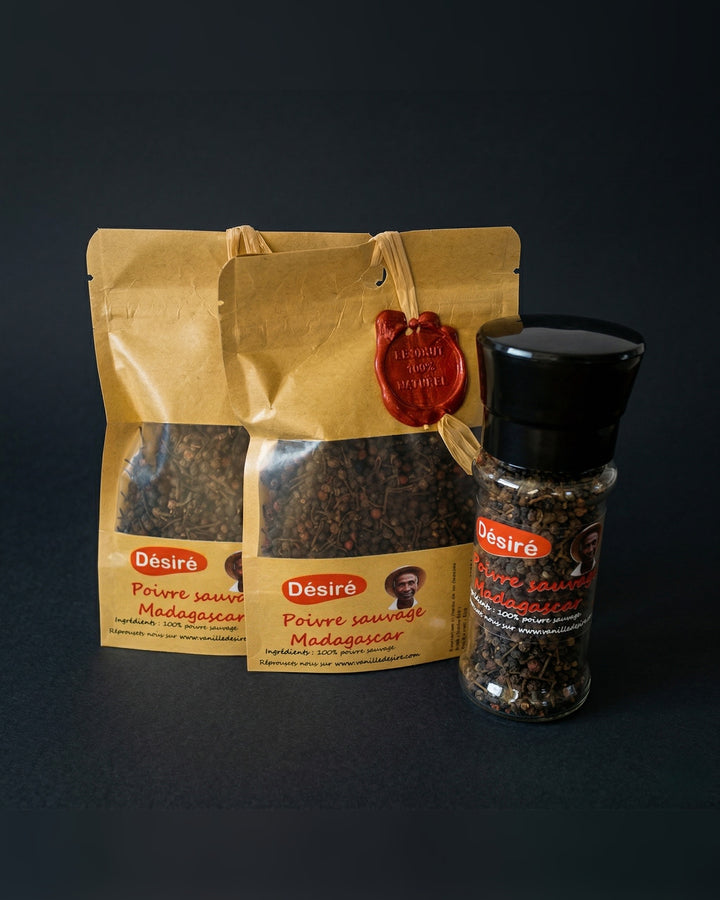
Our Madagascar black pepper, grown in Vangaindrano, suits this use. For the recipe built around it, see our spaghetti cacio e pepe with Madagascar black pepper. To choose between pepper ground ahead and pepper ground at the last moment, a step that matters especially for this dish, see pepper ground in advance or at the last moment.
Peperoncino, a chilli that arrived late in Italy
Chilli, peperoncino in Italian, was introduced to Italy at the end of the fifteenth century, after the discovery of America. It took root especially in the south of the country, in Calabria and Basilicata, regions that still grow large quantities of it today. It is found dried, whole or powdered, in sauces such as penne all'arrabbiata, where it lifts the tomato without masking it.
Our pili-pili chilli, also grown in a warm climate but in Vangaindrano, Madagascar, is not the same chilli as Italian peperoncino: the two come from different varieties and different terroirs, for a taste that is not the same either. To choose between a whole dried chilli and a powder, see dried chilli, whole or powdered.
Cinnamon and nutmeg, discreet in baking
In baking, cinnamon appears in a few classics, such as Sienese panforte or Neapolitan sfogliatella, as a touch rather than a lead role. Nutmeg, meanwhile, is found mostly in savoury cooking, in béchamel and in some pasta fillings such as tortellini, where it softens the taste of the cheese and meat.
Our Madagascar cinnamon suits a baking use of this kind. Nutmeg, on the other hand, remains a spice we do not offer. For a vanilla-based classic of Italian baking, see our recipes for vanilla tiramisu and Bourbon vanilla panna cotta, where it is vanilla, rather than cinnamon, that dominates.
The saffron in risotto, and Venice, once a crossroads for spices
Risotto alla milanese owes its golden colour to saffron, a spice drawn from the stigmas of Crocus sativus, grown in Lombardy since the Middle Ages. A legend, not confirmed as historical fact, places the dish's birth in 1574, during the building of Milan's cathedral. Saffron does not go into any of our products: we do not offer it.
Pepper and cinnamon, for their part, have an even older Italian history. In the Middle Ages, the Republic of Venice held, for several centuries, a near-monopoly on the pepper and cinnamon trade in Europe, alongside ginger, saffron, cloves and nutmeg. These two spices, which passed through Venetian ports at the time before reaching the rest of the continent, are today the two that we grow in Madagascar rather than bring from the East. At that time, the most traded spices in Europe were precisely black pepper, cinnamon, ginger and saffron, alongside sugar, itself then counted as a spice.
Working with our Madagascar spices
Without nutmeg or peperoncino itself, our range alone, which comes from elsewhere, will not recreate a full Italian cuisine. It can, however, draw inspiration from what we offer: black pepper, pili-pili chilli and cinnamon, grown in Vangaindrano, in the southeast of Madagascar. For spices and pasta in general, see spices and pasta.
Frequently asked questions
What is the central spice of cacio e pepe?
Black pepper, which almost single-handedly carries the seasoning of this Roman pasta dish with cheese and pepper.
Are Italian peperoncino and Madagascar pili-pili the same chilli?
No. Both are dried chillies, but of different varieties and different terroirs, for a taste that is not the same either.
Does Italian cooking use a lot of spices?
Less than other cuisines: it relies mostly on aromatic herbs. Black pepper, peperoncino and, in baking, cinnamon remain the spices most present.
Where does nutmeg appear in Italian cooking?
Mostly in savoury cooking, in béchamel and in some pasta fillings such as tortellini. We do not offer it.
The Vanille Désiré team