Quick answer: A spice-infused vinegar is made by letting whole spices, pepper, pink peppercorns, cloves, steep in a vinegar brought to a near-boil and then poured into a clean jar. Vinegar's acidity greatly limits bacterial risk, provided the jar is sterilised and any unusual cloudiness or sediment is watched for during storage.
Vinegar lends itself well to infusing whole spices: a few peppercorns, some pink peppercorns or a clove are enough to flavour a whole bottle, to lift a vinaigrette or a sauce. Vinegar's natural acidity makes it a simpler base to handle than oil, provided a few rules of cleanliness are followed.
Why vinegar is safer than oil
Vinegar has a low pH, well past the threshold beyond which most bacteria, including the one responsible for botulism, stop growing, according to the recommendations of an American university food safety centre specialising in home preserves. This is the exact opposite of oil, where the absence of air instead favours certain bacteria: vinegar infused with whole spices does not therefore call for the same precautions as a fresh-garlic oil.
The jar, before the spices
Before pouring in the vinegar, the jar and its lid are washed in hot soapy water, rinsed, then, for longer storage, boiled for a few minutes and air-dried. A poorly cleaned jar remains the most common cause of a vinegar turning, well before the question of the spices themselves.
Heating the vinegar, then infusing
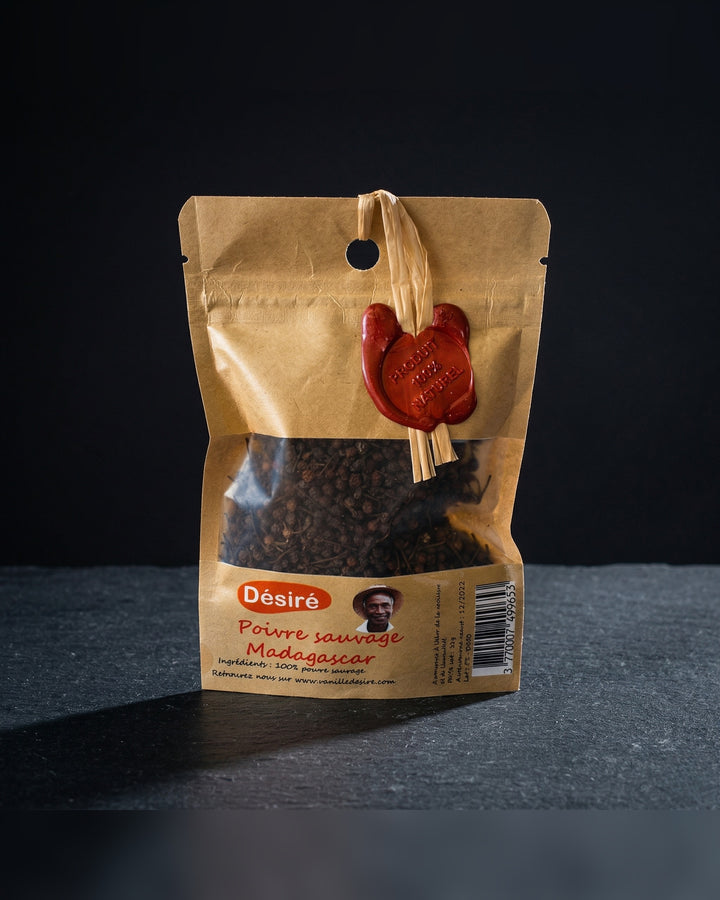
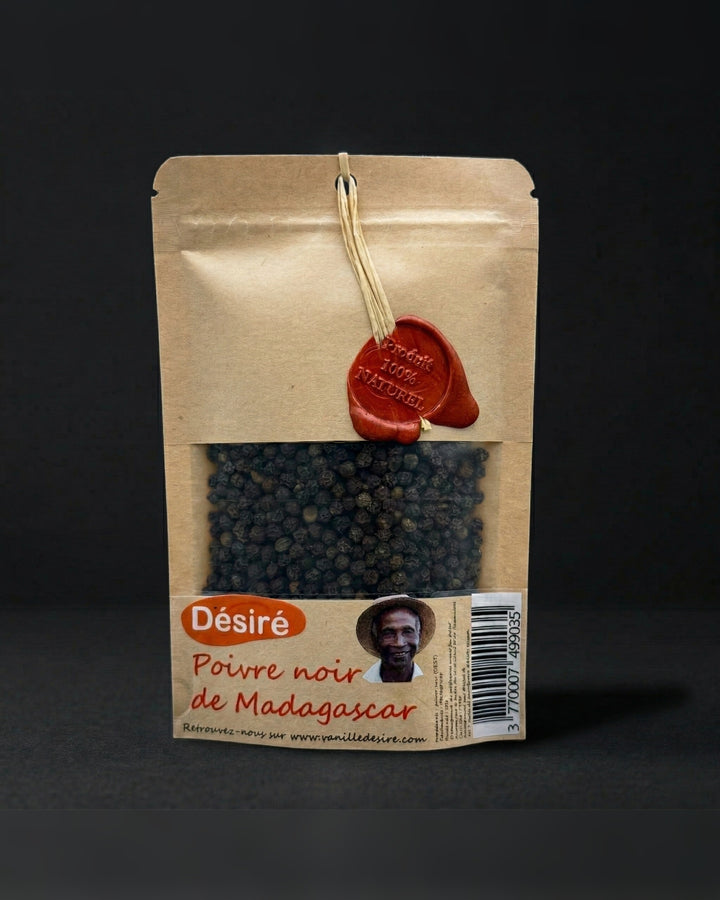
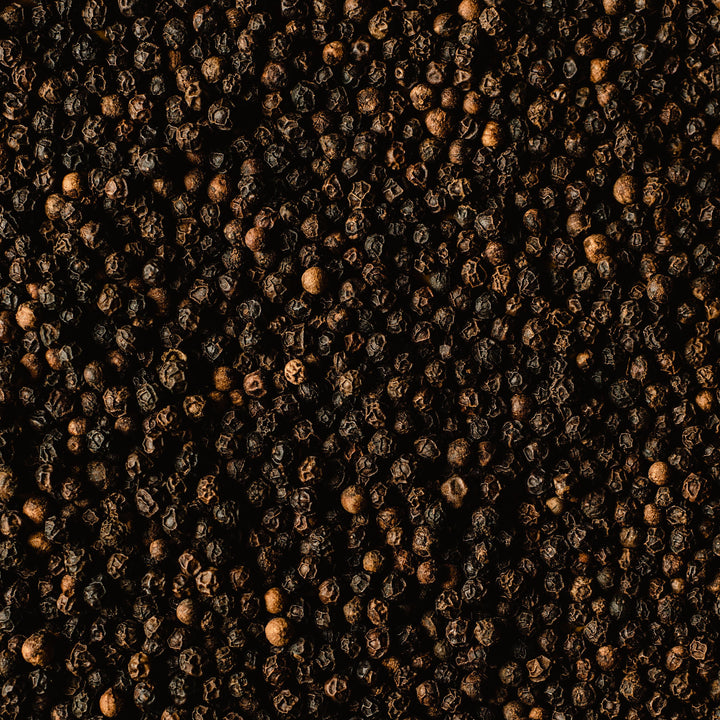
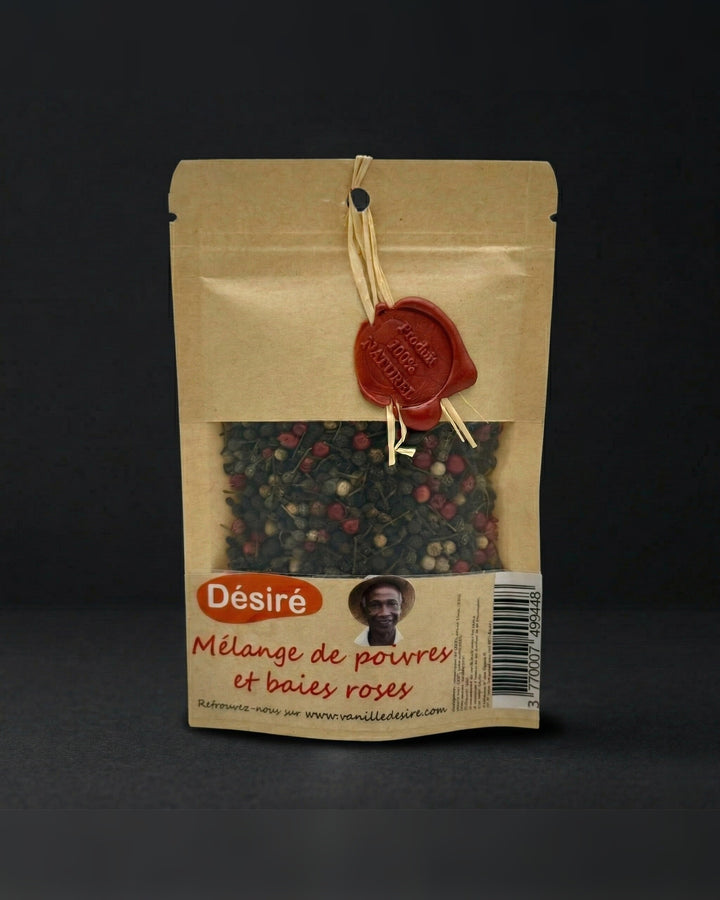
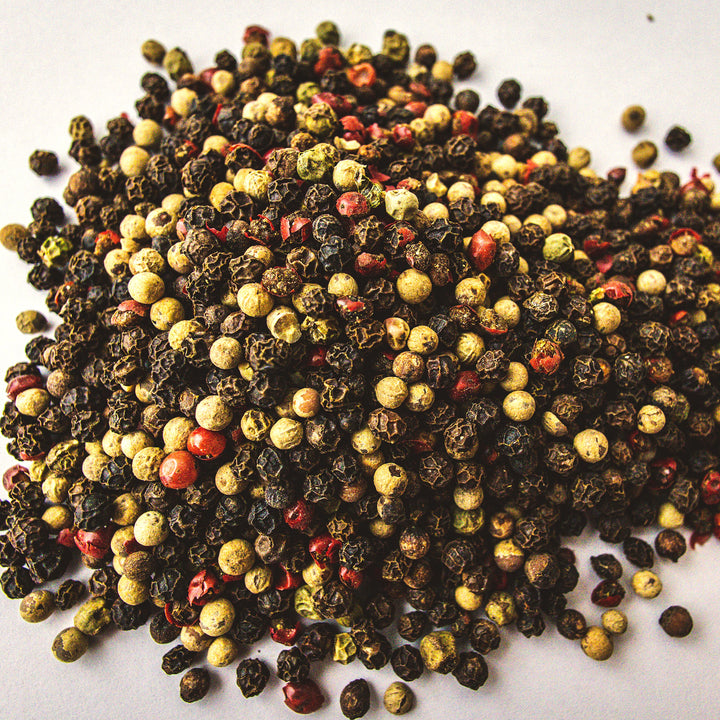
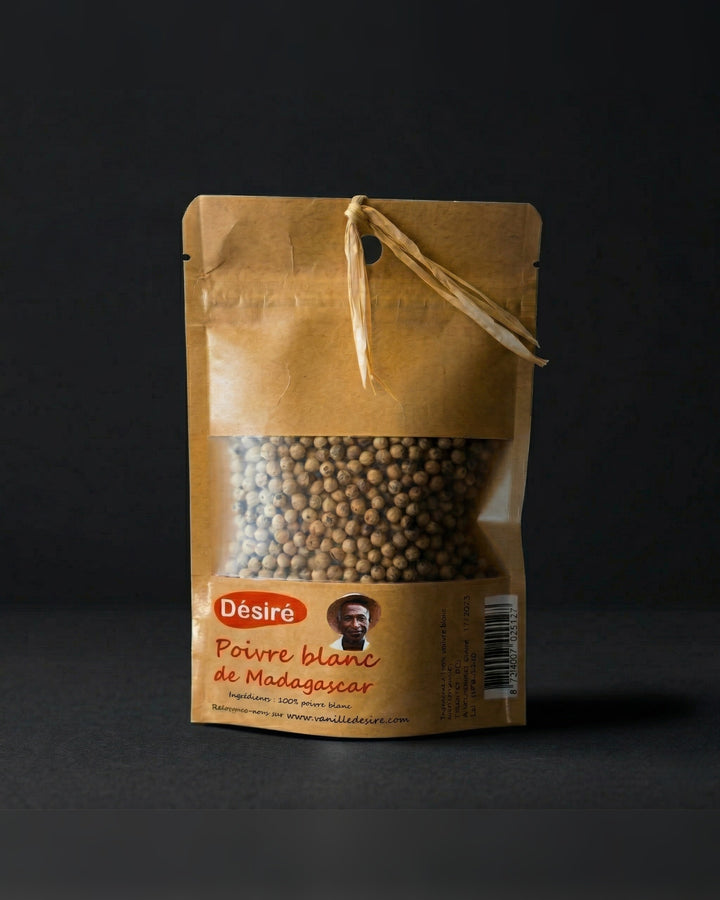
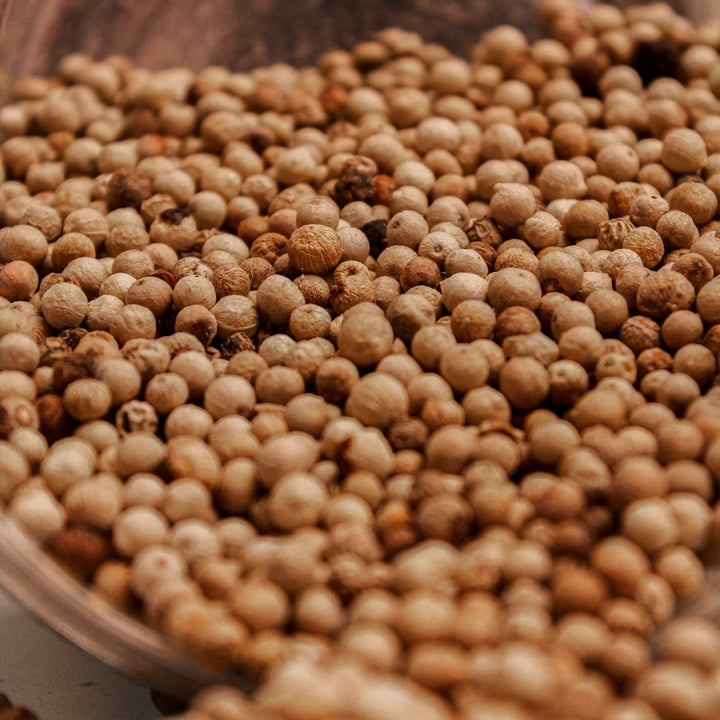
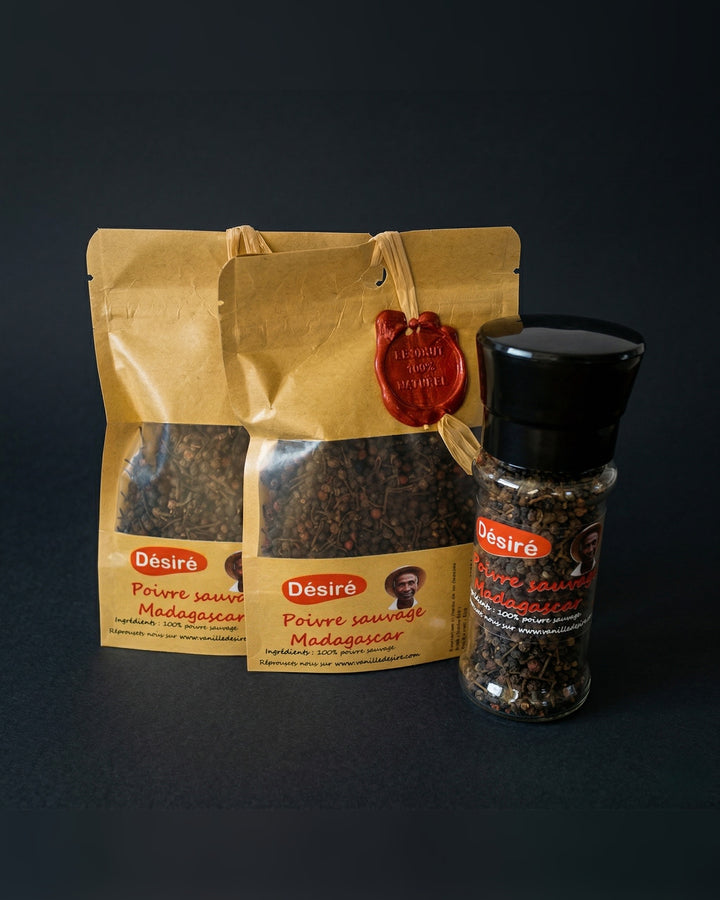
Bringing the vinegar almost to the boil before pouring it, still hot, over the spices in the jar helps release their scent fully and limits the risk of contamination from an outside ingredient. Black, white or wild pepper, pink peppercorns, cloves: all these whole Madagascar spices suit this method, used in small amounts, so as not to mask the taste of the vinegar itself.
Storage and the signs to watch for
An infused vinegar then keeps in a cool, dark place, away from a sunny window, for several months, and even longer in the fridge, according to the same university centre. Any unusual cloudiness, any stringy sediment or any smell different from that of the original vinegar should mean throwing the preparation away rather than tasting it.
Where these spices come from
At Vanille Désiré, our black pepper, white pepper, pink peppercorns and cloves come from Vangaindrano, in south-eastern Madagascar. Our wild Voatsiperifery pepper, for its part, is wild-gathered there, never cultivated.
Frequently asked questions
Should the vinegar be boiled before adding the spices?
Bringing the vinegar almost to the boil before pouring it, still hot, over the spices in a clean jar helps release their scent and limits the risk of contamination.
Does infused vinegar carry a botulism risk like oil?
No, vinegar's acidity greatly limits the growth of the bacteria responsible for botulism, unlike an oil, where the absence of air creates more favourable conditions.
How can you tell an infused vinegar has gone off?
Unusual cloudiness, a stringy sediment or a smell different from that of the original vinegar are signs that should mean throwing it away without tasting it.
Which Madagascar spices suit an infused vinegar?
Black pepper, white pepper, wild pepper, pink peppercorns and cloves, used whole and in small amounts, flavour a vinegar well without masking its taste.
To go further, our products: Madagascar black pepper · Madagascar white pepper · Madagascar pink peppercorns · Madagascar cloves · Wild Voatsiperifery pepper
The Vanille Désiré team