Quick answer: An oil infused with dry spices, pepper, dried chilli, cloves, can be prepared with no particular risk if it is consumed promptly. Fresh garlic steeped in oil, on the other hand, creates conditions favourable to botulism, a serious form of poisoning already reported on several occasions. It is best to keep these oils in the fridge and to prepare them in small quantities.
Slipping a few peppercorns or a piece of dried chilli into a bottle of olive oil makes a fragrant oil that is simple to prepare. Caution is needed above all when a fresh, moist ingredient, such as garlic, goes into the oil: that is exactly where the risk lies.
Why oil and fresh garlic do not mix well
The bacterium Clostridium botulinum, naturally present in soil, grows without oxygen, in a moist environment with low acidity: exactly the conditions created by a fresh ingredient such as garlic once it is immersed in oil. The American Centers for Disease Control and Prevention (CDC) has documented several poisoning incidents linked to chopped garlic kept in oil at room temperature, including a 1989 outbreak in New York after unrefrigerated garlic-in-olive-oil was consumed. The toxin produced cannot be seen, cannot be smelled and does not change the taste of the oil, which makes it particularly deceptive.
Dry spices, a safer choice
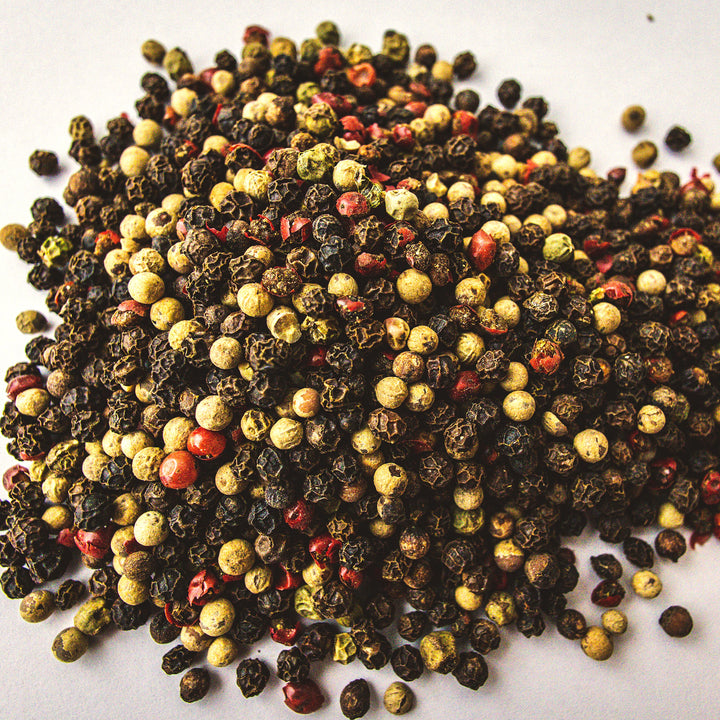
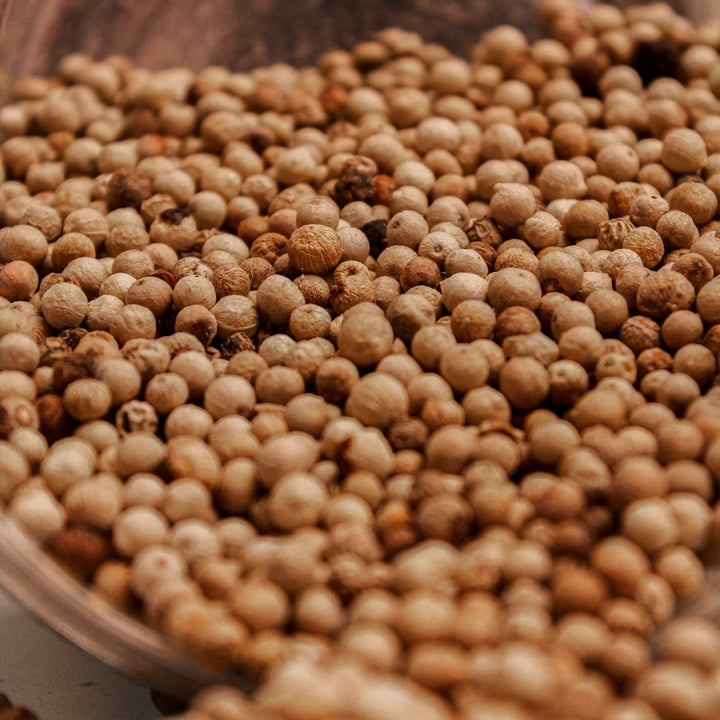
A fully dry spice, peppercorns, cloves, dried chilli, cinnamon bark, does not contain enough water to allow the bacterium to grow, according to the recommendations of an American university food safety centre. This is why an oil infused with dry spices from Madagascar carries a much lower risk than a fresh-garlic oil, provided the spices used are perfectly dry before coming into contact with the oil, with no trace of moisture whatsoever.
If a fresh ingredient is used all the same
For a fresh ingredient, garlic or fresh herbs, American university recommendations set out two safe routes: either a prior soak in a tested acid solution, or storage in the fridge with prompt consumption, within two to three days. An oil prepared with a fresh ingredient should never be left at room temperature for more than a few hours, even briefly on a worktop.
Good practice at home
For an oil infused with Madagascar spices, black pepper, wild pepper, dried chilli, cloves, the safest approach stays simple: use whole, thoroughly dry spices, fill a clean bottle, and keep the oil in the fridge, especially if a fresh fruit or zest goes in with it. A bottle prepared in a small quantity, used within a few weeks, also limits the risk of the oil itself turning rancid, quite apart from the question of botulism.
Where these spices come from
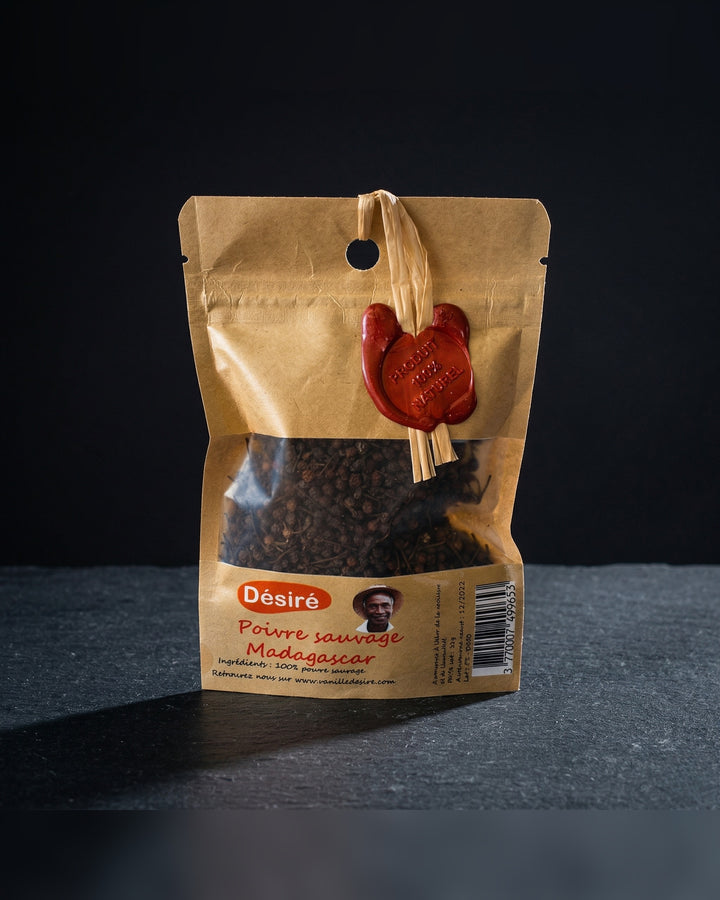
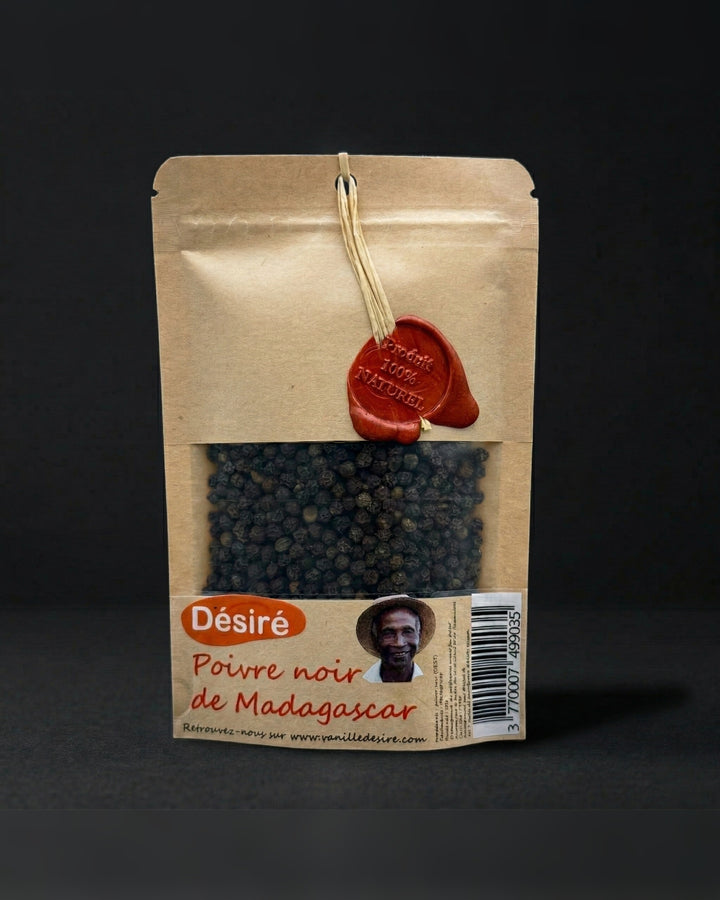
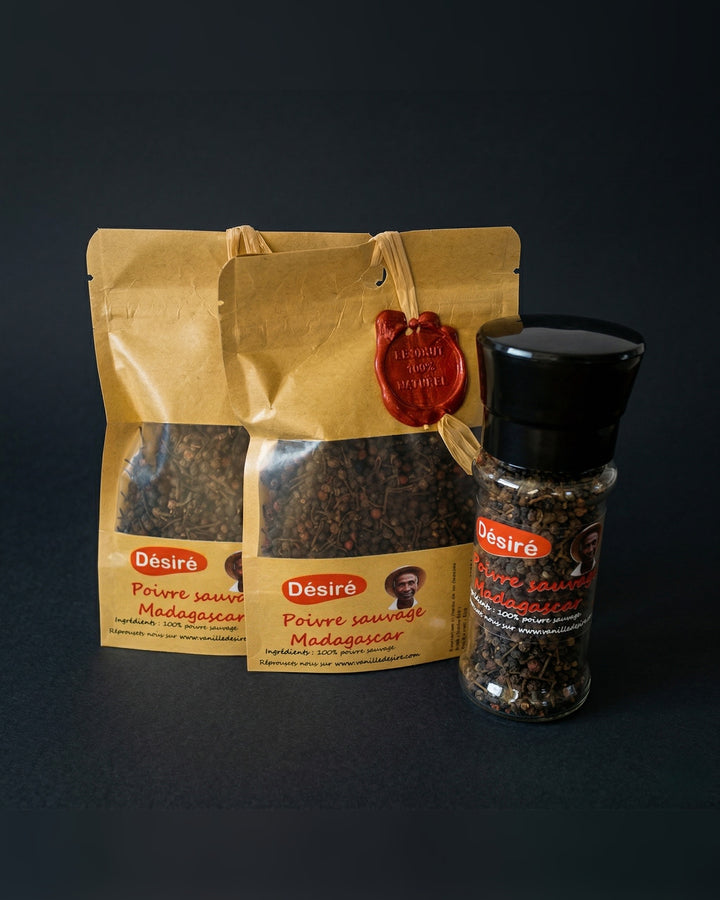
At Vanille Désiré, our black pepper and cloves come from Vangaindrano, in south-eastern Madagascar. Our wild Voatsiperifery pepper, for its part, is wild-gathered there, never cultivated.
Frequently asked questions
Can fresh garlic go into a homemade infused oil?
It is best avoided: fresh garlic immersed in oil creates conditions favourable to botulism, especially at room temperature; failing that, the oil must be kept in the fridge and consumed within two to three days only.
Does an oil infused with dry spices carry the same risk?
No, a fully dry spice, such as a clove or a peppercorn, does not contain enough water to allow the botulism bacterium to grow.
Can an infused oil be left at room temperature?
An oil prepared with a fresh ingredient should not be left at room temperature for more than a few hours; a dry-spice oil, well sealed, keeps more easily, always away from heat.
How can you tell if an infused oil has gone off?
Unusual cloudiness, a rancid smell or small bubbles in the bottle should mean throwing the oil away without tasting it, as the botulism toxin is neither visible nor detectable by smell.
To go further, our products: Madagascar black pepper · Wild Voatsiperifery pepper · Madagascar cloves · Madagascar pili-pili chilli
The Vanille Désiré team