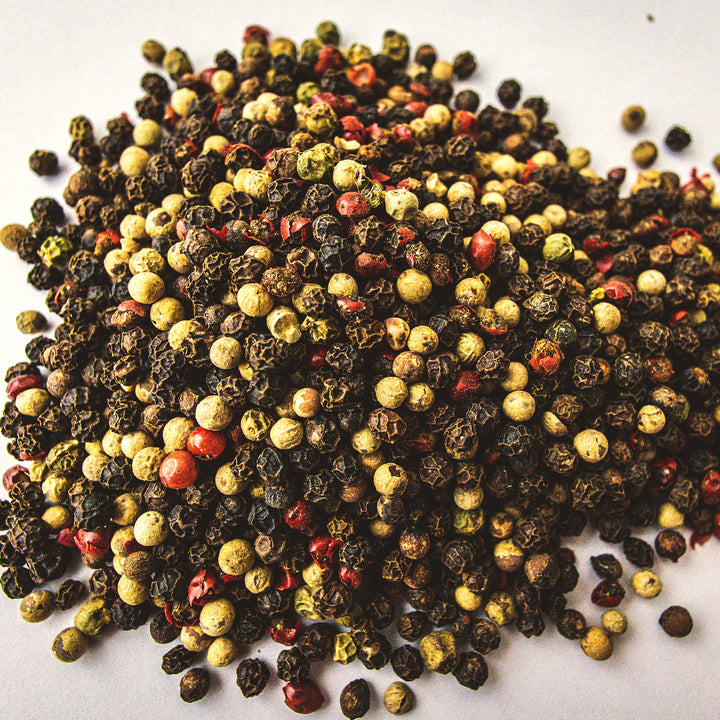
Quick answer: A pepper sauce rests on the same steps, deglaze, reduce, thicken, whatever pepper is chosen. Black pepper is the classic base, green pepper gives a milder sauce, white pepper suits pale sauces, and wild pepper brings a more floral note to poultry or game.
A pepper sauce rests on a few simple steps, always the same: deglaze, reduce, thicken. What changes from one recipe to another is the pepper chosen, black, green, white or wild, which gives the sauce a different profile. This page looks at this common step, then at what each pepper brings to it.
The common step: deglaze, reduce, thicken
After cooking a meat or fish in a pan, the juices left at the bottom are deglazed with a spirit, often cognac, which is left to reduce for a few moments. Cream or a little leftover butter is then added and thickened over low heat, sometimes with a finely chopped shallot. Pepper, meanwhile, is added at two points: cracked or in a crust on the meat before cooking, then a second time, ground or cracked, when thickening the sauce, to revive its aroma.
Black pepper: the classic base
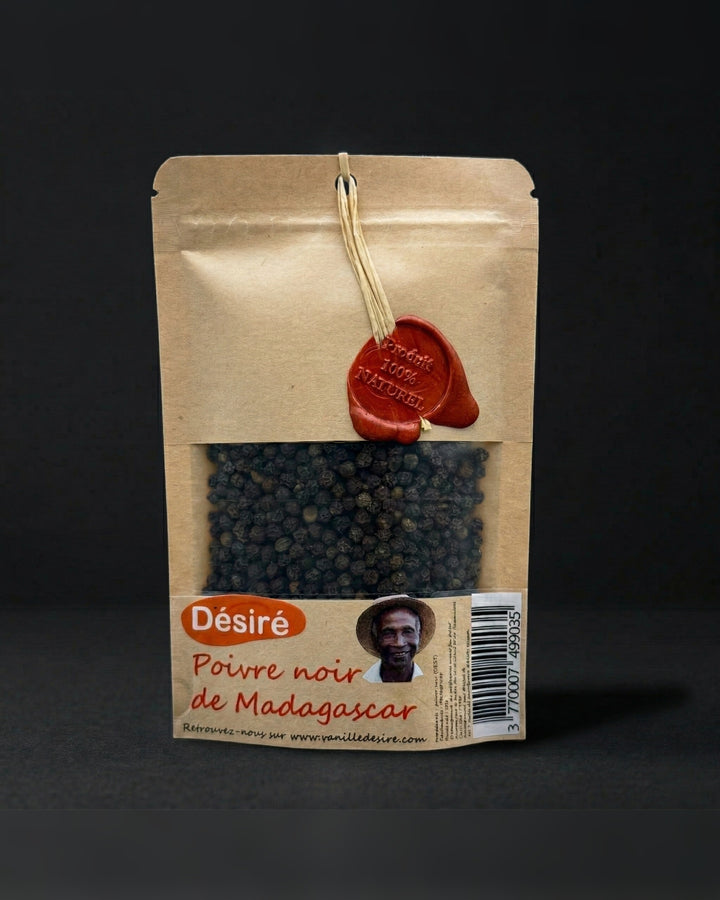
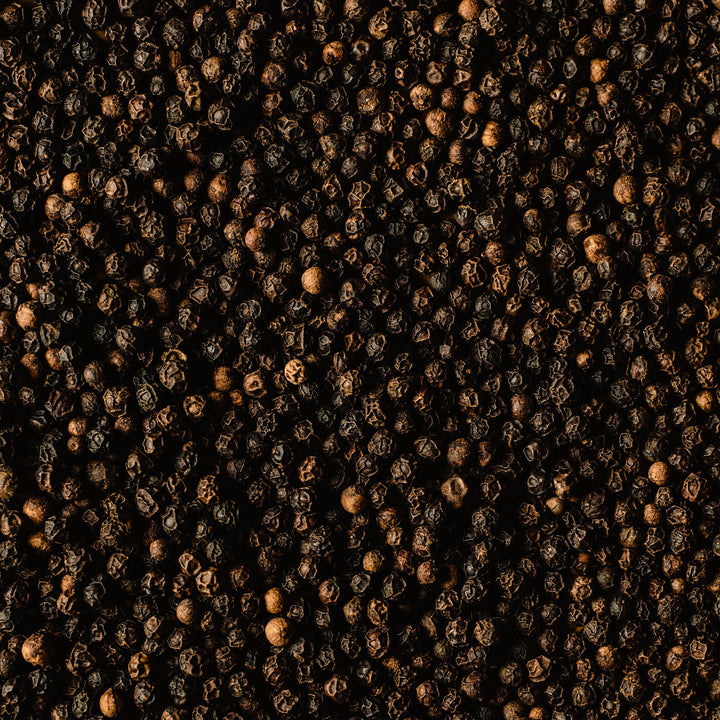
Black pepper is the most common choice for a pepper sauce: its warm, slightly woody notes hold up well to the cognac reduction and the cream. Coarsely cracked, it also forms a crust on a piece of meat seared in a pan. For the cracking step, see our page mignonnette pepper and cracked pepper.
Green pepper: a milder sauce, in whole berries
Green pepper, picked before it ripens and then kept in brine or freeze-dried, keeps soft berries that are half-crushed into the sauce rather than ground. The result is a rounder sauce, less fiery than one made with black pepper, which suits white meat well. Our recipe for pan-fried steak with green pepper sauce gives a complete example.
White pepper: for pale sauces
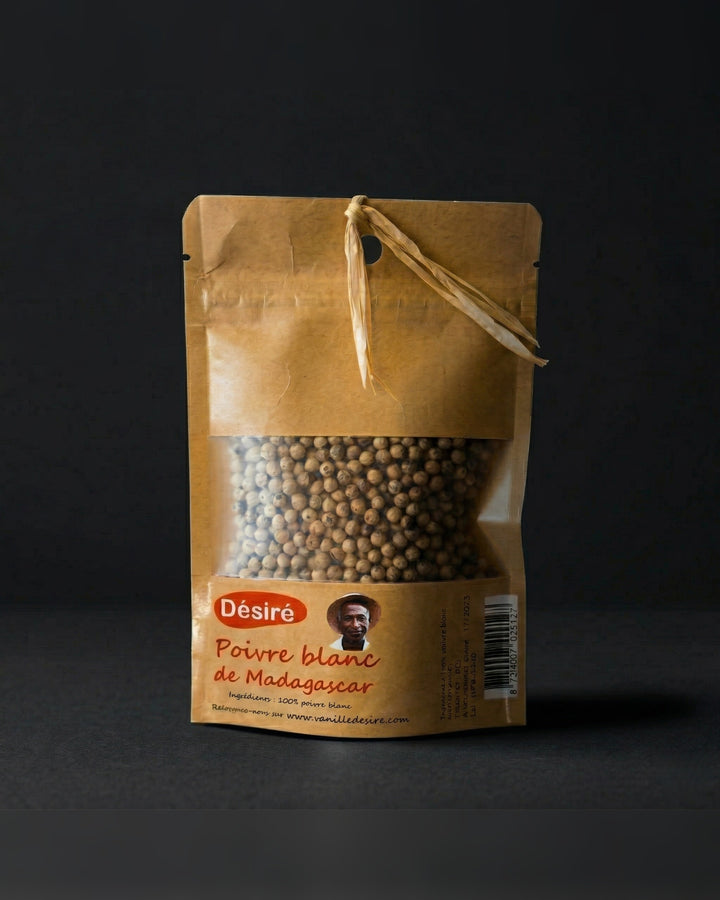
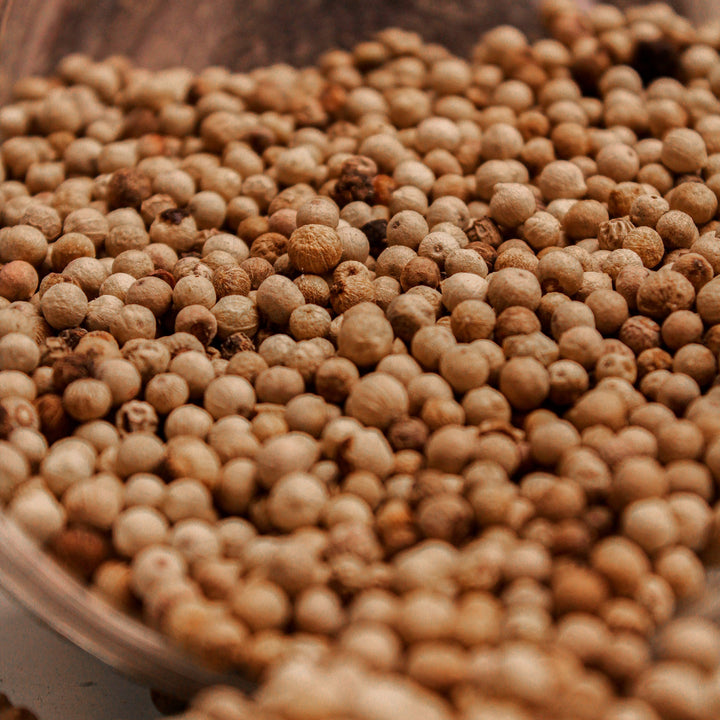
White pepper, made from ripe berries with their skin removed, does not have the black specks of black pepper: it therefore suits pale sauces, such as beurre blanc, where a black pepper sauce would mark the colour. Our page white pepper in pale sauces and purées details this use, and our recipe for roast cod, white pepper beurre blanc puts it into practice.
Wild pepper: a more floral note
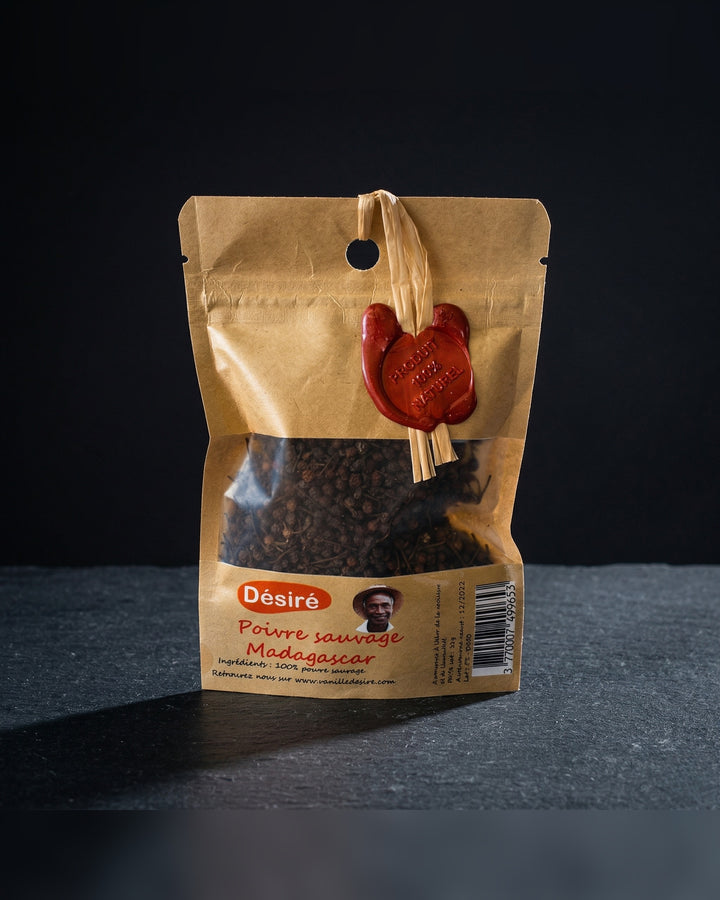
Voatsiperifery wild pepper is a different species from black pepper, gathered wild in the forest in Madagascar, never grown. Its aroma, more floral and more subtle than black pepper's, suits a sauce meant to be less powerful, for example on poultry or game. To grind it or use it whole, see our page Voatsiperifery wild pepper, grinding it with a mortar or a mill, and for an example sauce, our recipe for duck breast, Voatsiperifery pepper sauce.
When to add pepper to a sauce
The moment pepper joins the sauce changes its aroma: added too early and heated for too long, it loses its freshness; added right at the end, it keeps its full aroma but has not had time to blend with the rest. Our page when to add pepper, before cooking, at the end of cooking or at the table details this point more broadly.
Whole, cracked or ground: what changes in a sauce
A whole pepper infused then removed gives a light aroma and a sauce without pieces, useful for a sauce meant to be smooth. Cracked, it leaves fragments that crunch underfoot and keep flavouring the sauce after cooking. Finely ground, it dissolves almost entirely and flavours the whole sauce evenly, but loses its aroma faster once reduced to powder.
Where our peppers come from
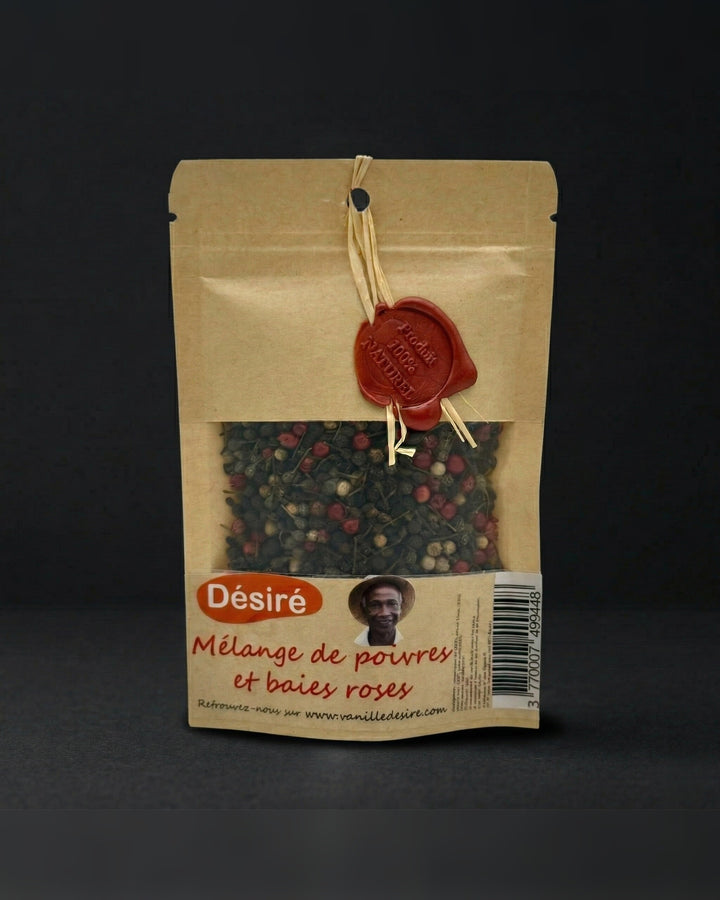
Our family grows black pepper, green pepper and white pepper in Vangaindrano, in south-east Madagascar; wild pepper is gathered there in the forest, it is not grown.
Frequently asked questions
Which pepper should be used for a pale sauce such as beurre blanc?
White pepper, without the black specks of black pepper, suits pale sauces where a black pepper would mark the colour.
What is the difference between black pepper and green pepper in a sauce?
Green pepper, picked before it ripens, keeps soft berries that are half-crushed for a rounder, less fiery sauce than one made with black pepper.
When should pepper be added to a pepper sauce?
It is added at two points: cracked into the meat before cooking, then a second time, ground or cracked, when thickening the sauce, to revive its aroma.
Does wild pepper suit a powerful sauce?
No, its more floral and more subtle aroma than black pepper's suits a sauce meant to be less powerful, for example on poultry or game.
Our products to take things further: Madagascar black pepper · Madagascar green pepper · Madagascar white pepper · Madagascar wild pepper
The Vanille Désiré team