Quick answer: Cinnamon, chilli and pepper each pair differently with chocolate: cinnamon for a warm note, pili-pili chilli for a bold heat, as in Mexican mole, black or wild pepper for a woody edge. Always start with a very small amount of a single spice, then taste before adding more.
Chocolate does not pair only with vanilla. Cinnamon, chilli and pepper each add a different note: spiced warmth, bold heat or a woody edge. This page presents these three pairings, where they come from, and ways to use them. For the pairing between vanilla and chocolate, see our page vanilla and chocolate, which is not covered again here.
An Old Pairing, Born in the Americas
The pairing between cocoa and chilli is nothing new. Among the Aztecs, roasted and ground cocoa was prepared as a drink, xocolatl, mixed with water and various ingredients: chilli was one of them, alongside other flavourings depending on the recipe. This drink was reserved for a marked ceremonial and social use, far removed from the sweet chocolate we know today.
This meeting between cocoa and chilli continued in Mexican cooking, particularly in mole, a sauce that blends chilli, cocoa and other ingredients depending on the region. Mole poblano and mole oaxaqueño are its best-known versions. The principle stays similar: chilli brings the edge, cocoa brings the depth and roundness.
Chocolate and Chilli: A Bold Pairing
In a hot chocolate or a ganache, a touch of pili-pili chilli lifts the cocoa without masking it. A very small amount of ground chilli is mixed into the melted chocolate, or infused with the milk or cream before pouring over the chocolate, then strained. It is best to start with a touch on the tip of a knife and taste before adding more.
Chocolate and Cinnamon: A Warm Note
Cinnamon pairs with chocolate in a hot chocolate, a mousse or a biscuit. The stick infuses in the hot milk before the chocolate is melted into it; the powder is mixed directly into the batter or the melted chocolate. The pairing stays discreet: cinnamon accompanies the cocoa, it should not cover it.
Chocolate and Pepper: A Woody Edge
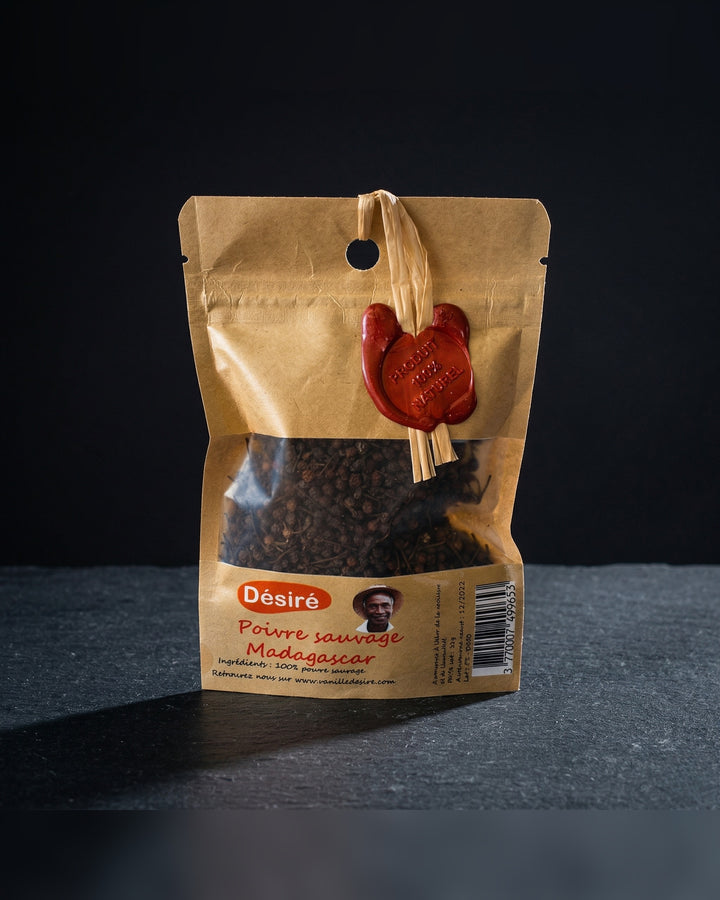
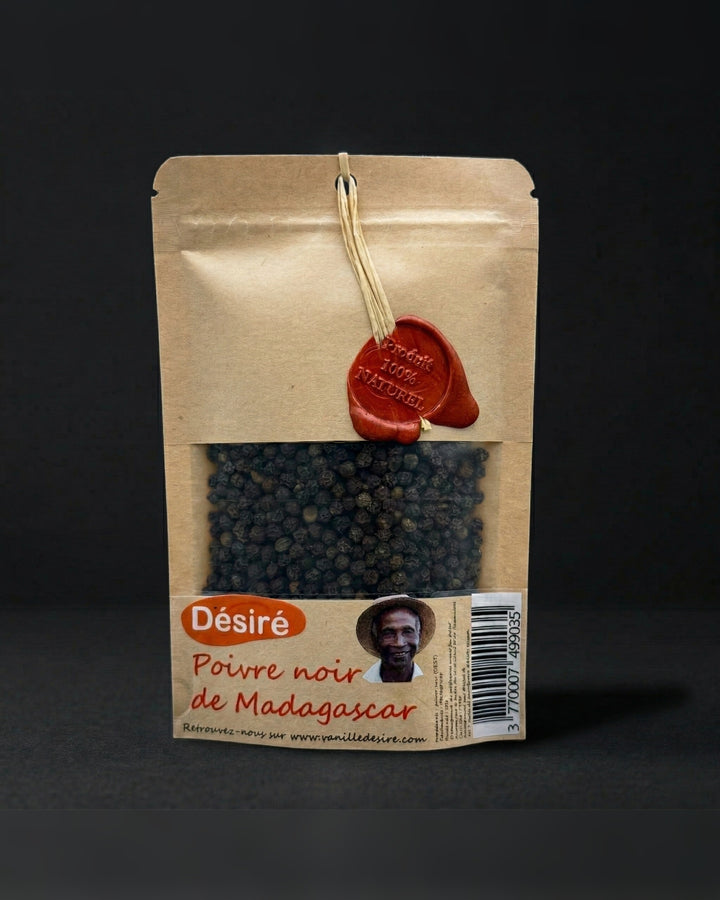
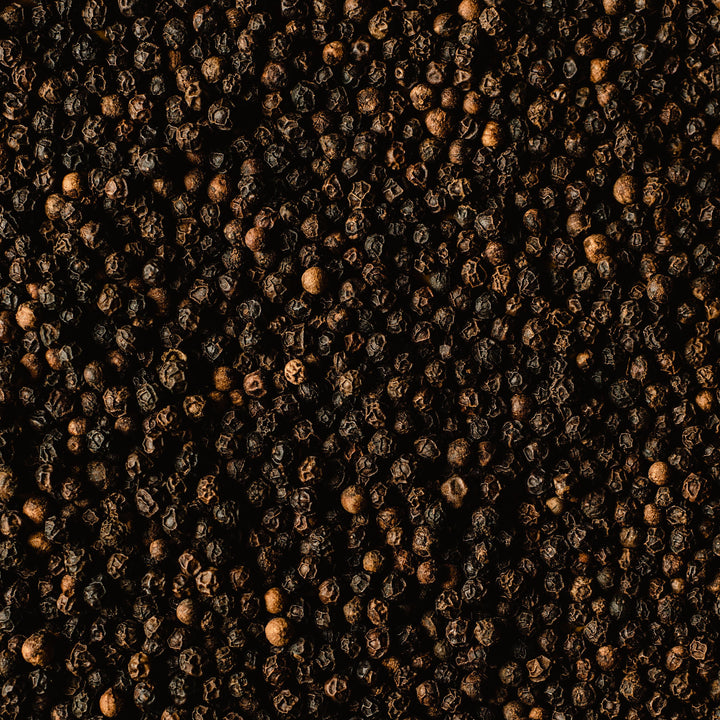
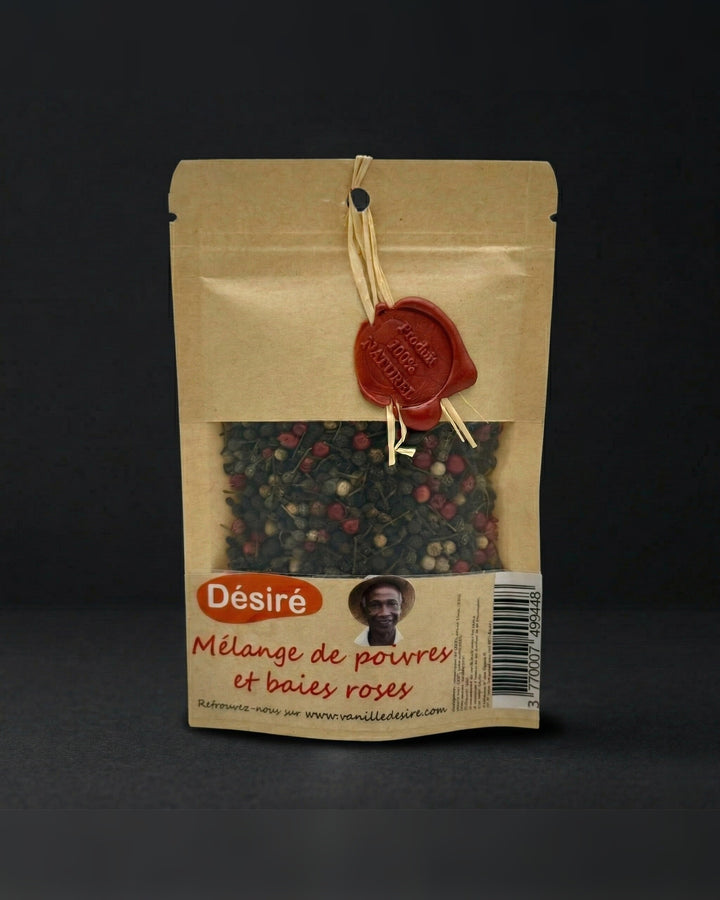
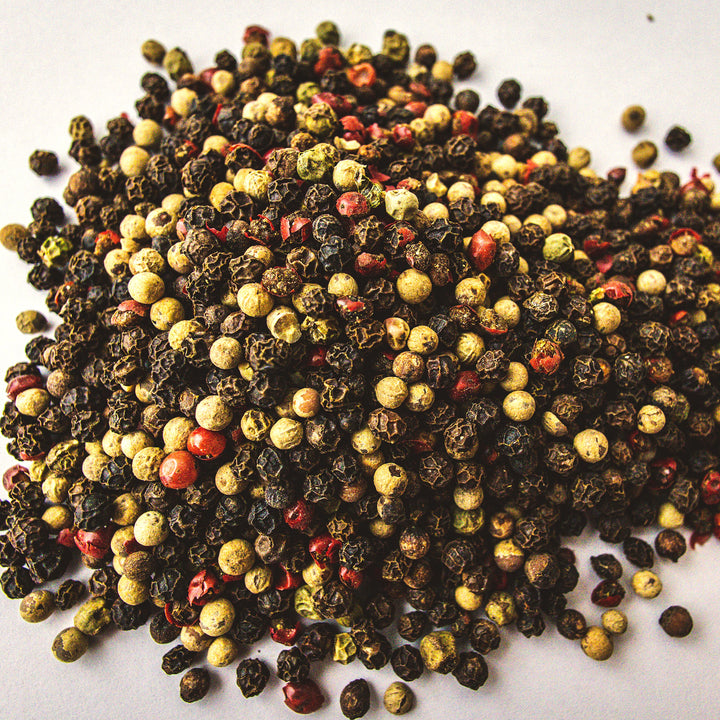
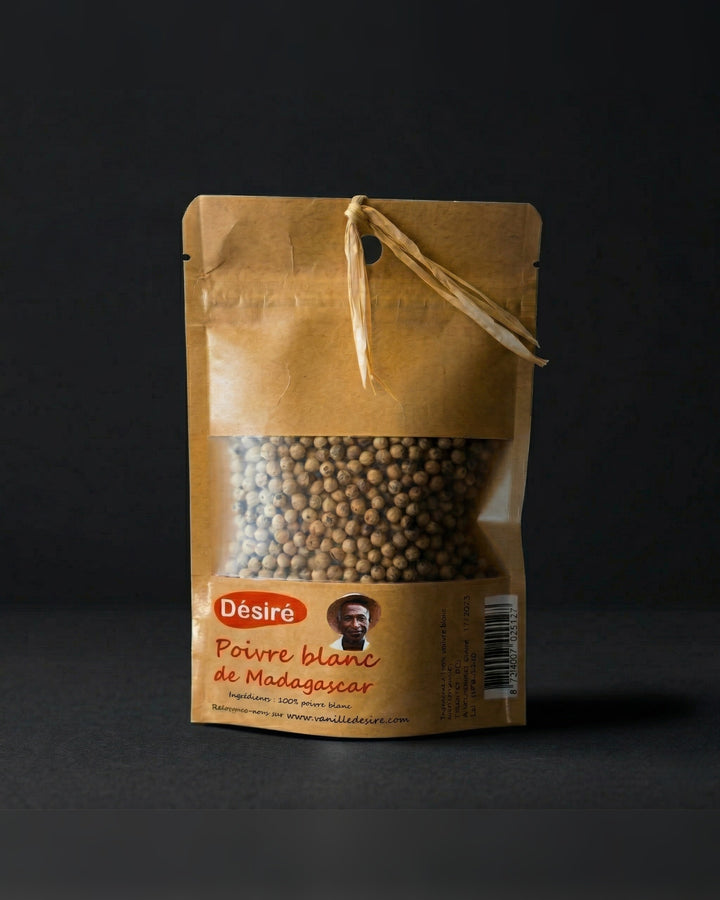
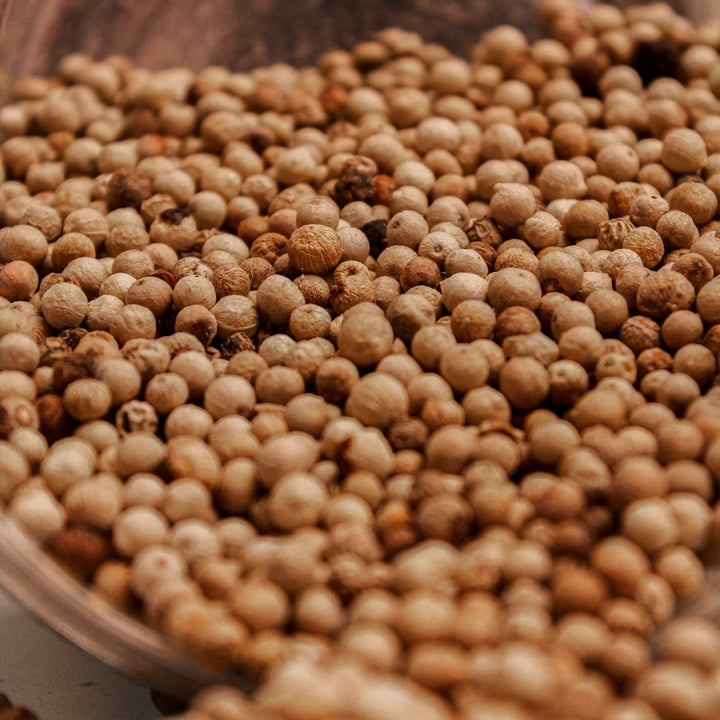
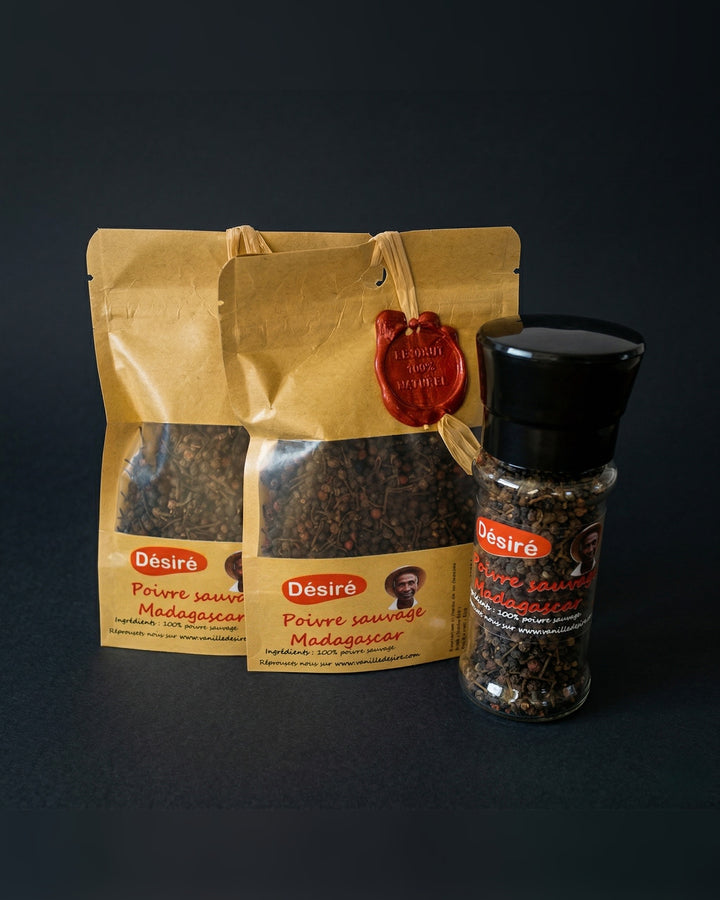
Pepper, black or wild, pairs with dark chocolate in a mendiant, a bar or a sauce. It is ground at the last moment and a few grains are placed on the surface of a square of chocolate, or added on the tip of a knife to a ganache that has already been whipped. Wild Voatsiperifery pepper, with its woody, minty notes, suits this use well, in very small amounts.
Spiced Chocolate Discs
Following the model of mendiants, those discs of melted chocolate topped with dried fruit and nuts, you can place a few crushed pepper grains, a touch of ground chilli or a sliver of cinnamon stick on the chocolate while it is still liquid, before it sets. Each disc then carries a single spice, which lets you compare the three pairings side by side.
How to Create Your Own Pairing
To try it out, start with a 60 or 70 percent dark chocolate, which carries spices better than a milk or white chocolate. Add a single spice at a time, in a small amount, and let it rest for a few minutes before tasting: the flavour of a ground spice keeps developing after it is added. Chilli is noticeable quickly; cinnamon and pepper take a little longer to come through.
In a Batter or a Drink
For a chocolate biscuit, mix the chosen spice into the dry ingredients before folding them into the batter, for an even spread. For a drink, infuse the spice in the hot milk, strain, then melt the chocolate into the strained milk: the texture stays smooth and the flavour spreads with no visible grains.
In a chocolate cake batter, cinnamon and pepper mix easily into the flour or cocoa powder; chilli, which is stronger, is better kept for a ganache or a sauce, where a very small amount is enough to be noticed without overpowering the cocoa.
Where Our Spices Come From
Our family grows pili-pili chilli and black pepper in Vangaindrano, in south-eastern Madagascar; wild pepper is gathered there in the forest, it is not cultivated. Our family also grows cinnamon in Vangaindrano. We ship these spices ourselves, with no middleman.
Frequently Asked Questions
Which spice pairs well with chocolate and chilli?
Pili-pili chilli lifts the cocoa without masking it: a very small amount, on the tip of a knife, is mixed into the melted chocolate or infused in the milk then strained.
Which chocolate should you choose for adding spices?
A 60 or 70 percent dark chocolate carries spices better than a milk or white chocolate.
Can you mix several spices with chocolate at the same time?
It is best to add a single spice at a time, in a small amount, and let it rest for a few minutes before tasting, since the flavour keeps developing after it is added.
Where does the pairing between cocoa and chilli come from?
It goes back to the Aztecs' xocolatl, a cocoa drink mixed with water and various ingredients including chilli, and is found today in the mole of Mexican cooking.
Our products to go further: Madagascar cinnamon · Madagascar pili-pili chilli · Madagascar black pepper · Madagascar wild pepper
The Vanille Désiré team