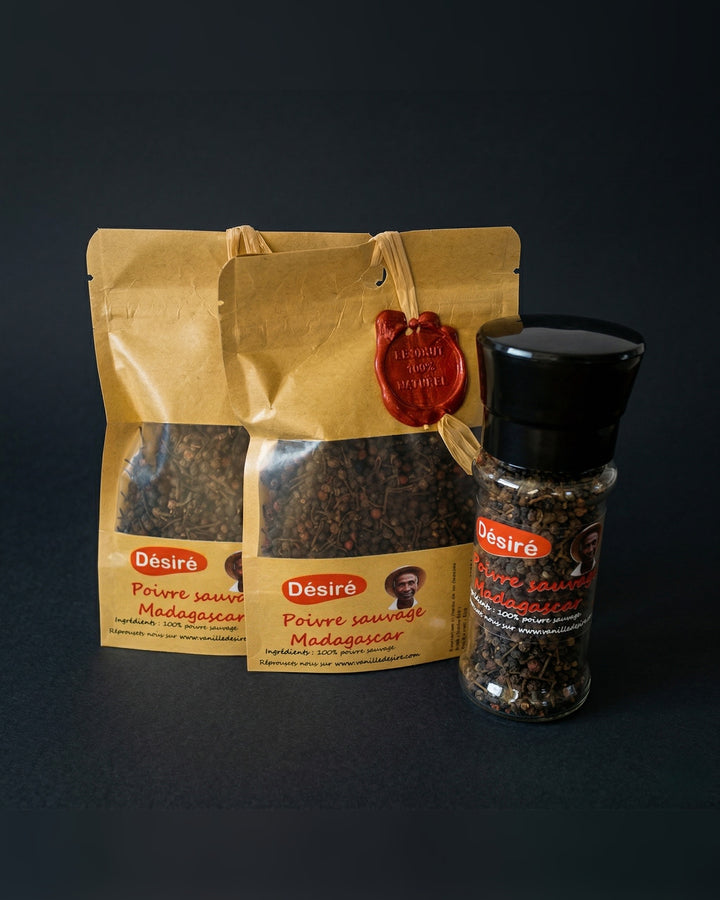
Quick answer: The capsaicin in pili-pili chilli does not dissolve in water but in oil or alcohol, which is why rinsing your hands with water alone does not always help after handling it. Wearing gloves to crumble or grind dried chilli, avoiding touching your face, and then washing with soap or a little oil, limits the burning sensation on the skin.
Pili-pili is easy to handle once you know how the molecule behind its burn behaves: a few simple steps, before and after, avoid most of the discomfort.
Why chilli burns the skin
Pili-pili owes its burning sensation to capsaicin, a hydrophobic molecule: it does not dissolve in water, but in oil and in alcohol, which explains why it lingers on the skin after a simple rinse with water.
Precautions to take before you start
Wearing gloves to crumble or grind a whole dried pili-pili chilli, or to handle a chilli paste, stops capsaicin from staying on your fingers. Avoiding touching your eyes, nose or any mucous membrane while handling it remains important, as capsaicin causes a far sharper sensation there than on the skin of your hands.
If your skin burns all the same
Since capsaicin does not dissolve in water, a long rinse with water alone has limited effect. Washing your hands with soap, which binds to fats, or with a little oil before rinsing, helps dissolve the capsaicin and remove it from the skin more effectively than rinsing with water alone.
Cleaning the worktop and utensils
The utensils and worktop used to crumble or grind the chilli also keep a little capsaicin: washing them with soap, just like your hands, before reusing them for another dish avoids passing an unexpected burn on to a dish that did not call for one.
Whole dried chilli and paste
Pili-pili is sold whole and dried, to crumble or grind yourself, or already prepared as a paste packaged in France. In both cases, capsaicin remains present and the same precautions apply, whether you are handling the dry chilli or the ready-made paste.
After handling it
Even after careful washing, it is best to wait a little before putting in contact lenses or rubbing your eyes: a trace of capsaicin can linger under the nails longer than on the rest of the hand.
Where our chilli comes from
Our family grows this pili-pili chilli in Vangaindrano, in south-eastern Madagascar.
Frequently asked questions
Why does water alone not stop a chilli burn?
The capsaicin in chilli is a hydrophobic molecule that does not dissolve in water, but in oil and in alcohol, which explains why it lingers after a simple rinse.
Should you wear gloves to handle dried pili-pili chilli?
Wearing gloves to crumble or grind the chilli stops capsaicin from staying on your fingers, especially before touching your face or eyes.
What should you do if capsaicin burns your skin?
Washing with soap or a little oil before rinsing helps dissolve the capsaicin, more effectively than a long rinse with water alone.
Does chilli paste carry the same risks as whole chilli?
Yes, capsaicin remains present in the paste just as in the whole dried chilli, and the same handling precautions apply to both.
To go further, our products: Madagascar pili-pili chilli · Madagascar chilli paste
For everything about this spice, see our page on Madagascar pili-pili chilli.
The Vanille Désiré team