Quick answer: To pair vanilla and coffee, a split pod infuses in hot milk before the espresso is poured in, a few drops of extract go into a hot or iced coffee, and vanilla sugar replaces white sugar, sweetening and flavouring at the same time. It is best to start with a small amount, so the vanilla softens the coffee without covering it.
Vanilla and coffee often end up in the same cup: a vanilla coffee at the counter, a touch of vanilla in a coffee-flavoured hot chocolate, or simply a pod infusing in hot milk before an espresso is poured in. This page explains how to pair the two without one covering the other, and gives several ways to do it depending on the form of vanilla used.
Two paths that crossed late
Vanilla comes from Central America, where the Totonac people harvested it and supplied it to the Aztec empire, which used it to flavour a cacao-based drink reserved for nobles and warriors. The Spanish discovered it in the sixteenth century, after the meeting between Hernán Cortés and the Aztec emperor Moctezuma II, and its use then spread through Europe, particularly at the French court. Coffee, meanwhile, comes from Ethiopia, from the province of Kaffa: local populations had long been drinking it before the beverage reached Yemen, then the Ottoman Empire, then Europe from the seventeenth century onwards, with the first coffee houses in Marseille, then Paris. Two plants from different continents, brought together much later in the same cup.
Infusing a pod in milk
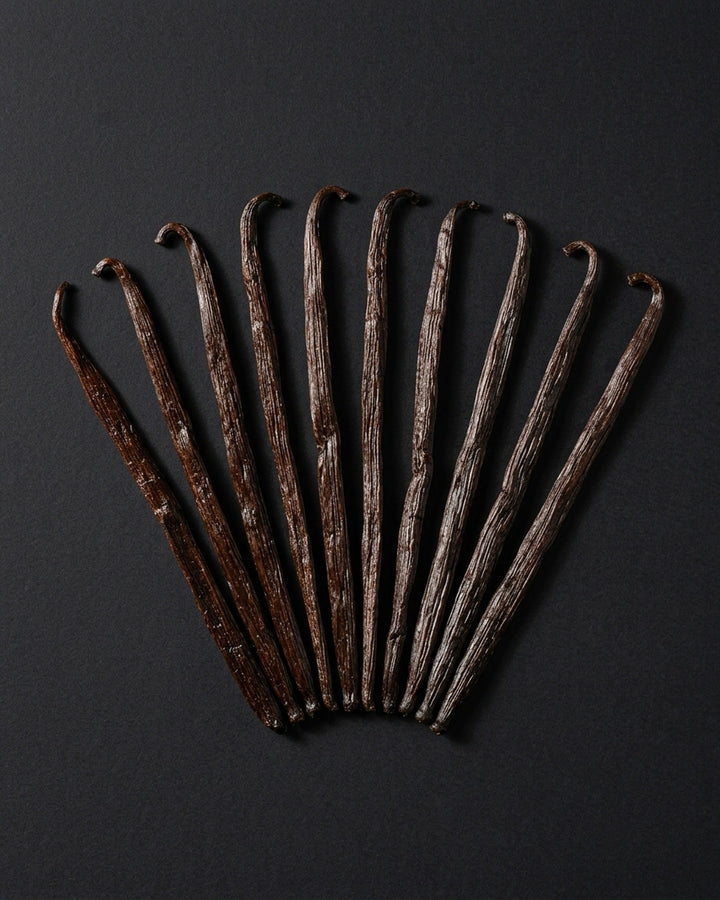
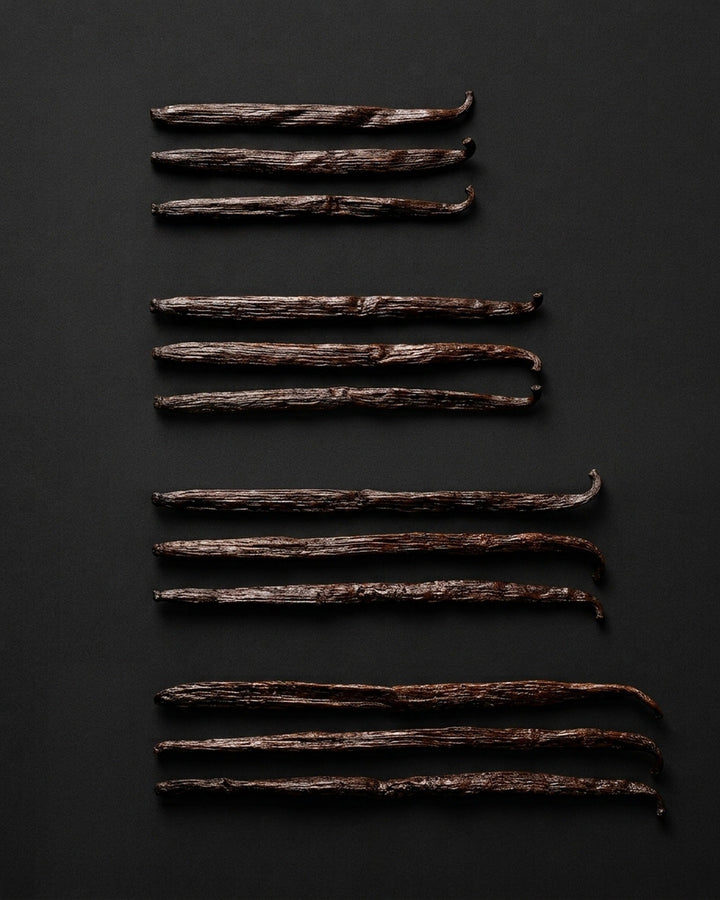
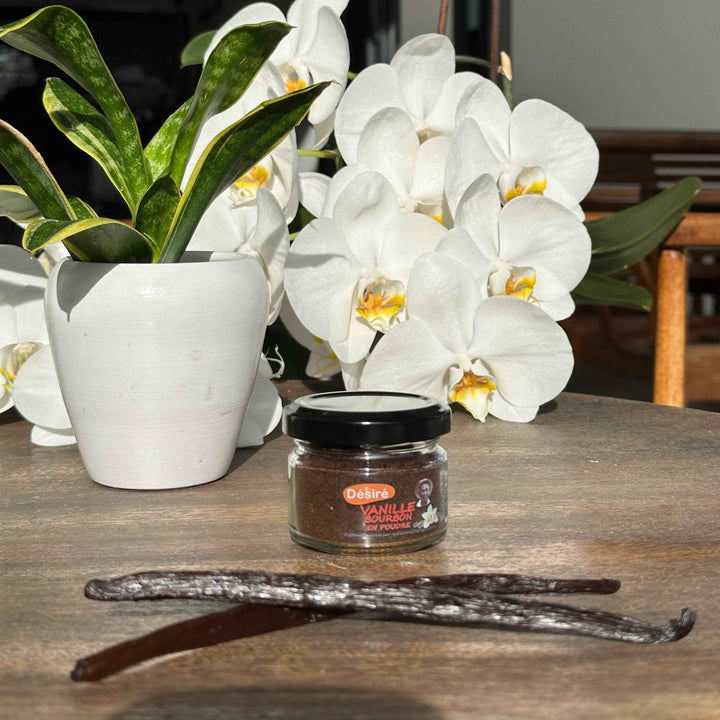
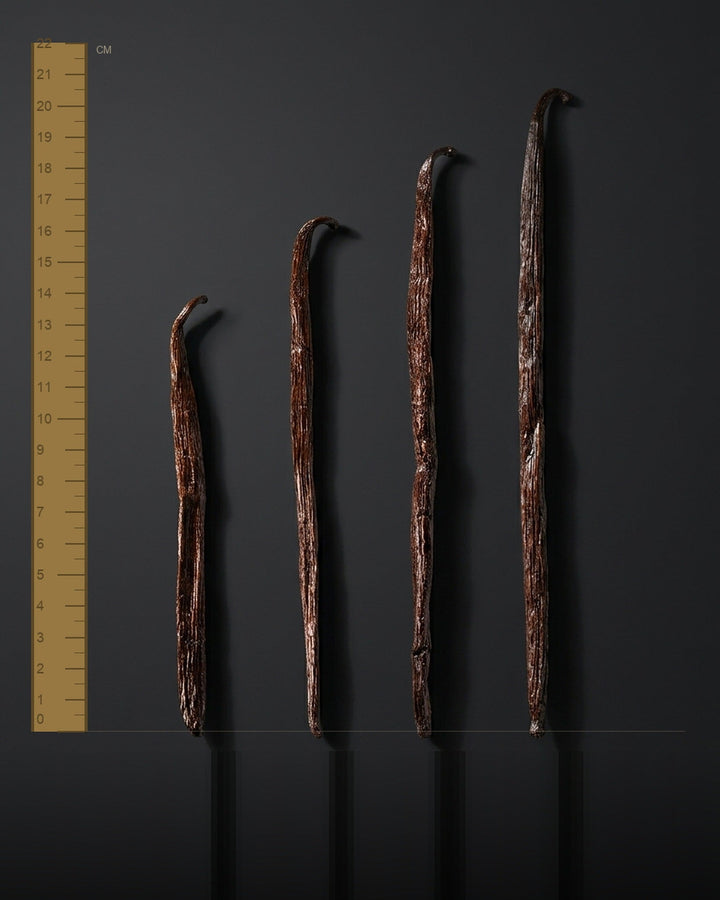
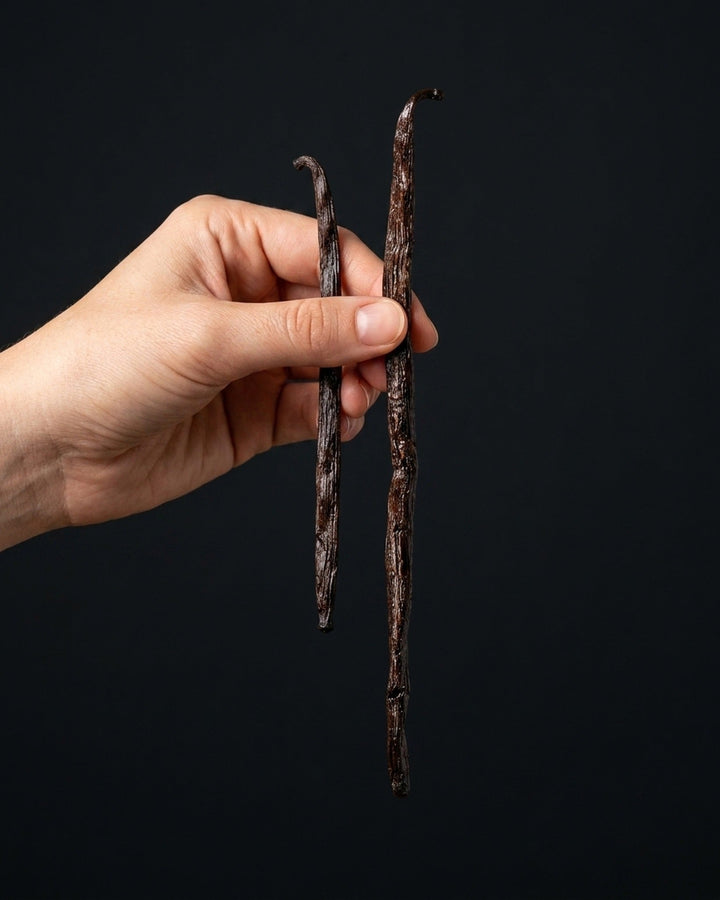
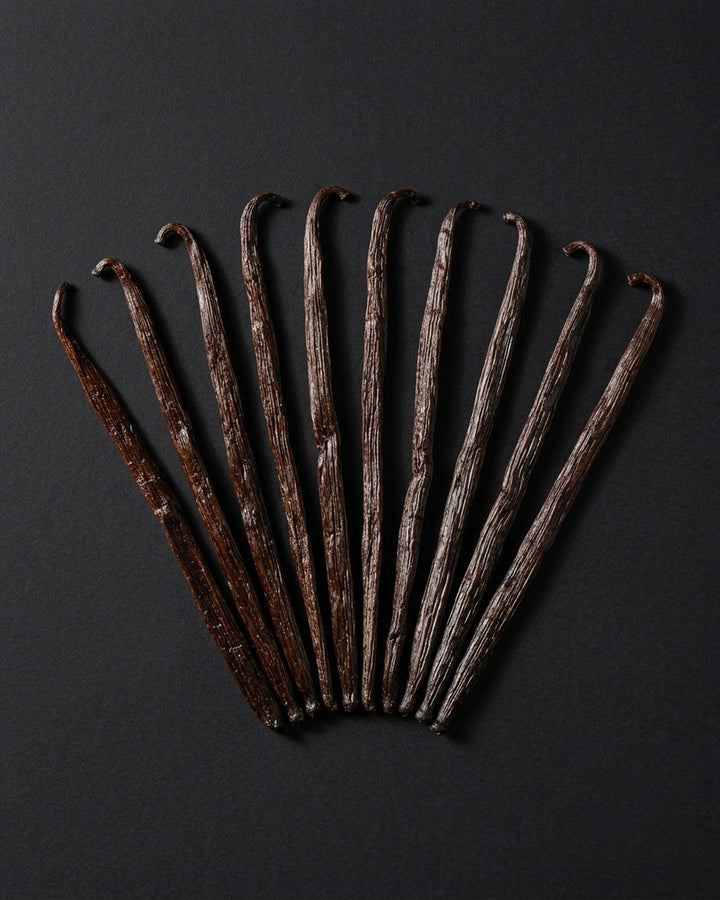
For a vanilla-flavoured coffee with milk, the simplest method is to split a pod in two and let it infuse in hot milk, before pouring in the espresso or filter coffee. The pod is removed once the milk is flavoured; it still holds aroma and can be used a second time. To find out what to do with a pod that has already been scraped or already infused, see our page what to do with vanilla pods already scraped.
A few drops of extract, in hot or iced coffee
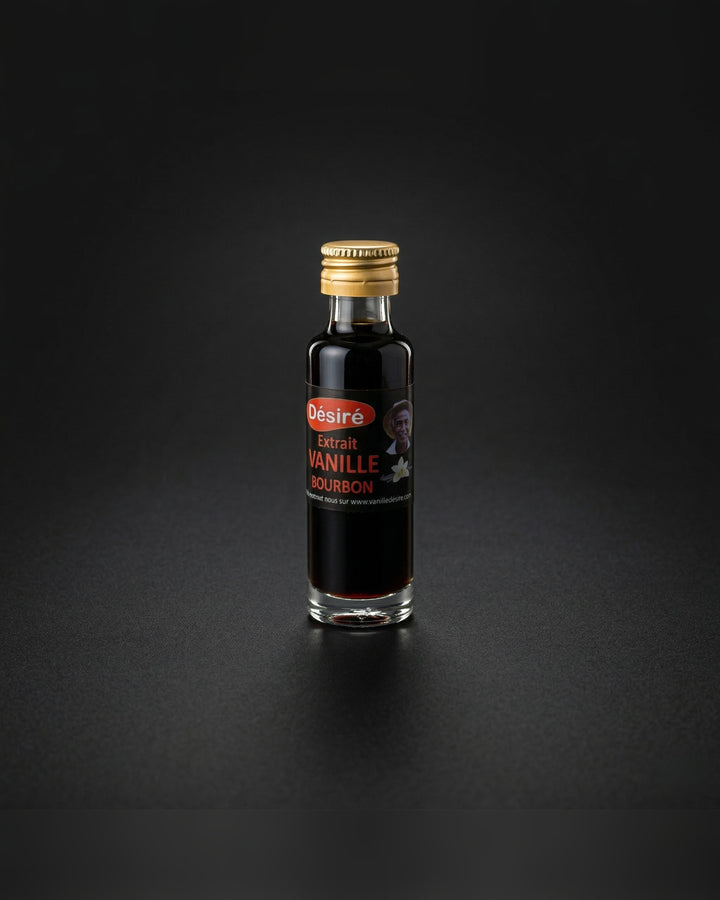
Vanilla extract is measured in drops: a few drops are enough in a cup, as a larger amount would drown out the taste of the coffee rather than accompany it. It is poured directly into hot coffee, just before serving, or into an iced coffee, where it mixes easily with no cooking needed. To make your own extract from pods, see our page making your own homemade vanilla extract.
Vanilla sugar, to sweeten and flavour at the same time
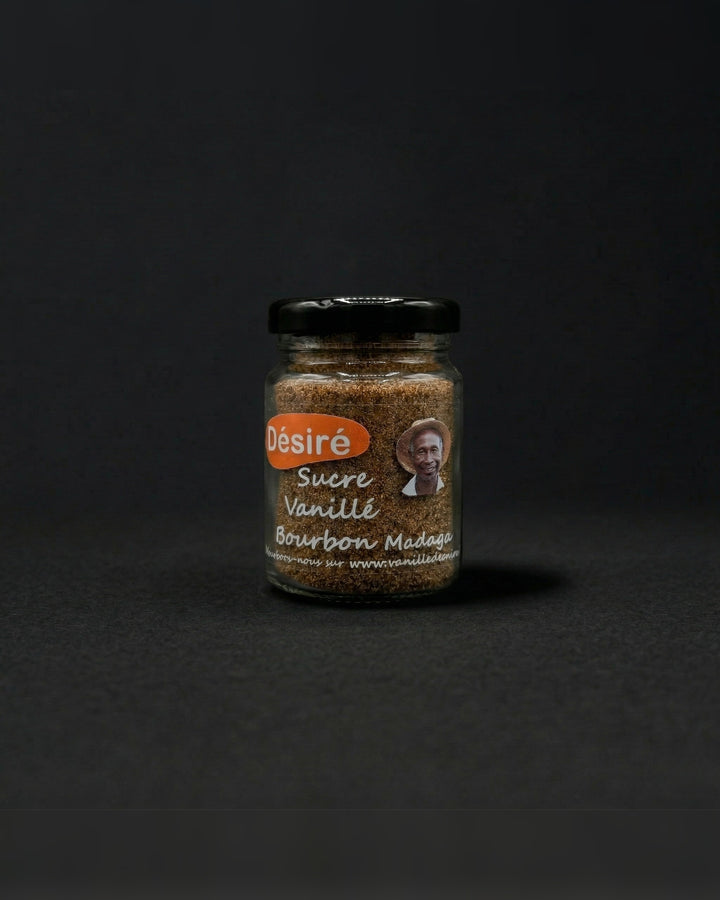
Vanilla sugar replaces white sugar in a coffee, a cappuccino or a more elaborate drink: it sweetens and flavours in the same gesture, without adding any liquid. The difference between vanilla sugar, made from cane sugar and pods, and vanillin sugar, flavoured synthetically, is explained on our page vanilla sugar or vanillin sugar. To make it yourself, see making your own homemade vanilla sugar.
Cold infusion, for coffee prepared ahead
For coffee prepared ahead and kept cold, a split pod can infuse directly in the container, for several hours in the fridge, before being removed when serving. The cold slows the infusion, but the result is softer and less pronounced than with a hot infusion, which suits an iced coffee drunk over several hours.
Iced coffee and vanilla, in a richer version
A cooled coffee also pairs well with a scoop of vanilla ice cream, which melts slowly and softens the bitterness of the coffee while flavouring it at the same time. Our recipe for no-churn vanilla ice cream gives a simple base for this use.
Do not go beyond the aroma of the coffee
In all these preparations, vanilla remains a finishing touch: the coffee keeps its bitterness and its own aromas, and the vanilla only comes in to soften and extend them. It is best to start with a small amount, taste, then adjust, rather than flavouring a cup too strongly when there is no way back.
Where our vanilla comes from
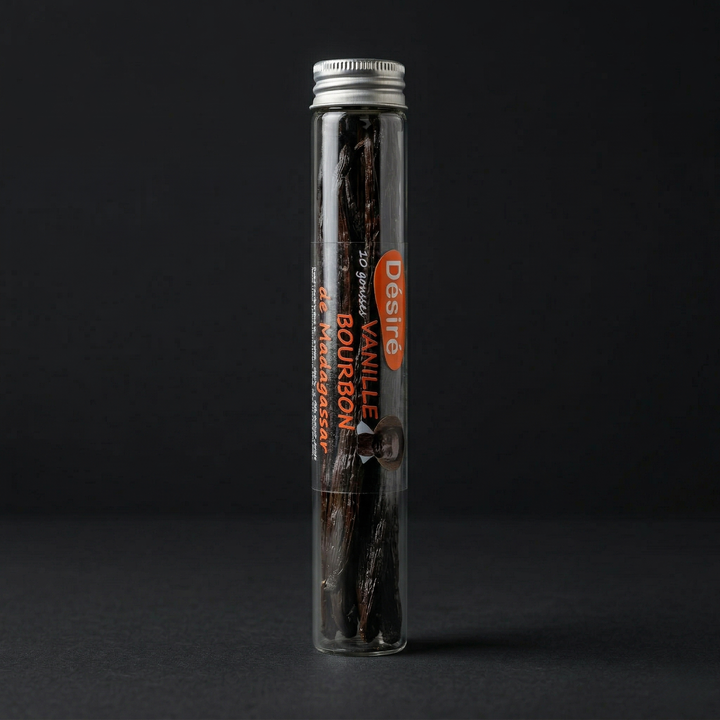
Our family grows and prepares this vanilla in the SAVA region, in north-east Madagascar. We prepare it ourselves, as pods, extract and vanilla sugar, with no middleman.
Frequently asked questions
How do you infuse a vanilla pod in a milky coffee?
The pod is split in two and infuses in hot milk, before the espresso or filter coffee is poured in; it is then removed and can still be used a second time.
How many drops of vanilla extract should go in a coffee?
A few drops are enough in a cup, as a larger amount would drown out the taste of the coffee rather than accompany it.
Can a vanilla coffee be prepared ahead?
Yes, for coffee prepared ahead and kept cold, a split pod can infuse directly in the container, for several hours in the fridge, before being removed when serving.
What is the difference between vanilla sugar and vanillin sugar in a coffee?
Vanilla sugar is made from cane sugar and pods, while vanillin sugar is flavoured synthetically.
Our products to take things further: Madagascar Bourbon vanilla pods · Madagascar Bourbon vanilla extract · Madagascar Bourbon vanilla sugar
The Vanille Désiré team